

Yamaha YZF-R1 (RN19) — Supersport
Yamaha Press

2007–2008 · Supersport · Buyer's Guide

YZF-R1 (RN19)

Screams Above Nine Grand

The Machine's Character

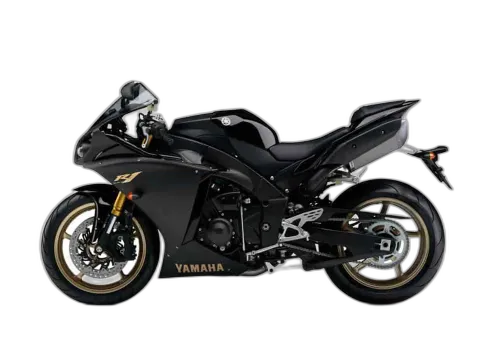
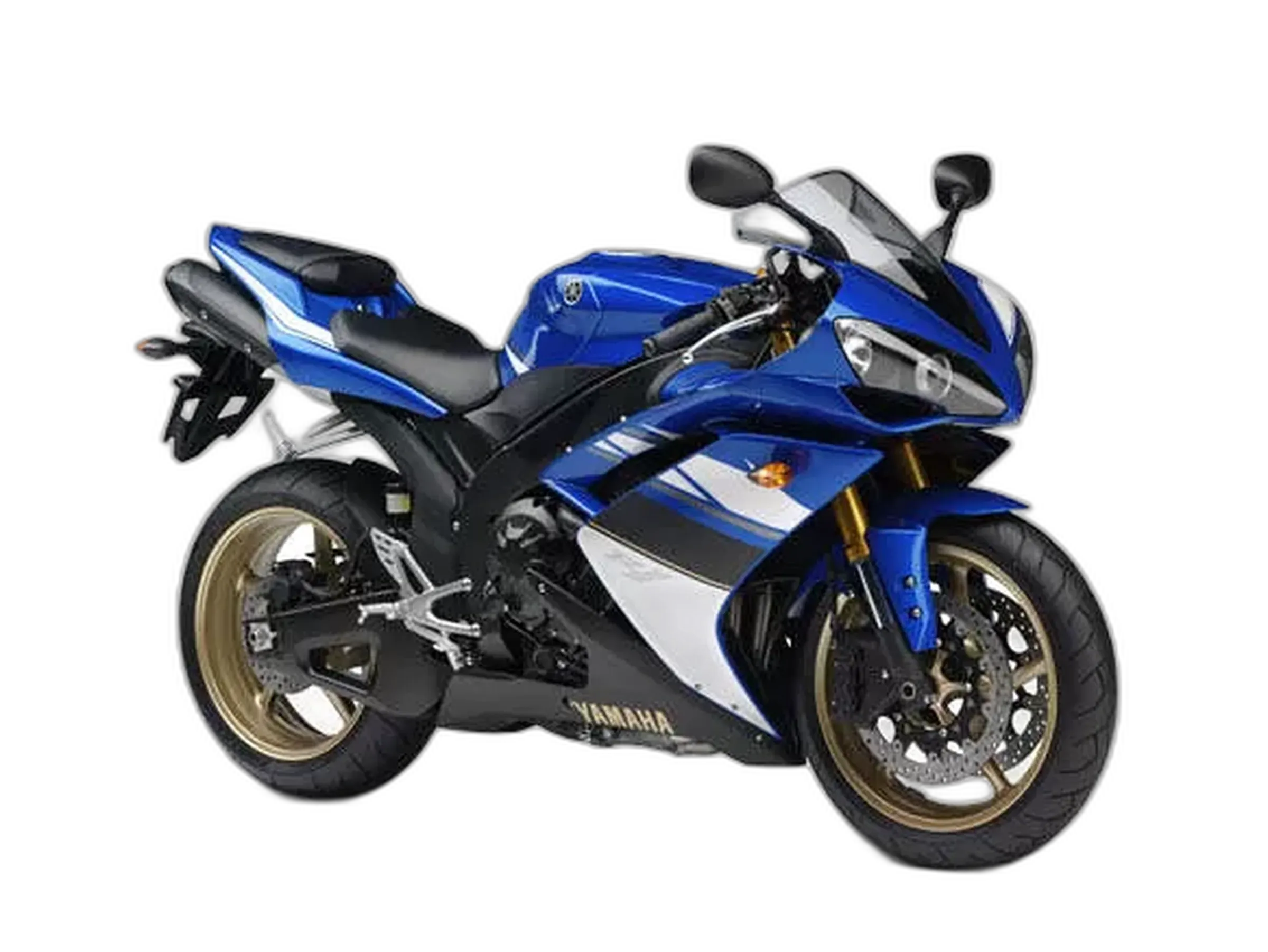
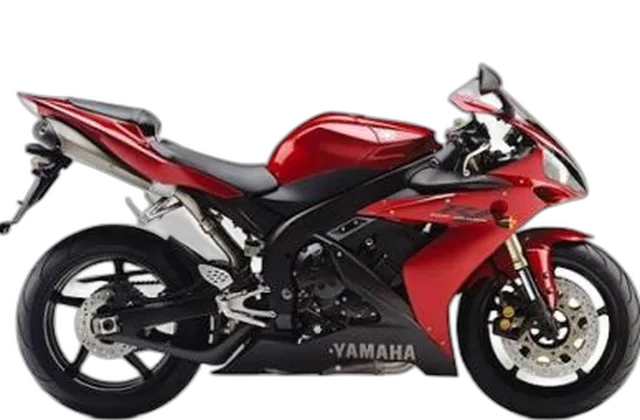
The RN19 R1 is a 998 cc inline-four built around one idea: make the rider work the top of the tach. Ride-by-wire and variable-length intake trumpets feed a four-valve head that wakes up past 9,000 rpm and keeps climbing to 180 hp at 12,500, with 83 lb-ft arriving at 10,000. That tells you everything about where this engine wants to live. Around it sits an aluminum Deltabox frame, fully adjustable suspension at both ends, a steering damper and a slipper clutch, so the hardware is there to actually use the power.

There are no electronic safety nets here. No ABS, no traction control, no ride modes, which means your right wrist and your gear choice are the rider aids. That suits a skilled rider who wants a clean, honest sportbike and treats 439 lb (199 kg) of wet weight as something to steer rather than manage. It ages well where it counts: the build quality holds up and the aftermarket support is deep. The honest caveat is ownership. The throttle position sensor is a known failure point, expensive to reach, and there are isolated reports of connecting rod failure at mileage as low as 3,700.

Hard Numbers

Spec sheets don't ride bikes, but they set the baseline.

Show full specs & equipment Hide specs & equipment
Key specifications
Power 180 hp (132 kW) @ 12,500 rpm
Torque 83 lb-ft (113 Nm) @ 10,000 rpm
Displacement 998 cc
Engine Inline-four
Cooling Liquid-cooled
Gearbox 6-speed
Final drive Chain
Fork Upside-down (USD)
Front brake 310 mm
Front tire 120/70-17
Rear tire 190/50-17
Wheelbase 55.7 in (1415 mm)
Seat height 32.9 in (835 mm)
Wet weight 439 lb (199 kg)
Fuel capacity 4.8 gal (18 L)
Top speed 182 mph (293 km/h)
Fuel economy 32 mpg (US)

Equipment check

Chassis

  • Front Suspension Adjustable Standard
  • Rear Suspension Adjustable Standard
  • Steering Damper Standard

Drivetrain

  • Slipper Clutch Standard

The Voice of Experience

Portrait of NastyNils

The test ride

The first thing that lands is the noise. Roll it through the mid-range and the intake and exhaust stack into one of the best sounds in the class, the kind that makes you take the long way home. The riding position is roomier than the category usually allows, with a 32.9 in (835 mm) seat and enough space between bar, seat and peg that a six-foot rider isn't folded up after twenty minutes. Through the bars you get real information about what the front tire is doing, steady and constant rather than nervous. The one thing you feel that you'd rather not is heat: the catalytic converter sits near your right ankle, and in warm weather at parking-lot speed it gets genuinely uncomfortable.

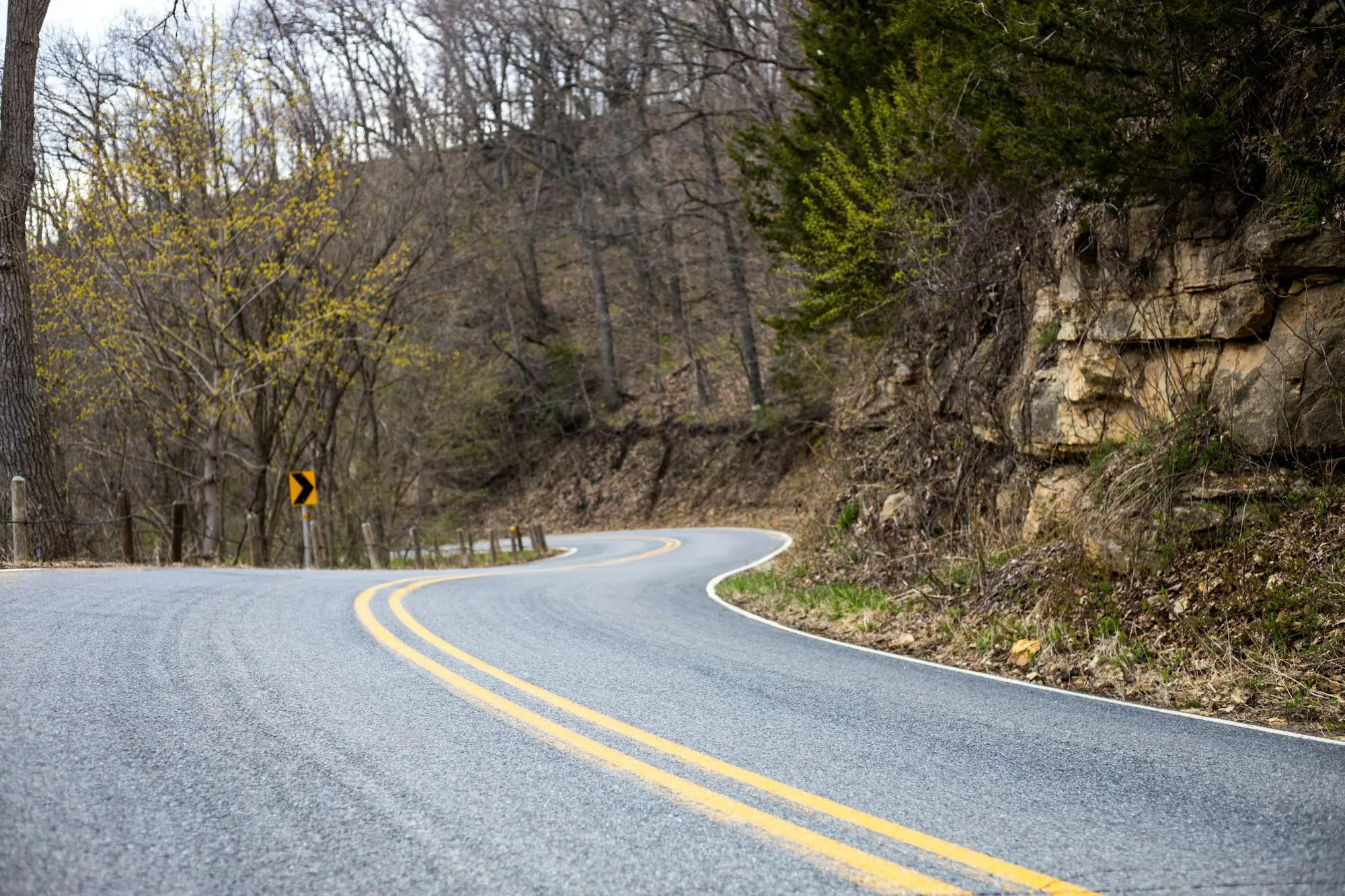
A winding two-lane asphalt road in the Appalachian mountains, photographed in dry daylight. Yellow double-center line markings guide through a series of tight left-hand curves. Dense deciduous and evergreen forest flanks both sides; a rock cut is visible on the right. The road surface and geometry suggest a technical, high-traffic riding corridor popular with motorcyclists.
Chris Flaten / Pexels

The Truth on the Street

This section comes from years of listening rather than riding: pit lane talk, owners comparing notes at club nights, and the messages riders send me directly about bikes they actually live with. On the RN19 R1 the chatter is consistent. The praise is about what the bike does when it's ridden hard, and the complaints are about what it asks of you the rest of the time.

What riders praise first

The chassis comes up in nearly every conversation. Owners describe quick, agile steering that lets them place the bike where they want it and commit. Brakes draw similar praise: strong, progressive stopping power that works as well on the road as on track. The top end gets the same enthusiasm, and the hard rush of acceleration is what most riders remember.

The gripe that keeps coming back

The most common complaint is that same trait from the other side. Riders say there's little to work with low in the rev range, so staying in the powerband means keeping it spinning hard, and that wears on you over a long road ride. Some also find the throttle snatchy at low rpm, which makes clean corner exits harder than they should be. A remap, they say, sorts most of that out.

Known issues

  • Throttle position sensor (TPS) failure

    electrics occasional

    The throttle position sensor is prone to failure, leading to poor idling, hesitation, and occasional stalling. Replacement is expensive due to its location.

  • Potential engine rod failure

    engine rare

    Isolated reports of connecting rod failure at low mileage (around 3,700 miles), sometimes resulting in catastrophic engine damage.

  • Underseat exhaust heat

    exhaust common

    The OE catalytic converter location near the rider's right ankle creates excessive heat discomfort during warm weather or slow riding.

The Expert Benchmark

Where this Yamaha YZF-R1 pulls ahead of — or falls behind — its rivals on the numbers, and the typical bike in its class on character.

What kind of bike this is — character vs. the class

This bike Class average

The shape of the Yamaha YZF-R1 — numbers and character vs. the average Supersport

Head-to-head: Yamaha YZF-R1 vs. its rivals

The Handshake Score

Forget spec-sheet bragging. Here's who the YZF-R1 is actually built for.

A scenic view of Angeles Crest Highway winding through rugged Southern California canyon terrain. Rocky mountainsides with golden earth tones frame the asphalt road with tight sweeping curves. Double yellow center line visible, sparse vegetation along the shoulders, clear blue sky with white clouds. Daylight, dry conditions. Iconic location for canyon-road enthusiasts.
Josh Sorenson / Pexels

Best motorcycle for Laguna Seca?

You get a chassis with full adjustability and lean clearance to spare, so setup work pays off. Just know the safety net is you: no traction control, no ABS, nothing catching a greedy throttle.

Made for Barber Motorsports Park · WeatherTech Raceway Laguna Seca · Circuit of the Americas
Best motorcycle for Angeles Crest?

It fits canyon work well as long as you're comfortable revving it. The power lives high, so anything below 9,000 rpm on a tight road leaves most of the bike unused.

Made for Angeles Crest Highway · Coronado Trail / US 191 · Highway 1 / Big Sur

Best motorcycle for Tail of the Dragon?

The feedback and lean angle suit repeat runs on technical roads. The heat off the underseat exhaust is the catch on slow, congested days on the Dragon.

Made for Back of the Dragon · Blue Ridge Parkway · Cherohala Skyway

What's new versus the previous generation

If you're cross-shopping the older generation, here's what changed.

Yamaha YZF-R1 (RN12)

Previous generation · 2004–2006

Yamaha YZF-R1 (RN12)

Razor Chassis, Real Consequences

Compare to the previous model →