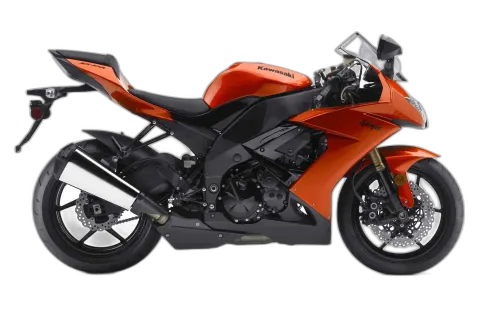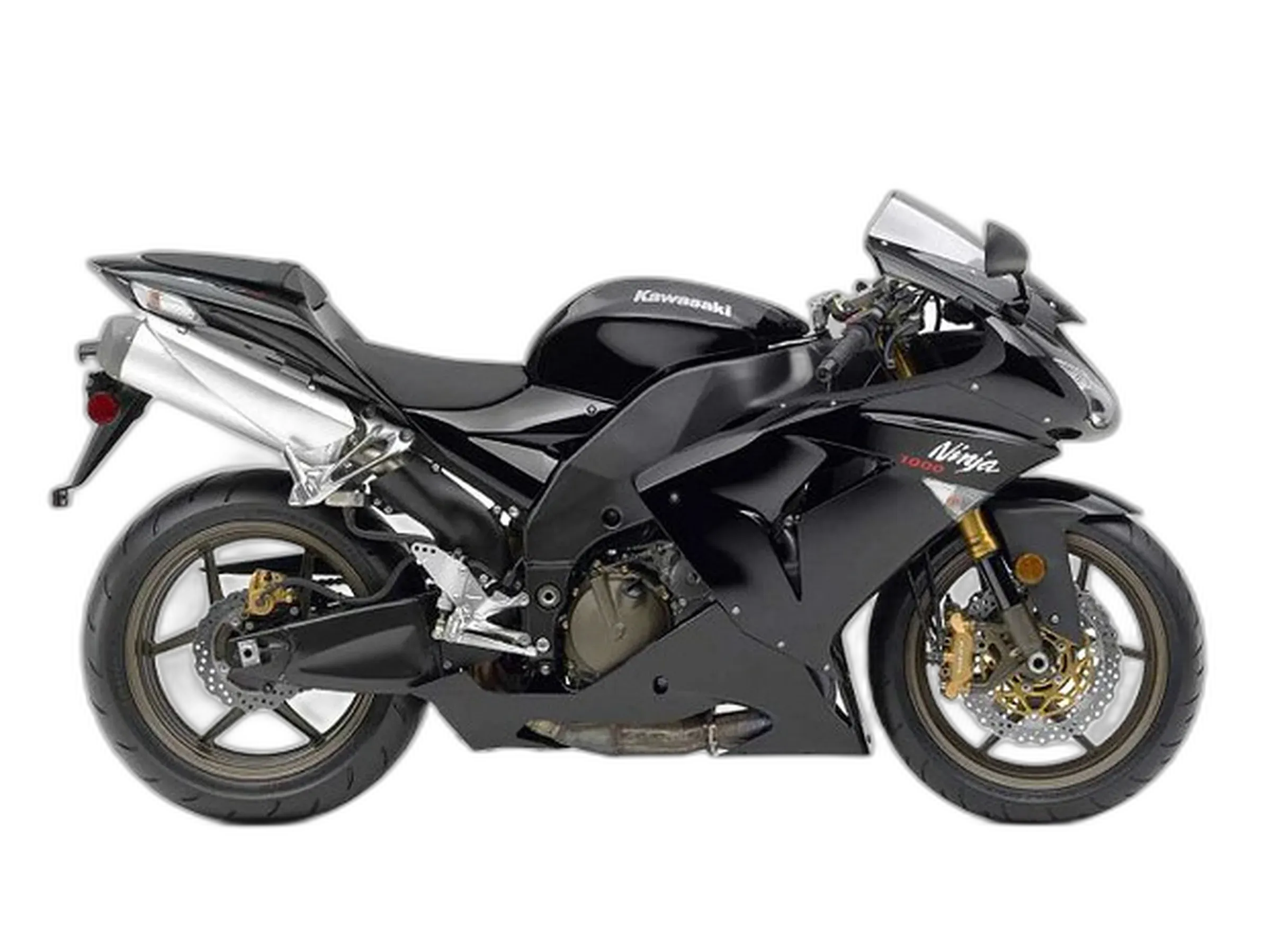
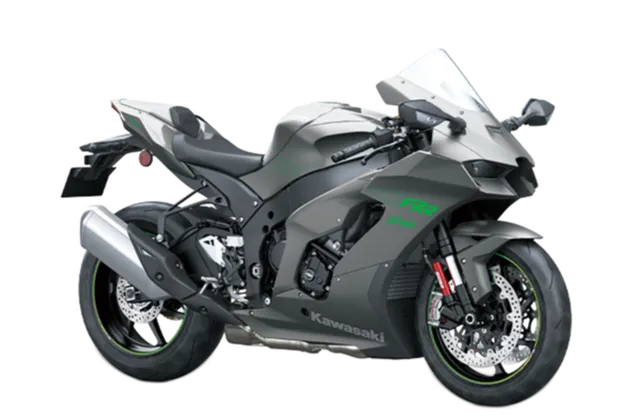
Kawasaki Ninja ZX-10R (ZXT00D) — Supersport
NastyNils / Kawasaki Press

2006–2007 · Supersport · Buyer's Guide

Ninja ZX-10R (ZXT00D)

175 Horses You Can Actually Use

The Machine's Character

The ZX-10R runs a 998 cc inline-four that makes 175 hp at 11,700 rpm and 85 lb-ft at 9,500, and it keeps pulling to the sky before it's finished. Fueling is clean and the power arrives in a way you can actually put to use, so the top end reads as a reward rather than a threat. This is a liter-class supersport built to keep its potential within reach. There are no ride modes, no electronic net between your right wrist and the rear tire. What you get instead is a direct, mechanical connection and a chassis that changes direction with less muscle at the bars than the spec sheet suggests.

On the road it's a stable, roomy liter bike that rewards smooth inputs and hands back honest feedback through the chassis. It suits an experienced rider who wants real performance without a computer running the show, and who has the patience to set it up properly. That's the caveat, and it's a real one. The suspension is fiercely sensitive to changes, and the front will run wide at the limit if the setup drifts. Age brings two things to watch: the valve spring retainers can crack under sustained high-rpm use, and the stator and rectifier/regulator tend to fail somewhere around 15,000 to 20,000 miles. Buy one that was maintained by someone who understood it.

Hard Numbers

Spec sheets don't ride bikes, but they set the baseline.

Show full specs & equipment Hide specs & equipment
Key specifications
Power 175 hp (129 kW) @ 11,700 rpm
Torque 85 lb-ft (115 Nm) @ 9,500 rpm
Displacement 998 cc
Engine Inline-four
Cooling Liquid-cooled
Gearbox 6-speed
Final drive Chain
Fork Upside-down (USD)
Front brake 300 mm
Front tire 120/70-17
Rear tire 190/55-17
Wheelbase 54.7 in (1390 mm)
Seat height 32.5 in (825 mm)
Wet weight 386 lb (175 kg)
Fuel capacity 4.5 gal (17 L)
Top speed 182 mph (293 km/h)
Fuel economy 33 mpg (US)

Equipment check

Chassis

  • Front Suspension Adjustable Standard
  • Rear Suspension Adjustable Standard
  • Steering Damper Standard

The Voice of Experience

Portrait of NastyNils

The test ride

Two full days at pace and what stays with you is how planted it feels once you're locked into it. The reshaped tank and frame flanks give your thighs something real to brace against, and there's room to hold on with your arms without bearing down on the bars. Find that position and you ride from the hips instead of fighting the front end. The brakes wear no famous name on the calipers, yet they load your forearms lap after lap. What surprised me most was what wasn't there. The old reputation for biting back is gone, and you stop white-knuckling and start riding. Off slower corners the front goes light and the bars give a small shimmy, which is exactly why the steering damper earns its place. Serious hardware, just no longer the kind you wrestle.

Rated point by point — where it earns its keep

My own 0–100 score for this bike against the class, area by area — the marker on each bar is the class average.

What defines this chassis is how narrow the window really is. The balance between quick turn-in and high-speed composure sits right at the ragged edge of what the geometry allows, and the whole package is wound so tight that a different tire or a different shock can shove it into territory you can't predict. That makes setup work race-team stuff: tiny increments, methodical notes, and the patience to change one variable at a time. Get it right and the bike is sharp and settled at once. Treat it casually and it turns squirrelly on you. This is not a machine you sort out in an afternoon, and that single reality shapes how it either rewards or punishes whoever's behind the bars.

Ride it at a normal clip and nothing about the way it puts power down stands out. Wind it all the way to full track speed and the interesting part shows itself: the rear finds drive predictably, giving up grip in a smooth, gradual arc instead of snapping sideways on you. That composure lets you lean on the throttle earlier than you'd expect from a liter bike, and it's a big reason the rear tire survives a hard day rather than getting shredded.

Earlier ZX-10Rs earned a genuine reputation for punishing the people who threw a leg over them. I spent two full days at track pace waiting for that intimidation to surface, and it never did. Make no mistake, this is still serious hardware with real performance on tap, but it no longer asks you to grit your teeth and simply survive it. Kawasaki didn't soften the machine. They made it something an experienced rider can actually get down to using.

The calipers carry no famous logo, and I stopped caring about that by the second session. The bite point lands in the same spot every lap of a long run, and the stopping force is strong enough to leave your forearms sore by the end of the day. Better yet, you can stay hard on the front while the bike is leaned right over and use it to tighten or open your line, with nothing trying to pick the machine up underneath you.

The reshaped tank and frame flanks finally give your legs something to lock onto, with enough room to hang on through your arms without pouring your weight into the bars. Settle into that and the bike calms down under you. The footpegs undercut it, though. There's no height adjustment, so a long-legged rider ends up carrying too much through the hands instead of the feet, and that steadily drains you across a session.

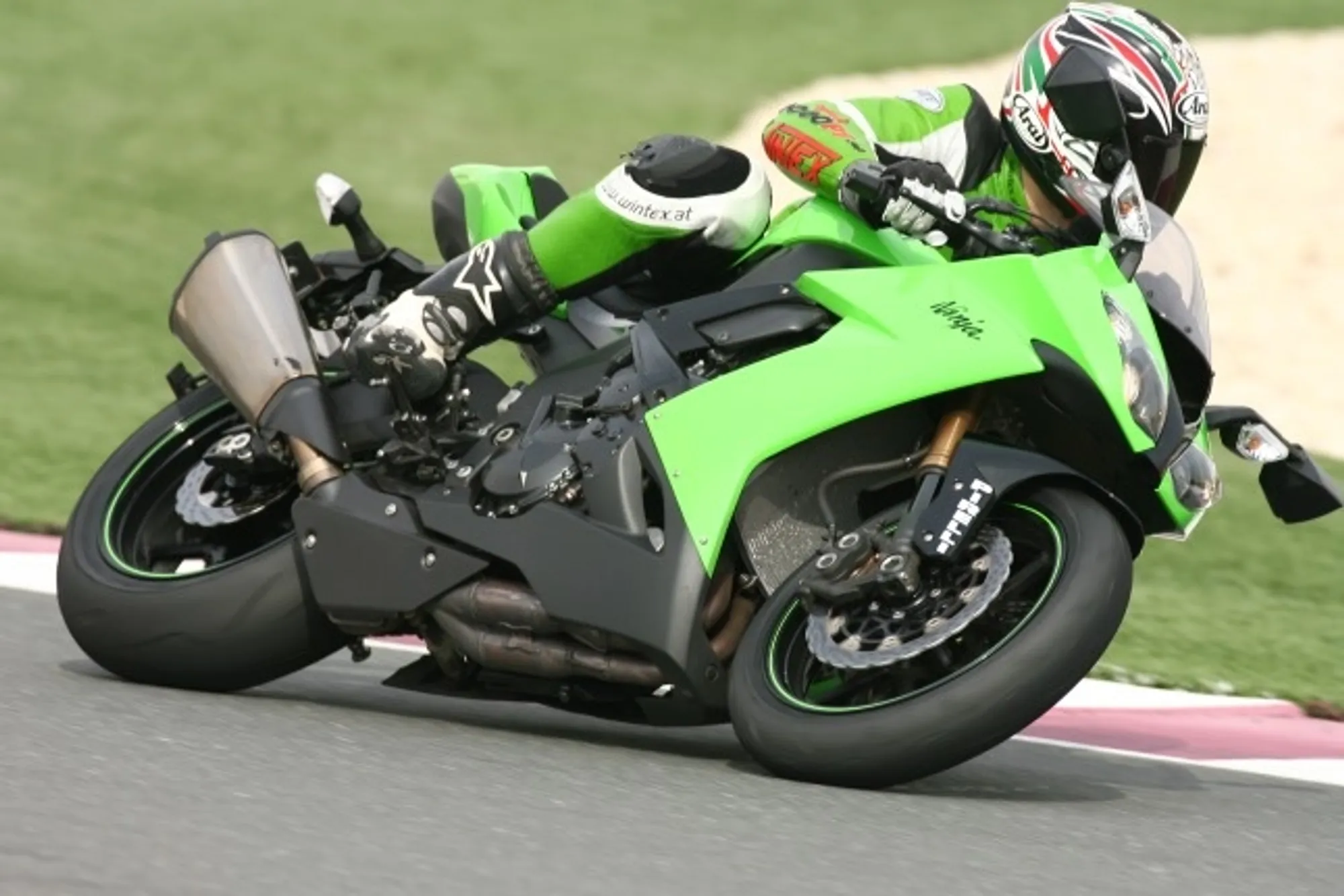
NastyNils riding a Kawasaki ZX10R in striking lime-green livery on a professional racetrack, leaning through an aggressive high-speed right-hander with knee-down lean angle. Full leathers, full-face helmet. Tarmac track with painted curbing and green grass runoff visible. Daylight, clear conditions, professional track environment.
NastyNils / Nastynils.com
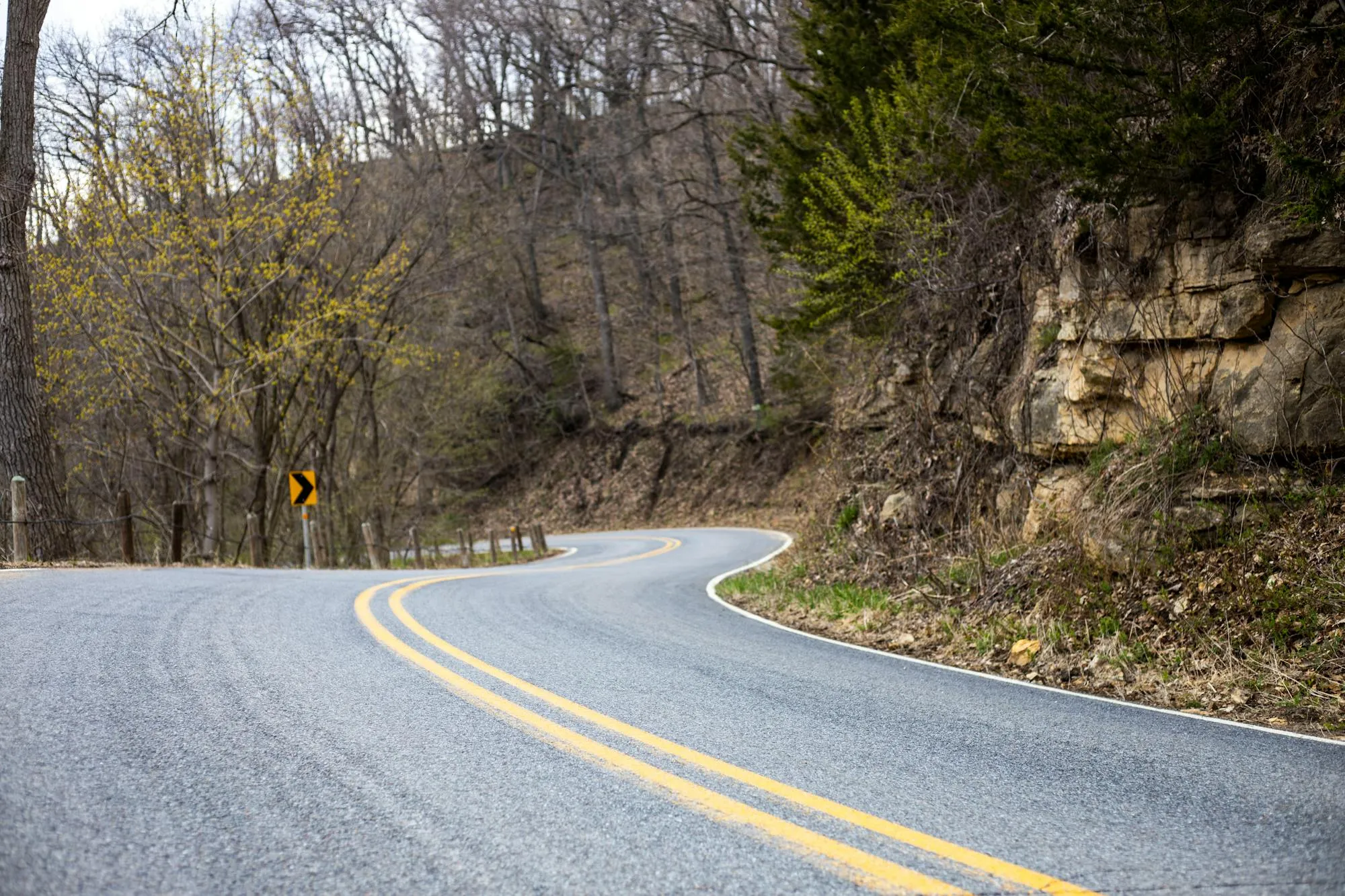
A winding two-lane asphalt road in the Appalachian mountains, photographed in dry daylight. Yellow double-center line markings guide through a series of tight left-hand curves. Dense deciduous and evergreen forest flanks both sides; a rock cut is visible on the right. The road surface and geometry suggest a technical, high-traffic riding corridor popular with motorcyclists.
Chris Flaten / Pexels

The Truth on the Street

Over the years I've kept an ear on what ZX-10R owners actually say: the long threads riders trade, paddock talk, owner chats, and the emails and messages sent straight to me. Pool all of it and a clear pattern falls out for this D-model. Riders rate the engine and the running costs, and split over the steering and the looks.

Fast, tough, and cheap to buy

Riders are near-unanimous on the top end: the inline-four screams and still feels quick by today's standards. Two more themes recur. Many owners flag how cheap the D-model goes used, its tarnished reputation putting liter-class pace within middleweight money. And the bottom end has a name for toughness, plenty of bikes racking up high miles once the valve clearances are kept in check.

Heavy steering and an awkward tail

The steady complaint is steering effort. In stock form riders say it takes more muscle to turn than its rivals and feels a bit agricultural in quick direction changes, something many cure with aftermarket parts. The twin underseat silencers draw fire too, adding weight up high and giving the tail a clumsy, wheelbarrow look that divided opinion. A smaller group reports inconsistent brakes: long lever travel and weak initial bite until the calipers are bled or swapped.

Known issues

  • Valve spring retainer cracking

    engineoccasional

    The OEM valve spring retainers are thinner and may crack under high RPM use, potentially causing valve train failure. Hard riding and loose valve clearances increase the risk. Upgrading to later generation (2008+) OEM or aftermarket titanium retainers is recommended.

  • Stator and rectifier/regulator failure

    electricscommon

    The original stator and rectifier/regulator are known weak points, commonly failing between 15,000–20,000 miles. A failing stator can cause charging system issues and, if unchecked, may damage the battery or other electrical components.

The Expert Benchmark

Where this Kawasaki Ninja ZX-10R pulls ahead of — or falls behind — its rivals on the numbers, and the typical bike in its class on character.

What kind of bike this is — character vs. the class

This bike Class average

The shape of the Kawasaki Ninja ZX-10R — numbers and character vs. the average Supersport

Head-to-head: Kawasaki Ninja ZX-10R vs. its rivals

The Handshake Score

Forget spec-sheet bragging. Here's who the Ninja ZX-10R is actually built for.

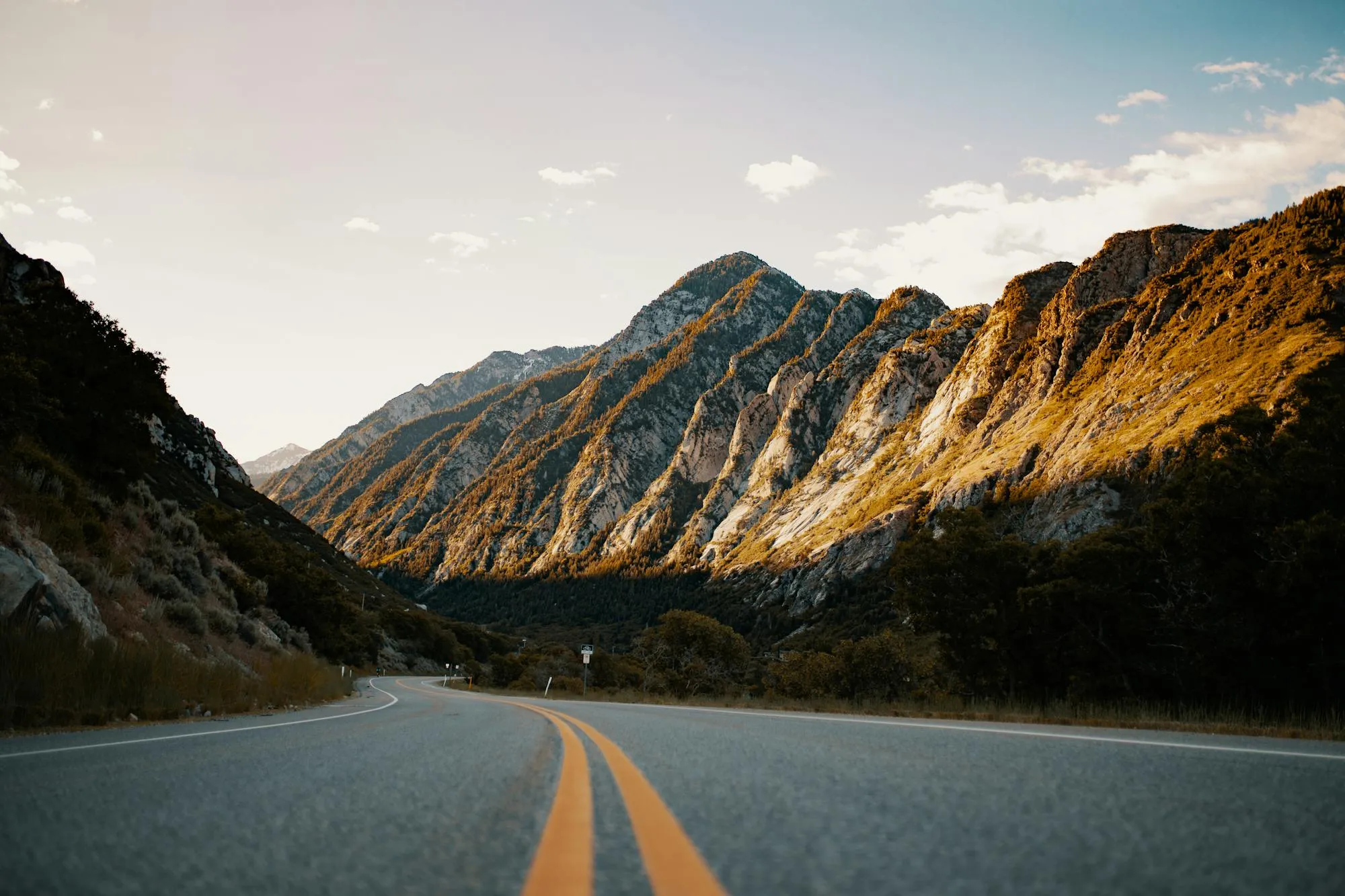
A scenic view of Angeles Crest Highway winding through rugged Southern California canyon terrain. Rocky mountainsides with golden earth tones frame the asphalt road with tight sweeping curves. Double yellow center line visible, sparse vegetation along the shoulders, clear blue sky with white clouds. Daylight, dry conditions. Iconic location for canyon-road enthusiasts.
Josh Sorenson / Pexels

Best motorcycle for Laguna Seca?

This is your kind of tool. It brakes deep, holds a line, and rewards precise inputs on a closed circuit. Learn its setup discipline and it will chase apexes with you all day.

Made for Barber Motorsports Park · WeatherTech Raceway Laguna Seca · Circuit of the Americas
Best motorcycle for Angeles Crest?

On Angeles Crest it's fast and planted, but it's a serious liter bike with no safety net. Ride within your skill, keep the setup honest, and the good roads come alive.

Made for Angeles Crest Highway · Coronado Trail / US 191 · Highway 1 / Big Sur

Best motorcycle for Tail of the Dragon?

Good for skill work in the tight stuff. It changes direction with less effort than you'd expect and gives clear feedback, so long as you respect the setup and the light front on slow exits.

Made for Back of the Dragon · Blue Ridge Parkway · Cherohala Skyway