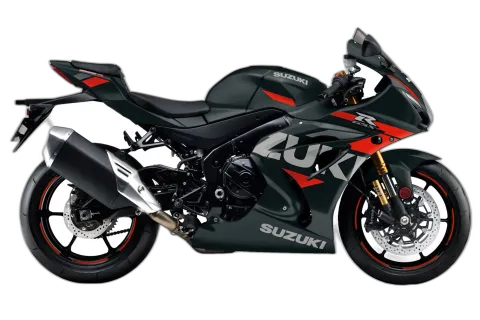

Suzuki GSX-R 1000 (K7) — Supersport

2007–2008 · Supersport · Buyer's Guide

GSX-R 1000 (K7)

The Slab That Carves

The Machine's Character

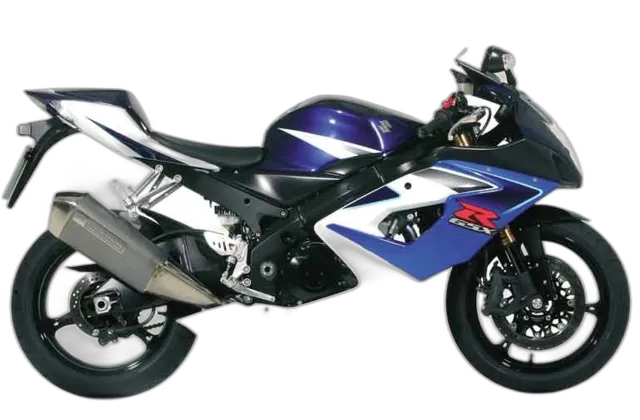
The K7 is the GSX-R1000 that traded a sliver of the old explosive grunt for a broader, higher-revving 999cc inline-four. It still makes 178 hp, but the real story here is usability. A three-mode power selector (A, B and C) lets you take the bike from full-race sharpness down to something close to a 600 when the pavement turns cold or greasy. Underneath sits a planted aluminum twin-spar chassis, fully adjustable suspension, and an electronic steering damper that earns its keep. A stock slipper clutch rounds it out. This is a liter superbike built to be fast without making you fight for it.

On the road it rewards a wide-open throttle and stays composed where rougher liter-bikes get nervous. The mid-range still pulls hard on corner exit, exactly where a weekend rider actually uses it, even if it's trimmed back a touch from the K5/K6. That makes it a fit for a skilled canyon or track-day rider who wants genuine performance without a hair-trigger temper. Two honest notes before you buy. The bike looks wider and heavier than it rides, so don't let the slab-sided bulk fool you. And a fresh set of brakes needs a few sessions to bed in before they pull with full confidence. Plan for both, and it ages into a deeply capable machine.

Hard Numbers

Spec sheets don't ride bikes, but they set the baseline.

Show full specs & equipment Hide specs & equipment
Key specifications
Power 178 hp (131 kW) @ 12,000 rpm
Torque 86 lb-ft (117 Nm) @ 10,000 rpm
Displacement 999 cc
Engine Inline-four
Bore × stroke 74 × 58 mm
Compression 12.5:1
Cooling Liquid-cooled
Fuel system Fuel injection
Gearbox 6-speed
Final drive Chain
Frame Aluminum twin-spar
Fork Upside-down (USD)
Front brake 310 mm
Rear brake 220 mm
Front tire 120/70 R17
Rear tire 190/50 R17
Wheelbase 55.3 in (1405 mm)
Seat height 31.9 in (810 mm)
Wet weight 379 lb (172 kg)
Fuel capacity 4.6 gal (17.5 L)
Top speed 186 mph (299 km/h)
Fuel economy 32 mpg (US)

Equipment check

Chassis

  • Front Suspension Adjustable Standard
  • Rear Suspension Adjustable Standard
  • Steering Damper Standard

Drivetrain

  • Slipper Clutch Standard

Safety

  • Ride Modes Standard

The Voice of Experience

Portrait of NastyNils

The test ride

Swing a leg over and the first surprise is how small it feels. The seating position is deep and compact, and your knees tuck into the tank tighter than the bodywork's visual bulk suggests. Everything closes in around you. The gearbox is a quiet highlight, with short throws and crisp, exact engagement every time you tap up or down. At parking-lot speed the steering damper sits light and the bike is easy to wheel around. Let the pace build and it firms up on its own, settling the front without any nervousness over patched pavement. The cockpit keeps you informed with gear position and the active power map both visible at a glance, which matters when the stock gearing runs a touch long through tighter corners.

Rated point by point — where it earns its keep

My own 0–100 score for this bike against the class, area by area — the marker on each bar is the class average.

The chassis follows intent in a way earlier GSX-Rs never managed. Loaded up and leaned over, I can throw it from one side to the other through a set of esses and it just goes, no argument. The electronic damper is the quiet hero here: nearly absent when I'm wheeling it around slow, firming progressively as the pace climbs, and when the front skips up and lands it settles the load without a sound. No bolt-on hydraulic unit I've run does that job better. The slipper clutch backs all of it up, and it's standard kit now rather than a costly aftermarket chase.

Park this thing and your eyes will lie to you. It reads big and wide, the sort of silhouette you'd bet pushes wide and turns slow. Then you ride it, and the agility you find has nothing to do with the photo. I keep having to recalibrate what the shape promises against what the bike actually delivers once it's moving and changing direction under me.

What keeps surprising me about this motor is how much of its spread you can actually put to work. On a frozen track I'll start in Map C, which softens everything down toward small-bike manners, run three laps to bank some heat into cold rubber, then flip up and let the full engine wake. The response never asks for a warm-up window. The instant I call for drive it answers, even in air sitting near freezing, with none of the stumble those conditions should produce. And the part I lean on hardest lives in the middle of the rev range, where it loads up and pulls precisely as I'm picking the bike up off a slow corner and feeding in gas. Weekend racers have made their case for this engine on that punch for years, and nothing about the K7 walks it back.

One honest caveat from my time on a fresh example: new pads and rotors take their time seating. The bike made that plain at the end of the long straight, where the lever still wanted more than it was giving early on. If you're trailering a new one straight to a track day, plan on a few sessions before the front pulls with the authority you'll eventually trust. Bed them in properly and the bite shows up.

The one line item I'd flag before you sign sits in the ownership math, not the mechanicals. The stock exhaust comes off nearly every one of these bikes, so a slip-on reads as planned spending rather than a maybe-someday upgrade. Fold its cost in from the first day you own the bike and the running total stays honest. Leave it out and you're kidding yourself about what the thing really costs to run.

Settle into it and the bike shrinks around you. The saddle sets you low and deep, more into the machine than perched on top of it, and the knee grip is tighter than I'd have guessed before throwing a leg over. For a liter bike wearing this much bodywork, the riding triangle feels compact and connected, the kind of fit that puts your weight where you want it without making you work to find the spot.

On a tight, technical layout the display earns its place. Both the gear I'm in and the map I've selected sit right in front of me, so when the stock gearing runs tall and I'm rowing through the box more than the corners really ask, I'm never hunting for which ratio I left it in. That certainty keeps my head in the braking zone instead of doing math on the dash.

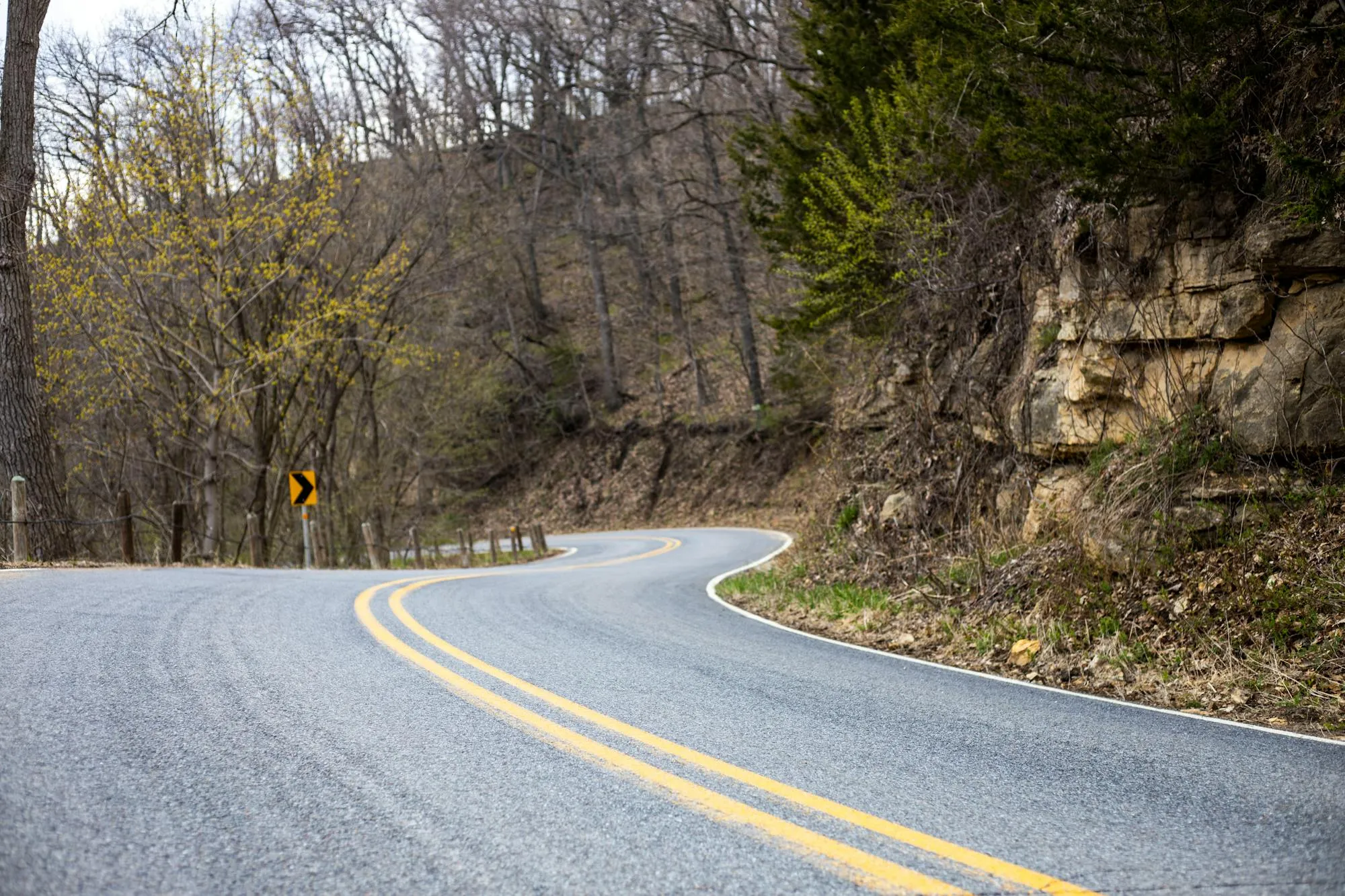
A winding two-lane asphalt road in the Appalachian mountains, photographed in dry daylight. Yellow double-center line markings guide through a series of tight left-hand curves. Dense deciduous and evergreen forest flanks both sides; a rock cut is visible on the right. The road surface and geometry suggest a technical, high-traffic riding corridor popular with motorcyclists.
Chris Flaten / Pexels

The Truth on the Street

For close to two decades I've kept an ear on what GSX-R1000 owners actually tell me, in paddock conversations, in the long back-and-forth of owner chatter, and in the emails and messages riders send straight to me. The pattern on the K7 is consistent: most riders find it genuinely fast in a way they can put to use, with a small set of honest gripes that surface again and again.

Fast you can actually use

What comes up most is how reachable the speed feels. Riders consistently say the ergonomics sit easier than some rivals, and the power builds smoothly enough that even less seasoned hands can lean on it without getting bitten. The engine draws steady praise up high, pulling strong at big rpm and rewarding anyone willing to chase the top of the rev range.

The gripes that keep surfacing

The recurring complaint is mid-range. Plenty of owners feel the K7 gave up some of the low and mid-rev punch earlier versions carried, the price of reaching for headline top-end. A handful add that the suspension wants patient setup, since the wide adjustment range can leave the steering slow or twitchy when it isn't dialed in right. A few also mention the hydraulic clutch fluid boiling under hard use.

Known issues

  • Safety Recall: Idle Speed Control (ISC) Valve

    enginevery commonRecall

    The ISC valve may not return to the correct start-up position, causing dangerously high idle speeds (up to 5000 RPM) on start-up and difficulty controlling the motorcycle. This was a mandatory safety recall (NHTSA #07V362) affecting all 2007 GSX-R1000 models.

  • Safety Recall: Front Brake Master Cylinder

    brakesvery commonRecall

    Over time, the brake master cylinder piston can corrode due to neglected brake fluid changes, leading to gas accumulation and a spongy lever feel, potentially extending stopping distances. This recall (NHTSA #13V-417) covers all 2005-2013 GSX-R1000 models and requires replacing the master cylinder with an updated design.

  • Cam chain tensioner failure

    enginerare

    The hydraulic cam chain tensioner can fail, especially on high-RPM deceleration, leading to timing chain slap and, in severe cases, engine damage if the chain jumps teeth.

  • Throttle Position Sensor (TPS) faults

    fuel systemoccasional

    Some bikes develop a fluffiness or erratic idle due to a failing throttle position sensor; this can cause the engine to cut out or refuse to rev past 8000 rpm.

The Expert Benchmark

Where this Suzuki GSX-R 1000 pulls ahead of — or falls behind — its rivals on the numbers, and the typical bike in its class on character.

What kind of bike this is — character vs. the class

This bike Class average

The shape of the Suzuki GSX-R 1000 — numbers and character vs. the average Supersport

Head-to-head: Suzuki GSX-R 1000 vs. its rivals

The Handshake Score

Forget spec-sheet bragging. Here's who the GSX-R 1000 is actually built for.

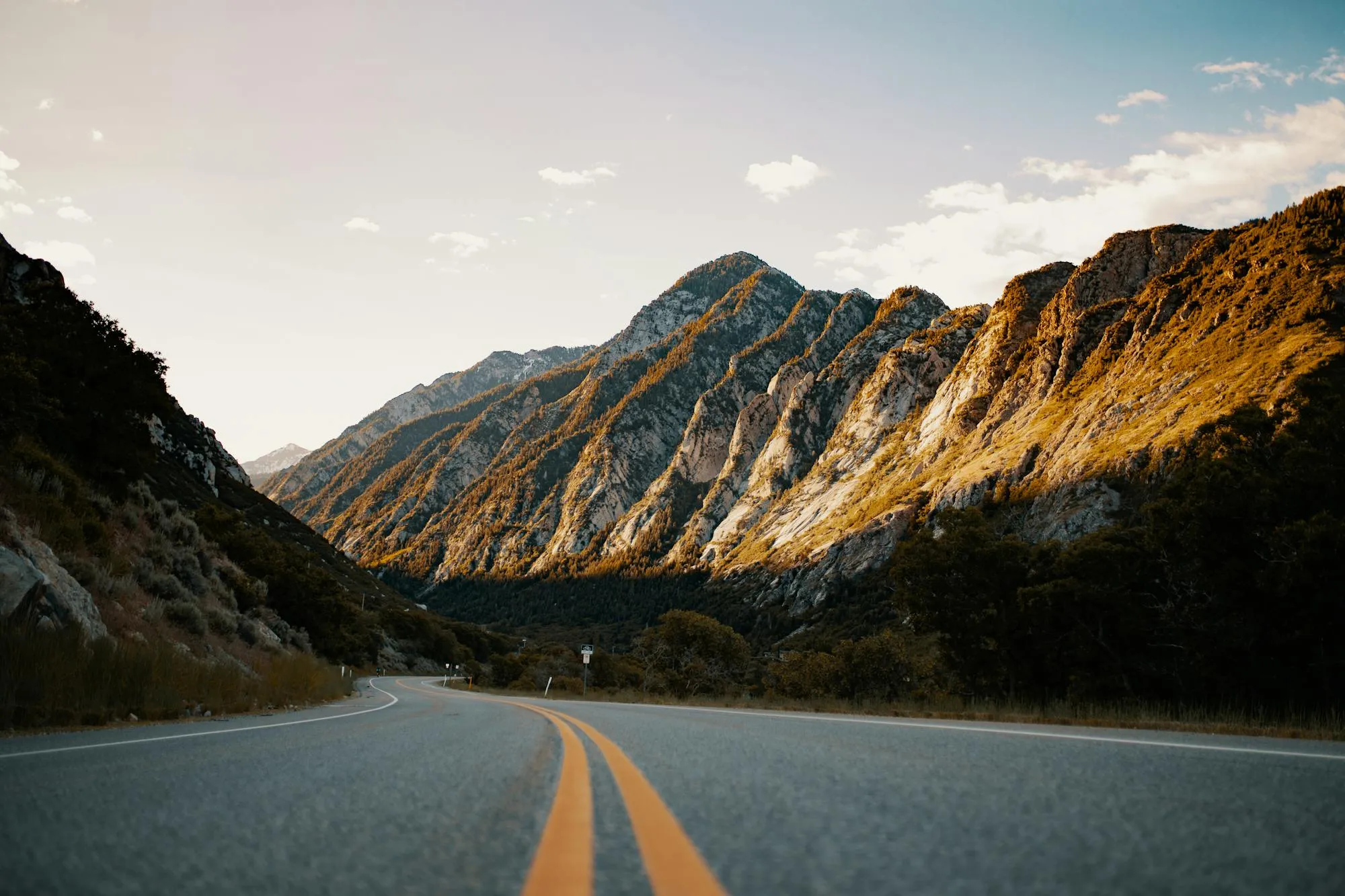
A scenic view of Angeles Crest Highway winding through rugged Southern California canyon terrain. Rocky mountainsides with golden earth tones frame the asphalt road with tight sweeping curves. Double yellow center line visible, sparse vegetation along the shoulders, clear blue sky with white clouds. Daylight, dry conditions. Iconic location for canyon-road enthusiasts.
Josh Sorenson / Pexels

Best motorcycle for Angeles Crest?

If you're chasing Angeles Crest on the weekends, this fits. It turns quicker than it looks, the mid-range pulls hard off slow corners, and Map C keeps it honest when the pavement is cold or dirty.

Made for Angeles Crest Highway · Coronado Trail / US 191 · Highway 1 / Big Sur
Best motorcycle for Laguna Seca?

For closed-course apex work it's a strong, planted platform with huge lean clearance and feedback you can trust. Just know it has no traction control, so throttle discipline is on you.

Made for Barber Motorsports Park · WeatherTech Raceway Laguna Seca · Circuit of the Americas

Best motorcycle for Tail of the Dragon?

On Tail of the Dragon and the Blue Ridge twisties it shines: light to flick, composed over bumps, and the gear and map readout helps when the long gearing has you hunting through tight corners.

Made for Back of the Dragon · Blue Ridge Parkway · Cherohala Skyway

Alternatives to the Suzuki GSX-R 1000

If this one isn't quite the fit, these are the bikes worth riding back-to-back against it.

Any price note compares both bikes at the same age — the youngest age both have on the used market — against this Suzuki GSX-R 1000. “cheaper/pricier” is what that bike costs second-hand, not how worn it is.