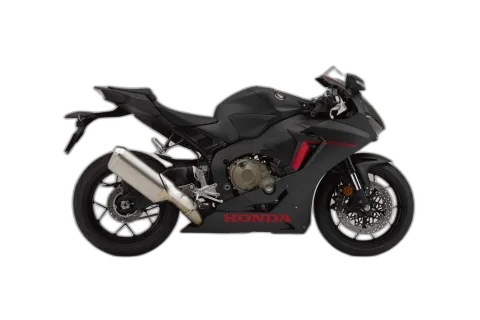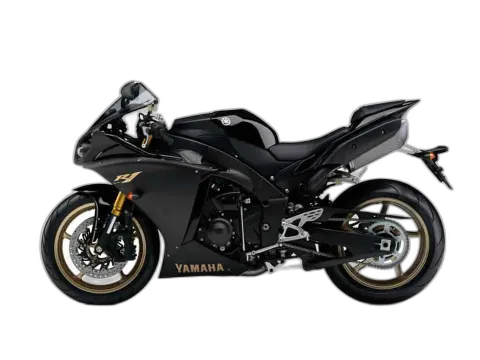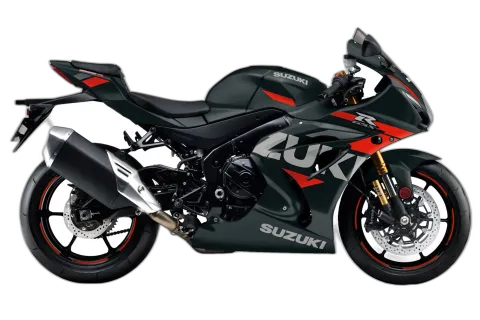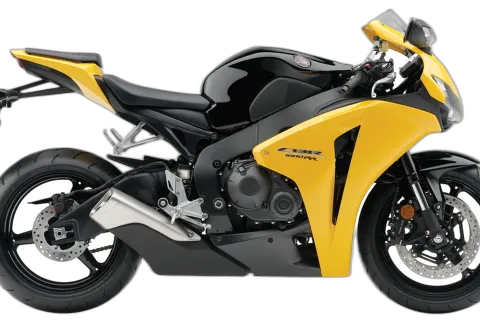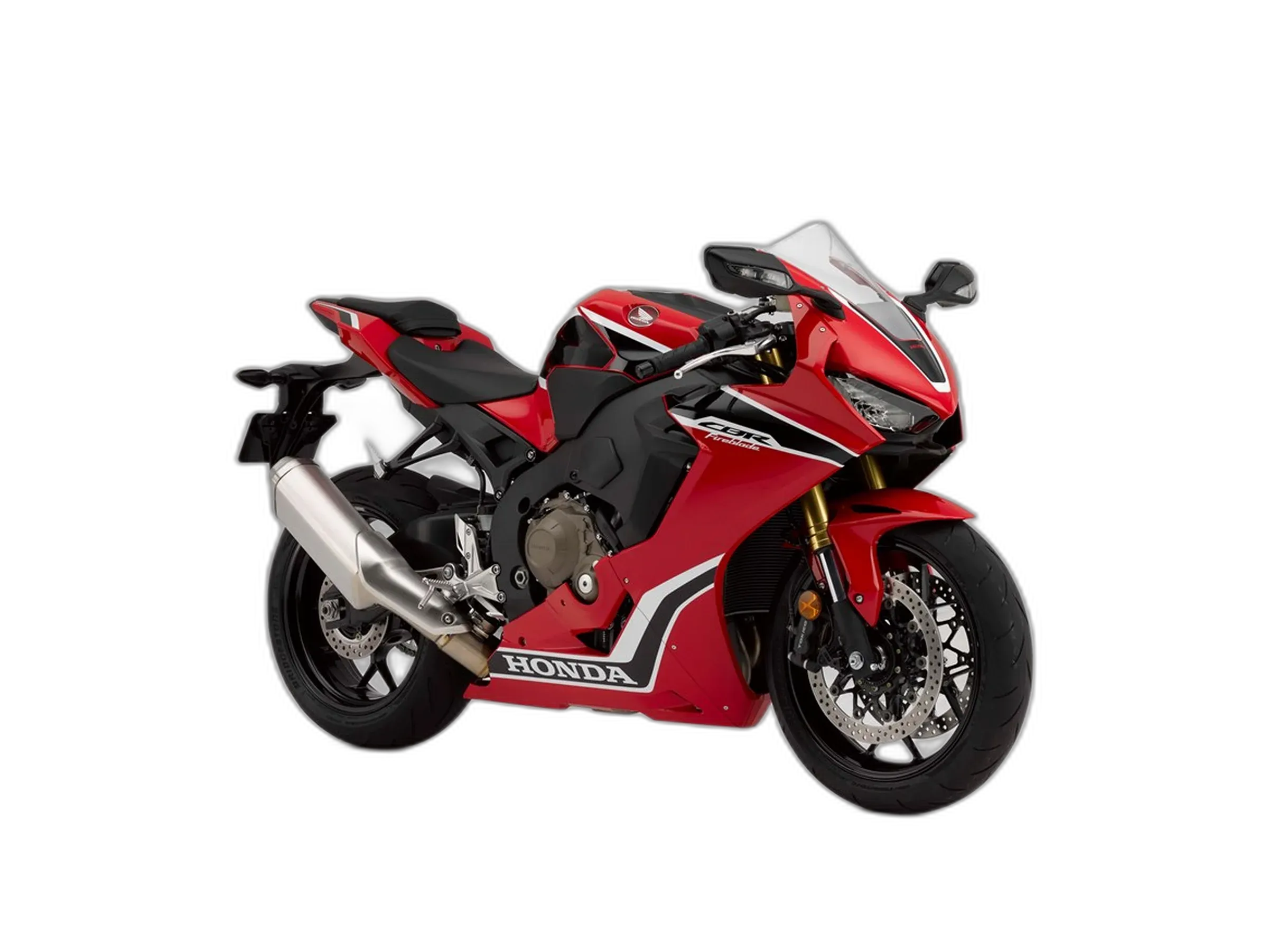


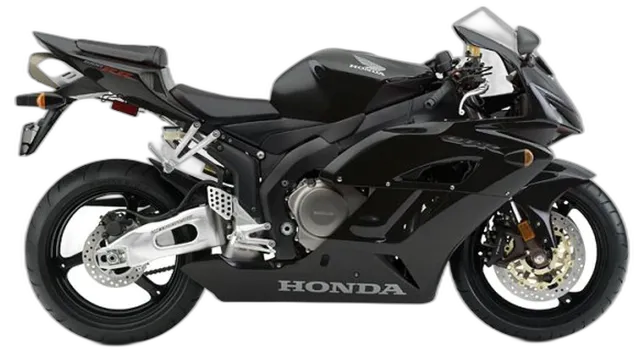
Honda CBR1000RR Fireblade (SC 59) — Supersport
NastyNils / Honda Press

2008–2016 · Supersport · Buyer's Guide

CBR1000RR Fireblade (SC 59)

Mid-Range Monster, Track-Ready Stability

The Machine's Character

The SC59 Fireblade was built around a single idea Honda called Total Control: make the potential usable instead of chasing the biggest headline number. The 1000 cc inline-four puts out 178 hp, but the real story is the 83 lb-ft of midrange, where the torque arrives clean and early in the exact rev zone you live in exiting a corner. At 443 lb wet it's genuinely light for a literbike, and the electronic steering damper stays soft in a parking lot, then firms up the moment speed and a bump ask for it. The result feels intuitive instead of intimidating.

On the road and the track this reads as the approachable literbike, a chassis that welcomes riders well outside the expert tier and still rewards the fast ones. Build quality is high and reliability is strong, though the charging system deserves a watchful eye: regulator/rectifier and stator failures are the known weak points, along with a cam chain tensioner that can get noisy at startup. The honest caveat is the electronics package. There's no traction control, and peak power runs short on a long straight. If your yardstick is top-end horsepower, look elsewhere.

Hard Numbers

Spec sheets don't ride bikes, but they set the baseline.

Show full specs & equipment Hide specs & equipment
Key specifications
Power 178 hp (131 kW) @ 12,000 rpm
Torque 83 lb-ft (112 Nm) @ 8,500 rpm
Displacement 1000 cc
Engine Inline-four
Cooling Liquid-cooled
Gearbox 6-speed
Final drive Chain
Fork Upside-down (USD)
Front brake 320 mm
Front tire 120/70 ZR17
Rear tire 190/50 ZR17
Wheelbase 55.5 in (1410 mm)
Seat height 32.3 in (820 mm)
Wet weight 443 lb (201 kg)
Fuel capacity 4.7 gal (17.7 L)
Top speed 180 mph (289 km/h)
Fuel economy 36 mpg (US)

Equipment check

Chassis

  • Front Suspension Adjustable Standard
  • Rear Suspension Adjustable Standard
  • Steering Damper Standard

Drivetrain

  • Slipper Clutch Standard

Safety

  • ABS Optional

The Voice of Experience

Portrait of NastyNils

The test ride

Swing a leg over and the first surprise is how compact it feels, narrow between the knees, with the seat at 32.3 in never reading as tall. The clutch pull is light enough that a long traffic crawl or back-to-back track sessions never make your left hand the limiting factor. Shorter riders settle in immediately. If you're tall, the footpegs sit high and forward and start loading your knees over a long day, with no adjustment to fix it. The styling is quiet for the class, clean bodywork with none of the usual visual drama, and the oversized rear turn signals are the first thing most owners bin. On a country-road run the miles just stack up: it pulls cleanly, sits planted, and asks almost nothing of you. Even the stock exhaust looks good enough to leave alone.

Rated point by point — where it earns its keep

My own 0–100 score for this bike against the class, area by area — the marker on each bar is the class average.

Where the chassis earns its keep is under power and on the drive. Wind it out of a left-right combination and it pushes hard without a wobble or a wander, just clean forward pull. Even when I carried far too much speed into a complex corner, I could still tuck to the inside line I'd picked; the engine hands you more than you need, but it never fights the arc you've chosen. Honda made this generation noticeably more responsive than the one before it and somehow kept the precision intact, and that pairing is what lets you turn the extra power into lap time instead of just wrestling it. A rough patch sitting right in the middle of one left-right transition never upset it either. I'll be honest about the day it didn't come good, though. At one track test the crew worked at the setup from morning to night and never found a window, which is unusual, because everything else in the field sorted itself out long before the flag. Without a real baseline the Honda rode doughy and imprecise, and the crisp balance and steering snap it normally carries simply weren't there. Maybe the tire didn't suit the geometry, maybe the circuit didn't play to its strengths, maybe we missed the window outright. We left without a clean answer, and I won't pretend we didn't.

Judge this bike by what it does when conditions turn against you and it looks very good. Cold air, a wet surface, a circuit I'd never seen, and I was still quick, still safe, and still climbing off satisfied. That comes from a machine that answers every input honestly, which stops being a talking point and becomes the only thing that matters when the track is trying to catch you out. The top-end pace is genuine, too, but you have to go and get it. The fastest, most speed-hungry rider in our group put in a lap that quietly shut down the doubters, and the lesson was plain: the ceiling is real, it just asks more of you to reach than some of the competition does. That's the real shape of it. It rewards the rider who keeps working. And once you've spent proper time with it, going back to something that argues with you feels wrong.

The brakes surprised me, and the surprise held up across two very different worlds. On a soaked, downhill braking zone at Portimao I could haul it down on full faith, the way you'd only dare on a bone-dry track, and when a dry patch mid-stop suddenly fed the front full bite, the system caught the rear before it could lift. What sells it is the lever. The pressure you feel is generated by actuators rather than a straight hydraulic line, yet Honda calibrated it so cleanly that I never once reached for a sensation that wasn't there, and when the system does step in there's no pumping or chatter at your hand, just continued slowing. The anti-hopping clutch is tuned medium rather than race-clean, so it holds enough rear pressure for smooth, controlled slides on a hard stop without you ever touching the rear brake. Stomp it and the whole chassis settles and tracks dead straight, even carried into a lean. The real gift shows on ground you don't know: I stopped shorter from the first attempt, no calibration runs, and a hard transition off loose sand onto clean asphalt passed without a single correction. The limits are honest, though. Initial bite is soft, built gradually rather than grabbed at the top of the stroke, so track riders will fit better pads. Deliberate stoppies and locked-rear tricks are off the menu. And a panic grab at full lean will still put you down. It gets you measurably closer to the edge before it intervenes, but it cannot move the edge itself.

What I keep coming back to on this motor is the throttle. Crack it open in the smallest increment you can manage and the rear gets torque at exactly that rate and no more, which sounds unremarkable until you're on a streaming-wet track where any over-delivery ends your day. That linear metering is what kept me on the bike when the grip was marginal. Against louder, punchier engines it reads as plain, and I understand why some riders want more drama, but the honesty of the response is the whole point. The revised cooling matters too. The older bike ran hot enough under sustained hard use to bleed off power, and shifting that heat away more efficiently means more of the rated output actually stays on tap deep into a session. A pro racer who'd lived with the old bike's temperatures confirmed it back to back. It's a cultured, dependable delivery you can lean on across a wide spread of tracks and conditions.

What stuck with me here is how sorted it arrived. This was an entirely new brake architecture, the kind of thing that usually spends its first season shaking out gremlins, and yet nobody at the launch found a single fault in how it worked. Journalists and hardened professional racers alike spent the day hunting for a flaw and came up empty. Getting something that complex to run cleanly on the very first day anyone touched it tells you plenty about how it was engineered.

Comfort here is more about being left alone than being pampered. The stock riding position suited most of us straight away, and smaller riders in particular felt at home the moment they settled in. My favorite touch is a small one: the rear shock adjusters all sit within reach while you stand upright beside the bike, so you can dial settings at the track without tools or crawling around on the ground. The flip side is that there's nothing else to fine-tune. If the stock layout doesn't fit your frame, there's no way to move things around, and you simply learn to live with it. For the riders it does suit, though, it stays quietly out of your way over a long day.

The place this bike feels under-equipped is the dash. There's no gear indicator and no lap timer, and both omissions bite in the same situation: deep into a long sweeping corner where you've lost track of exactly which gear you're in, with nothing on the display to remind you. It's a curious gap, because the other Japanese literbikes in this segment fit both as standard, so you notice their absence the moment you go looking. None of it stops you riding hard, and none of it costs you a thing on the road. But if you run track days and like your information laid out in front of you, this is where the Honda asks you to keep more of the job in your own head.

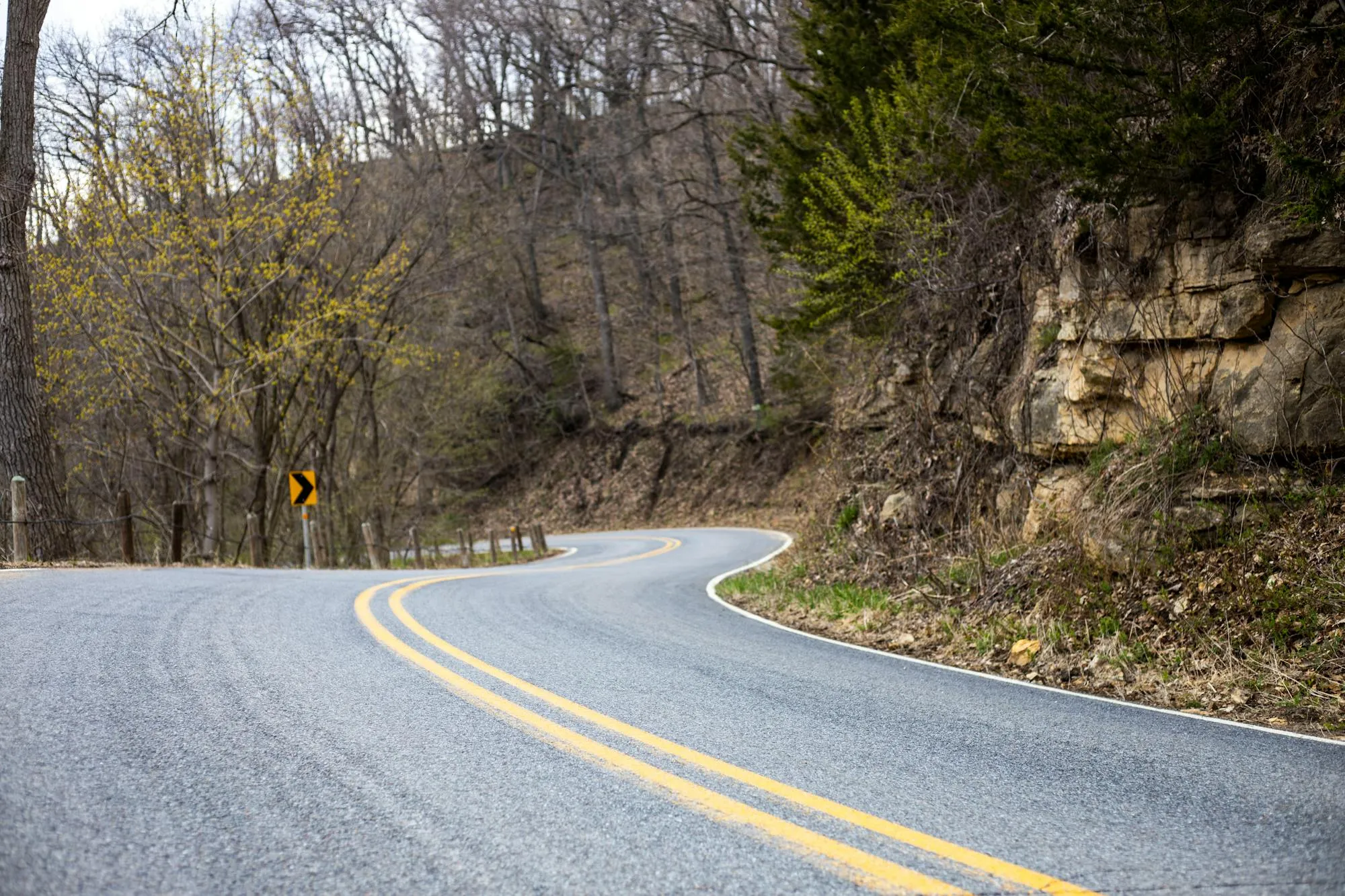
A winding two-lane asphalt road in the Appalachian mountains, photographed in dry daylight. Yellow double-center line markings guide through a series of tight left-hand curves. Dense deciduous and evergreen forest flanks both sides; a rock cut is visible on the right. The road surface and geometry suggest a technical, high-traffic riding corridor popular with motorcyclists.
Chris Flaten / Pexels

The Truth on the Street

I've spent years reading the threads riders start, fielding the questions that land in my inbox, and talking this bike over with owners in the paddock. Line all that chatter up and one shape holds: riders trust how the SC59 handles more than they fault it, and the complaints sit almost entirely on what Honda left off.

The chassis riders trust

The steering draws the most praise. Owners call it neutral and easy to place, with front-end feedback that lets riders short of expert pace feel the tire working. The inline-four earns similar loyalty: linear, predictable power that's easy to use on the drive out of a corner. Long-term reports run the same way, with high-mileage engines and gearboxes staying sound when the servicing is kept current. The standard slipper clutch and electronic steering damper come up often as parts owners are glad Honda fitted.

Where owners want more

The steady complaint is electronics. Riders note there's no traction control, ride modes or quickshifter anywhere across the run, which left the bike feeling dated against the European field by the mid-2010s. Many add that peak power sits under the newer rivals in a straight line. Taller riders, roughly six feet and up, find the riding position cramped over a long day, and owners who chose the optional ABS flag the roughly 22 lb (10 kg) it adds.

Known issues

  • Regulator/rectifier failures

    electricscommon

    The regulator/rectifier is a known weak point, with failures causing battery undercharging or overcharging, typically presenting as no-start conditions or boiled batteries. Aftermarket MOSFET-type replacements (e.g., Shindengen FH020) are a common upgrade.

  • Stator coil failure

    electricsoccasional

    Stator coil failures have been reported, often in conjunction with or as a downstream consequence of regulator/rectifier issues, leading to charging system breakdown.

  • Cam chain tensioner noise/wear

    engineoccasional

    Some examples develop noisy cam chain tensioners, particularly at startup; manual or upgraded tensioners are a common community fix.

  • Fork seal weeping

    suspensionoccasional

    Front fork seals can begin to weep after several years of use, particularly on track-used examples; typical service-item issue rather than a design flaw.

  • C-ABS modulator service complexity

    brakesoccasional

    The Combined-ABS system on equipped models is complex to bleed and service correctly; incorrect maintenance can lead to spongy lever feel or modulator faults. Specialist tools are recommended.

The Expert Benchmark

Where this Honda CBR1000RR Fireblade pulls ahead of — or falls behind — its rivals on the numbers, and the typical bike in its class on character.

What kind of bike this is — character vs. the class

This bike Class average

The shape of the Honda CBR1000RR Fireblade — numbers and character vs. the average Supersport

Head-to-head: Honda CBR1000RR Fireblade vs. its rivals

The Handshake Score

Forget spec-sheet bragging. Here's who the CBR1000RR Fireblade is actually built for.

A scenic view of Angeles Crest Highway winding through rugged Southern California canyon terrain. Rocky mountainsides with golden earth tones frame the asphalt road with tight sweeping curves. Double yellow center line visible, sparse vegetation along the shoulders, clear blue sky with white clouds. Daylight, dry conditions. Iconic location for canyon-road enthusiasts.
Josh Sorenson / Pexels

Best motorcycle for Angeles Crest?

For your Angeles Crest weekends this is a natural fit: light, precise, and endlessly composed as the pace climbs. The forgiving chassis lets you push your line and brake point without it ever biting back.

Made for Angeles Crest Highway · Coronado Trail / US 191 · Highway 1 / Big Sur
Best motorcycle for Tail of the Dragon?

Tail of the Dragon is exactly its element. Keep it in the tight technical stuff where the midrange and light steering shine, and it flatters your skill instead of testing your nerve.

Made for Back of the Dragon · Blue Ridge Parkway · Cherohala Skyway

Best motorcycle for Laguna Seca?

On a trackday it rewards method over bravado. Push your brake points deeper each lap and let the chassis map the limit for you; just accept there's no traction control and the straights won't be its strong suit.

Made for Barber Motorsports Park · WeatherTech Raceway Laguna Seca · Circuit of the Americas

What's new versus the previous generation

If you're cross-shopping the older generation, here's what changed.

Honda CBR1000RR Fireblade (SC 57)

Previous generation · 2004–2007

Honda CBR1000RR Fireblade (SC 57)

172 Horses You Can Actually Use

Compare to the previous model →

Alternatives to the Honda CBR1000RR Fireblade

If this one isn't quite the fit, these are the bikes worth riding back-to-back against it.

Any price note compares both bikes at the same age — the youngest age both have on the used market — against this Honda CBR1000RR Fireblade. “cheaper/pricier” is what that bike costs second-hand, not how worn it is.