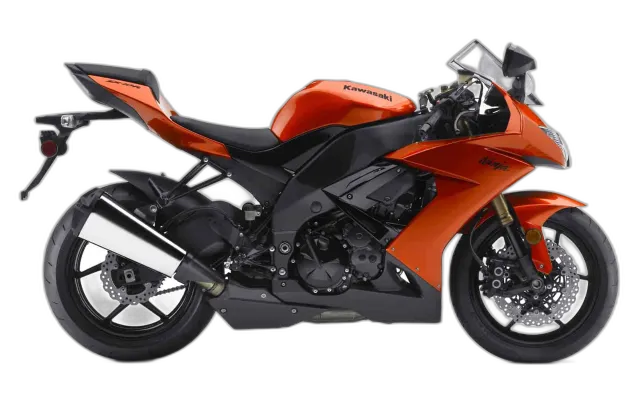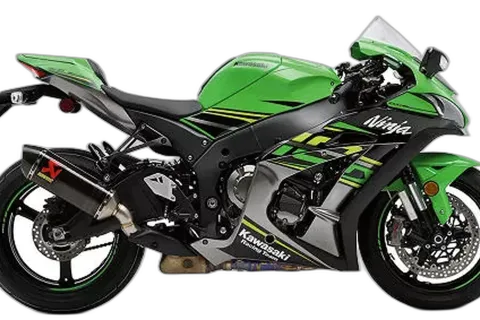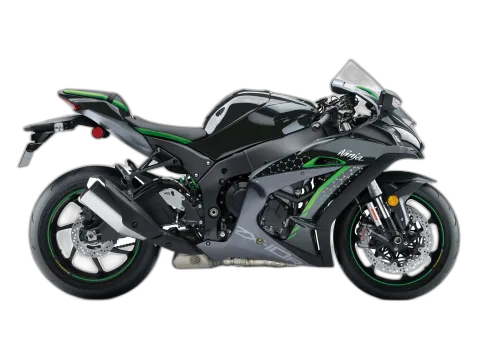
Kawasaki Ninja ZX-10R (ZXT00J) — Supersport
NastyNils / Kawasaki Press

2011–2015 · Supersport · Buyer's Guide

Ninja ZX-10R (ZXT00J)

European Chassis, Japanese Iron

The Machine's Character

This is the generation where Kawasaki's liter bike stopped chasing and started leading. The 998cc inline-four makes a genuine 200 hp, and the hardware around it matches the intent: standard traction control, plus an Öhlins steering damper developed specifically for this chassis rather than shared across the lineup. What sets the ZX-10R apart isn't any single figure on the sheet. It's the front-end feedback and the way the whole package puts real, measurable distance between itself and the rest of the Japanese field. This one rides at a European level, and the gap isn't marginal.

Ride it hard through a good road section and the confidence holds. This was never a track-only toy, though its priorities are honest about where they lie. The suspension is calibrated for the circuit, so broken pavement gets transmitted straight through to you, and the engine wants revs before it truly pays off. Buy it if you ride fast and value a chassis that talks back. Just know the stock shock and factory tires undersell the machine, ABS came as an option rather than standard fit, and the gearbox needs watching if you shift it hard on track. Sort those, and there's a serious, rewarding bike here.

Hard Numbers

Spec sheets don't ride bikes, but they set the baseline.

Show full specs & equipment Hide specs & equipment
Key specifications
Power 200 hp (147 kW)
Torque 83 lb-ft (112 Nm)
Displacement 998 cc
Engine Inline-four
Cooling Liquid-cooled
Gearbox 6-speed
Final drive Chain
Fork Upside-down (USD)
Front brake 310 mm
Front tire 120/70 ZR17
Rear tire 190/55 ZR17
Seat height 32.0 in (813 mm)
Wet weight 437 lb (198 kg)
Fuel capacity 4.5 gal (17 L)

Equipment check

Safety

  • ABS Optional
  • Traction Control Standard
  • Ride Modes Standard

The Voice of Experience

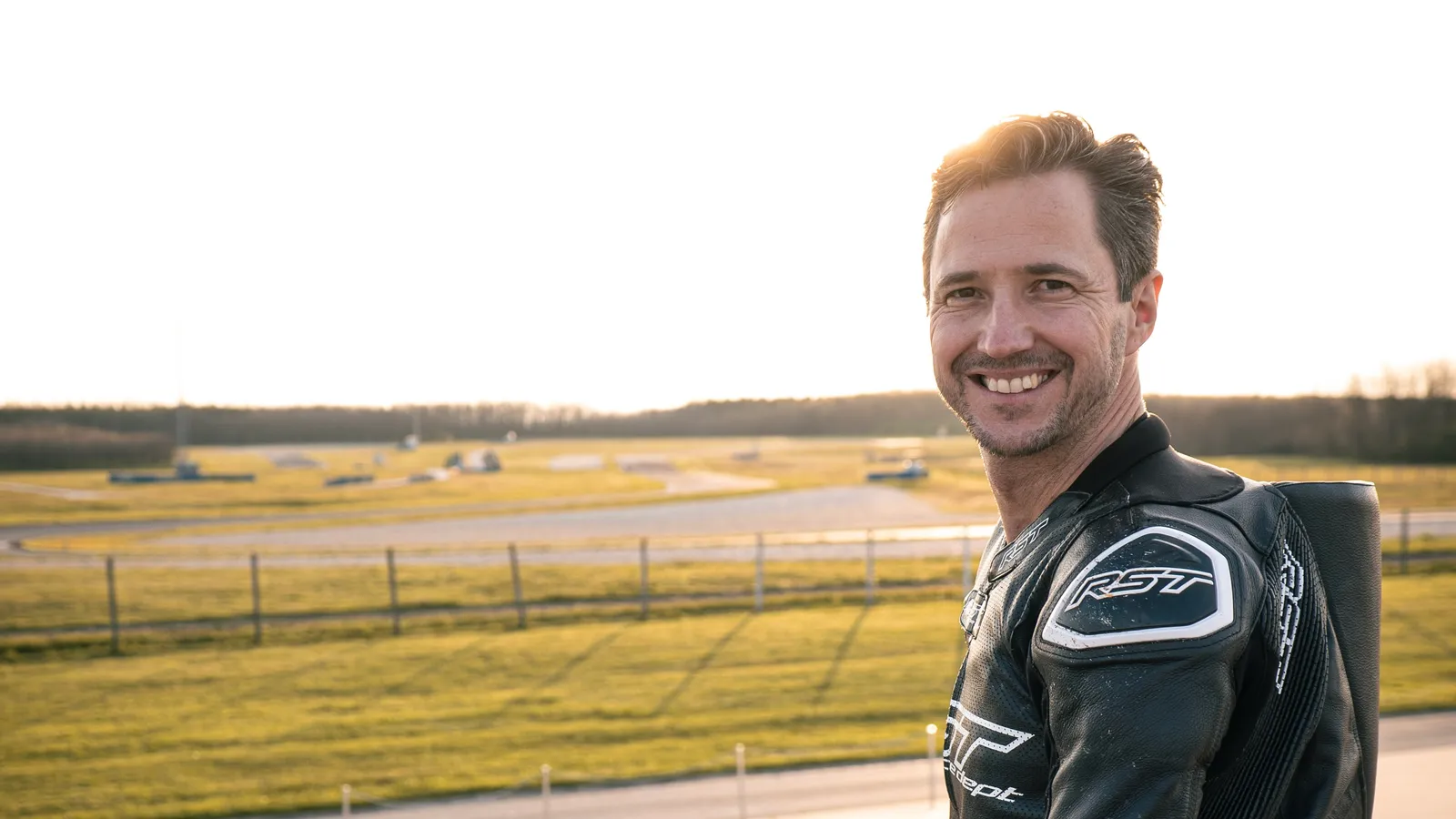
Portrait of NastyNils

The test ride

Settle into it and the first thing you notice is how planted the front feels at speed, even over rough pavement, the steering damper doing quiet work so the bars stay calm without any input from you. The riding position is committed, weight forward over your wrists, and everything reaches you clearly. That clarity is a gift and a tax. On smooth tarmac it feeds you exactly what the tires are doing. On a chewed-up back road at pace, the same firmness hammers your hands, feet, and back until a merely rough surface becomes a real ordeal. Push through several hard stops and you can feel the brakes going soft, a reminder that this bike saves its best composure for the smoother, faster stuff and asks you to work for the rest.

Rated point by point — where it earns its keep

My own 0–100 score for this bike against the class, area by area — the marker on each bar is the class average.

This is the ground the whole bike stands on, and it's excellent. The chassis and suspension work at a level the rest of the Japanese liter class can't reach, and the gap is real enough to feel, not a rounding error. The Öhlins damper fitted as standard, built for this bike rather than pulled from a parts bin, keeps the front composed over rough surfaces while asking nothing of me. Drive off a corner and the rear loads up cleanly, planted and hooked the instant you're upright and on the gas.

What caught me off guard, given all the menace the spec implies, is how much plain enjoyment there is when you lean on it. Radical here reads as rewarding, not as punishment for showing up. The bike asks for commitment and then makes that commitment feel worth it, which is rarer than it should be near the top of this class. It stays entertaining under hard use instead of grinding you down.

No hiding it: the motor makes its case up high and stays quiet underneath. Roll out of a slow bend and there's a beat where little happens while you wait for the tach to climb into the good stuff. Tall factory gearing makes that worse on a technical circuit, where you keep hunting a band you rarely get to sit in. Hand it a fast, open track with room to run, though, and it turns into a different, far happier engine.

Around town the brakes give me no complaints. Ask them to work through several hard laps, though, and the bite softens off in a way I couldn't ignore, and it wasn't only me feeling it. The ABS tells the same story: fine at road speeds, but wind the pace up toward the limit and its calibration simply runs out of answers. If you plan to lap this bike, budget for the front end here before anything else.

Comfort is the price of the race focus. This suspension was dialed for a smooth circuit, and it never pretends otherwise the moment the surface breaks up. Where a road-biased bike would shrug off a patch of bad tarmac, the ZX-10R passes every ridge and edge straight up to you with nothing taken off the top. On good roads none of it registers and you'll forget the complaint entirely. Choose your routes with that in mind.

Two things stand out. First, the traction control won over every rider I put on the bike; it stays quiet, does its job, and leaves you free to concentrate on the road. Second, the tires it wears from the factory are the weak link. They undersell the chassis, and swapping in a decent set lifts the bike a clear step on road and track alike. Sort the rubber and you unlock what's already sitting underneath you.

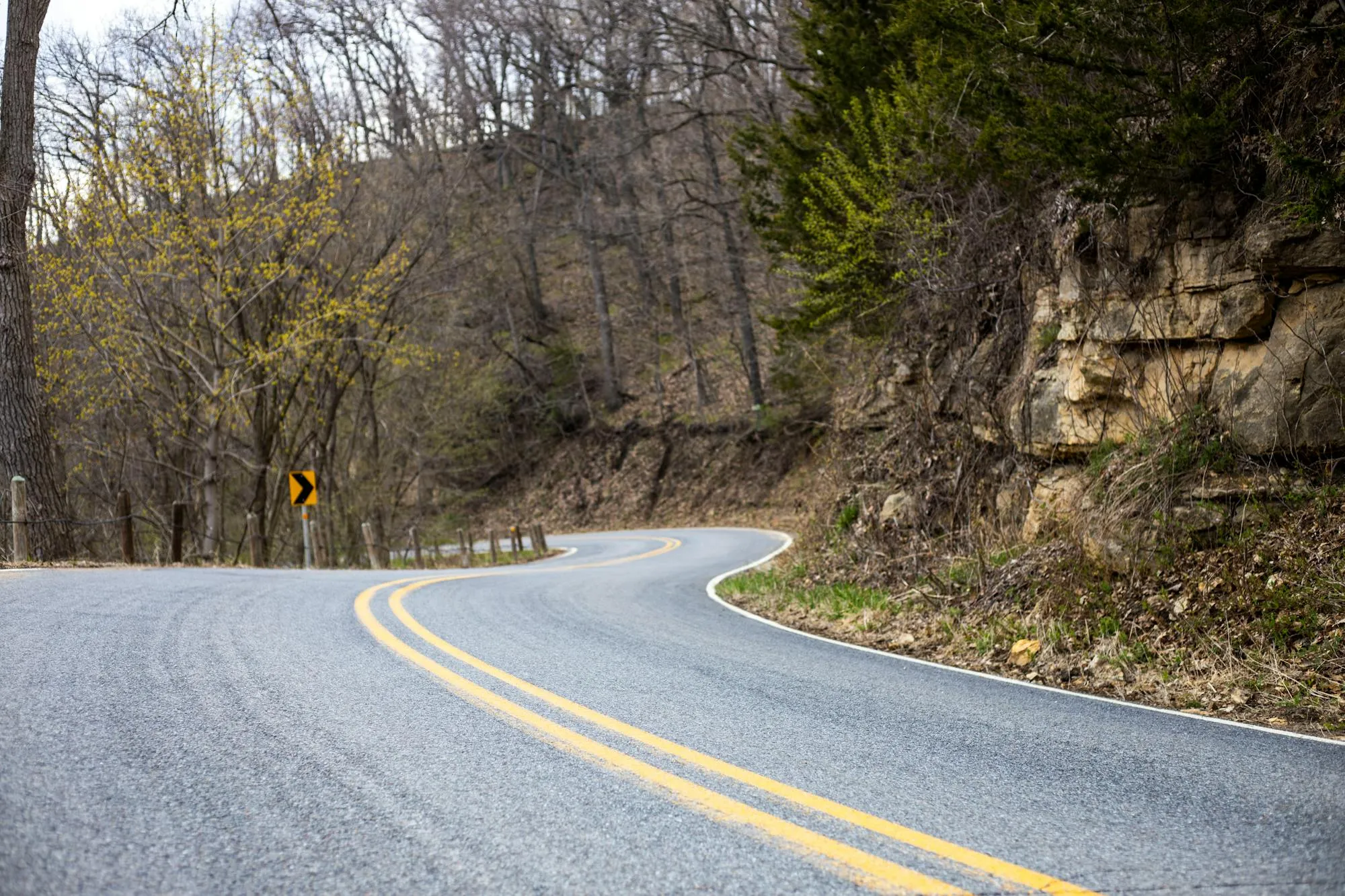
A winding two-lane asphalt road in the Appalachian mountains, photographed in dry daylight. Yellow double-center line markings guide through a series of tight left-hand curves. Dense deciduous and evergreen forest flanks both sides; a rock cut is visible on the right. The road surface and geometry suggest a technical, high-traffic riding corridor popular with motorcyclists.
Chris Flaten / Pexels

The Truth on the Street

Over the years I've gathered what ZX-10R owners actually tell me, through paddock talk, one-on-one conversations, and the steady stream of messages riders send my way. Put enough of it together and a consistent picture forms for this generation: riders love how it performs, and the concerns they keep raising cluster around what wears once the pace stays high.

What riders rate highest

The engine leads the praise. Owners describe strong top-end pull from the inline-four and a real rush to the redline that feels every bit as fast as its 200 hp billing. Close behind is the front end, where riders consistently point to the feedback and nimble handling that let them commit to a corner with confidence. The traction control earns steady trust too, doing its work cleanly and keeping the rear in check without snatching power away.

Where the hard miles show

The gripes surface when the riding gets serious. The stock rear shock draws the most, with owners finding its damping runs short and fades under aggressive use, which pushes many toward an upgrade for track work. Track riders flag the gearbox as well, reporting that the selector and its wear points need regular inspection once you're shifting hard, lap after lap.

Known issues

  • Stock rear shock damping inadequate

    suspensioncommon

    The OEM shock provides limited damping, especially when ridden hard, requiring an aftermarket upgrade for aggressive riding.

  • Gearbox wear under track use

    drivetrainoccasional

    Under frequent hard shifting on track, the transmission selector mechanism can wear rapidly, requiring inspection every few thousand kilometers.

  • Radiator stone damage

    coolingoccasional

    Rocks thrown by the front tire can puncture the radiator, causing coolant loss.

  • Rectifier/voltage regulator recall

    electricsoccasionalRecall

    Early production ran recall for the voltage regulator, which could fail and leave the bike stranded.

The Expert Benchmark

Where this Kawasaki Ninja ZX-10R pulls ahead of — or falls behind — its rivals on the numbers, and the typical bike in its class on character.

What kind of bike this is — character vs. the class

This bike Class average

The shape of the Kawasaki Ninja ZX-10R — numbers and character vs. the average Supersport

Head-to-head: Kawasaki Ninja ZX-10R vs. its rivals

The Handshake Score

Forget spec-sheet bragging. Here's who the Ninja ZX-10R is actually built for.

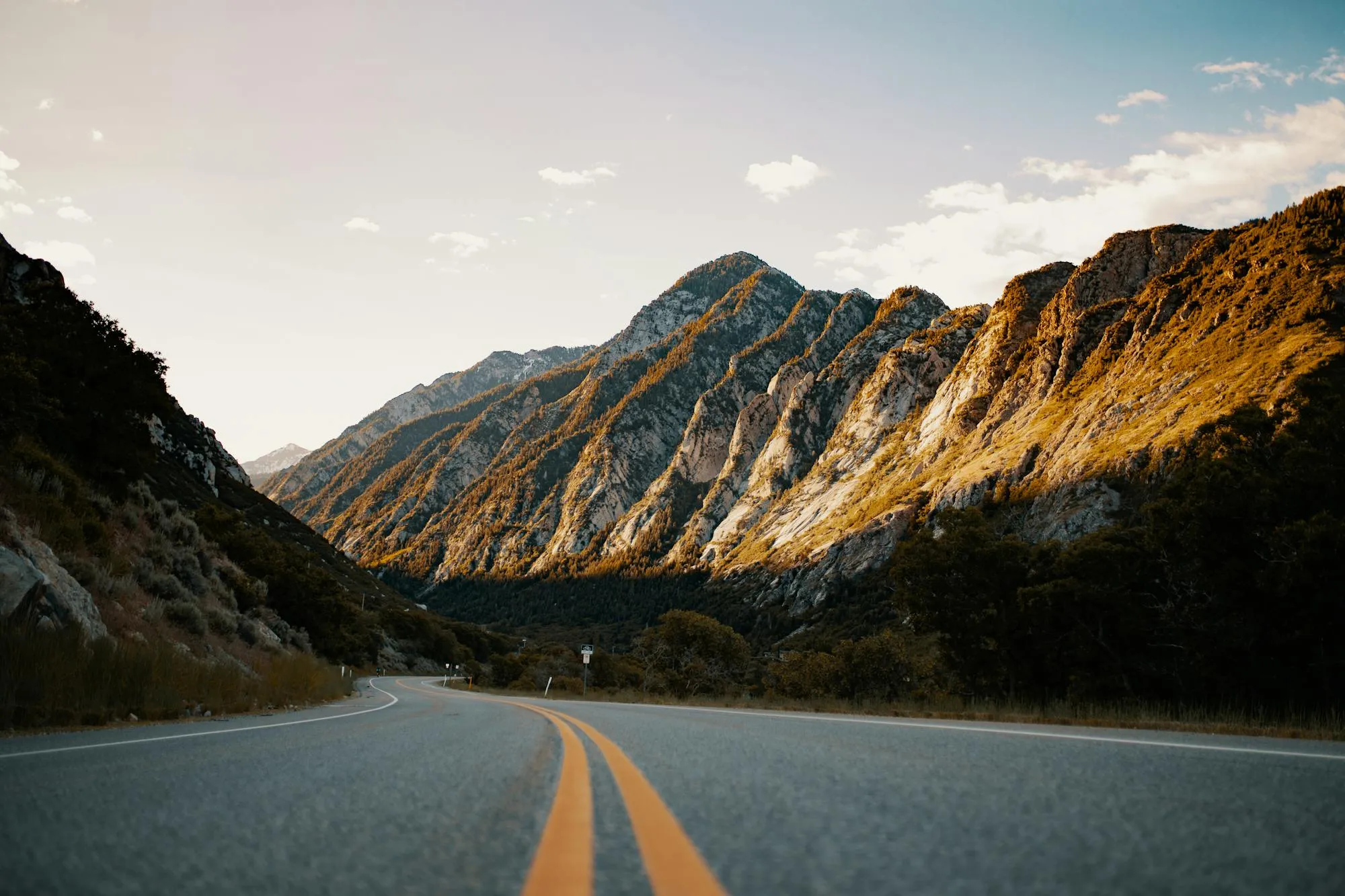
A scenic view of Angeles Crest Highway winding through rugged Southern California canyon terrain. Rocky mountainsides with golden earth tones frame the asphalt road with tight sweeping curves. Double yellow center line visible, sparse vegetation along the shoulders, clear blue sky with white clouds. Daylight, dry conditions. Iconic location for canyon-road enthusiasts.
Josh Sorenson / Pexels

Best motorcycle for Laguna Seca?

If your weekends are lapping days at the circuit, this is where the ZX-10R lives. Fit better rubber, sort the shock, and you have a race-bred machine that rewards precise inputs and clean apexes.

Made for Barber Motorsports Park · WeatherTech Raceway Laguna Seca · Circuit of the Americas

Best motorcycle for Angeles Crest?

For fast canyon work the chassis and feedback are a joy, and the traction control has your back. Just accept that the race suspension will beat you up on any rough stretch of pavement.

Made for Angeles Crest Highway · Coronado Trail / US 191 · Highway 1 / Big Sur

Best motorcycle for Tail of the Dragon?

On tight technical roads the engine wants revs it rarely gets, and the low-end goes thin out of slow corners. The chassis is brilliant, but this bike is happiest with room to stretch its legs.

Made for Back of the Dragon · Blue Ridge Parkway · Cherohala Skyway

Alternatives to the Kawasaki Ninja ZX-10R

If this one isn't quite the fit, these are the bikes worth riding back-to-back against it.

Any price note compares both bikes at the same age — the youngest age both have on the used market — against this Kawasaki Ninja ZX-10R. “cheaper/pricier” is what that bike costs second-hand, not how worn it is.