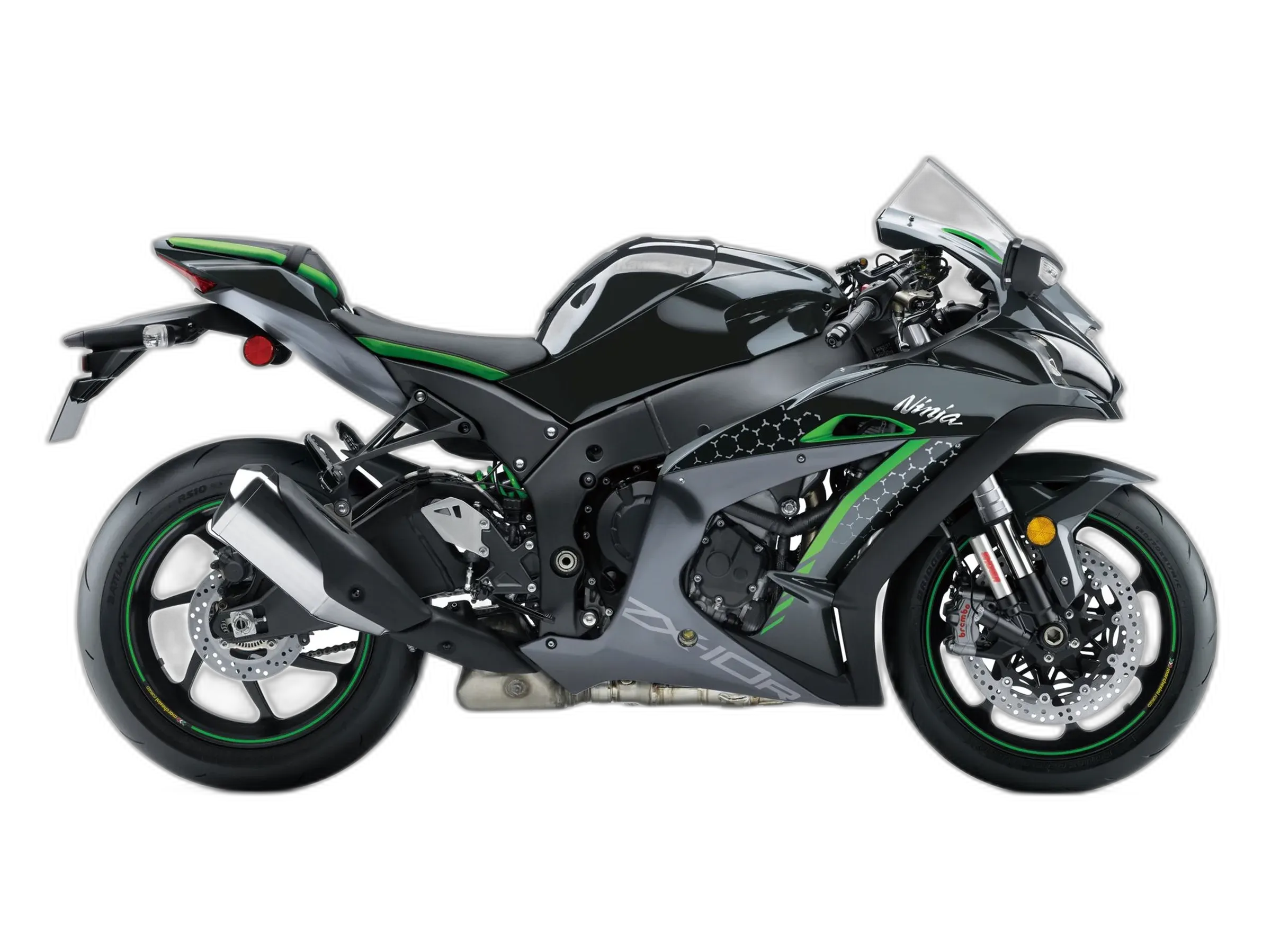
Kawasaki Ninja ZX-10R SE (MY2018) — Supersport
NastyNils / Kawasaki press archive

2018–2020 · Supersport · Buyer's Guide

Ninja ZX-10R SE (MY2018)

Race Suspension, Both Worlds

The Machine's Character

The ZX-10R SE takes the 998cc inline-four that makes 200 hp at 13,000 rpm and 84 lb-ft, then wraps it in the one thing a full superbike usually goes without: semi-active suspension. Kawasaki Electronic Control Suspension (KECS) runs a Showa Balance Free Front Fork and a Showa BFRC-lite shock, reading the road and adjusting on the fly. It sits above the standard bike and below the homologation-special RR, and a bidirectional quickshifter that blips downshifts as well as upshifts marks it as the trim built to do more than one job well.

On the road it rides genuinely comfortable, soft enough that the plain word applies with no qualifier, yet it never turns vague when you lean on it. Switch to Track and it becomes a firmer, sharper machine that puts power down hard at corner exit. This is a bike for the rider who spends real days at the circuit but still rides there and back on public pavement. The honest caveat is that the smart suspension is not a maintenance shortcut. Fork and shock oil still degrade, and the fluid changes any superbike needs are just as due here.

Hard Numbers

Spec sheets don't ride bikes, but they set the baseline.

Show full specs & equipment Hide specs & equipment
Key specifications
Power 200 hp (147 kW) @ 13,000 rpm
Torque 84 lb-ft (114 Nm) @ 11,500 rpm
Displacement 998 cc
Engine Inline-four
Cooling Liquid-cooled
Gearbox 6-speed
Final drive Chain
Fork Upside-down (USD)
Front brake 330 mm
Front tire 120/70-17
Rear tire 190/55-17
Wheelbase 56.7 in (1440 mm)
Seat height 32.9 in (835 mm)
Wet weight 454 lb (206 kg)
Fuel capacity 4.5 gal (17 L)

Equipment check

Chassis

  • Front Suspension Adjustable Showa Balance Free Front Fork (BFF) Precise front end feedbackHigh speed stability Standard
  • Rear Suspension Adjustable Showa BFRC-lite High speed stabilityWider usable range Standard
  • Steering Damper Standard

Drivetrain

  • Quickshifter Standard
  • Slipper Clutch Standard

Lighting

  • LED Headlight Standard

Safety

  • ABS Standard
  • Cornering ABS Standard
  • Traction Control Standard
  • Ride Modes Standard
  • Wheelie Control Standard
  • Launch Control Standard

Signature Tech

The named systems that set this bike apart — and what each one does for you.

Suspension

  • Kawasaki Electronic Control Suspension (KECS)Standard
    • Realtime road adaptation
    • High speed stability
    • Brake dive control
    • Auto load leveling

The Voice of Experience

Portrait of NastyNils

The test ride

Spend a session on it and the first thing your hands notice is what they don't get: the front never gives you that raw, immediate read a conventional fork does. Compression arrives softened, so you learn to trust the system instead of your fingertips. Everything you'd want to change sits a thumb away. Hold the SET button, scroll through traction, engine braking, shift light, and quickshifter, and you're set without leaving the saddle. A few laps in and the electronics stop registering at all; the bike just reads sorted and normal. Push the rear brake hard and it can still snap the wheel loose with little warning, a plain reminder that the rider owns some moments no matter how much hardware is watching.

Rated point by point — where it earns its keep

My own 0–100 score for this bike against the class, area by area — the marker on each bar is the class average.

Set Manual mode to its most aggressive end and the SE feels like someone bolted a purpose-built race chassis under you. What surprised me was how forgiving it stayed there. I hesitated on the throttle mid-corner through a tight triple right-hander, lean angle high, the exact spot where a jittery throttle usually throws a liter bike into a fit, and it simply soaked up my mistake along with the bad pavement. In fast corners it holds its line with no wandering and no drama, precise where a lot of superbikes start getting busy. The soft end of the Showa setup is softer than I'd expect from a machine like this, yet the damping reacts quickly enough that even the heaviest hits in the roughest sections never blow through the travel. You get genuine compliance without the wallow the older electronic setups used to serve up.

What I like here is how the electronics grow with you over a full day. First session I'll start cautious, Road mode, traction control up high, still finding the grip. As the day loosens up and I trust the front more, it's Track mode and the traction control steps down a notch, then another. The bike matches every increment of that, from a careful street pace to a committed track lap, without ever asking me to give something up to get there.

With Cornering ABS and the full aid package running, it's easy to assume the bike has your braking covered everywhere. The rear pedal is the exception I'd flag. Lean on it hard into a corner and the system won't always step in the way it does up front, so the back can come around on you at the worst possible instant. I treat that pedal with more care than the hardware count would suggest, and I'd tell any new owner to do the same.

The one thing that can catch owners out here is psychological. The KECS hardware is clever enough that it's genuinely easy to assume the suspension takes care of itself. It doesn't. The electronics manage how the damping behaves, but the oil in the fork and shock still ages exactly like any conventional setup and needs swapping on the same routine. Skip that because the system feels self-sufficient and you're slowly riding on tired hardware without knowing it.

Comfort on a supersport usually means bracing for the hits, and this one flips that around. In Road mode the surface breaks and torn patches that hammer a normal sportbike very nearly disappear underneath you. There's a stretch near the circuit that's genuinely wrecked, and after a single lap I came back honestly convinced someone had repaved it overnight. Nobody had. The suspension was just reading the mess and dealing with it faster than my body could register the impacts. That's the part that stays with me: not that it goes soft in a straight line, but that it keeps the ride settled and quiet over exactly the kind of broken pavement that turns a long day on most liter bikes into a chore.

On a normal superbike you either learn to read clicker settings or you pay someone who can, and until you do the suspension is never quite working for you. This one lifts that whole requirement off the table. You don't need to understand a single adjustment to get the bike set up properly; the system does the reading and adapting on your behalf. For a rider who'd rather spend the morning riding than dialing in hardware, that's the real everyday win.

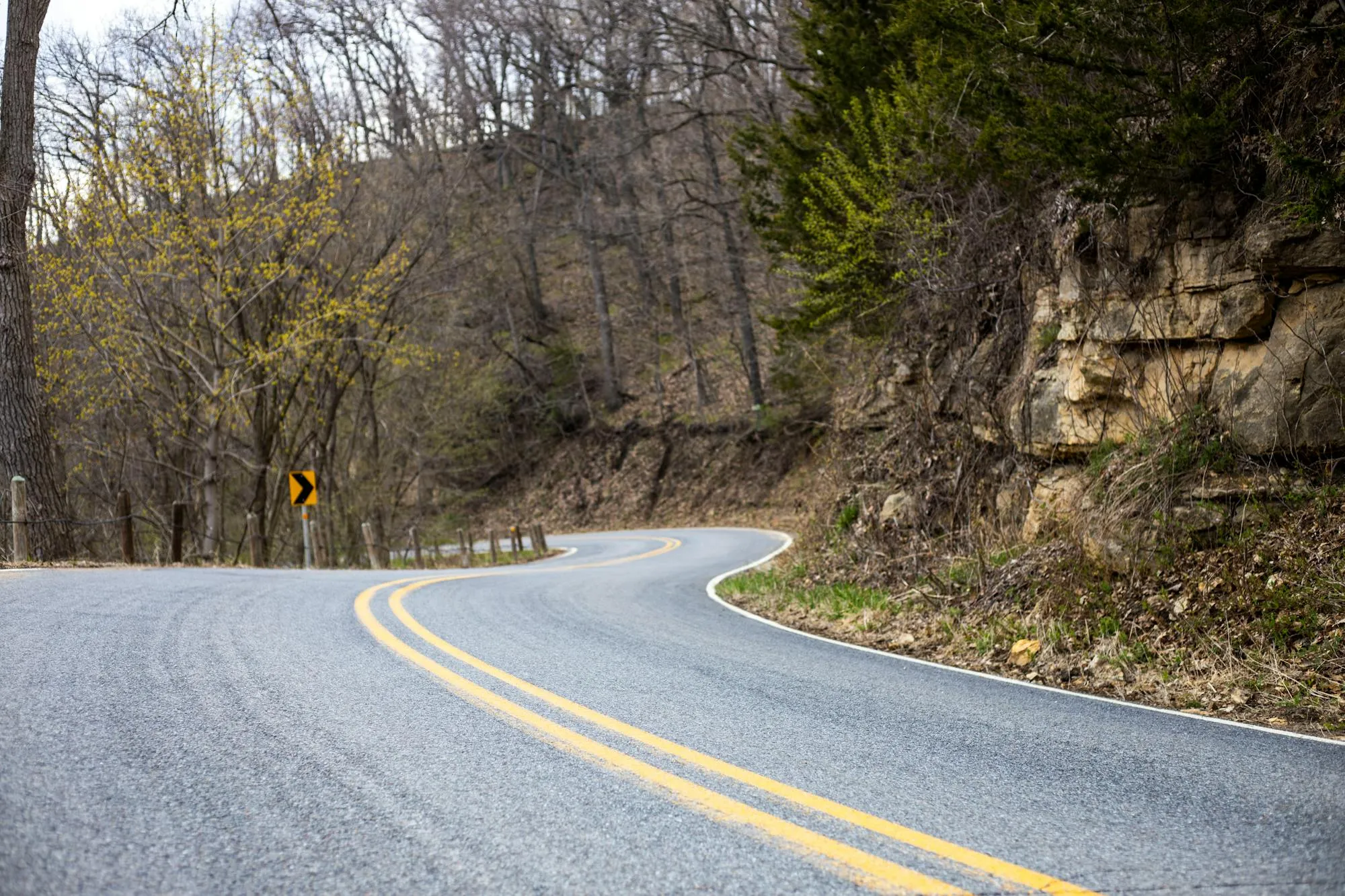
A winding two-lane asphalt road in the Appalachian mountains, photographed in dry daylight. Yellow double-center line markings guide through a series of tight left-hand curves. Dense deciduous and evergreen forest flanks both sides; a rock cut is visible on the right. The road surface and geometry suggest a technical, high-traffic riding corridor popular with motorcyclists.
Chris Flaten / Pexels

The Truth on the Street

I've spent years listening to riders talk about this bike: paddock conversations, owner chats, and the messages that land in my inbox directly. Pull all that chatter together and one pattern holds: the SE thrills at the top of the tach and asks a price everywhere else.

What Riders Praise First

The praise starts with the top end. Riders describe a 998cc inline-four that comes alive high in the rev range, screaming toward peak power near 13,000 rpm, and they treat it as a track weapon first. The forged Marchesini wheels come up often too, credited with quick, honest turn-in and a lighter feel through direction changes. Many also note the semi-active suspension takes the edge off rough pavement, leaving the SE more settled on the road than the standard bike.

What Owners Warn You About

The gripes cluster just as clearly. The riding position gets flagged as cramped and track-focused, wearing on riders over longer road miles. Running one isn't cheap either; owners cite steep insurance, quick tire wear, and a real fuel appetite. Down low the engine draws complaints for feeling flat below 9,000 rpm, so meaningful drive means keeping the revs up. And the same suspension that wins praise on the street draws doubts on track, where riders find it short of a dedicated race setup's composure and fine control.

Known issues

  • Transmission gears break under hard shifting (recall)

    drivetrainoccasionalRecall

    The 2nd, 3rd, and 4th output gears can fracture under extreme shifting force, potentially locking the rear wheel. Kawasaki issued recall MC18-01 (NHTSA #18V089000) for 2016–2018 ZX-10R/RR and SE models, replacing the affected gears free of charge.

  • Engine backfire damaging air suction valves (recall)

    exhaustrareRecall

    Under high-load shifting with KQS engaged, the engine can backfire, damaging air suction valves and potentially causing a fire. Recall MC20-02 applied to 2019–2020 models; dealers reprogram the ECU and replace valves.

The Expert Benchmark

Where this Kawasaki Ninja ZX-10R SE pulls ahead of — or falls behind — its rivals on the numbers, and the typical bike in its class on character.

What kind of bike this is — character vs. the class

This bike Class average

The shape of the Kawasaki Ninja ZX-10R SE — numbers and character vs. the average Supersport

Head-to-head: Kawasaki Ninja ZX-10R SE vs. its rivals

The Handshake Score

Forget spec-sheet bragging. Here's who the Ninja ZX-10R SE is actually built for.

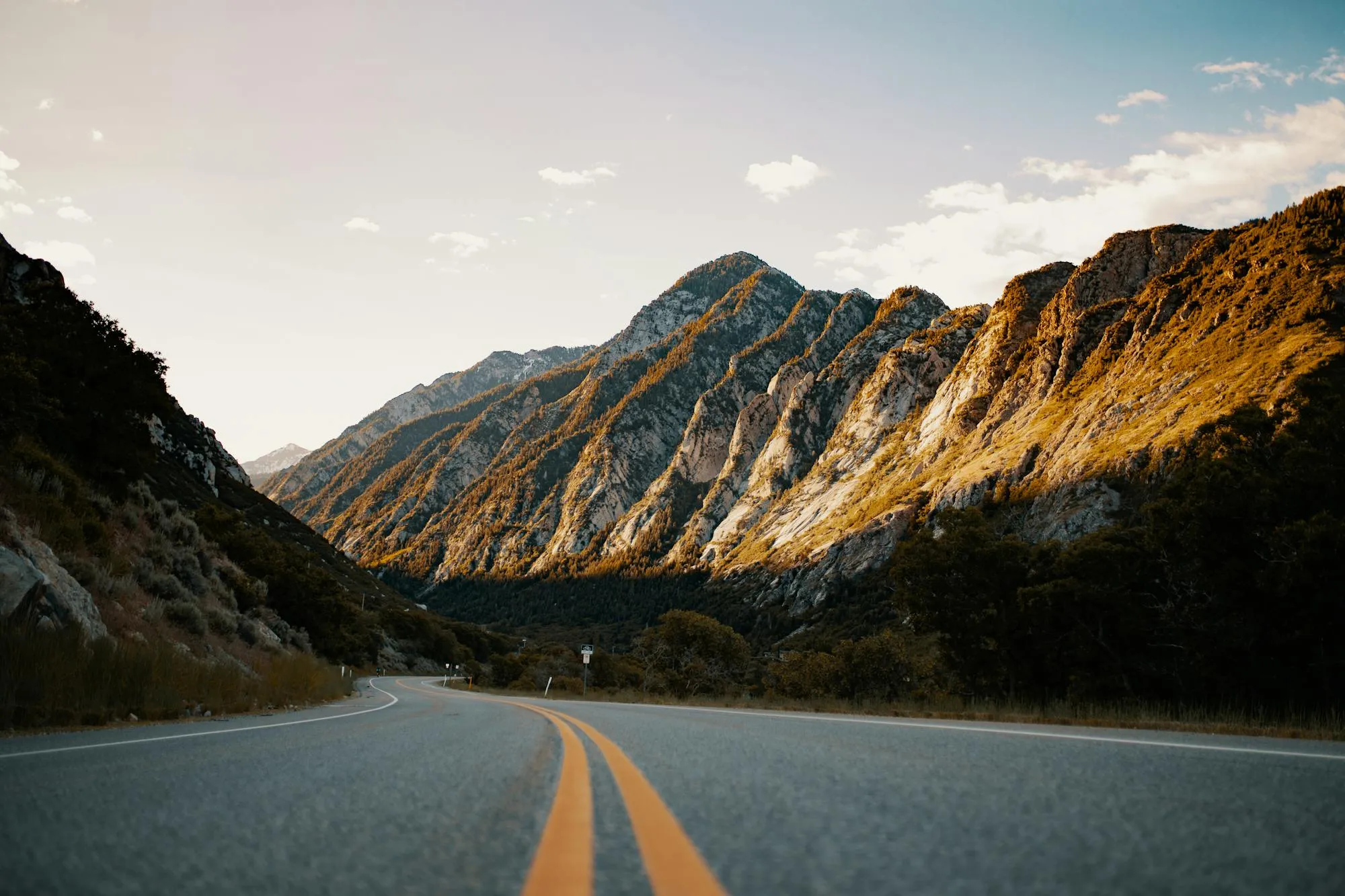
A scenic view of Angeles Crest Highway winding through rugged Southern California canyon terrain. Rocky mountainsides with golden earth tones frame the asphalt road with tight sweeping curves. Double yellow center line visible, sparse vegetation along the shoulders, clear blue sky with white clouds. Daylight, dry conditions. Iconic location for canyon-road enthusiasts.
Josh Sorenson / Pexels

Best motorcycle for Angeles Crest?

For Angeles Crest and the LA canyons, the SE has a rare trick: Road mode soaks up broken pavement and stays genuinely comfortable, then one click to Track sharpens it. Precise and stable through fast corners.

Made for Angeles Crest Highway · Coronado Trail / US 191 · Highway 1 / Big Sur
Best motorcycle for Laguna Seca?

You live for apex precision on closed circuits, and this is the trim for it. Track mode gives you a firm, sharp chassis with strong corner-exit drive, and the electronics fade into the background once you're up to pace.

Made for Barber Motorsports Park · WeatherTech Raceway Laguna Seca · Circuit of the Americas

Best motorcycle for Tail of the Dragon?

On tight East Coast twisties where skill beats speed, the soft Road setting keeps you planted over rough surfaces yet still holds a clean line through quick corners. An honest tool for repeat Dragon runs.

Made for Back of the Dragon · Blue Ridge Parkway · Cherohala Skyway

What's new versus the previous generation

If you're cross-shopping the older generation, here's what changed.

Kawasaki Ninja ZX-10R (ZXT00J)

Previous generation · 2011–2015

Kawasaki Ninja ZX-10R (ZXT00J)

European Chassis, Japanese Iron

Compare to the previous model →

Alternatives to the Kawasaki Ninja ZX-10R SE

If this one isn't quite the fit, these are the bikes worth riding back-to-back against it.

Any price note compares both bikes at the same age — the youngest age both have on the used market — against this Kawasaki Ninja ZX-10R SE. “cheaper/pricier” is what that bike costs second-hand, not how worn it is.