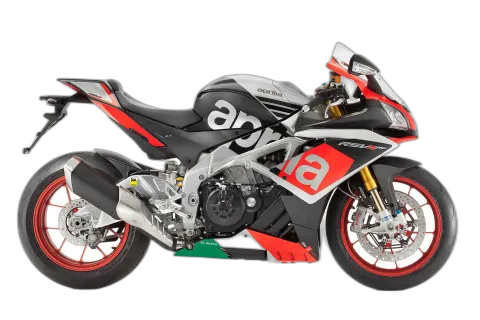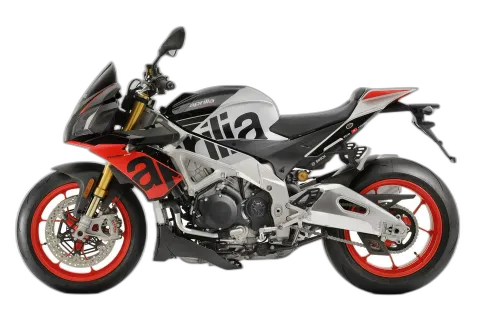
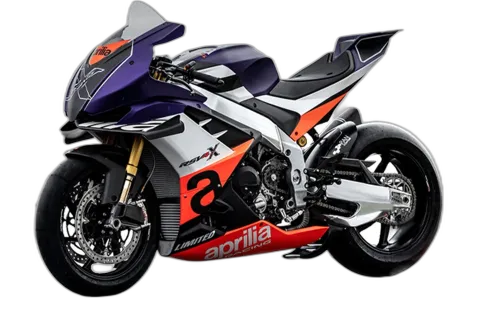
Aprilia RSV4 (MY2010) — Supersport
NastyNils / Aprilia Press

2010–2013 · Supersport · Buyer's Guide

RSV4 (MY2010)

The V4 With No Safety Net

The Machine's Character

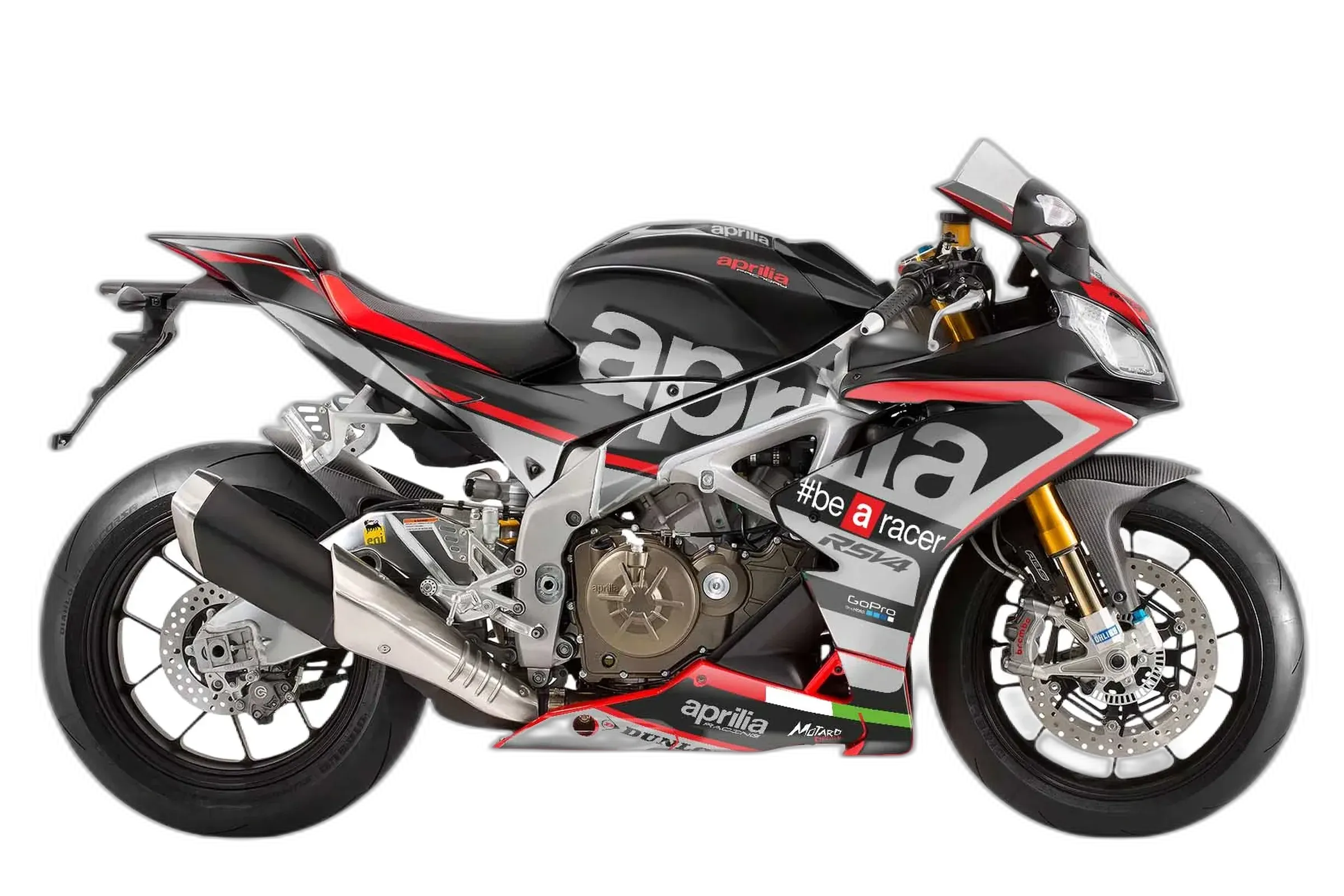
The RSV4 drops a compact 65° V4 into a cast aluminum dual-spar frame, and the result behaves less like a liter bike than a scaled-up 600. You get 180 hp from 999 cc, but the number matters less than how the chassis carries it: aggressive geometry, telepathic front-end feel, and the quickest turn-in in the class. Power arrives progressively, building as you open the throttle mid-corner rather than slamming in all at once. Ride modes come standard, though there's no traction control, so the rear is your responsibility. This is a serious tool built straight out of the Superbike paddock.

Live with it and the character sharpens. This is a bike for riders who want feedback and front-end confidence over comfort, and it rewards commitment more than it forgives casual days. The extreme riding position works brilliantly for a few track sessions and turns punishing on longer road stints, especially for taller riders. Watch the known issues before you buy: an early connecting-rod recall covered full engine replacement on affected units, and some bikes show high oil consumption. Get a good example and set it up right, and it's a genuinely special machine.

Hard Numbers

Spec sheets don't ride bikes, but they set the baseline.

Show full specs & equipment Hide specs & equipment
Key specifications
Power 180 hp (132 kW)
Torque 85 lb-ft (115 Nm)
Displacement 999 cc
Engine V4
Cooling Liquid-cooled
Gearbox 6-speed
Fork Upside-down (USD)
Front tire 120/70-17
Rear tire 190/55-17
Seat height 31.9 in (810 mm)
Wet weight 448 lb (203 kg)
Fuel capacity 4.5 gal (17 L)

Equipment check

Chassis

  • Front Suspension Adjustable Standard
  • Rear Suspension Adjustable Standard

Drivetrain

  • Slipper Clutch Standard

Safety

  • Ride Modes Standard

The Voice of Experience

Portrait of NastyNils

The test ride

Thumb the starter and the intake roar tells you everything about this bike's intent; the V4 voice is one of the real joys of owning one. On the move, the ergonomics announce themselves fast. The reach to the bars is aggressive, and what feels natural on circuit gets genuinely uncomfortable once you've been on the road an hour, more so if you're tall. Vibrations come through the contact points, enough that I'd test-ride before committing money. The low-mounted exhaust sits tight to the bodywork, and you feel the heat swinging a leg over after a session. Wind protection is minimal, so at real road speeds the blast builds quickly against your chest and helmet. The clutch is the one control that feels soft against everything else the bike asks of you.

Rated point by point — where it earns its keep

My own 0–100 score for this bike against the class, area by area — the marker on each bar is the class average.

This is where the bike earns its keep. Point it at an apex and one input has it rotated and on line before you've thought about it, and nothing in the class changes direction with less effort. The catch shows up at the far end of the corner. Brake hard and the tail goes light and shuffles around under you, and with geometry this aggressive that's something you ride with rather than tune out. There's no rear-wheel electronics either, so the drive off the corner sits entirely on your right hand.

What stands out here is that the racing intent runs deeper than the paint. Plenty of bikes wear the look; this one lives up to it in how it behaves once you're moving. The whole machine communicates competition through the way it answers your inputs, and every rider I handed it to came back feeling the same thing without any prompting. It delivers exactly what the bodywork promises, which is rarer than it should be.

No complaints from the front brakes. There's real muscle in them, and they haul the bike down from serious speed with the kind of authority the rest of the package demands. When you're carrying pace and need to shed it in a hurry, the power is there and it's honest about how much you're getting. On a bike this focused, all you really need from the brakes is genuine stopping force on demand, and that's what these give you.

The engine's best quality isn't the peak number, it's the way it gets there. Crack the throttle on the way out of a bend and the thrust arrives as a steady, rising shove you can lean on rather than a hit that catches you out. That predictability is what lets you commit early and keep feeding it, and it was the one thing my testers kept praising above anything else the motor does. You always know what the next handful of throttle is going to give you.

There's no soft-pedaling this one: it's built for a handful of hard laps, not for stacking up miles. A few sessions in and the tuck feels natural, but turn that into a full day on the road and it starts to grind on you, and the taller you are the sooner it bites. A quarter of my test group called out the position all on its own. The screen is token at best, so once the pace climbs out on the road you wear the airflow yourself, and a taller shield only trims the worst of it. The pipe runs low and tight to the fairing, close enough that both warmth and a little leg clearance come up when you climb aboard after a run. I also felt more buzz through the bike than I'd like, and the clutch action reads vague against how crisp everything else is. Ride one before the money changes hands.

One thing to go in with your eyes open about: this isn't a bike that hands you its best on day one. The suspension leaves the factory in a sensible enough state to ride, but treat that as a starting point, not the destination. The real ability locked in the chassis only surfaces once you've spent time setting it up around your weight and your pace. Budget for that time, or you'll never see what you actually paid for.

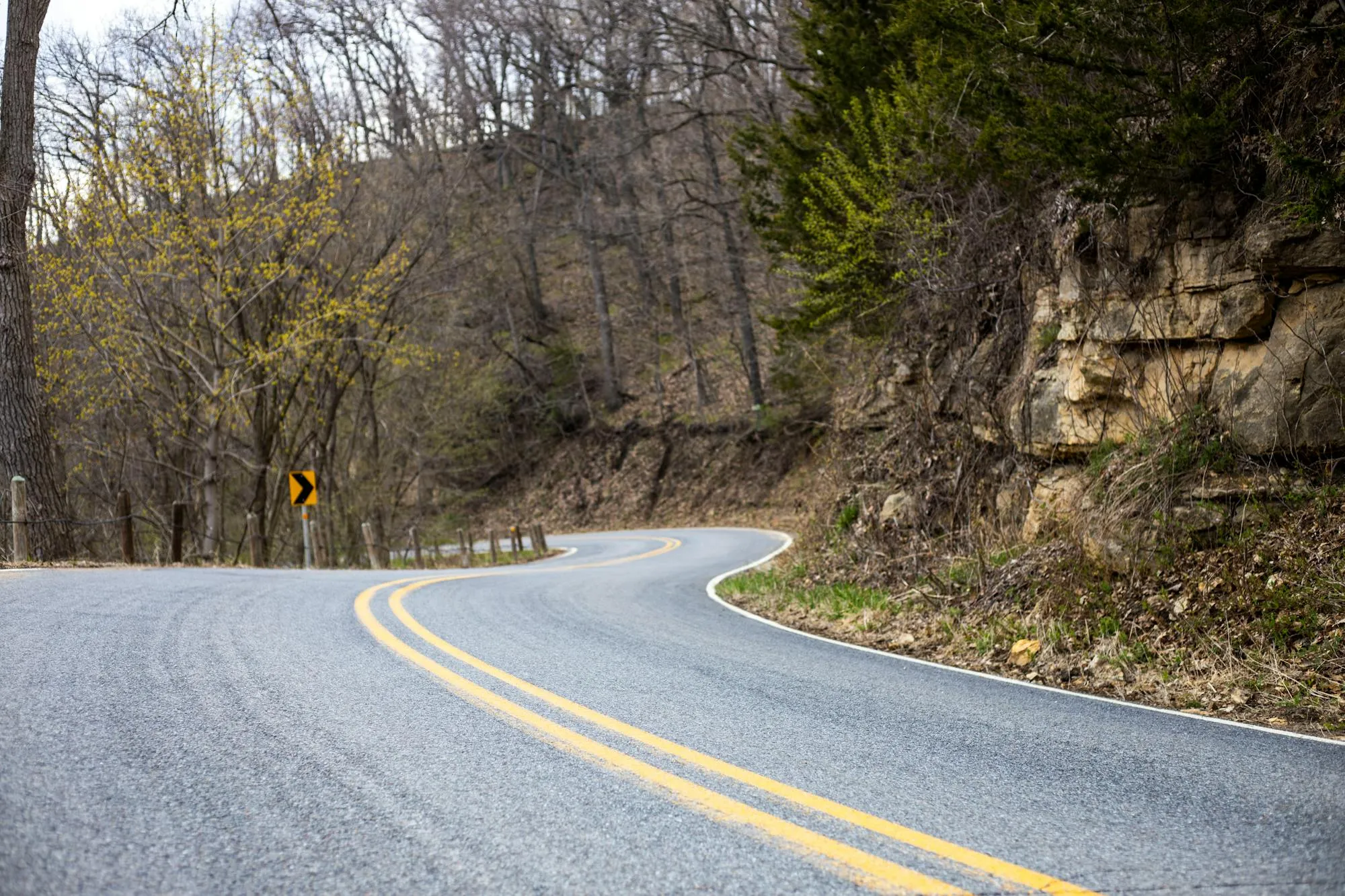
A winding two-lane asphalt road in the Appalachian mountains, photographed in dry daylight. Yellow double-center line markings guide through a series of tight left-hand curves. Dense deciduous and evergreen forest flanks both sides; a rock cut is visible on the right. The road surface and geometry suggest a technical, high-traffic riding corridor popular with motorcyclists.
Chris Flaten / Pexels

The Truth on the Street

This section isn't my own verdict. It's what I've heard back over years of listening to riders: long forum threads, paddock conversations, owner chats, and the messages people send me directly. Put it together and one pattern holds for the early RSV4: deep respect for how it performs, tempered by real caution about early-build reliability and the cost of running an Italian exotic.

The praise that holds up

Riders come back to the engine first. The 65° V4 earns steady praise for its mid-range punch, top-end rush, and an exhaust note owners call addictive. Close behind is the chassis: consistent feedback, real agility, and a lightness in direction changes many liken to a middleweight rather than a full liter bike. The Brembo brakes get regular mention too, with owners noting strong, reassuring stopping power.

Fragile early, costly to keep

The recurring worry is early-production reliability. Owners of the first bikes report oil consumption, leaking gaskets, and in the worst cases bent connecting rods, and a reputation for V4 fragility stuck even after the factory's recall. Running costs come up next: some cite noticeably higher insurance than Japanese rivals and question parts availability for a low-volume machine. A few also find the track-focused riding position cramped over longer distances.

Known issues

  • Engine recall – connecting rod defect

    enginecommonRecall

    A batch of early production bikes had connecting rods machined outside specification. Aprilia issued a full engine replacement recall for all affected units (identified by VIN or dealer notification). The recall was completed proactively, but early owners had to stop riding until engines were swapped.

  • Bending connecting rods

    enginerare

    In extreme cases, connecting rods have been reported to bend, potentially resulting in catastrophic engine failure. This was noted in forum discussions as occurring even on post-recall engines.

  • Abnormal oil consumption

    engineoccasional

    Multiple forum reports describe excessive oil consumption, sometimes requiring top-ups every ~600 miles (1,000 km). Not all bikes are affected, but the issue appears widely in community discussions.

  • Metallic residues in oil

    enginerare

    Owners reported finding metallic particles in the oil during routine changes, raising concerns about premature engine wear or material defects.

  • Oil leaks from valve cover gaskets

    engineoccasional

    Weeping valve cover gaskets, leading to oil seepage onto the engine and exhaust headers. Some owners report that replacement under warranty did not permanently solve the issue.

The Expert Benchmark

Where this Aprilia RSV4 pulls ahead of — or falls behind — its rivals on the numbers, and the typical bike in its class on character.

What kind of bike this is — character vs. the class

This bike Class average

The shape of the Aprilia RSV4 — numbers and character vs. the average Supersport

Head-to-head: Aprilia RSV4 vs. its rivals

The Handshake Score

Forget spec-sheet bragging. Here's who the RSV4 is actually built for.

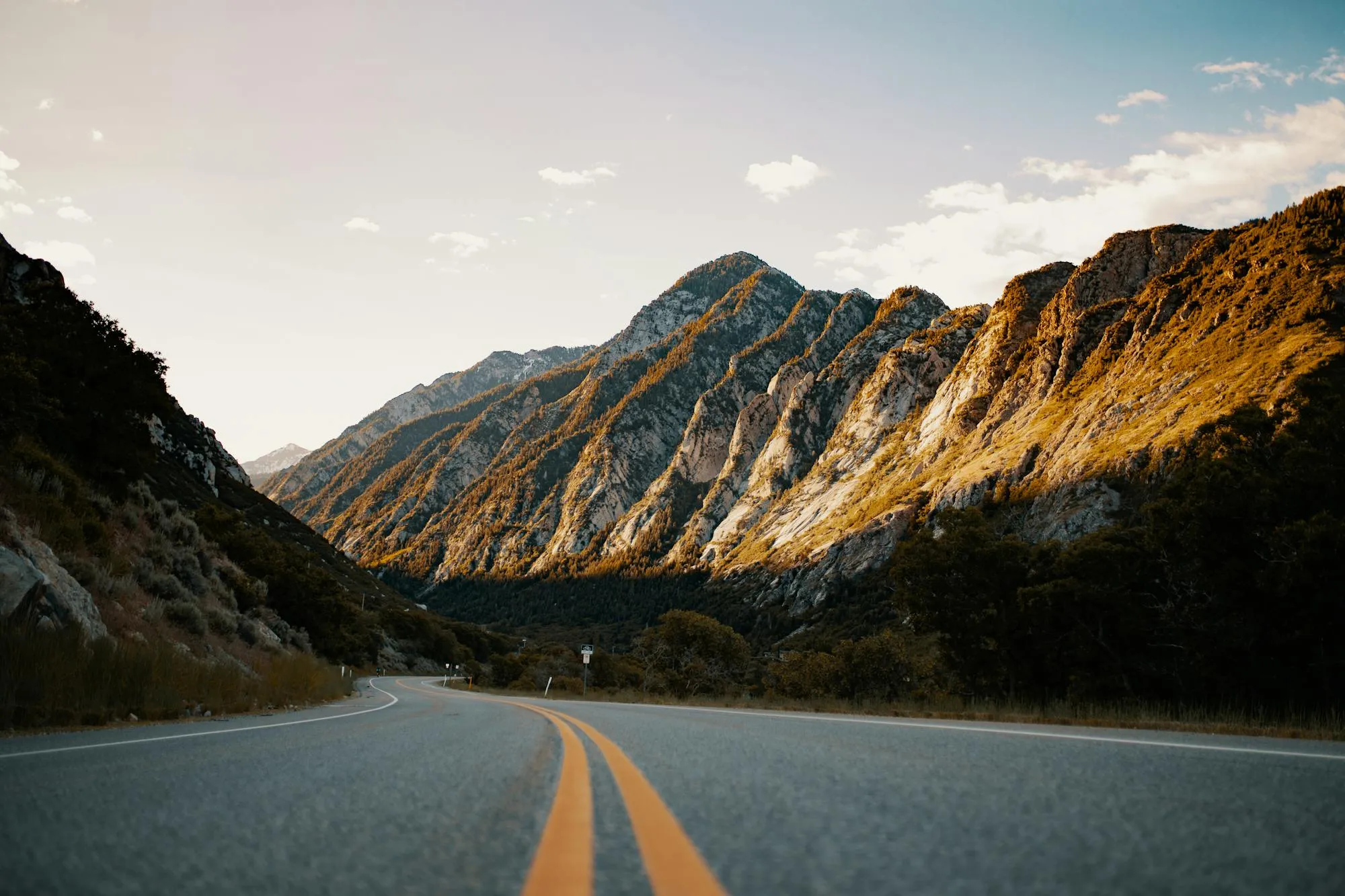
A scenic view of Angeles Crest Highway winding through rugged Southern California canyon terrain. Rocky mountainsides with golden earth tones frame the asphalt road with tight sweeping curves. Double yellow center line visible, sparse vegetation along the shoulders, clear blue sky with white clouds. Daylight, dry conditions. Iconic location for canyon-road enthusiasts.
Josh Sorenson / Pexels

Best motorcycle for Angeles Crest?

If you live for Angeles Crest weekends, the turn-in and front-end feel are exactly what you want. Just know the riding position gets brutal on longer days, and there's no traction net when you get greedy on the throttle.

Made for Angeles Crest Highway · Coronado Trail / US 191 · Highway 1 / Big Sur
Best motorcycle for Laguna Seca?

This is where the RSV4 comes alive. Sharp turn-in, huge lean clearance, and progressive drive reward apex precision. You supply the traction control yourself, so smooth throttle discipline matters.

Made for Barber Motorsports Park · WeatherTech Raceway Laguna Seca · Circuit of the Americas

Best motorcycle for Tail of the Dragon?

For Tail of the Dragon and Blue Ridge skill work, the quick steering and feedback are a gift. The ergonomics punish the slab miles to get there, and vibrations add up, so plan the ride around it.

Made for Back of the Dragon · Blue Ridge Parkway · Cherohala Skyway

Alternatives to the Aprilia RSV4

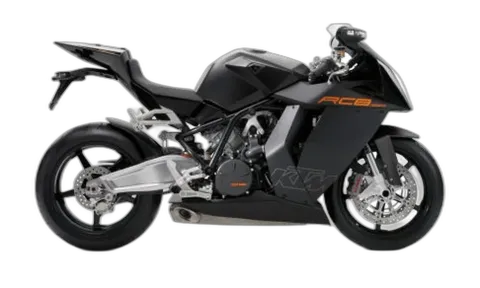
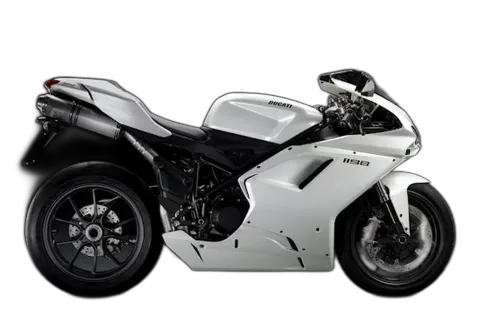
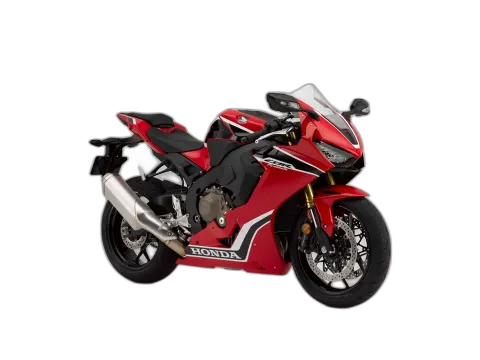
If this one isn't quite the fit, these are the bikes worth riding back-to-back against it.

Any price note compares both bikes at the same age — the youngest age both have on the used market — against this Aprilia RSV4. “cheaper/pricier” is what that bike costs second-hand, not how worn it is.