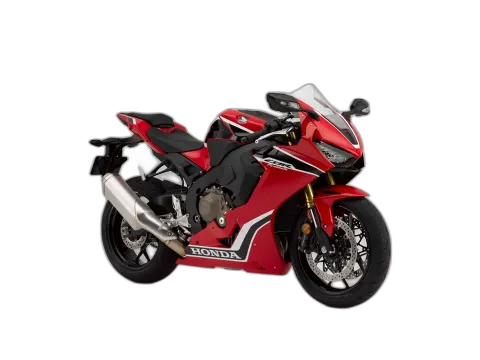

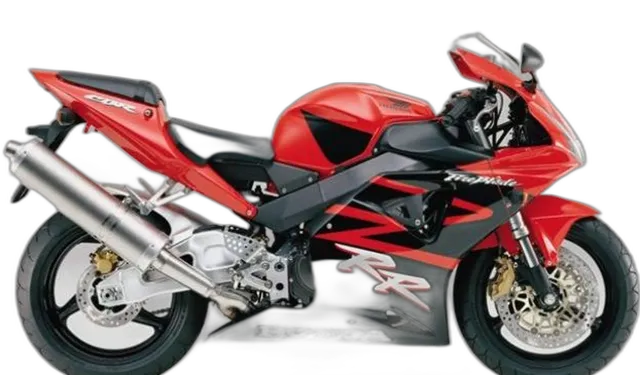
Honda CBR1000RR Fireblade (SC 57) — Supersport
NastyNils / Honda Press

2004–2007 · Supersport · Buyer's Guide

CBR1000RR Fireblade (SC 57)

172 Horses You Can Actually Use

The Machine's Character

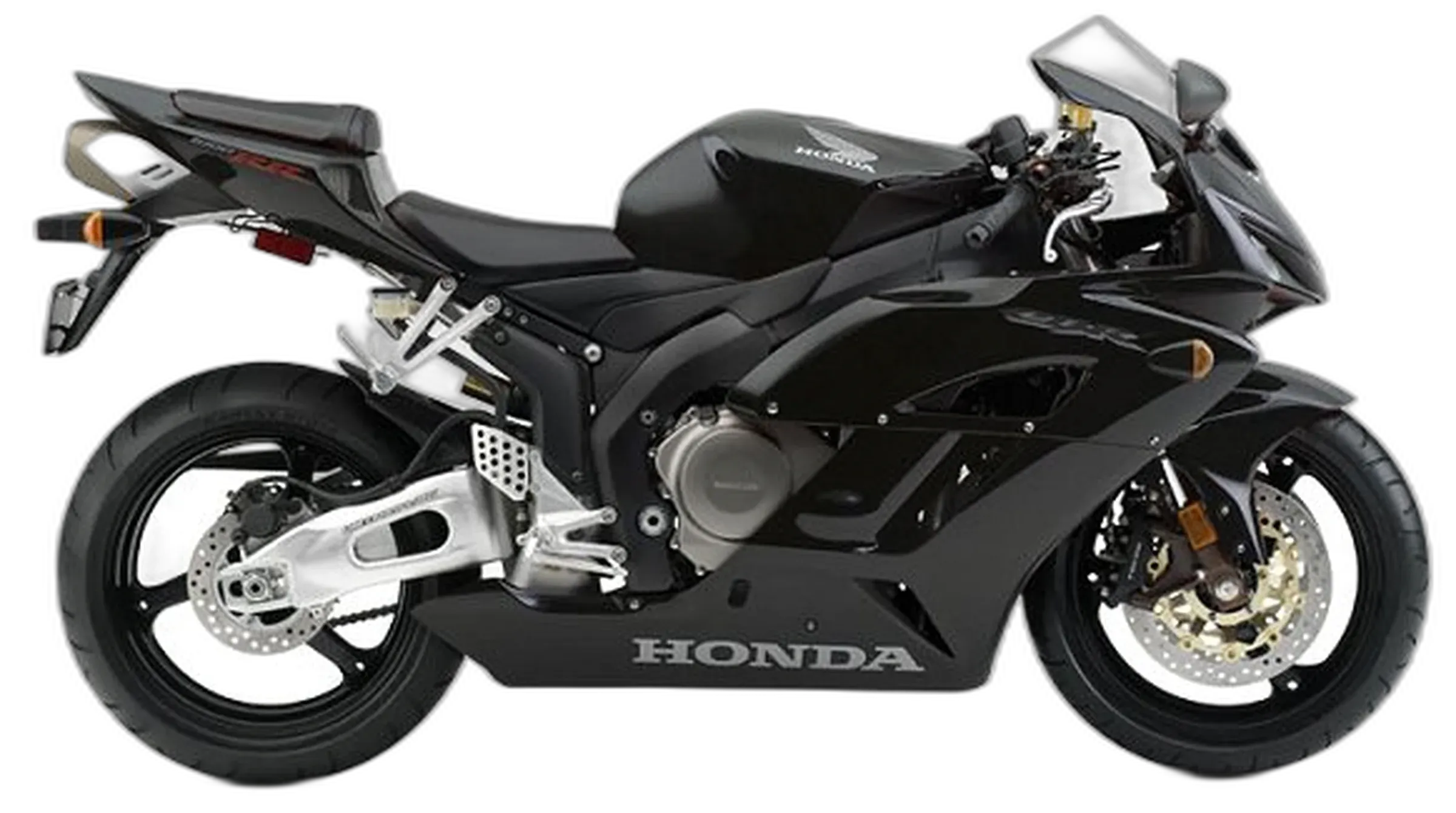
The SC57 Fireblade drops a 998cc inline-four making 172 hp into an aluminum beam frame built on MotoGP thinking, and the result is a litre supersport that hands you its performance instead of daring you to earn it. Power arrives with a predictability that's genuinely rare at this output. You roll on at corner exit and the engine simply follows your wrist. The Honda Electronic Steering Damper (HESD) reads road speed, staying loose at parking pace and firming up once you're flat out. On paper it reads as a 172 hp weapon. In the seat it feels like it's on your side.

This is a machine that ages the way the good Hondas do. Build quality and reliability are strong, and the chassis calibration leans slightly soft for the class, which pays you back the moment the road surface stops being perfect. It suits the trackday regular, the canyon rider, and anyone stepping up who wants real litre-class capability without ending up over their head. The honest caveats are two. Turn-in asks for a small extra push where this class expects an instant response, and closing the throttle mid-corner brings a sharper engine-braking edge than a softer map would. Neither ruins it. Both simply ask for a little precision.

Hard Numbers

Spec sheets don't ride bikes, but they set the baseline.

Show full specs & equipment Hide specs & equipment
Key specifications
Power 172 hp (127 kW)
Torque 85 lb-ft (115 Nm)
Displacement 998 cc
Engine Inline-four
Cooling Liquid-cooled
Gearbox 6-speed
Final drive Chain
Front brake 320 mm
Front tire 120/70-17
Rear tire 190/50-17
Seat height 32.3 in (820 mm)
Wet weight 441 lb (200 kg)
Fuel capacity 4.8 gal (18 L)
Top speed 178 mph (287 km/h)
Fuel economy 29 mpg (US)

Equipment check

Chassis

  • Front Suspension Adjustable Standard
  • Rear Suspension Adjustable Standard
  • Steering Damper Honda Electronic Steering Damper (HESD) High speed stabilityKickback suppression Standard

The Voice of Experience

Portrait of NastyNils

The test ride

Settle into it and the first thing you notice is how little reaches you. The balance shaft does genuine work, so across the whole rev range there's almost nothing buzzing through the bars or the pegs. The riding position is committed, no pretending otherwise, but the geometry stops short of the wrist-killing extreme, and past the first hour you aren't counting down to the next gas stop. Part of that is the fairing. There's no helmet turbulence at any speed, and the wind pressure building on your shoulders actually lifts weight off your hands. Over broken pavement the steering damper keeps the front from getting loose, and landing a small wheelie brings no kickback through the bar. Wind it out through fast sweepers and the chassis just sits there, planted and matter-of-fact.

Rated point by point — where it earns its keep

My own 0–100 score for this bike against the class, area by area — the marker on each bar is the class average.

What won me over is how wide the usable window is. Straight out of the crate the suspension sits firm enough for genuine corner work yet never beats you up on scruffy pavement, and when you want more, the onboard tool and a couple of minutes on the clickers hand you all the stiffness that hard braking and fast side-to-side changes ask for. The geometry is the other half of it. Drive hard out of a tight switchback and the front wheel stays pinned to the road, so it isn't lifting and hauling you off line every time you get greedy with the gas. That lets me get on the throttle earlier and really lean on the drive. Nothing about the way it steers feels edgy or highly strung either. It goes where I point it and asks very little back for the trouble.

The front brake is the kind you lean on harder the longer you ride. Feel is linear and pressure meters off a single fingertip, so lap after lap my markers keep creeping later until I'm hauling the bike down deep into corners I'd have shut off for early on the opening lap. It keeps its head when it matters, too. Grab a big handful for something that jumps out at a blind bend and there's real force still in reserve, with no snatch and no lockup, so I can commit to the front instead of tiptoeing around it.

If this Fireblade has a single signature, it's how safely it lets you go hunting for your own edge. You can wind the pace right up toward your limit and feel exactly where that line sits well before you'd step over it, which keeps the whole business rational instead of a leap of faith. For a bike this quick the cushion is unusually broad. A rider moving up off something smaller and slower isn't suddenly going to find themselves in over their head, and that margin is the thing I keep coming back to.

Big power usually rides in with a temper. This motor doesn't have one. I can meter drive out of a bend to the exact degree the corner wants and it never lunges or snaps at me, which for this much output is genuinely uncommon. It even makes a careful rider look sharper than he really is. The only rough edge shows up on a closed throttle, where the engine braking bites harder than a gentler map would and asks for a tidy, deliberate hand at the grip.

One packaging choice keeps earning its keep in a way you'd never guess from the brochure. Because the can tucks up under the tail rather than hanging off the side, a low-speed spill that would flatten a conventional pipe often leaves it completely untouched. It's a small thing on paper, but it's exactly the sort of detail that keeps a minor drop from costing you real money.

Longer stints are where it quietly surprises. A balance shaft pushes the four-cylinder vibration so far down that neither the bars nor the pegs leave my hands or feet prickling anywhere in the range. The fairing punches above its looks too. I got no turbulence at the helmet at any speed, and the air stacking up on my chest actually props me upright and takes load off my wrists in the crouch. The stance is committed and I won't pretend otherwise, but it stops short of the extreme, so an hour in nothing has started to ache.

This is the ground where a lot of liter bikes come undone and the Honda simply gets on with the job. Aim it at a mountain pass or a patched, mixed-surface back road and it feels at home rather than merely putting up with the tarmac until things smooth out. The whole machine is tuned around the roads most of us actually ride, so holding a real pace over broken surfaces costs me far less effort than it does on rivals built for billiard-table pavement.

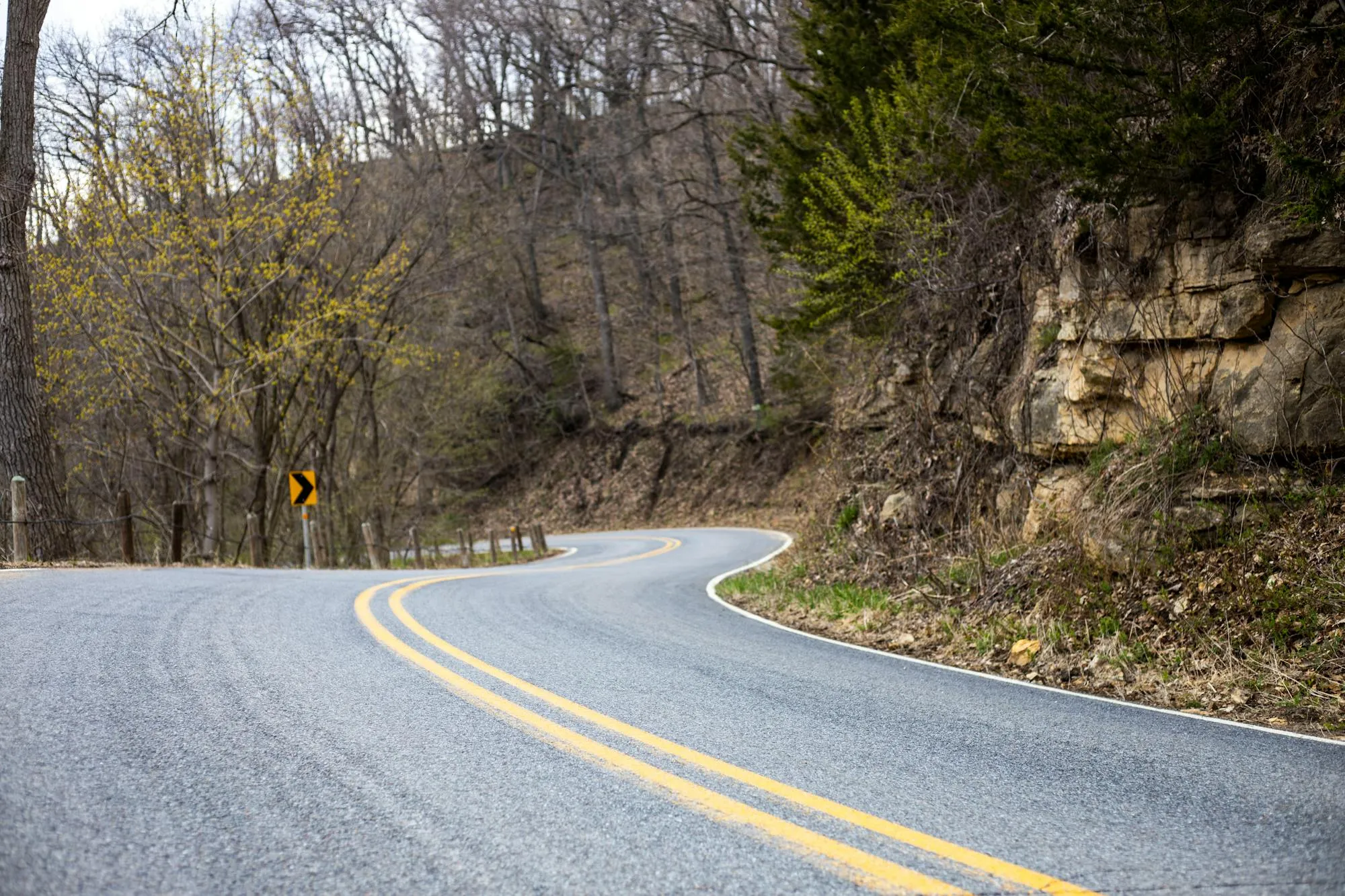
A winding two-lane asphalt road in the Appalachian mountains, photographed in dry daylight. Yellow double-center line markings guide through a series of tight left-hand curves. Dense deciduous and evergreen forest flanks both sides; a rock cut is visible on the right. The road surface and geometry suggest a technical, high-traffic riding corridor popular with motorcyclists.
Chris Flaten / Pexels

The Truth on the Street

None of this is my own scorecard. It's distilled from years of listening to the people who actually live with this bike: rider communities I keep an eye on, talk in the pits, and the notes owners send me one to one. For the SC57 a steady picture forms. This is a bike people ride hard and rarely fall out with, trailed by a few complaints that keep coming back.

Where the praise lands

The engine draws the most agreement. Riders describe power that stays smooth and linear from low in the range, accessible and easy to meter on the road. The chassis earns nearly the same trust, called neutral and planted enough to build real confidence rather than second-guessing. Alongside that sits the long-term story: owners report high miles with few serious mechanical headaches, the kind of dependability they've come to count on.

The gripes that keep surfacing

The common knock is on outright drive. A fair number read it as tame next to the ZX-10R and GSX-R1000, and that impression runs strongest on the earliest bikes. Suspension is the next sore point, with the factory settings judged too firm for everyday roads until they're softened off. A few also miss a slipper clutch, wishing hard, quick downshifts came through cleaner.

Known issues

  • Fuel tank recall (2006-2007 models)

    fuel systemrareRecall

    Certain 2006-2007 models were recalled due to a potential fuel tank leak that could cause a fire hazard.

  • Speedometer under-reading (recall)

    electricsrareRecall

    Some early models had a speedometer that under-read by up to 25%; a recall was issued to correct it.

  • Cam chain tensioner failure

    engineoccasional

    The automatic cam chain tensioner can fail at higher mileages, typically around 16,000 miles, causing a rattling noise and potential engine damage if not addressed.

  • Brake caliper seals sticking

    brakesoccasional

    Front brake caliper seals can deteriorate, causing pistons to stick and reducing braking performance; requires caliper strip-down and seal replacement.

  • Stator and regulator/rectifier failure

    electricscommon

    The stator and/or regulator rectifier are prone to burning out, especially during extended low-RPM riding, leading to charging system failure.

The Expert Benchmark

Where this Honda CBR1000RR Fireblade pulls ahead of — or falls behind — its rivals on the numbers, and the typical bike in its class on character.

What kind of bike this is — character vs. the class

This bike Class average

The shape of the Honda CBR1000RR Fireblade — numbers and character vs. the average Supersport

Head-to-head: Honda CBR1000RR Fireblade vs. its rivals

The Handshake Score

Forget spec-sheet bragging. Here's who the CBR1000RR Fireblade is actually built for.

A scenic view of Angeles Crest Highway winding through rugged Southern California canyon terrain. Rocky mountainsides with golden earth tones frame the asphalt road with tight sweeping curves. Double yellow center line visible, sparse vegetation along the shoulders, clear blue sky with white clouds. Daylight, dry conditions. Iconic location for canyon-road enthusiasts.
Josh Sorenson / Pexels

Best motorcycle for Angeles Crest?

Built for exactly the canyons you ride. The softer-leaning setup shrugs off broken tarmac, the chassis stays planted, and you can carry real pace where the road isn't perfect. You give up a touch of precision on glassy sections, nothing more.

Made for Angeles Crest Highway · Coronado Trail / US 191 · Highway 1 / Big Sur
Best motorcycle for Laguna Seca?

On track this Blade lets you chase apexes and move your brake markers deeper each session without punishing your mistakes. The wide margin means you learn fast, but the electronics are old-school, so throttle discipline is on you.

Made for Barber Motorsports Park · WeatherTech Raceway Laguna Seca · Circuit of the Americas

Best motorcycle for Tail of the Dragon?

For the tight, technical stuff you live on, the wide margin and clear feedback let you work on lines instead of surviving them. Turn-in wants a small extra push, but the payoff is trust every time the surface turns rough.

Made for Back of the Dragon · Blue Ridge Parkway · Cherohala Skyway

What's new versus the previous generation

If you're cross-shopping the older generation, here's what changed.

Honda CBR900RR (SC50)

Previous generation · 2002–2003

Honda CBR900RR (SC50)

Razor-Light, Instantly Committed

Compare to the previous model →

Alternatives to the Honda CBR1000RR Fireblade

If this one isn't quite the fit, these are the bikes worth riding back-to-back against it.

Any price note compares both bikes at the same age — the youngest age both have on the used market — against this Honda CBR1000RR Fireblade. “cheaper/pricier” is what that bike costs second-hand, not how worn it is.