Honda CBR900RR (SC50) — Supersport
NastyNils / Honda Press

2002–2003 · Supersport · Buyer's Guide

CBR900RR (SC50)

Razor-Light, Instantly Committed

The Machine's Character

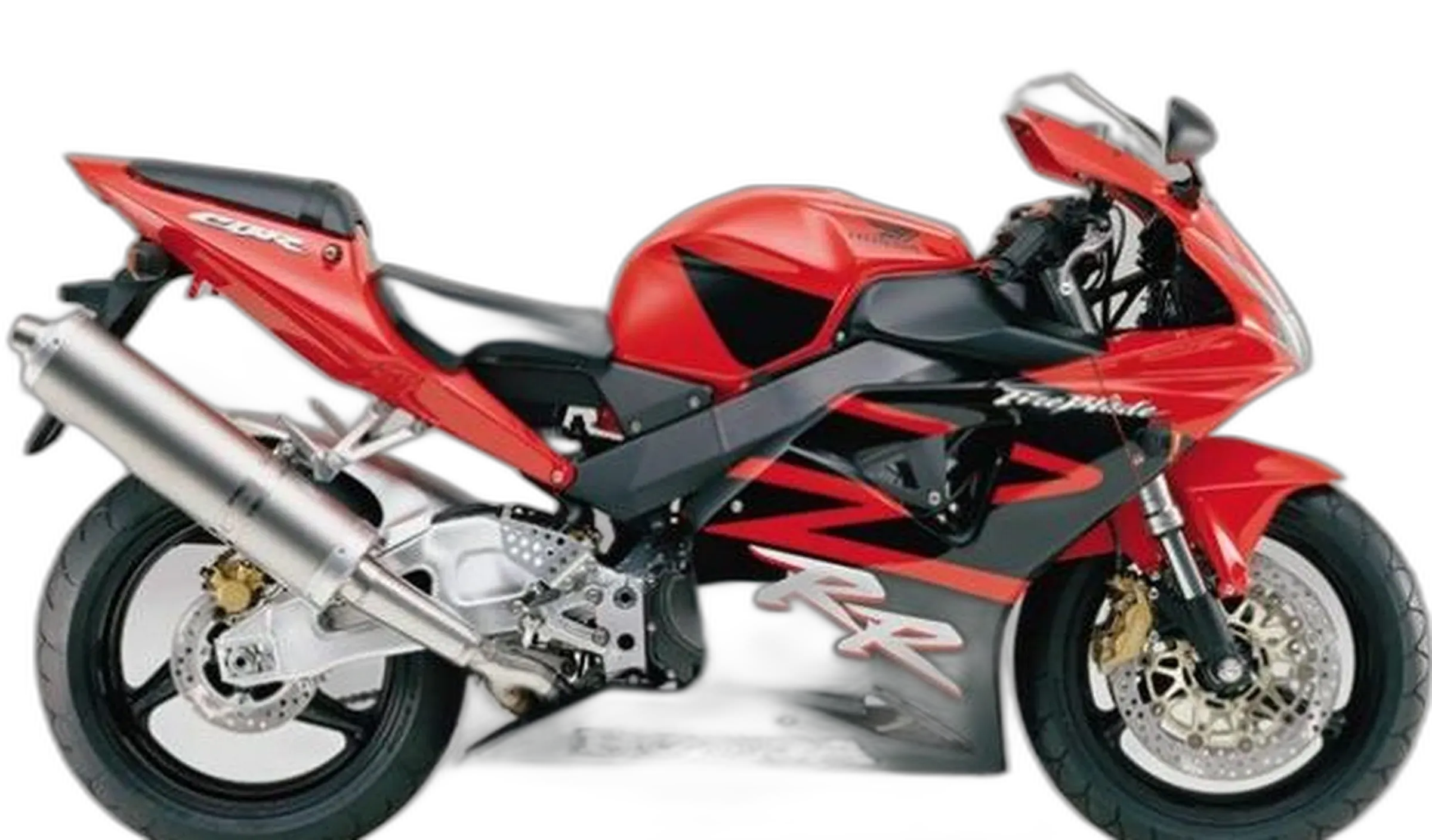
This is Honda's lightweight Fireblade concept honed to a fine point. The 954cc inline-four spreads its 154 hp across a wide, usable band, with real midrange underneath and a hard top-end pull, yet the whole machine tips the scale at just 423 lb wet. That combination is the whole idea. It steers with a lightness and immediacy heavier machines can't match, and it hands you an intimate read of what the front tire is doing. In its class this bike sits right at the sweet spot between agility and genuine pace.

On the road it rewards a rider who commits. Get your weight into the pegs, keep your hands loose, and it flows from one direction to the next with almost no effort. Build quality and reliability are quietly excellent, and aftermarket support runs deep, so a well-kept example ages into a trustworthy long-term keeper. The honest caveat: it arrives with its suspension out of balance, and a chassis this light trades a little straight-line calm for its sharpness. Sort the setup, and for track use fit a steering damper. Do that, and the character opens right up.

Hard Numbers

Spec sheets don't ride bikes, but they set the baseline.

Show full specs & equipment Hide specs & equipment
Key specifications
Power 154 hp (113 kW) @ 11,250 rpm
Torque 78 lb-ft (106 Nm) @ 9,000 rpm
Displacement 954 cc
Engine Inline-four
Cooling Liquid-cooled
Gearbox 6-speed
Final drive Chain
Fork Upside-down (USD)
Front brake 330 mm
Front tire 120/70-17
Rear tire 190/50-17
Wheelbase 55.3 in (1405 mm)
Seat height 32.1 in (815 mm)
Wet weight 423 lb (192 kg)
Fuel capacity 4.8 gal (18 L)
Top speed 170 mph (274 km/h)
Fuel economy 33 mpg (US)

Equipment check

Chassis

  • Front Suspension Adjustable Standard
  • Rear Suspension Adjustable Standard

The Voice of Experience

Portrait of NastyNils

The test ride

Settle into it and the riding position tells you the mission straight away: wrists loaded, weight forward, everything angled at the front wheel. At sane pace it feels almost too eager, darting at small inputs while the light front skips over rough pavement if you grip the bars instead of the pegs. Wind it out and the airstream starts doing you a favor, pressing on your chest and lifting load off your forearms, so the fast stuff feels calmer than the slow. The flip side is town. Fifteen crawling miles in traffic drained me harder than a full day at speed, and setting front preload is a genuine fiddle, since you have to bottom the adjuster and count turns back from zero. This bike wants to be ridden, not commuted.

Rated point by point — where it earns its keep

My own 0–100 score for this bike against the class, area by area — the marker on each bar is the class average.

Ask this Fireblade to change direction and it answers before you've finished the thought. A light press on the bar puts it on its side, and it holds whatever line you picked without any wrestling from the rider. In quick left-to-right work it's flat-out ferocious; the Superstock racer who put it through its paces landed on a single word, dominant, and I won't argue. The honest cost sits in two places. Fresh from the factory the front runs too firm and the rear too soft, and on broken pavement that mismatch lets the light front get skittish if you feed tension into the bars instead of loading the pegs. And a machine this featherweight buys its agility by giving up calm at real speed; the factory reworked steering components under warranty for that oscillation, and I'd fit a steering damper before any track session. Balance the two ends and the willingness is the whole story.

The stopping power itself is beyond question, so the thing worth flagging is a quirk in how it delivers. Hold steady pressure through a stop and the bite keeps climbing on its own; the bike hauls down harder as the maneuver runs its course, even though your hand hasn't moved. A guest rider caught the same thing. There's real authority behind it, but the feel isn't perfectly linear, so you learn to meter that late-stop surge rather than be caught out by it.

What stays with me here isn't a headline power figure, it's the sheer accuracy of the throttle. Crack it a quarter and you get precisely a quarter of the drive, the same clean, predictable climb from just above idle right up to the ceiling. I struggle to picture it being any tighter. That's the payoff too: because the response never catches you out, you can commit to the gas early and hard while the bike is still leaned well over, and trust that what you asked for is exactly what arrives.

Comfort here isn't about padding, it's about what pace does for you. Ride it hard and the blast against your chest lifts a real share of weight off your wrists, so the fast stuff is genuinely easier on the body than a gentle cruise. The one nag is setting front preload. Nothing lets you eyeball it, so getting a number means backing the adjuster fully off and counting your way up from zero every time. It works fine once you've logged that figure. It just asks more of you than so simple a job should.

Judge this as a do-everything machine and it hands you one blunt truth: it hates going slow. A full day of committed riding at speed left me fresher than a measly fifteen miles of stop-and-go ever did. All that clutch work and constant fussing in town takes a toll that fast, purposeful road work simply doesn't. It's the tax every supersport charges, and this one charges it in full. Ride it where it wants to be and the fatigue never shows up.

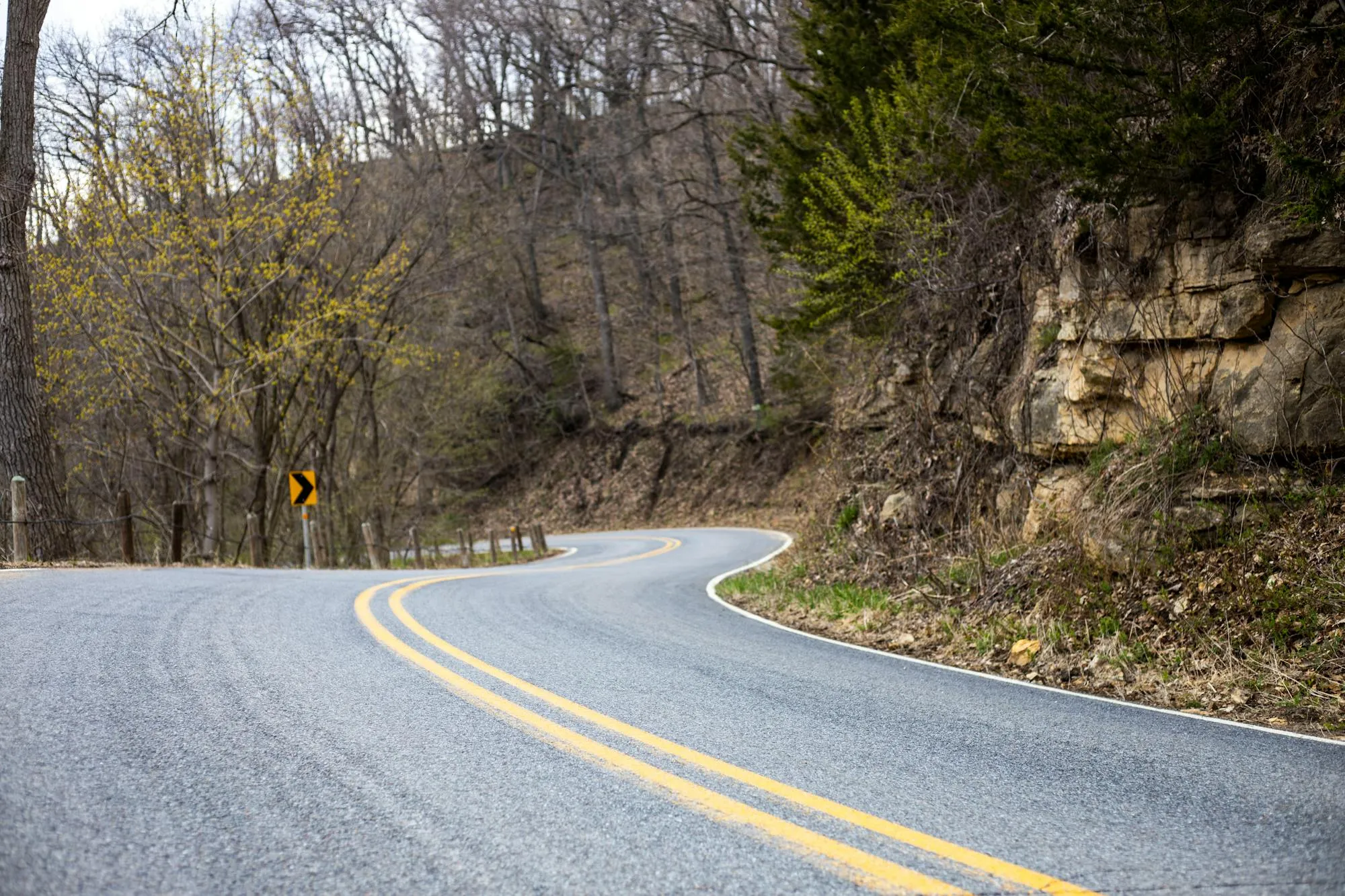
A winding two-lane asphalt road in the Appalachian mountains, photographed in dry daylight. Yellow double-center line markings guide through a series of tight left-hand curves. Dense deciduous and evergreen forest flanks both sides; a rock cut is visible on the right. The road surface and geometry suggest a technical, high-traffic riding corridor popular with motorcyclists.
Chris Flaten / Pexels

The Truth on the Street

The verdict here isn't a single test ride. It's what I've pieced together over two decades of listening to riders: the threads they start, the messages they send me directly, and talk in the paddock. For the SC50 the signal stays consistent: riders value how eager and featherweight the bike feels, and they name a couple of quirks that keep surfacing.

What owners keep coming back to

Handling dominates the feedback. Owners describe a bike that drops into a corner willingly and keeps them informed of what the front is doing, and they point to how little it weighs for its class as the reason it stays so easy to place. The engine draws nearly as much praise: strong through the middle, flexible enough for ordinary use, and fierce once the revs climb. Plenty single out Honda's durability and clean finish, and a fair number say the seating position holds up better on a long day than they expected from a pure sportbike.

The habits riders flag

Two complaints recur. The fueling can turn abrupt just off idle, which makes smooth progress through town or on a wet surface harder than it should be. And under hard drive over bumps, some report the front end shaking the bars. Most treat it as harmless, though it can rattle you the first time it happens.

Known issues

  • Steering head bearing update campaign

    chassisoccasional

    The sharp-steering 2002 model was subject to a Honda steering-stem bearing update campaign (a service action, not a safety recall) aimed at calming the front end; 2003 bikes left the factory already revised. Notchy or worn steering-head bearings are a documented owner concern on early bikes, so confirm the update was carried out or the bearings are healthy.

  • Regulator/rectifier and stator failures

    electricsoccasional

    The charging system can fail, with the regulator/rectifier overheating or the stator burning out, leading to battery drain and potential breakdown. This is a known Honda issue from the era.

The Expert Benchmark

Where this Honda CBR900RR pulls ahead of — or falls behind — its rivals on the numbers, and the typical bike in its class on character.

What kind of bike this is — character vs. the class

This bike Class average

The shape of the Honda CBR900RR — numbers and character vs. the average Supersport

Head-to-head: Honda CBR900RR vs. its rivals

The Handshake Score

Forget spec-sheet bragging. Here's who the CBR900RR is actually built for.

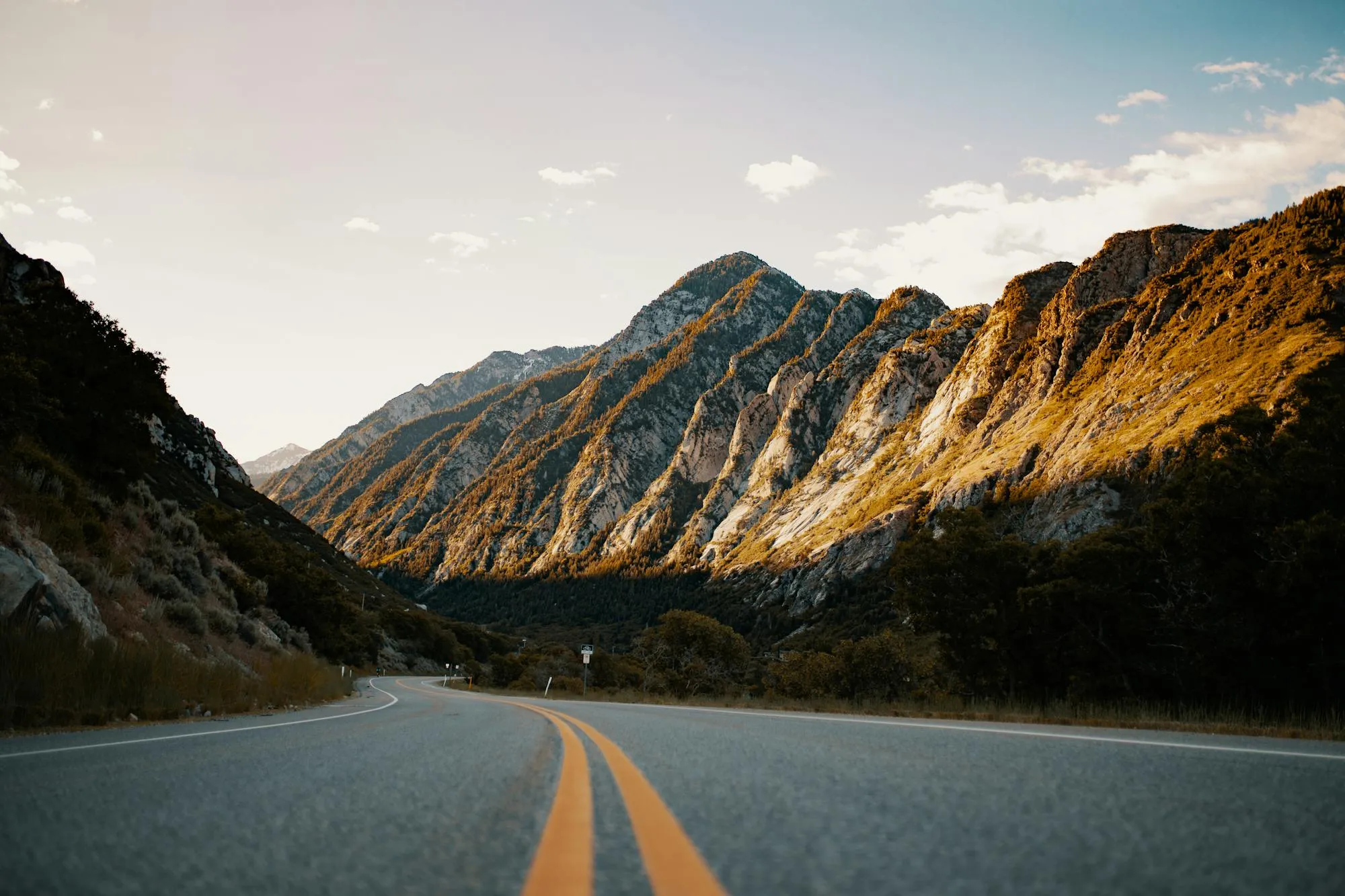
A scenic view of Angeles Crest Highway winding through rugged Southern California canyon terrain. Rocky mountainsides with golden earth tones frame the asphalt road with tight sweeping curves. Double yellow center line visible, sparse vegetation along the shoulders, clear blue sky with white clouds. Daylight, dry conditions. Iconic location for canyon-road enthusiasts.
Josh Sorenson / Pexels

Best motorcycle for Angeles Crest?

For Angeles Crest and the LA canyons this is a natural fit. It's feather-light, ferociously quick side to side, and precise enough to nail your line every time you tip it in.

Made for Angeles Crest Highway · Coronado Trail / US 191 · Highway 1 / Big Sur
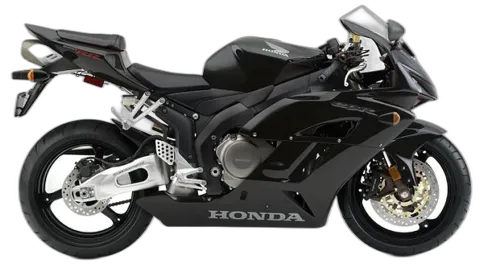
Best motorcycle for Tail of the Dragon?

Tail of the Dragon and the Blue Ridge twisties are exactly its element. The immediate turn-in and deep lean clearance reward skill over speed, which is the whole point for you.

Made for Back of the Dragon · Blue Ridge Parkway · Cherohala Skyway

Alternatives to the Honda CBR900RR

If this one isn't quite the fit, these are the bikes worth riding back-to-back against it.

Any price note compares both bikes at the same age — the youngest age both have on the used market — against this Honda CBR900RR. “cheaper/pricier” is what that bike costs second-hand, not how worn it is.