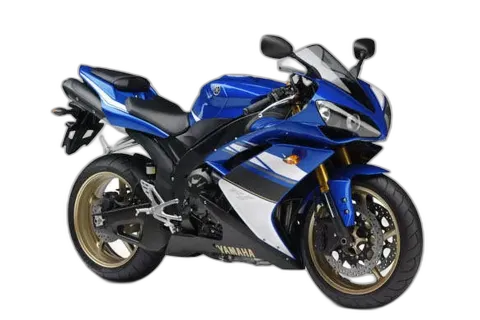
Yamaha YZF-R1 (RN12) — Supersport
NastyNils / Yamaha Press

2004–2006 · Supersport · Buyer's Guide

YZF-R1 (RN12)

Razor Chassis, Real Consequences

The Machine's Character

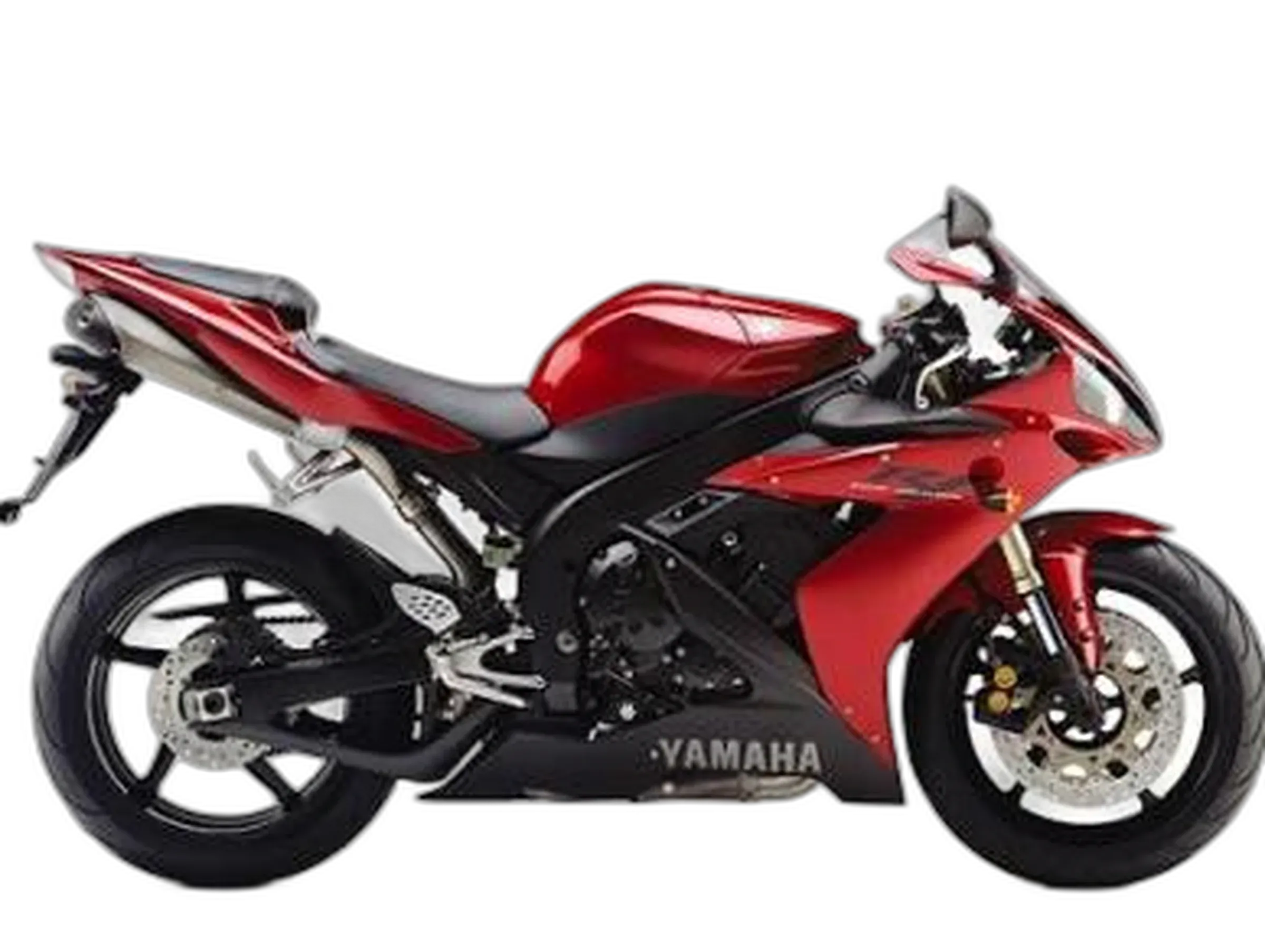
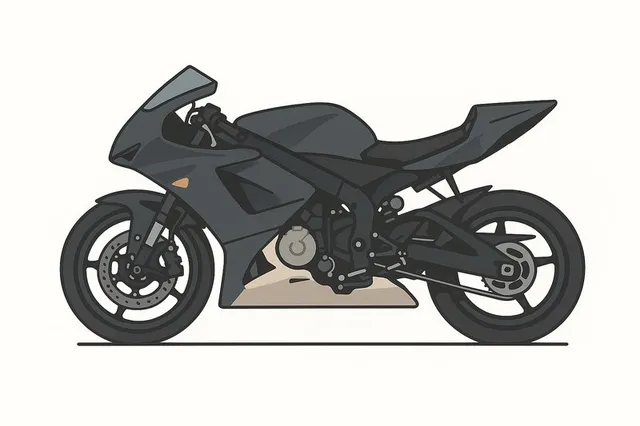
This is the R1 that Yamaha aimed squarely at the racetrack. The 998cc inline-four runs a five-valve head and spins to 172 hp at 12,500 rpm, hung in a Deltabox V aluminum frame that gives up nothing on stability. Radial front brakes, fully adjustable suspension, and an underseat exhaust wrap it in a classy, aggressive stance that still lands today. It sits at the sharp end of the liter class: seriously fast when you ask, but built around precision and feel rather than raw intimidation. The chassis is the headline act here, not just the motor.

On the road it stays genuinely enjoyable, which is no small thing for a bike pushed this hard toward the track. It rewards skill and punishes the lack of it, so it suits an experienced hand chasing corners more than a first big bike. Buy with your eyes open on the known trouble spots: the EXUP valve in the collector can seize and dull the low-end, a few early engines have spun a bearing, and premature stator failure turns up on some bikes. The geometry is precision-cut, so blunt suspension changes get punished. Respect it and it gives back everything you put in.

Hard Numbers

Spec sheets don't ride bikes, but they set the baseline.

Show full specs & equipment Hide specs & equipment
Key specifications
Power 172 hp (127 kW) @ 12,500 rpm
Torque 79 lb-ft (107 Nm) @ 10,500 rpm
Displacement 998 cc
Engine Inline-four
Cooling Liquid-cooled
Gearbox 6-speed
Final drive Chain
Fork Upside-down (USD)
Front brake 320 mm
Front tire 120/70-17
Rear tire 190/50-17
Seat height 32.9 in (835 mm)
Wet weight 425 lb (193 kg)
Fuel capacity 4.8 gal (18 L)
Top speed 180 mph (290 km/h)
Fuel economy 32 mpg (US)

Equipment check

Chassis

  • Front Suspension Adjustable Standard
  • Rear Suspension Adjustable Standard
  • Steering Damper Standard

The Voice of Experience

Portrait of NastyNils

The test ride

Fire it up and the inline-four sounds every bit as good as the spec sheet promises, one of the best notes in the class. Settle in and the riding position asks for commitment. The seat lets you shift around for each phase of a corner, but drop your posture under hard braking or drive and your muscles start screaming faster than on almost anything else you'll swing a leg over that week. Through your fingertips the front end talks constantly, sitting right at the edge of the stability envelope without ever tipping into nervous. Lean clearance is enormous, so you run out of nerve long before you run out of ground clearance. Snatch a tight exit and the front paws at the sky, then the stock steering damper settles it before you've finished grinning. It stays composed at real road pace, not only on a hot lap.

Rated point by point — where it earns its keep

My own 0–100 score for this bike against the class, area by area — the marker on each bar is the class average.

This is where the bike sets itself apart for me. Changes of direction come with almost no delay, fast enough that on paper it ought to feel skittish, yet in the moment it stays planted and honest. What sells it is the way the front leans toward the next apex before I have fully asked for it, keen without ever going vague. The catch is how narrow the setup window is. The geometry sits in a fine band, and careless suspension changes will not be forgiven, so it rewards a deliberate hand.

Get hard on the gas out of a genuinely tight corner and the front lifts whether you meant it to or not. The wrong instinct is to grab the bars tight in surprise, which only provokes the front to buck back at you. The standard steering damper is what rescues it, calming the wobble quicker than I could consciously react, so the front is settled again almost before the lift has registered. It shrugs off what could easily have turned into an ugly moment.

There is a deep reserve of stopping power at the lever, and it took only a handful of laps before I was leaning on it fully instead of feathering. It asks for discipline in return. Come to the brake with your weight lazy or loose and it lets you know instantly. Get yourself set first and it turns into a precise instrument I could trust completely at the front. Sort your inputs and the bite stops being intimidating and starts being an asset.

What keeps my confidence high is the fueling. Clean throttle pickup and the electronic throttle feed the rear predictably, and the swingarm is built stiff in torsion yet flexible down its length, so what I ask for at a corner exit lands as usable drive instead of a gamble. Even short of the ideal gear it keeps working for me. The one soft spot: reopen the throttle after the motor has been ambling at idle or coasting a while and the response goes briefly unsettled before it cleans itself up.

Don't come here expecting to relax. The saddle does give you room to reposition as a corner moves through its stages, but it never lets you switch off. Drop out of a proper posture while you're driving hard or hauling on the brakes and your body starts protesting quickly, sooner than on most machines I would ride in the same stretch of days. The pace this bike offers is real, and you settle the bill in physical effort every time out.

Yamaha steered this R1 further toward the track than the model it replaced, and that kind of move usually dulls a bike on public roads. Not this time. It held onto the qualities that make an everyday ride worthwhile, where the R6 gave up much of its street character reaching for lap times. For a rider who logs most miles on ordinary roads yet still wants the big motor under them, this is the liter I would point them toward.

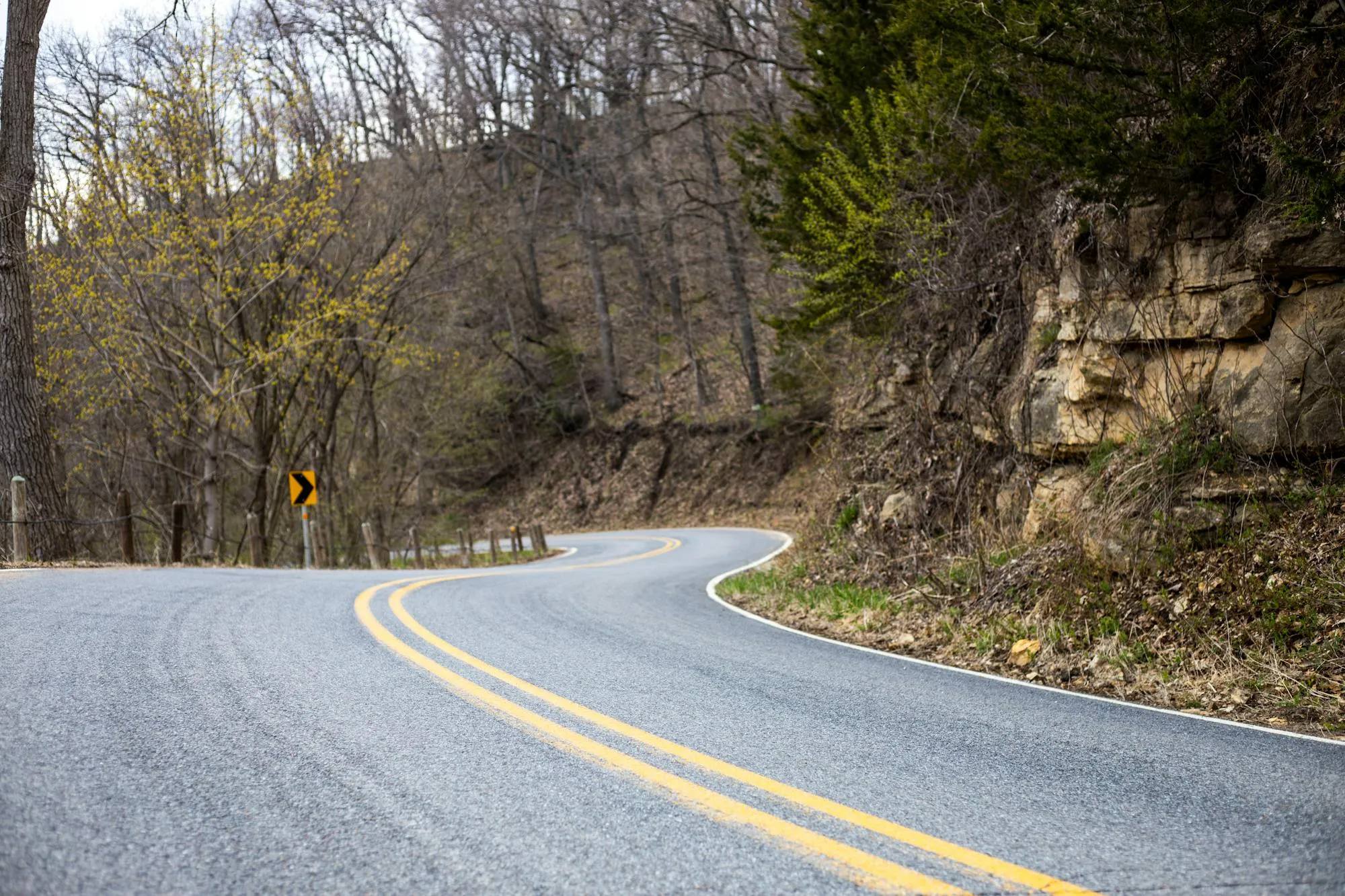
A winding two-lane asphalt road in the Appalachian mountains, photographed in dry daylight. Yellow double-center line markings guide through a series of tight left-hand curves. Dense deciduous and evergreen forest flanks both sides; a rock cut is visible on the right. The road surface and geometry suggest a technical, high-traffic riding corridor popular with motorcyclists.
Chris Flaten / Pexels

The Truth on the Street

This picture comes from years of listening rather than any single test: threads I follow, conversations in the pits, and the notes riders send straight to my inbox. Stack it all up and the praise gathers around how this R1 carries speed, while the sharper complaints stay few and specific.

The composure riders lean on

Riders consistently describe a chassis that shrugs off drama. It holds its footing through fast, sweeping corners and keeps its composure even where the pavement turns rough, the kind of stability that lets them commit. The engine draws the same enthusiasm from a different direction. What they single out is the top-end: a high-revving inline-four that keeps building the harder you wind it out, with a rush plenty of them still call ferocious today.

What that tall first gear costs

The gripe that recurs most is mechanical and specific. First gear is so tall that pulling away from a stop dumps real strain into the clutch, and riders report premature wear along with an occasional judder off the line, worst of all in stop-and-go traffic.

Known issues

  • Throttle position sensor recall (stalling risk)

    enginerareRecall

    The RN12 R1 was recalled (NHTSA campaign 06V371000) for an improperly designed throttle position sensor that could cause an intermittently unstable idle and stalling at low speed or when stopped, risking a momentary rear-wheel slip if the clutch was abruptly re-engaged in a low gear. A separate 2005-only campaign (09V360000) covered the same sensor failure.

  • EXUP valve seizure

    exhaustoccasional

    The exhaust ultimate power valve in the collector box can seize, causing the tachometer needle to sweep to a fixed point, pause, then reset ('tacho tango'). Leads to poor low-end response.

  • Potential spun bearing (isolated reports)

    enginerare

    A few owners have reported a spun bearing in the 2004-2005 engine, resulting in a metallic rattle and eventual engine failure. Appears at relatively low mileage in some cases.

  • Clutch wear from tall first gear

    drivetraincommon

    The very high first gear (over 90 mph possible) forces the clutch to absorb excessive energy during take-off, leading to accelerated wear, slippage, and judder. Worse in heavy traffic.

  • Stator failure

    electricsoccasional

    Some bikes suffer from premature stator failure, resulting in charging system problems and eventual battery drain. Often replaced preventatively by owners aware of the issue.

  • Hot starting difficulty

    electricsoccasional

    Some early bikes refuse to crank when hot due to a dirty connection on the starter relay located in the subframe. Cleaning the relay contacts resolves the issue.

The Expert Benchmark

Where this Yamaha YZF-R1 pulls ahead of — or falls behind — its rivals on the numbers, and the typical bike in its class on character.

What kind of bike this is — character vs. the class

This bike Class average

The shape of the Yamaha YZF-R1 — numbers and character vs. the average Supersport

Head-to-head: Yamaha YZF-R1 vs. its rivals

The Handshake Score

Forget spec-sheet bragging. Here's who the YZF-R1 is actually built for.

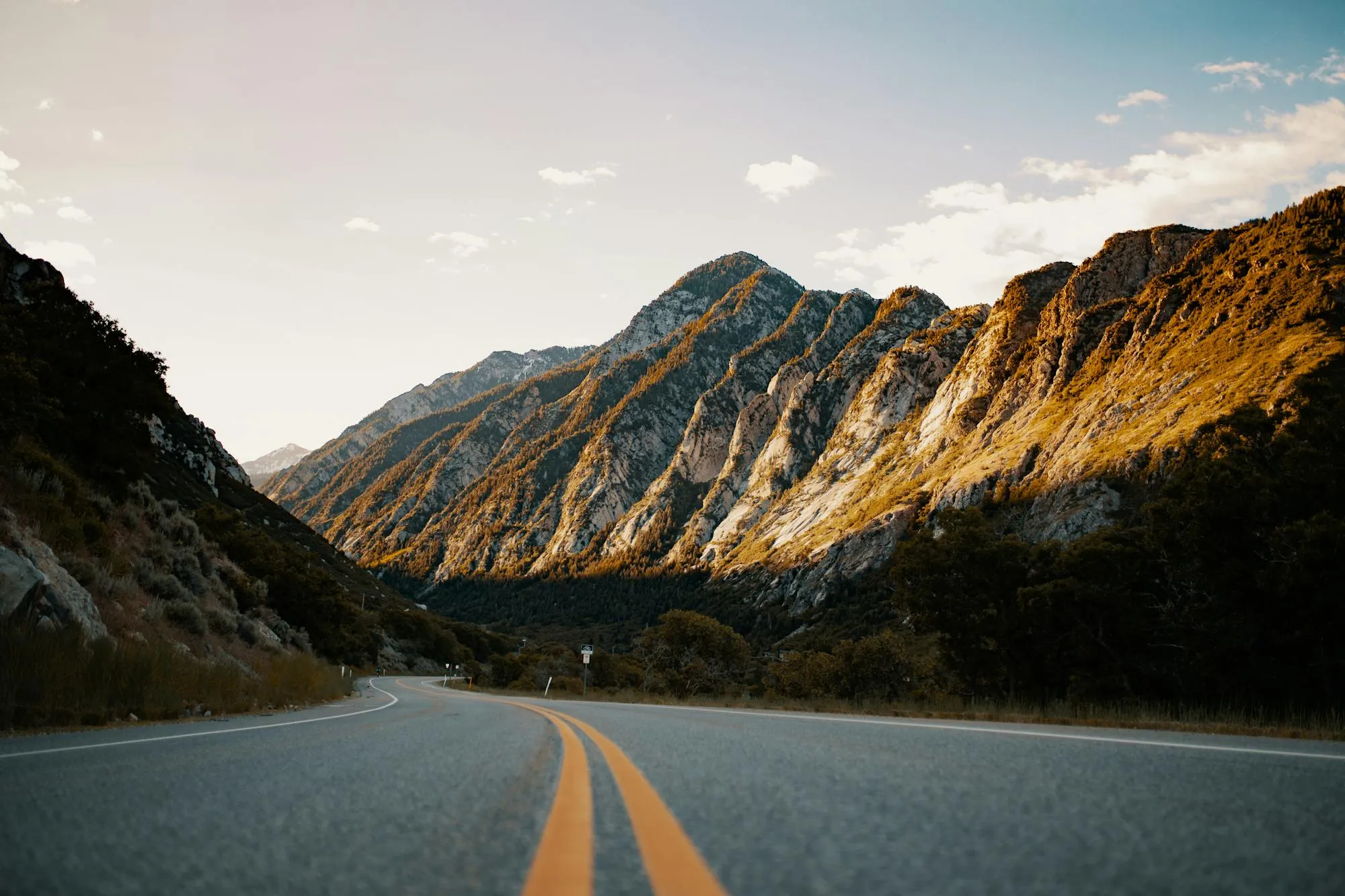
A scenic view of Angeles Crest Highway winding through rugged Southern California canyon terrain. Rocky mountainsides with golden earth tones frame the asphalt road with tight sweeping curves. Double yellow center line visible, sparse vegetation along the shoulders, clear blue sky with white clouds. Daylight, dry conditions. Iconic location for canyon-road enthusiasts.
Josh Sorenson / Pexels

Best motorcycle for Angeles Crest?

This is your canyon weapon. On Angeles Crest it clips lines with the precision you chase, but it demands skill and clean body position. Ride it sharp and it flatters your weekends.

Made for Angeles Crest Highway · Coronado Trail / US 191 · Highway 1 / Big Sur
Best motorcycle for Laguna Seca?

Built for exactly your Sundays at the circuit. Sharp turn-in, huge lean clearance, and sticky corner exits reward apex precision, though the setup is fussy, so budget time for suspension and tires.

Made for Barber Motorsports Park · WeatherTech Raceway Laguna Seca · Circuit of the Americas

Best motorcycle for Tail of the Dragon?

On the Dragon and Cherohala this R1 rewards technique over bravery, hooking up cleanly through tight, repeating corners. It asks for real skill, and that is exactly the point of your riding.

Made for Back of the Dragon · Blue Ridge Parkway · Cherohala Skyway

Alternatives to the Yamaha YZF-R1

If this one isn't quite the fit, these are the bikes worth riding back-to-back against it.

Any price note compares both bikes at the same age — the youngest age both have on the used market — against this Yamaha YZF-R1. “cheaper/pricier” is what that bike costs second-hand, not how worn it is.