Ducati Panigale V4 (MY2018) — Supersport
Ducati press archive

2018–2021 · Supersport · Buyer's Guide

Panigale V4 (MY2018)

Four Cylinders, Ten-Tenths Design

The Machine's Character

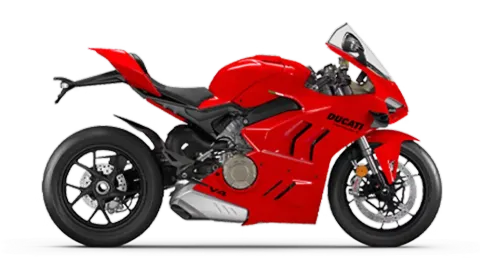
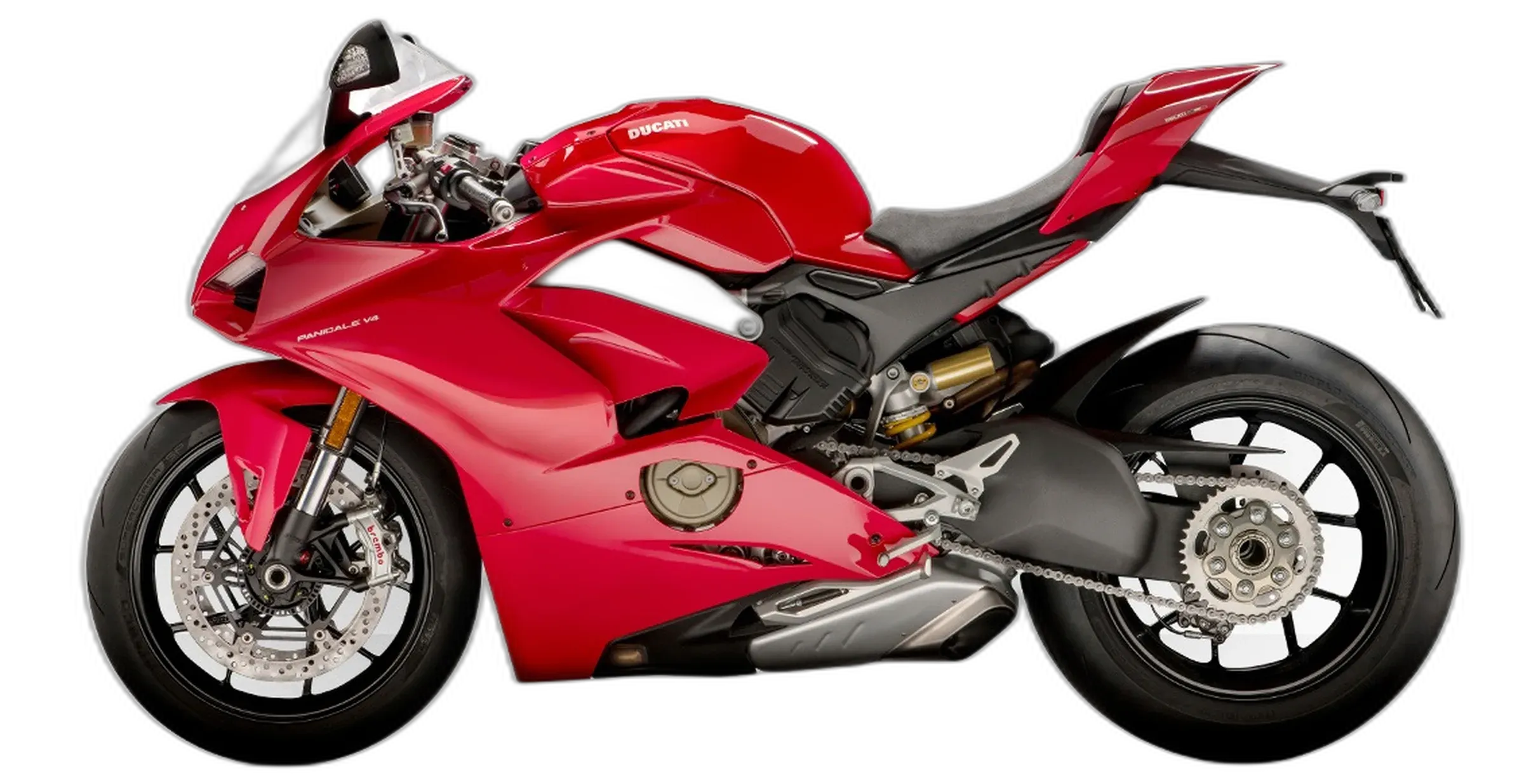
This is Ducati's first series-production four-cylinder superbike, and the whole machine is built around that engine. The 1103 cc Desmosedici Stradale runs a 70-degree Twin Pulse firing order and a counter-rotating crankshaft, which cancels part of the gyroscopic pull of the wheels and takes effort out of the steering. It makes 214 hp at 13,000 rpm and 91 lb-ft at 10,000 rpm, pulls cleanly from around 4,000 rpm, then steps hard at roughly 6,500 rpm on the way to a 14,000 to 14,500 rpm redline. At 437 lb wet on a 200/60-17 rear, it sits at the sharp end of the class.

What makes this generation matter is how little it asks of you for the pace it hands back. The chassis stays composed when you lean on it, and the rider-aid package (cornering ABS, traction control, wheelie and launch control, ride modes) is there to let you use the bike rather than to police you. It suits experienced riders who ride canyons hard, run track days, or simply want this shape in the garage. The honest caveat is everyday life. The rear cylinder sits under the seat and you feel it in traffic, and a 4.2 gal (16 L) tank at 36 mpg keeps the fuel stops close together.

Hard Numbers

Spec sheets don't ride bikes, but they set the baseline.

Show full specs & equipment Hide specs & equipment
Key specifications
Power 214 hp (158 kW) @ 13,000 rpm
Torque 91 lb-ft (124 Nm) @ 10,000 rpm
Displacement 1103 cc
Engine V4
Cooling Liquid-cooled
Gearbox 6-speed
Final drive Chain
Fork Upside-down (USD)
Front tire 120/70-17
Rear tire 200/60-17
Wheelbase 57.8 in (1469 mm)
Seat height 32.7 in (830 mm)
Wet weight 437 lb (198 kg)
Fuel capacity 4.2 gal (16 L)
Top speed 186 mph (300 km/h)
Fuel economy 36 mpg (US)

Equipment check

Chassis

  • Front Suspension Adjustable Standard
  • Rear Suspension Adjustable Standard
  • Steering Damper Standard

Connectivity

  • TFT Display Standard

Drivetrain

  • Quickshifter Standard
  • Slipper Clutch Standard

Lighting

  • LED Headlight Standard

Safety

  • ABS Standard
  • Cornering ABS Standard
  • Traction Control Standard
  • Ride Modes Standard
  • Wheelie Control Standard
  • Launch Control Standard

The Voice of Experience

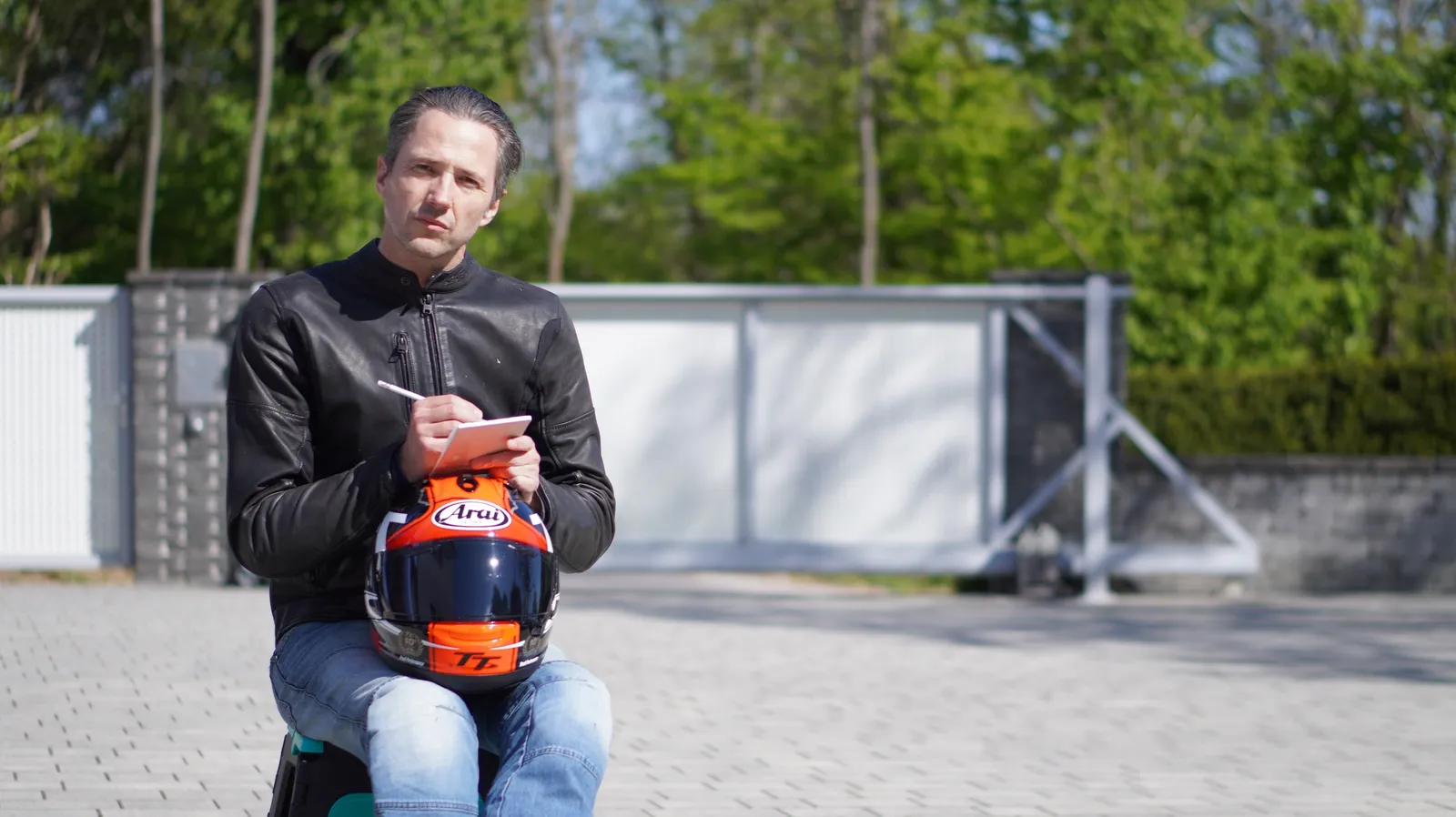
Portrait of NastyNils

The test ride

Start it cold and the clutch tells you about it: some rattle, a little grab off the line until the oil is warm and moving. That passes. What stays is the riding position, proper superbike, wrists loaded, hips high, the tank narrow enough that you lock onto it with your knees without thinking about it. The V4 noise sits behind you rather than under you and goes harder and flatter the higher it spins, and the thing has an insatiable appetite for revs. At normal road pace it never feels like it is working against you. The real tax is heat. Sitting at a light with the rear cylinder running away below the seat, hot air pushes out onto your inner thighs and you start hunting for green. Roll again and it clears.

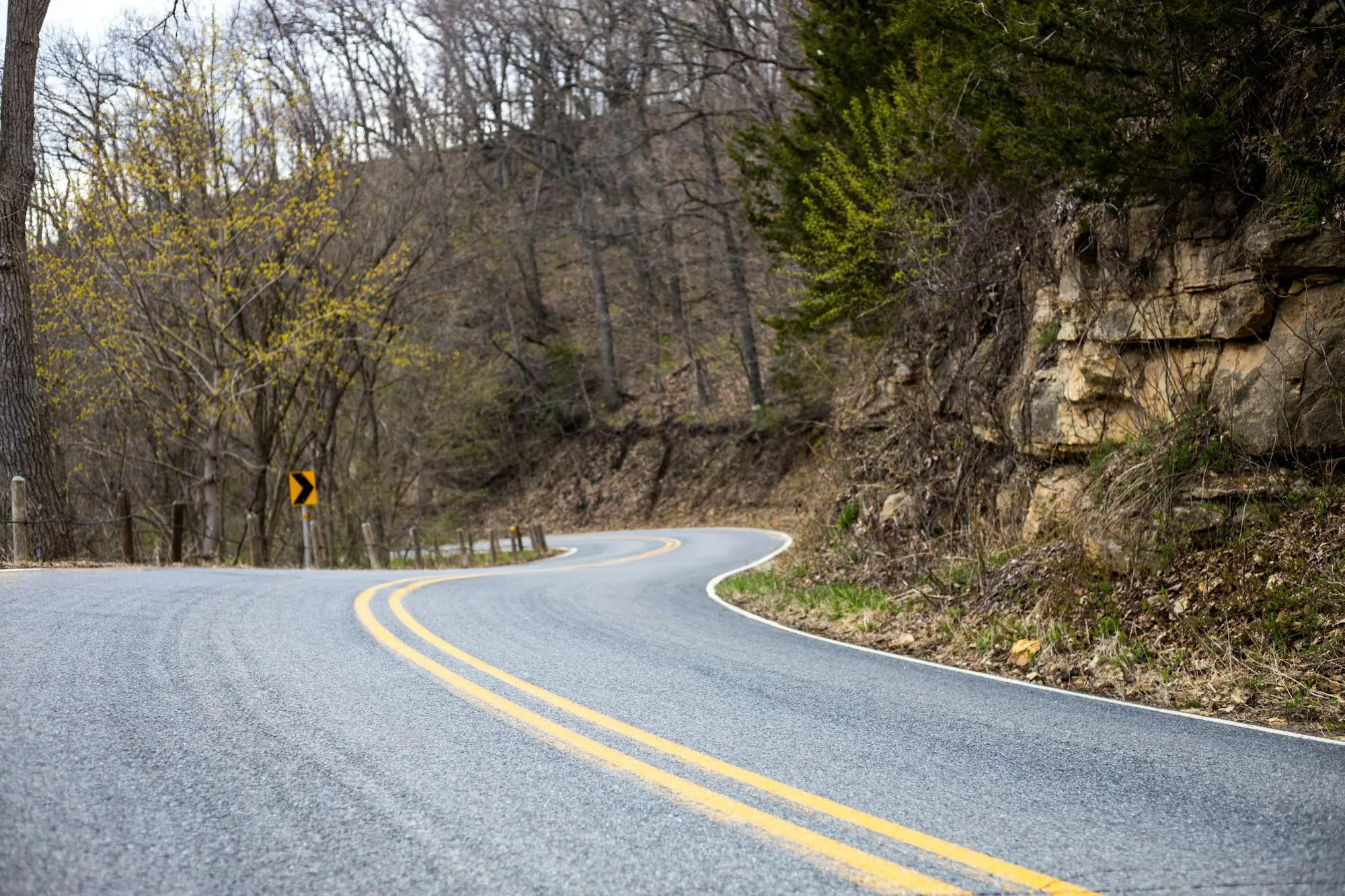
A winding two-lane asphalt road in the Appalachian mountains, photographed in dry daylight. Yellow double-center line markings guide through a series of tight left-hand curves. Dense deciduous and evergreen forest flanks both sides; a rock cut is visible on the right. The road surface and geometry suggest a technical, high-traffic riding corridor popular with motorcyclists.
Chris Flaten / Pexels

The Truth on the Street

What follows was collected slowly: club nights, pit lane conversations between sessions, riders who write to me directly once they have real miles on the bike, and follow-up calls with owners who kept theirs for years. The picture that comes back on the Gen 1 Panigale V4 is unusually consistent. The enthusiasm sits on how usable the thing turned out to be, and the reservations are narrow and specific.

Riders Who Came From The Twin

The people who moved across from the big L-twin raise it first. They describe a wider band to work with and a delivery that builds instead of arriving all at once, and they say it takes less out of them at the limit than what they rode before. The racing lineage comes up in the same conversations, usually in hardware terms: the architecture shared with the Desmosedici race engine, the aluminum front frame, the magnesium subframe, the four-piston Stylema calipers. A smaller, more technical group tracks the changes through the run, the mid-generation chassis revision that pulled torsional rigidity out of the frame to bring it in line with the R, and the emissions update that closed the generation out.

The Electronics They Actually Name

Rider-aid talk gets specific with this crowd. Owners list the systems individually: cornering ABS, traction and wheelie control, slide control on the brakes, adjustable engine braking, launch control, the quickshifter, all of it running off the six-axis unit and all of it fitted from the factory on both versions rather than sold back to them later. The common thread in what they report is not the intervention itself. It is that they set the thing up once and then stop thinking about it.

Where Owners Pick Their Moments

The reservations are narrow and they repeat. Full power wants a deliberate hand rather than a casual one, and riders who spend time in the sharpest mode say the inputs have to be intentional. The seating position is the other recurring note. Low clip-ons and high pegs are the whole point of a bike shaped like this, and owners say so without complaint, but they are equally straight about how long a day they can put in before it starts costing them.

Known issues

  • Quickshifter "DQS-Err" after warm-up — early MY2018 batch

    electrics occasional

    Early MY2018 production units (predominantly February-built) are reported to lose quickshifter functionality after approximately 20 minutes of riding once the bike reaches operating temperature; functionality returns after cool-down. The DQS sensor sits near the exhaust, suggesting thermal failure mode. April-onward production units are reported to be largely unaffected. Resolved via dealer warranty replacement.

  • Rear-cylinder thermal load — leg/thigh heat at standstill

    cooling common

    The rear cylinder bank sits directly beneath the rider's seat, so at a standstill in traffic, at stop lights, or at idle, hot air vents through the seat area and outward onto the rider's inner thighs and calves. Riders report significant discomfort on hot days or in prolonged low-speed running, and in extreme cases skin blistering. Ducati addressed it with a rear-cylinder deactivation strategy that shuts the rear bank down when the bike is stationary and in neutral or with the clutch pulled once coolant temperature is high, delivered as a dealer software update early in the production run and fitted as standard for later model years. It reduces the heat load but does not eliminate it.

  • Wet-clutch noise and grabbiness when cold

    drivetrain occasional

    Reports across owner forums describe noisy or grabby clutch operation when cold (after >8 hours since last ride), resolving once oil warms and circulates. This affects the **wet** clutch on standard V4 and V4 S; the dry-clutch V4 R / V4 SP / V4 Speciale variants (excluded from this dossier) are not affected. Some isolated early-clutch wear reports also exist but are not as systematically documented as the cold-grab pattern.

The Expert Benchmark

Where this Ducati Panigale V4 pulls ahead of — or falls behind — its rivals on the numbers, and the typical bike in its class on character.

What kind of bike this is — character vs. the class

This bike Class average

The shape of the Ducati Panigale V4 — numbers and character vs. the average Supersport

Head-to-head: Ducati Panigale V4 vs. its rivals

The Handshake Score

Forget spec-sheet bragging. Here's who the Panigale V4 is actually built for.

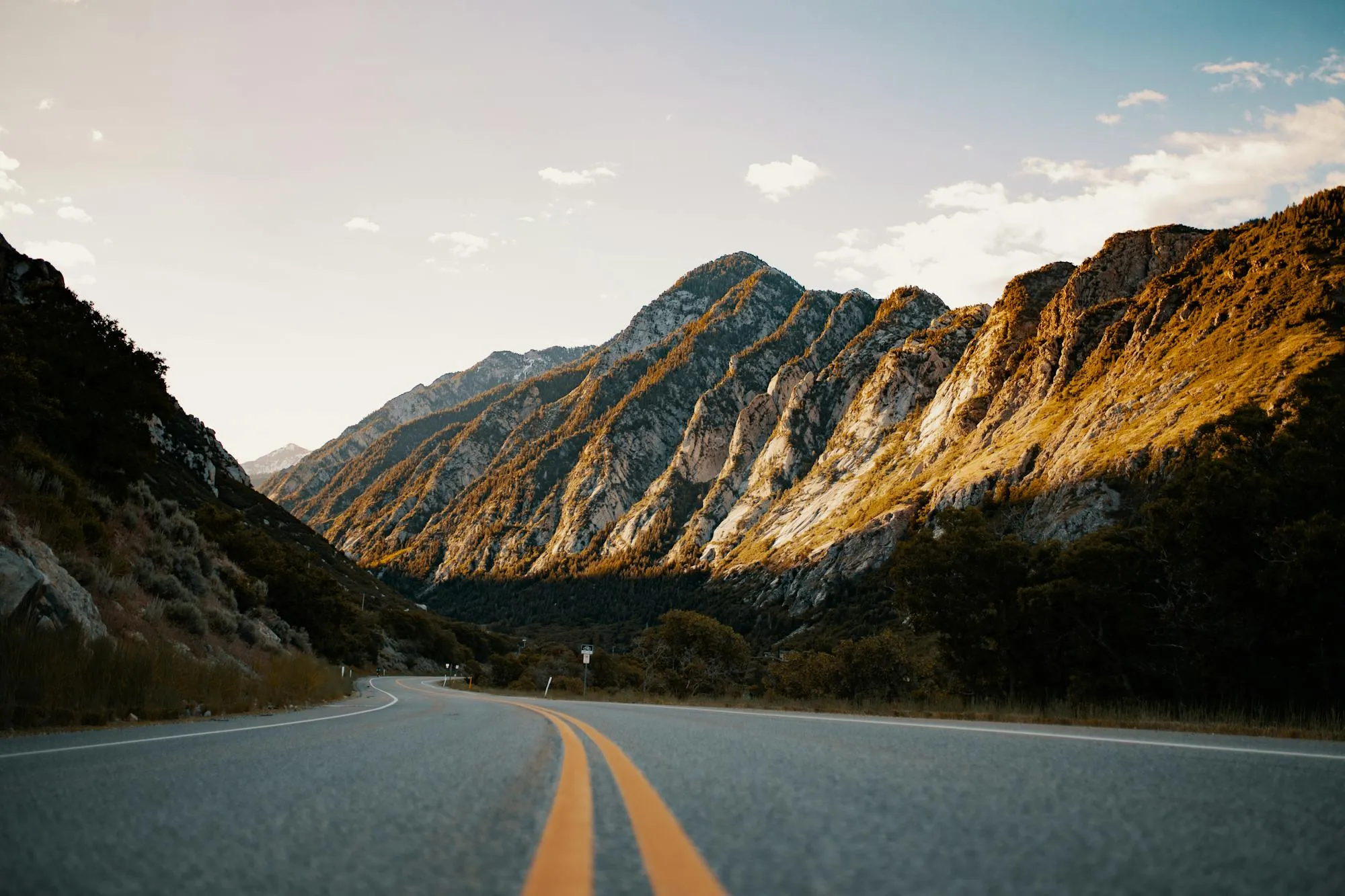
A scenic view of Angeles Crest Highway winding through rugged Southern California canyon terrain. Rocky mountainsides with golden earth tones frame the asphalt road with tight sweeping curves. Double yellow center line visible, sparse vegetation along the shoulders, clear blue sky with white clouds. Daylight, dry conditions. Iconic location for canyon-road enthusiasts.
Josh Sorenson / Pexels

Best motorcycle for Angeles Crest?

On roads like Angeles Crest this bike flatters you. It holds a line, tells you what the front is doing, and never feels like it is fighting back. The price is the crawl through traffic to get there.

Made for Angeles Crest Highway · Coronado Trail / US 191 · Highway 1 / Big Sur
Best motorcycle for Laguna Seca?

This is its natural home. Adjustable suspension at both ends, a full rider-aid package and an up-and-down quickshifter mean you spend the day working on your riding instead of on the bike.

Made for Barber Motorsports Park · WeatherTech Raceway Laguna Seca · Circuit of the Americas

Best motorcycle for Tail of the Dragon?

It rewards precision on the Dragon and Cherohala, and the feedback makes tight, repeated corners easy to read. Accept the committed riding position and the heat when the road backs up.

Made for Back of the Dragon · Blue Ridge Parkway · Cherohala Skyway

What's new versus the previous generation

If you're cross-shopping the older generation, here's what changed.

Ducati 1299 Panigale R Final Edition (MY2018)

Previous generation · 2018

Ducati 1299 Panigale R Final Edition (MY2018)

The Last Great V-Twin

Compare to the previous model →