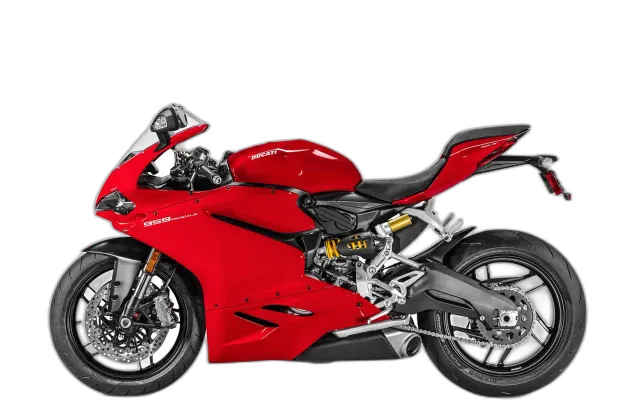
Ducati Panigale V2 (MY2020) — Supersport
Ducati press archive

2020–2024 · Supersport · Buyer's Guide

Panigale V2 (MY2020)

Italian V-Twin, Zero Negotiation

The Machine's Character

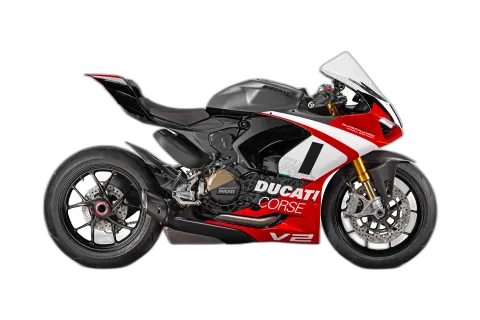
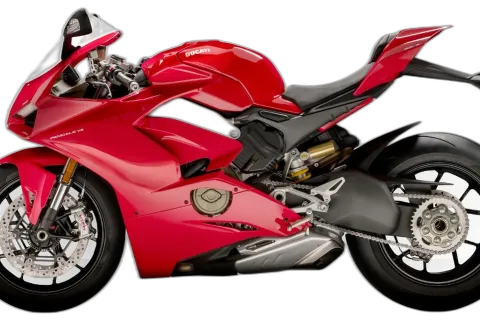
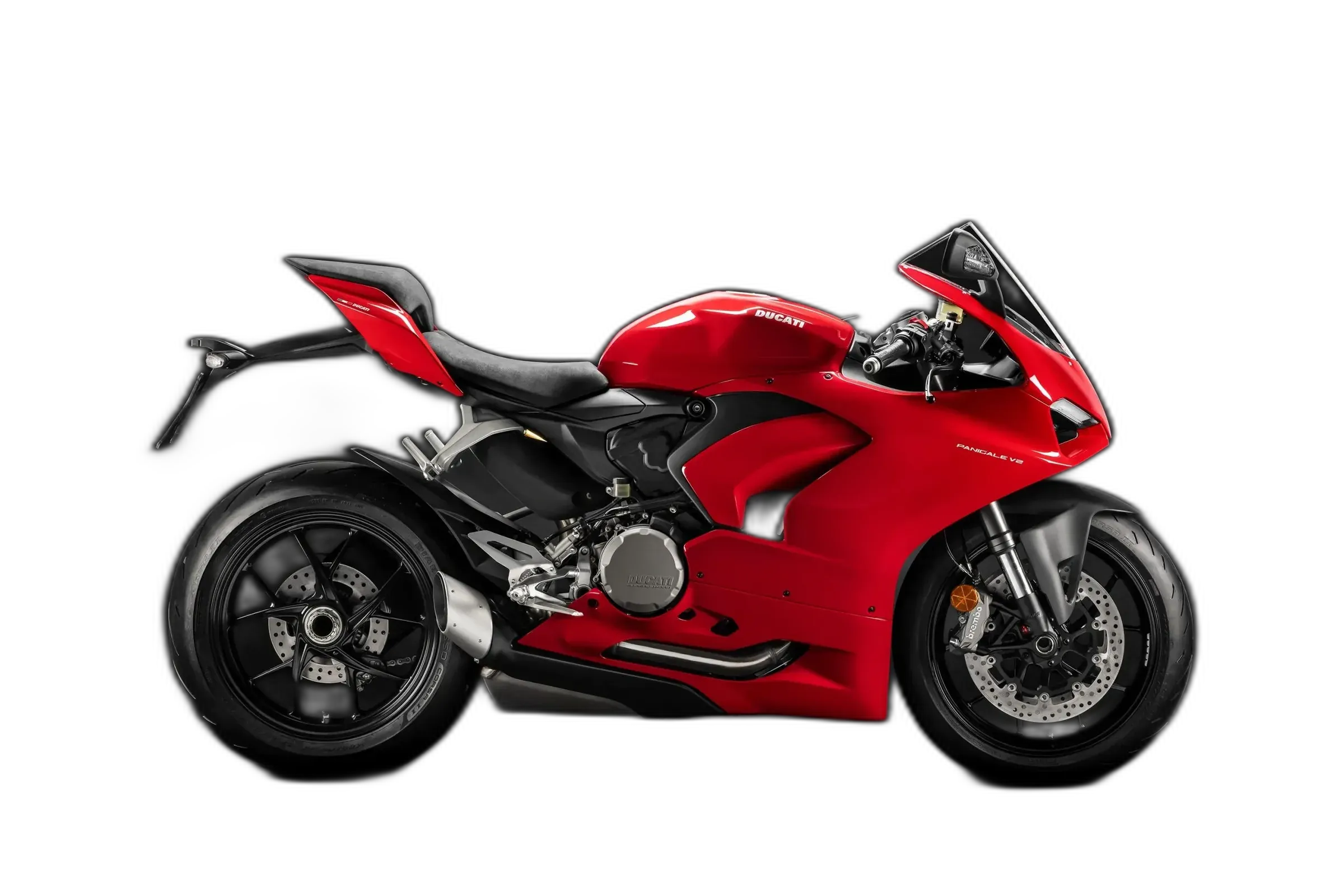
The Panigale V2 runs a 955 cc Superquadro L-twin making 155 hp at 10,750 rpm and 77 lb-ft at 9,000 rpm, hung in a monocoque chassis that uses the engine as a structural member. On paper it sits under the open-class machines. In practice it rides like a different proposition: 441 lb wet, a genuine racing electronics package with Bosch cornering ABS and MSC, wheelie control, ride-by-wire power modes, Ducati Quick Shift up and down, and Brembo M4 monobloc calipers. This is a supersport built around usable potential instead of a headline number, and it looks the part standing still.

It rewards a rider who guides it rather than wrestles it. Commit to a line and it holds where you put it, with enough feedback coming back that you push your braking markers deeper without thinking about it. Build quality is high and aftermarket support is deep, so it takes well to years of hard use and personal setup. Two honest notes before you buy. There is no top-end hit waiting at the top of the rev range, so gear choice matters more here than on a big inline-four. And Ducati recalled certain 2020-2023 units for a dashboard software error that could shut the headlight off, worth confirming on any used bike.

Hard Numbers

Spec sheets don't ride bikes, but they set the baseline.

Show full specs & equipment Hide specs & equipment
Key specifications
Power 155 hp (114 kW) @ 10,750 rpm
Torque 77 lb-ft (104 Nm) @ 9,000 rpm
Displacement 955 cc
Engine L-twin
Cooling Liquid-cooled
Gearbox 6-speed
Final drive Chain
Fork Upside-down (USD)
Front brake 320 mm
Front tire 120/70-17
Rear tire 180/60-17
Wheelbase 56.6 in (1438 mm)
Seat height 33.1 in (840 mm)
Wet weight 441 lb (200 kg)
Fuel capacity 4.5 gal (17 L)
Fuel economy 39 mpg (US)

Equipment check

Chassis

  • Front Suspension Adjustable Standard
  • Rear Suspension Adjustable Standard
  • Steering Damper Standard

Connectivity

  • TFT Display Standard
  • Smartphone Connectivity Ducati Multimedia System (DMS) Handsfree phone integrationIntegrated navigation Optional

Drivetrain

  • Quickshifter Ducati Quick Shift (DQS) Up/Down Clutchless ridingFull throttle upshift Standard
  • Slipper Clutch Standard

Lighting

  • LED Headlight Standard

Safety

  • ABS Standard
  • Cornering ABS Bosch Cornering ABS / MSC Cornering brake safetyLean sensitive traction Standard
  • Traction Control Standard
  • Ride Modes Ducati Ride-by-Wire Power Modes Selectable ride modesRefined throttle response Standard
  • Wheelie Control Ducati Wheelie Control (DWC) Controlled wheelie preventionConsistent launches Standard

Signature Tech

The named systems that set this bike apart — and what each one does for you.

Braking

  • Brembo M4 Monobloc Caliper Standard
    • Firm brake lever feel
    • Stronger consistent braking
    • Agile weight reduction

The Voice of Experience

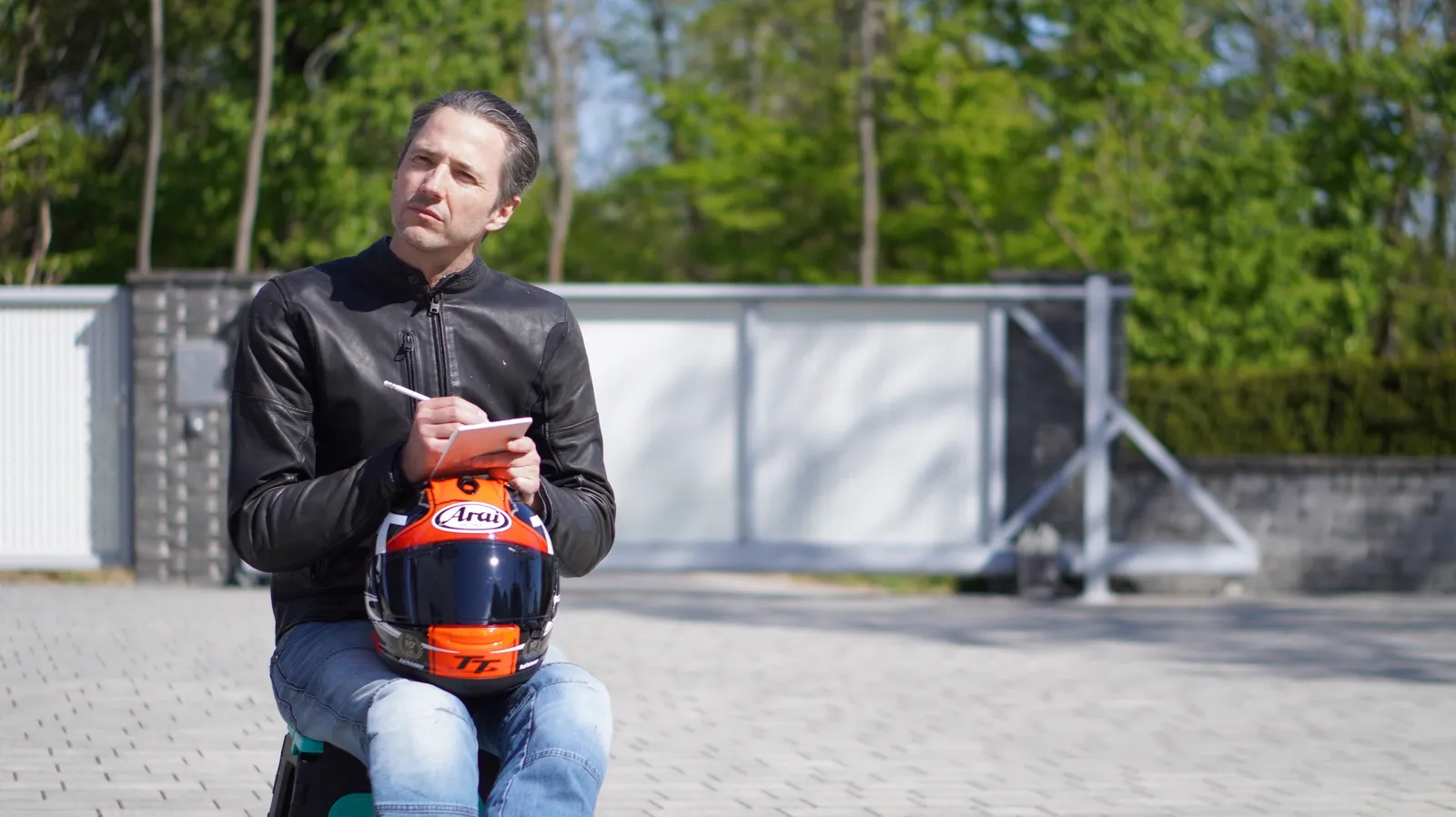
Portrait of NastyNils

The test ride

At Jerez the first thing that registers is the room. The clip-ons sit wide and the saddle gives you real space to move around, so a taller rider is not folded over the tank the way this bodywork suggests. The twin talks through the pegs and the bars with a beat you feel in your hands at part throttle, and the sound and fueling came through the Euro 5 work with their character intact, which is no longer a given. Heat is the other thing you notice by mid-afternoon: less of it reaches your legs than the bigger V4 machines put out, and over a full day of sessions that adds up. What stayed with me most is how quickly it stopped feeling like work. Somewhere in the second session the circuit went from a challenge to something manageable, faster than I have had that happen at this performance level.

Rated point by point — where it earns its keep

My own 0–100 score for this bike against the class, area by area — the marker on each bar is the class average.

The front end is what I keep coming back to. I can commit hard on the way into a turn and it takes the load without complaint, then holds whatever line I chose for as long as I want it, lap after lap, until the guesswork drops out of my riding. The suspension does more than it has any right to. The hardware list doesn't promise this much, and yet at Jerez I was carrying more speed on this bike than I had been carrying recently on open-class machinery. Braking downshifts ask almost nothing of me either. I can be late with them, hard with them, or simply careless, and the driveline absorbs it without unsettling the entry, which leaves my attention on the corner instead of on my hands. It isn't indifferent to what happens on top of it, though. Ride it roughly, with weight thrown rather than placed, and the chassis answers in the same register.

What stands out is how quickly this bike gets you somewhere useful. At Jerez, laps that felt like work first thing were routine well before the day ran out, and that shift arrived sooner here than on anything else I've ridden at this level of performance. The rider aids do plenty of that quiet work. Traction control, wheelie control and lean-angle ABS across three configurable levels are all there in the background, and the only thing the flagship has that this doesn't is slide control.

Nothing to report at street pace or over a handful of laps. Heat and time are what expose this one. Work through long sessions on a hot day and the consistency starts to drift, so what arrives at the lever isn't quite what arrived a few laps earlier. Newer track riders won't catch it and street riders never will, but an experienced pilot running at real pace will, and it's the item I'd want sorted before a serious track program.

The twin does what I ask the instant I ask it. Off a shut throttle there's no pause before the drive arrives and the middle of the range doesn't sag, and nothing in the fueling feels like it was handed over to get the bike certified. That deserves more credit than it usually gets. Plenty of engines lost their manners in the emissions update; this one kept its voice, its fueling and its throttle feel exactly as they were. What I don't get is a surge high in the range on the way out of a corner, and anyone arriving from an inline-four is going to feel that absence immediately. The engine also wants me thinking about gear selection. Choose wrong on the way in and the drive off the corner isn't there, where a big four would quietly cover for me. How much either of those costs you depends on what you've been riding.

Two things register over a full day of sessions. The riding position doesn't crowd me. There's width at the bars and enough saddle to put my body where it needs to be, so a tall rider isn't fighting the machine's dimensions on top of the lap. The heat load stays civil, too. Less of it reaches me than the larger V4 machines put out, and by the third run of the afternoon that difference is worth real energy.

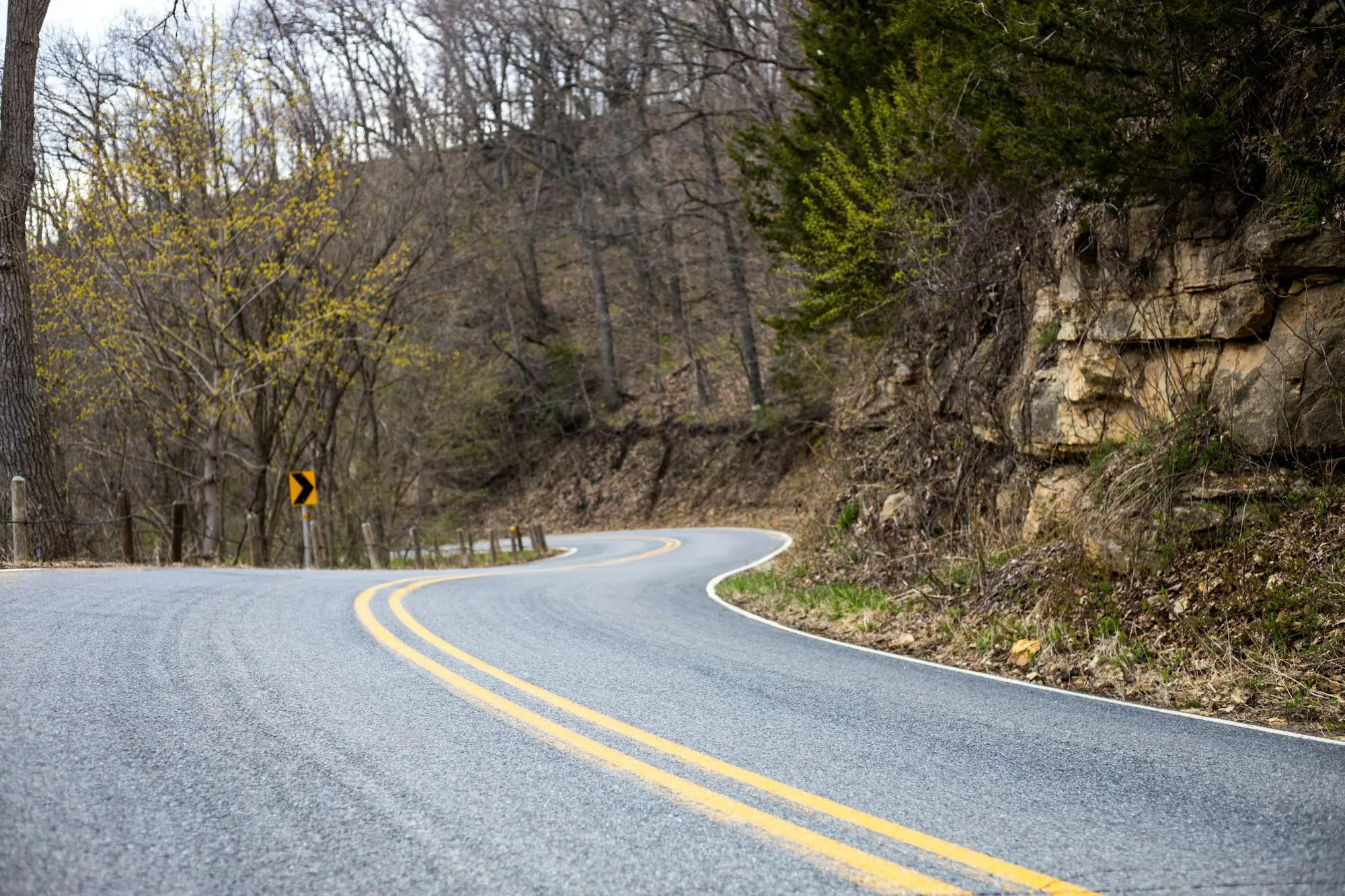
A winding two-lane asphalt road in the Appalachian mountains, photographed in dry daylight. Yellow double-center line markings guide through a series of tight left-hand curves. Dense deciduous and evergreen forest flanks both sides; a rock cut is visible on the right. The road surface and geometry suggest a technical, high-traffic riding corridor popular with motorcyclists.
Chris Flaten / Pexels

The Truth on the Street

None of this comes from my own laps. It's what riders have handed me over the years: paddock conversations, club nights, and the messages that land in my inbox. On the V2 the chatter sorts itself cleanly, with the riding drawing the praise and daily use drawing the complaints.

Where the praise concentrates

The engine leads, and by a clear margin. Owners describe it as smooth and free-revving, strong low in the range yet happiest wound out to the 11,000 rpm limit, with throttle response they rate highest in Race mode. Handling follows: steady under braking, light and accurate turning in, and more willing to change direction than the bike looks. Brakes get praise for power and consistency, and riders who run track days mention the ABS level that allows the rear to slide under control.

The complaints that keep repeating

Heat tops the gripe list. In stop-and-go traffic and at low speed, owners describe serious warmth coming off the twin onto their legs. Below that the volume drops. The side stand is hard to locate and deploy in boots, raised often enough to be a pattern. Mirror stalks that break come up occasionally, and a few riders flag the purchase and insurance costs against rivals.

Known issues

  • Headlight software recall

    electrics rare Recall

    In 2023, Ducati recalled certain 2020-2023 Panigale V2 motorcycles (NHTSA campaign 23V377000) due to a software error in the dashboard that could cause the headlight to stop functioning, posing a safety risk.

The Expert Benchmark

Where this Ducati Panigale V2 pulls ahead of — or falls behind — its rivals on the numbers, and the typical bike in its class on character.

What kind of bike this is — character vs. the class

This bike Class average

The shape of the Ducati Panigale V2 — numbers and character vs. the average Supersport

Head-to-head: Ducati Panigale V2 vs. its rivals

The Handshake Score

Forget spec-sheet bragging. Here's who the Panigale V2 is actually built for.

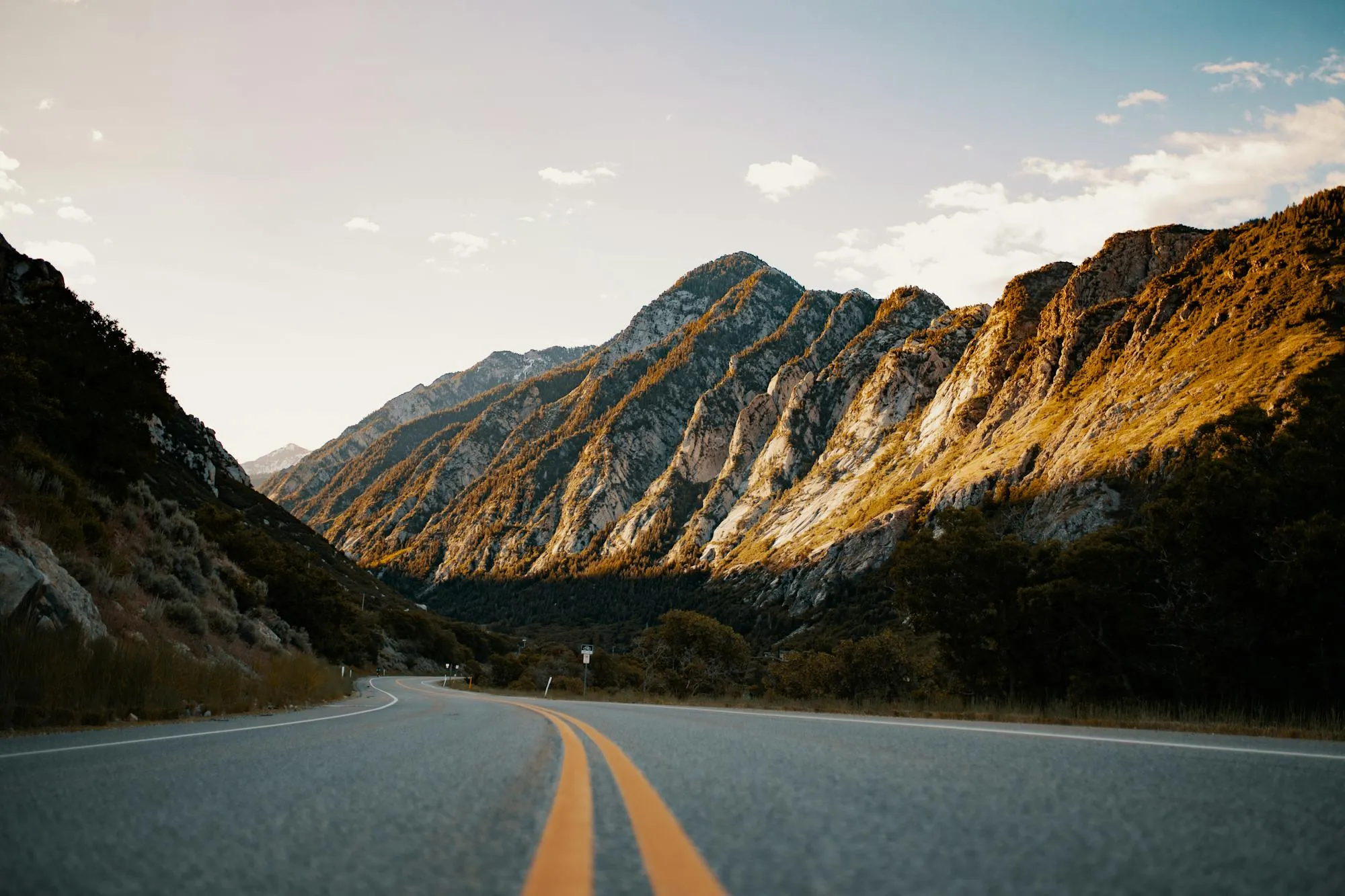
A scenic view of Angeles Crest Highway winding through rugged Southern California canyon terrain. Rocky mountainsides with golden earth tones frame the asphalt road with tight sweeping curves. Double yellow center line visible, sparse vegetation along the shoulders, clear blue sky with white clouds. Daylight, dry conditions. Iconic location for canyon-road enthusiasts.
Josh Sorenson / Pexels

Best motorcycle for Angeles Crest?

Tight, repeatable canyon corners are exactly what this bike does best, and it rewards clean inputs with a line it holds. It is a committed sportbike, so the traffic on the way out is the part you pay for.

Made for Angeles Crest Highway · Coronado Trail / US 191 · Highway 1 / Big Sur
Best motorcycle for Laguna Seca?

This is your bike. Full racing electronics, entry precision you can lean on all day, and less engine heat in the saddle than the bigger V4 machines. Sort out your gear selection early and it flatters you.

Made for Barber Motorsports Park · WeatherTech Raceway Laguna Seca · Circuit of the Americas

Best motorcycle for Tail of the Dragon?

Technical corners taken repeatedly are where this one earns its keep, and it pays back the rider working on inputs rather than speed. Expect it to notice every sloppy weight shift you make.

Made for Back of the Dragon · Blue Ridge Parkway · Cherohala Skyway

What's new versus the previous generation

If you're cross-shopping the older generation, here's what changed.

Ducati 959 Panigale (MY2016)

Previous generation · 2016

Ducati 959 Panigale (MY2016)

Lean Clearance, Earned Confidence

Compare to the previous model →