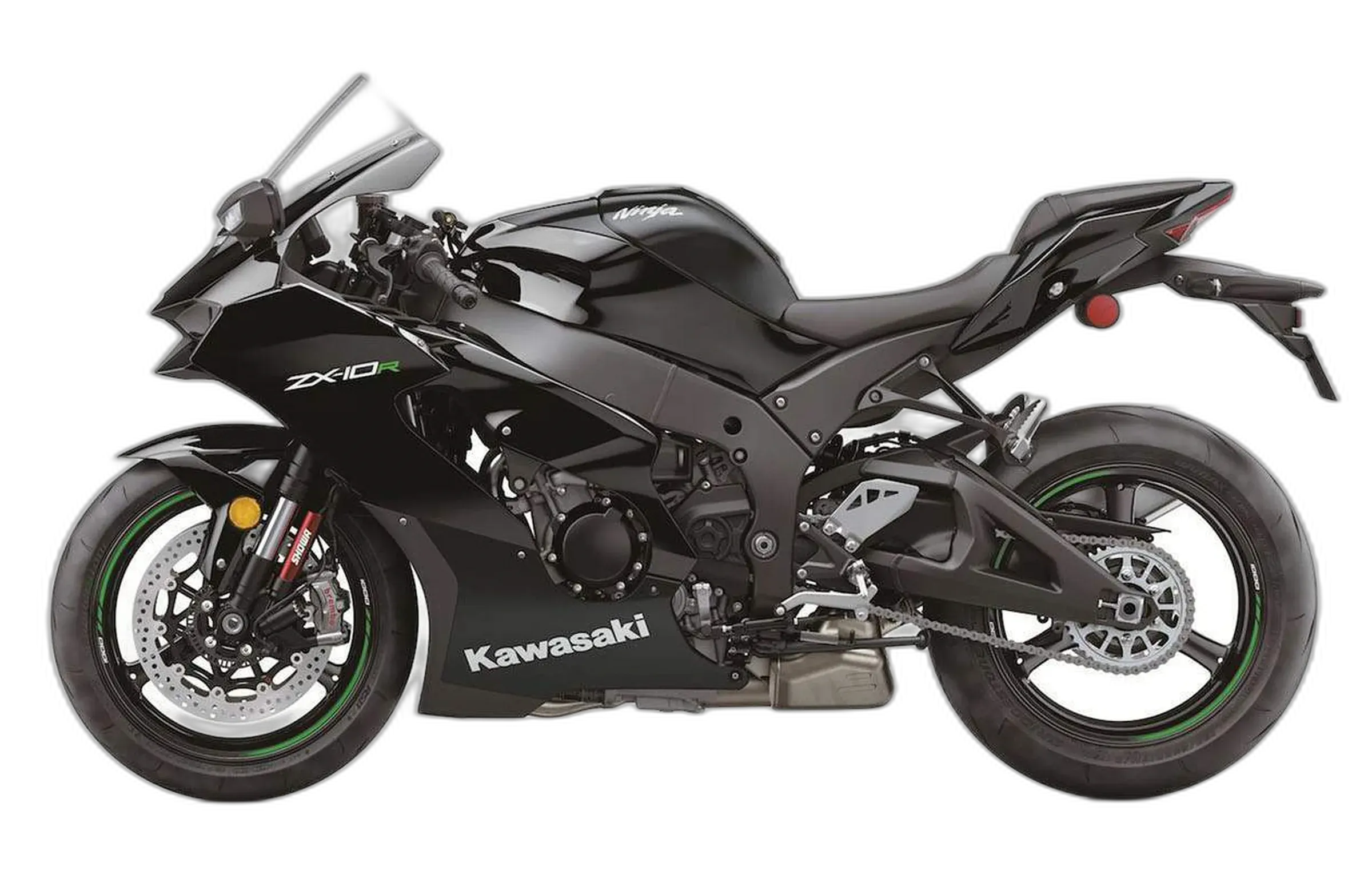

Kawasaki Ninja ZX-10R (MY2021) — Supersport
NastyNils / Kawasaki press archive

2021 · Supersport · Buyer's Guide

Ninja ZX-10R (MY2021)

Track Grip You Have To Earn

The Machine's Character

The 2021 Ninja ZX-10R is built around a 998cc inline-four making 203 hp, with drive that stacks cleanly toward a fierce top-end and 85 lb-ft underneath it. The Showa fork runs a softer spring, the shock is firmer, and a longer wheelbase pulls the front contact patch into the conversation. The integrated winglets aren't styling; they load the front as speed climbs. Cornering ABS, traction control, launch control, and selectable ride modes keep that output honest without getting in the way. This is a track-focused literbike, and it never pretends to be anything softer.

On road or track it rewards the rider who commits. Ride it with intent and the chassis settles into a precise, planted partner through fast corners; ride it lazily and it pushes straight back. Build quality is high and the aftermarket support runs deep, so it holds up as well as you maintain it. It suits track riders and serious canyon riders chasing genuine superbike pace who will meet the bike halfway. The honest caveat: the lean-tuned engine stumbles at partial throttle and the upper gears run long, so it asks for real aggression before it gives its best.

Hard Numbers

Spec sheets don't ride bikes, but they set the baseline.

Show full specs & equipment Hide specs & equipment
Key specifications
Power 203 hp (149 kW) @ 13,500 rpm
Torque 85 lb-ft (115 Nm) @ 11,500 rpm
Displacement 998 cc
Engine Inline-four
Cooling Liquid-cooled
Gearbox 6-speed
Final drive Chain
Fork Upside-down (USD)
Front brake 330 mm
Front tire 120/70-17
Rear tire 190/55-17
Wheelbase 57.1 in (1450 mm)
Seat height 32.9 in (835 mm)
Wet weight 456 lb (207 kg)
Fuel capacity 4.5 gal (17 L)
Fuel economy 39 mpg (US)

Equipment check

Chassis

  • Front Suspension Adjustable Standard
  • Rear Suspension Adjustable Standard
  • Steering Damper Standard

Connectivity

  • TFT Display Standard
  • Smartphone Connectivity Standard

Drivetrain

  • Quickshifter Standard
  • Slipper Clutch Standard

Lighting

  • LED Headlight Standard

Safety

  • ABS Standard
  • Cornering ABS Standard
  • Traction Control Standard
  • Ride Modes Standard
  • Launch Control Standard

The Voice of Experience

Portrait of NastyNils

The test ride

Swing a leg over and the first thing a taller rider registers is room. The legs actually fit, and the taller screen lets you fold your upper body properly behind the fairing when the pace lifts. The revised clip-ons sit a touch wider, so your elbows find their working angle on their own and the wrists carry less than the stance threatens. The opening laps feel wooden and standoffish, and it takes a full stint to warm to the bike's temperament. Once you're in rhythm, small clicks of compression and rebound register instantly in the saddle, so dialing in the feel takes minutes rather than sessions. After a full day the rear tire came back evenly worn and clean across the surface, the sign of a chassis pulling its weight instead of leaning on the electronics.

Rated point by point — where it earns its keep

My own 0–100 score for this bike against the class, area by area — the marker on each bar is the class average.

What defines this chassis is how much of the work it does on its own. The bodywork generates genuine downforce as the pace climbs, pressing the front tire into the surface through a fast sweeper, and that let me hold drive deeper than the entry looked like it would allow. The reworked spring and damping split, paired with the stretched wheelbase, feeds a steady stream of information up from the contact patch, which is what let me trust the front on the way in. Traction at the exit came from geometry rather than software; after a hard day out the electronics had barely anything to correct. It reacts openly to setup, too, so the smallest change to the damping tells you exactly what shifted on the following lap. The one catch is temperament. My opening stint felt hollow and reluctant, and it cost me a session to grasp that this bike wants brake pressure and commitment before it gives anything back.

Left untouched, the motor has no business keeping the company it keeps. I ran it against fully built liter bikes and it held station on the long straight, which tells you the standard engine already carries all the pace a serious track day needs. The complaints sit at the margins. Tightening emissions rules forced a lean tune, and it surfaces as a flat spot when the throttle cracks halfway open; that jolt carries into the bike just as you begin loading the power again in the middle of a bend. The gearbox is a genuine highlight on its own, positive and precise, yet the clutchless upshift lands a fraction behind where a machine pitched this high should sit. And while the first three ratios are now spaced exactly how I want them, the taller gears above run long enough to mute the engine at the point you most want to lean on it.

This is one of the few supersports a bigger rider can settle into without changing a single part. The legs get proper space, and the raised screen means that once the pace climbs you can hunker down and let it do its job rather than fighting the air. The reworked clip-ons carry a touch more width as well, which sets the shoulders and arms at an angle that simply feels natural, no fiddling required.

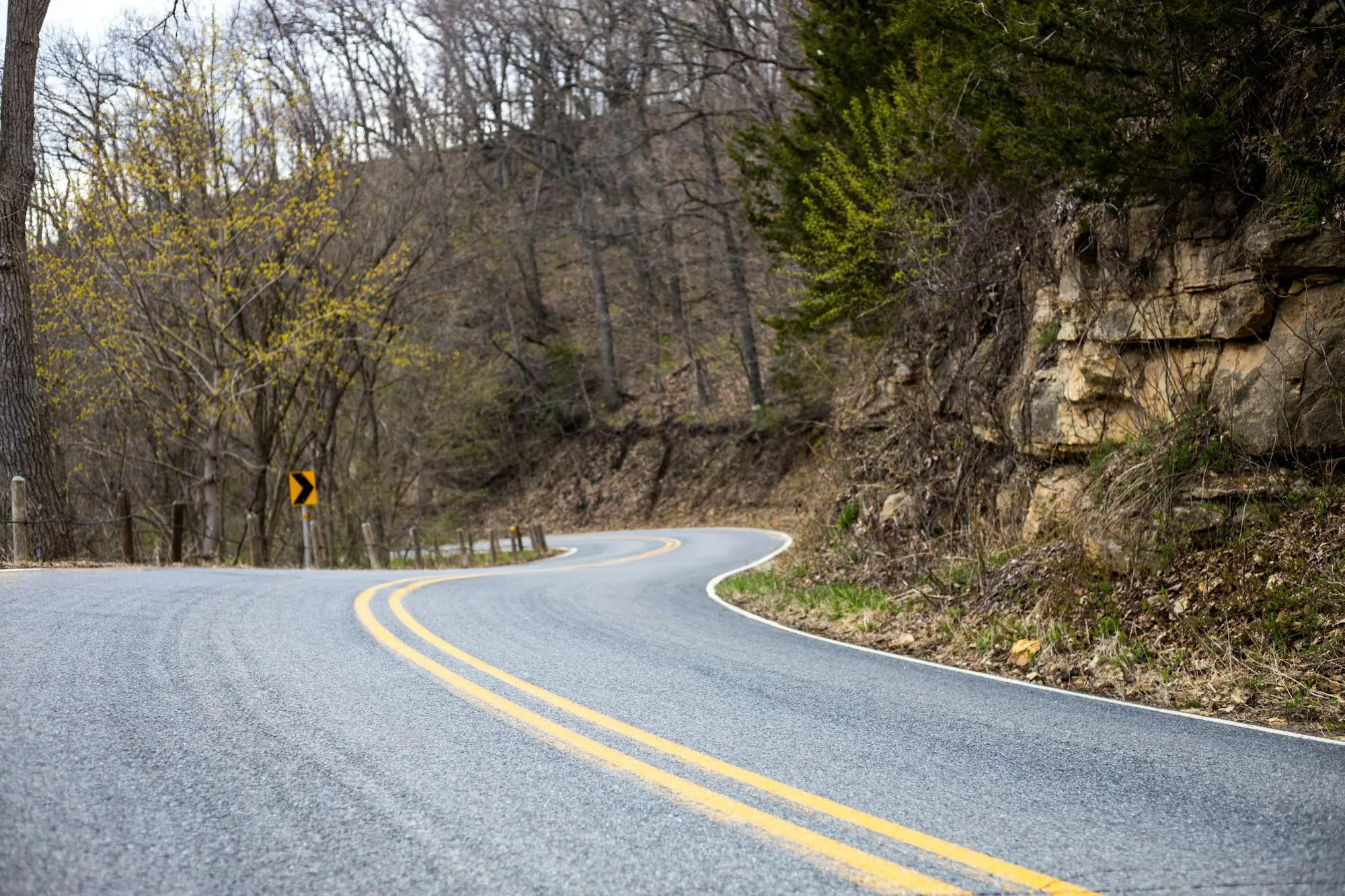
A winding two-lane asphalt road in the Appalachian mountains, photographed in dry daylight. Yellow double-center line markings guide through a series of tight left-hand curves. Dense deciduous and evergreen forest flanks both sides; a rock cut is visible on the right. The road surface and geometry suggest a technical, high-traffic riding corridor popular with motorcyclists.
Chris Flaten / Pexels

The Expert Benchmark

Where this Kawasaki Ninja ZX-10R pulls ahead of — or falls behind — its rivals on the numbers, and the typical bike in its class on character.

What kind of bike this is — character vs. the class

This bike Class average

The shape of the Kawasaki Ninja ZX-10R — numbers and character vs. the average Supersport

Head-to-head: Kawasaki Ninja ZX-10R vs. its rivals

The Handshake Score

Forget spec-sheet bragging. Here's who the Ninja ZX-10R is actually built for.

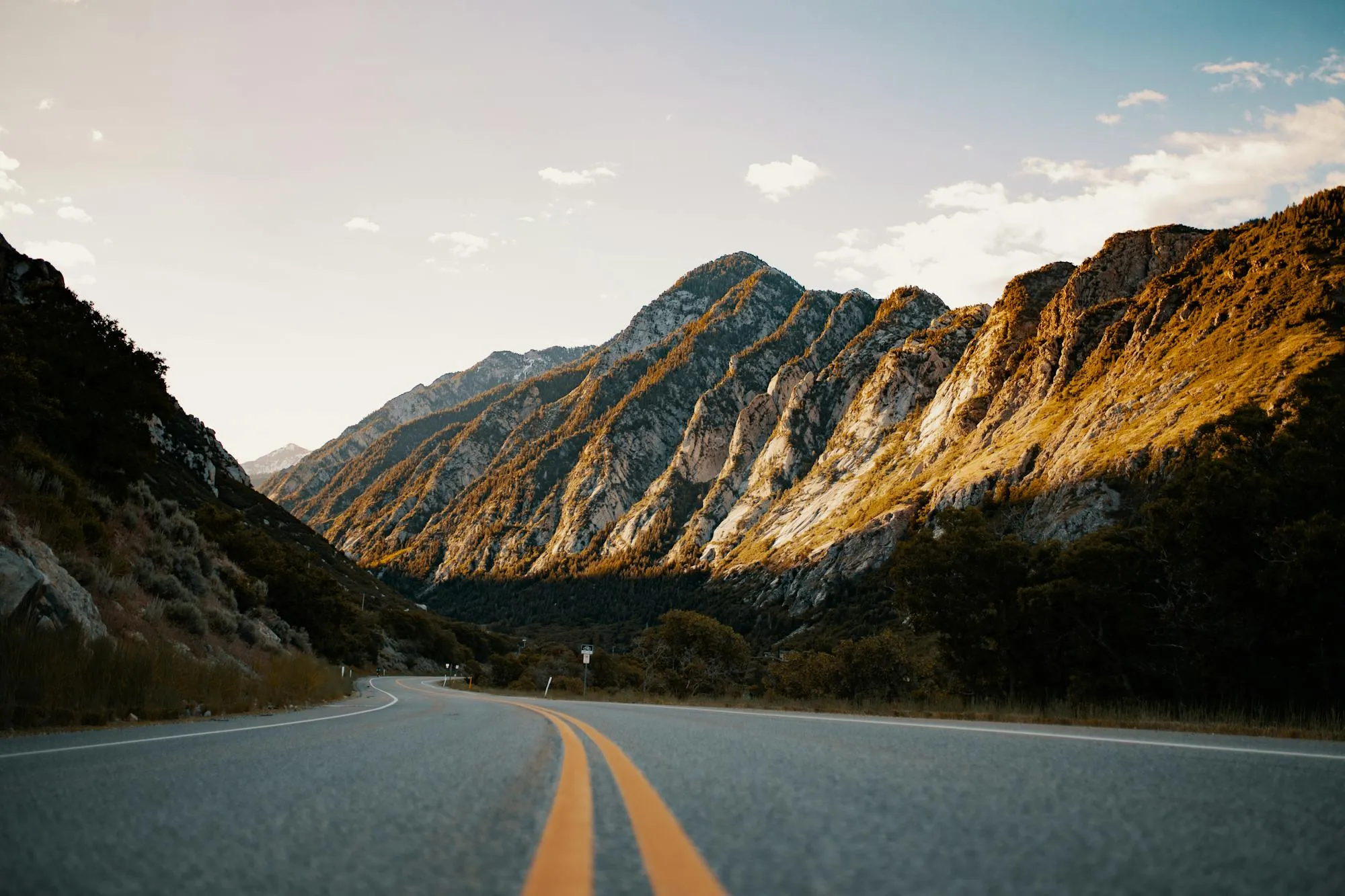
A scenic view of Angeles Crest Highway winding through rugged Southern California canyon terrain. Rocky mountainsides with golden earth tones frame the asphalt road with tight sweeping curves. Double yellow center line visible, sparse vegetation along the shoulders, clear blue sky with white clouds. Daylight, dry conditions. Iconic location for canyon-road enthusiasts.
Josh Sorenson / Pexels

Best motorcycle for Angeles Crest?

If your weekends run from LA traffic to the fast canyon sweepers, this bike has the pace and high-speed stability you want. Just know it rewards a hard, committed pace and feels flat when you ride it gently.

Made for Angeles Crest Highway · Coronado Trail / US 191 · Highway 1 / Big Sur
Best motorcycle for Laguna Seca?

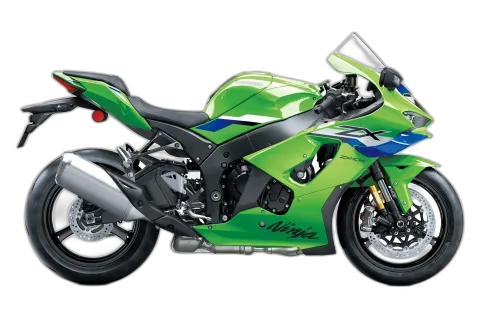
This is squarely your bike. Stable under braking, planted through the fast stuff, and quick to answer setup changes, it's built for chasing apexes on a closed course and gives back exactly what you put in.

Made for Barber Motorsports Park · WeatherTech Raceway Laguna Seca · Circuit of the Americas

Best motorcycle for Tail of the Dragon?

On tight Tail of the Dragon twisties this is more bike than you strictly need, and the tall gears stay unused. If you love precise, committed corner technique, it delivers, but only when you ride it assertively.

Made for Back of the Dragon · Blue Ridge Parkway · Cherohala Skyway

Alternatives to the Kawasaki Ninja ZX-10R

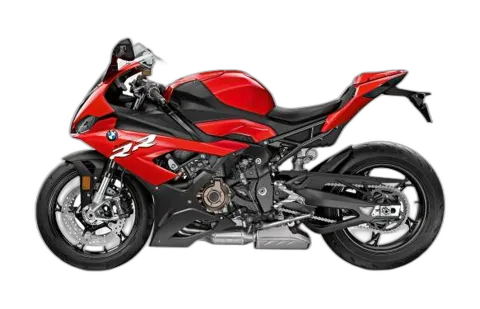
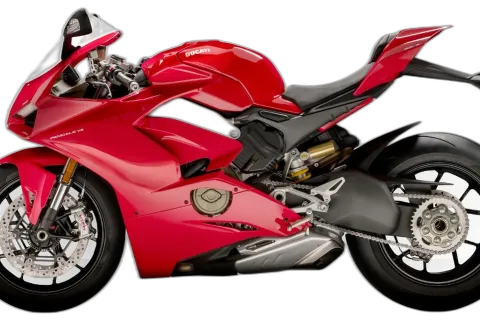
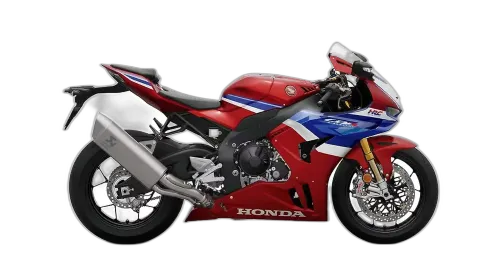
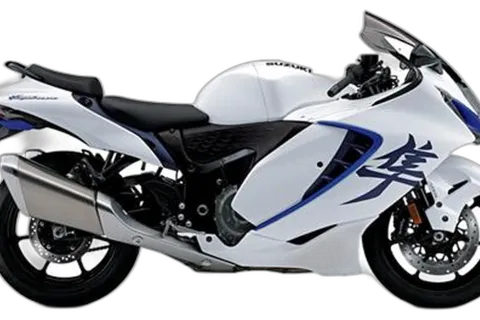
If this one isn't quite the fit, these are the bikes worth riding back-to-back against it.

Any price note compares both bikes at the same age — the youngest age both have on the used market — against this Kawasaki Ninja ZX-10R. “cheaper/pricier” is what that bike costs second-hand, not how worn it is.