
MV Agusta F4 Claudio (MY2019) — Supersport
MV Agusta Press

2019 · Supersport · Buyer's Guide

F4 Claudio (MY2019)

Castiglioni's Last F4 Word

The Machine's Character

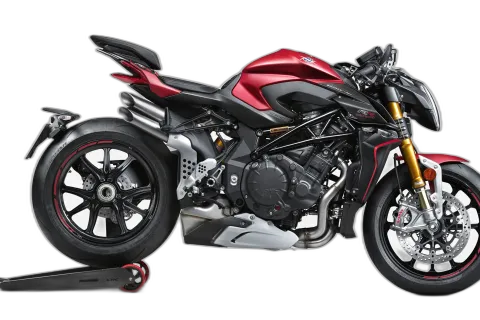
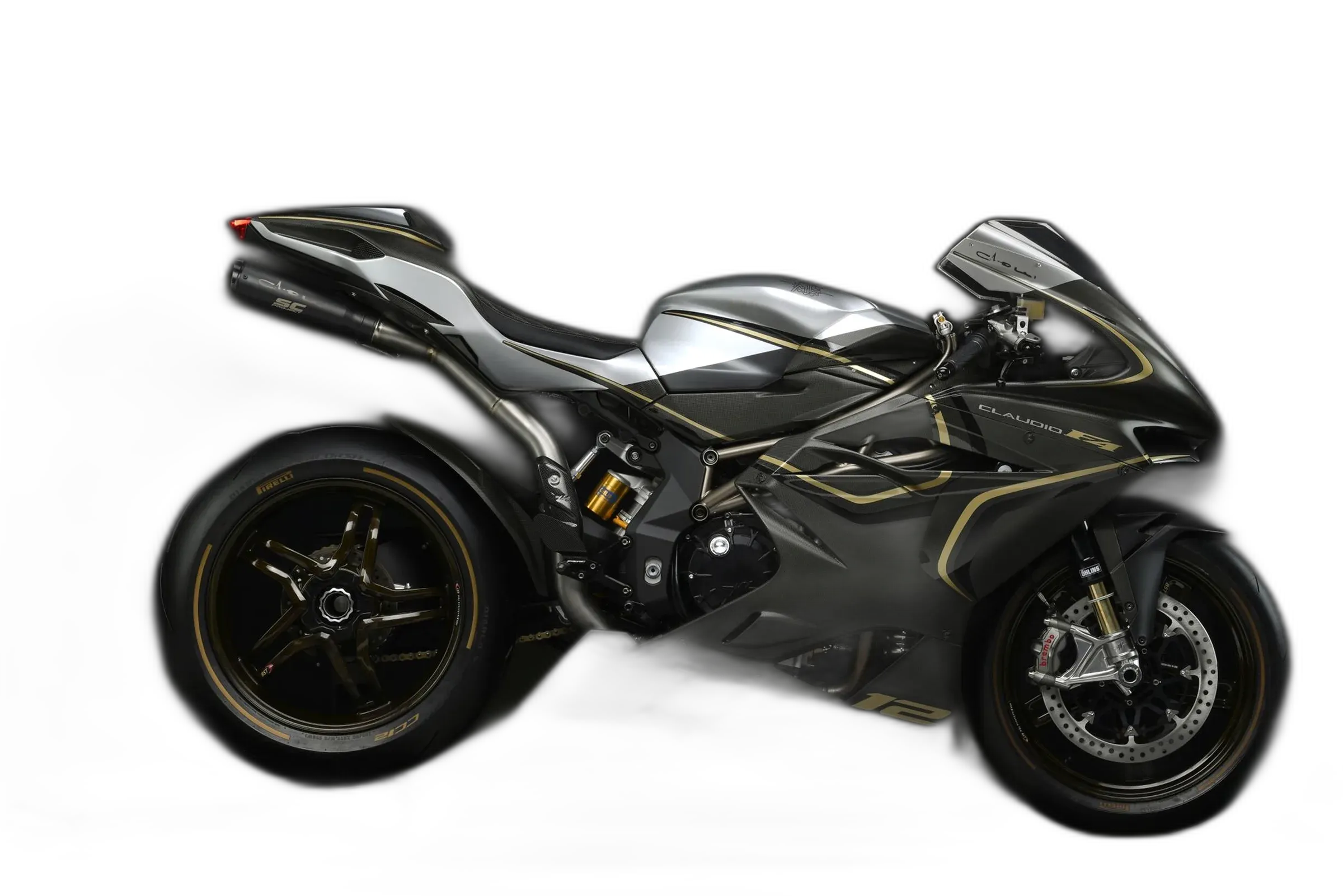
The F4 Claudio is a tribute machine, named for Claudio Castiglioni and built off the track-focused Reparto Corse version of the F4. The core of it is the 998 cc inline-four: heavily oversquare, titanium conrods, radial valves in a hemispherical chamber, every choice aimed at the top of the tach. Peak power arrives at 205 hp at 13,450 rpm, with 85 lb-ft at 9,300 rpm. Around that sits a steel trellis frame, fully adjustable Öhlins NIX 43 fork and TTX36 shock, and Brembo radial four-piston calipers on dual 320 mm discs. A collector's object with a genuine superbike underneath, not a badge exercise.

This is a machine that rewards commitment. The engine wants revs, the chassis wants lean angle, and the quickshifter with auto-blipper keeps you from interrupting either one. The rider aids are real and they work: ride-by-wire, eight levels of traction control, anti-wheelie, four riding modes. What they are not is lean-sensitive, so the safety net has edges worth knowing before you find them. Buy it if you want a motorcycle with a signature on the bodywork and a good road or a track day to use it on. If it has to spend its life crawling through town, this is the wrong bike.

Hard Numbers

Spec sheets don't ride bikes, but they set the baseline.

Show full specs & equipment Hide specs & equipment
Key specifications
Power 205 hp (151 kW) @ 13,450 rpm
Torque 85 lb-ft (115 Nm) @ 9,300 rpm
Displacement 998 cc
Engine Inline-four
Cooling Liquid-cooled
Gearbox 6-speed
Final drive Chain
Fork Upside-down (USD)
Front brake 320 mm
Front tire 120/70-17
Rear tire 200/55-17
Seat height 32.7 in (830 mm)
Fuel capacity 4.5 gal (17 L)

Equipment check

Chassis

  • Front Suspension Adjustable Standard
  • Rear Suspension Adjustable Standard
  • Steering Damper Standard

Connectivity

  • TFT Display Standard

Drivetrain

  • Quickshifter Standard
  • Slipper Clutch Standard

Safety

  • ABS Standard
  • Traction Control Standard
  • Ride Modes Standard
  • Wheelie Control Standard

The Voice of Experience

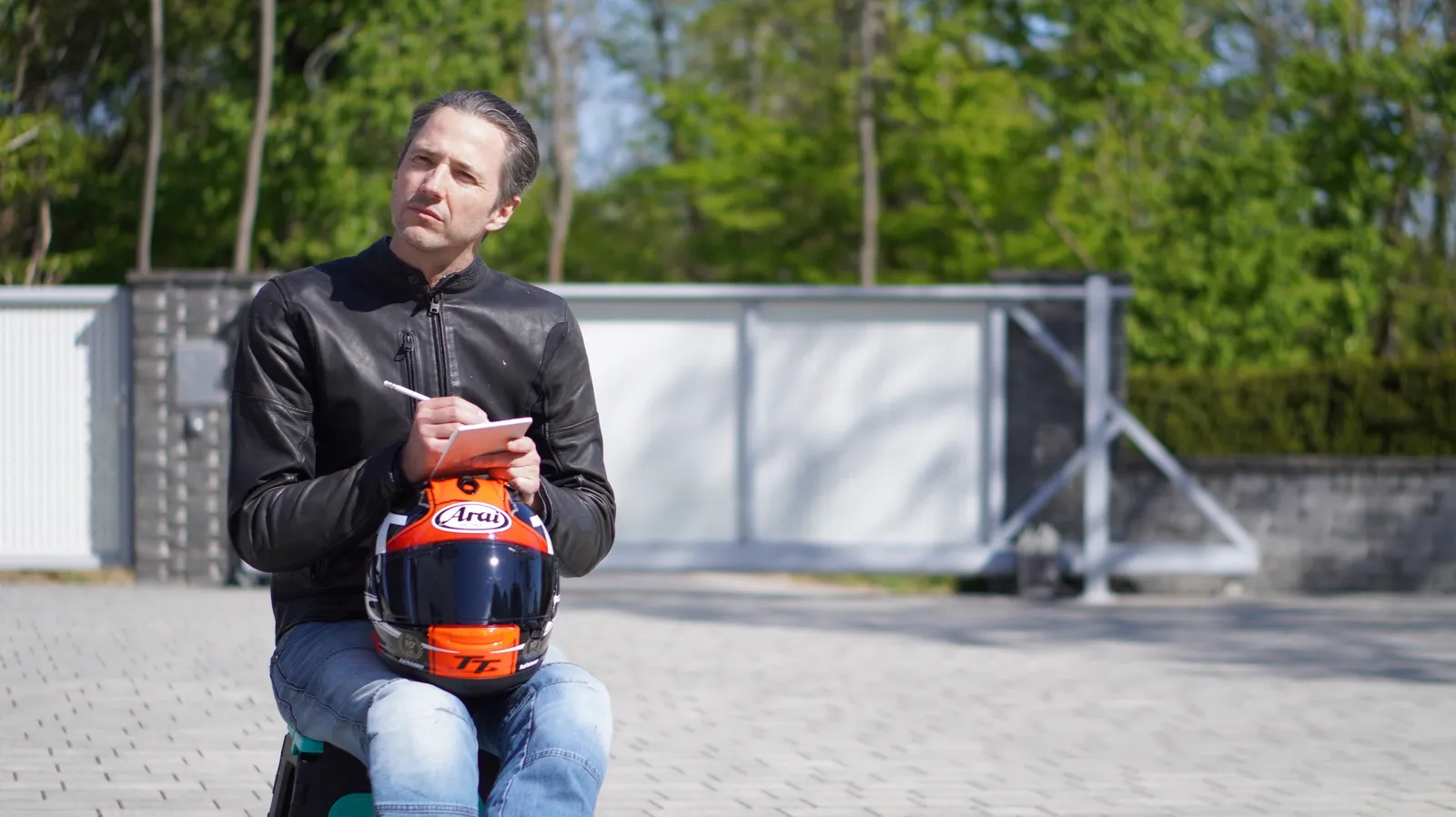
Portrait of NastyNils

The test ride

Swing a leg over and the first thing that registers is how narrow it is between your knees. The 32.7 in seat puts you high and tipped forward, weight on your wrists, feet back, the classic Italian superbike shape that makes complete sense at speed and asks questions of your back at 30 mph. Fire it up and the four settles into a hard metallic idle. Past 9,000 rpm the noise coming out from under the tail stops being noise and becomes the reason people buy this thing. Vibration reads busy rather than harsh, buzzing lightly through the bars in the middle of the range and cleaning up where the engine actually lives. Around town you feel heat on your right shin and through the seat, and it builds quickly once you stop moving. Out on an open road it all falls away.

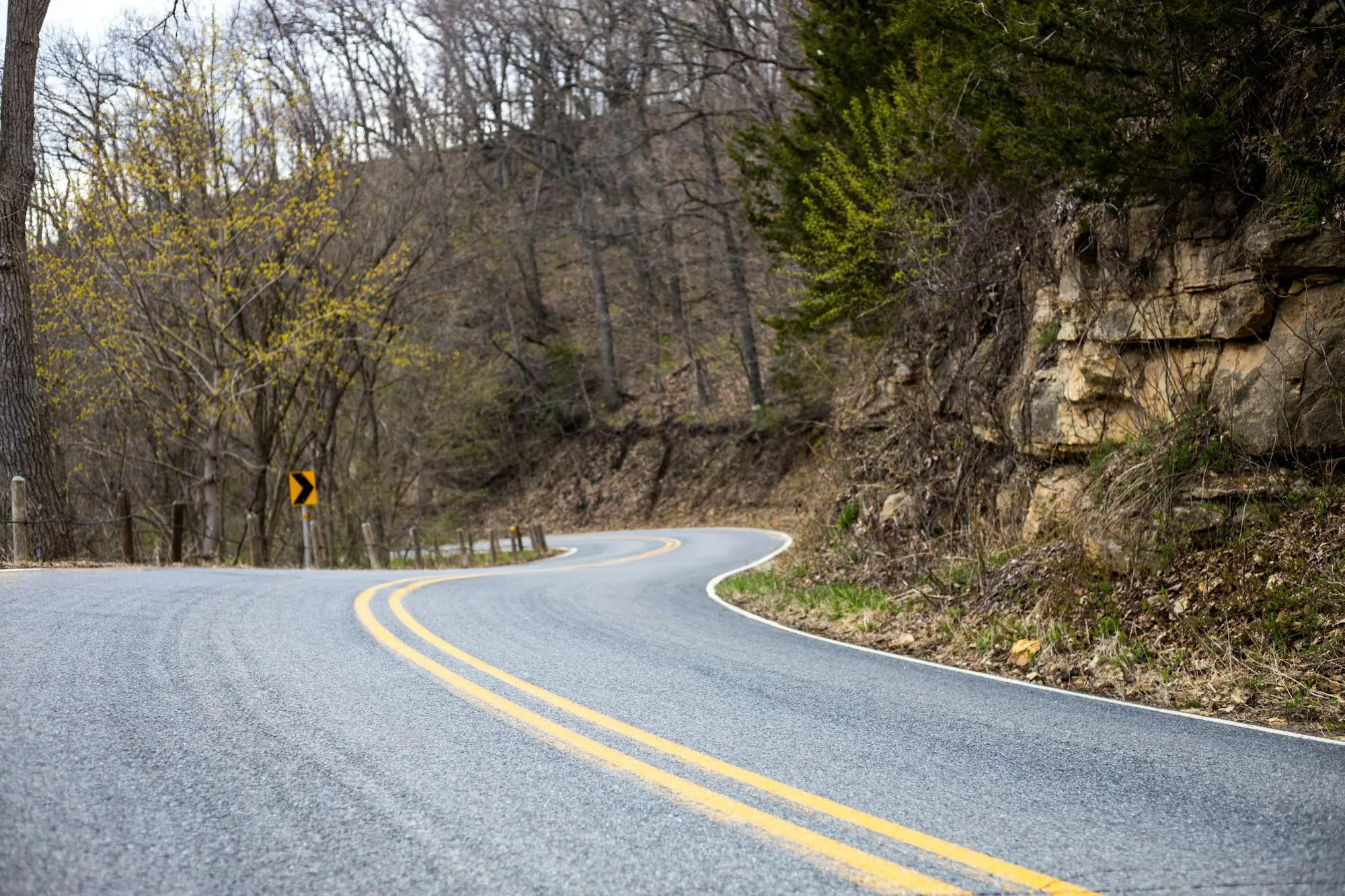
A winding two-lane asphalt road in the Appalachian mountains, photographed in dry daylight. Yellow double-center line markings guide through a series of tight left-hand curves. Dense deciduous and evergreen forest flanks both sides; a rock cut is visible on the right. The road surface and geometry suggest a technical, high-traffic riding corridor popular with motorcyclists.
Chris Flaten / Pexels

The Truth on the Street

None of what follows is my own riding impression. It comes from years of listening to owners: conversations at races and rider meets, and the long message threads that start once somebody has lived with the bike through a season. On the F4 Claudio the praise sits where you would expect it, on the looks, the engine at the top of the range, and the feeling of owning something built in small numbers. The complaints are just as consistent, and nearly all of them surface when the bike is asked to do ordinary things.

Where Owners Push Back

Two gripes dominate. The first is the riding position. Riders describe a cockpit sized for smaller people, and owners who use theirs on the road say long days in it turn punishing. Most have settled on treating the bike as a track proposition and planning around it. The second is weight. Owners who have spent real time on the obvious rivals say the F4 carries more of it, and that it shows up under hard braking and when they want a quick change of direction. Behind those, a smaller but steady group mentions an abrupt throttle just off idle that makes slow maneuvering awkward. Some have had the fueling reworked and report an improvement, though it still gets described as less refined than what the competition manages.

Known issues

  • Chronic overheating in slow traffic

    cooling common

    The bike suffers from insufficient cooling at low speeds, causing the engine to run dangerously hot. The radiator fan and baffling are inadequate, leading to potential engine damage and melted plastic fan blades.

  • Rear hub bearing premature wear

    drivetrain occasional

    The rear wheel hub bearing is known to wear prematurely, especially if the chain is over-tightened or when using pressure washers. Aftermarket reinforced hubs are a common fix.

  • Belly pan melting from exhaust heat

    bodywork occasional

    The lower fairing (belly pan) can melt on the right side due to proximity to the exhaust header, especially in stop-start riding. Aftermarket heat shielding or ceramic coating is a preventative measure.

The Expert Benchmark

Where this MV Agusta F4 Claudio pulls ahead of — or falls behind — its rivals on the numbers, and the typical bike in its class on character.

What kind of bike this is — character vs. the class

This bike Class average

The shape of the MV Agusta F4 Claudio — numbers and character vs. the average Supersport

Head-to-head: MV Agusta F4 Claudio vs. its rivals

The Handshake Score

Forget spec-sheet bragging. Here's who the F4 Claudio is actually built for.

A scenic view of Angeles Crest Highway winding through rugged Southern California canyon terrain. Rocky mountainsides with golden earth tones frame the asphalt road with tight sweeping curves. Double yellow center line visible, sparse vegetation along the shoulders, clear blue sky with white clouds. Daylight, dry conditions. Iconic location for canyon-road enthusiasts.
Josh Sorenson / Pexels

Best motorcycle for Laguna Seca?

Yes. Lean clearance, Öhlins at both ends and a motor that pulls hard to the redline make this a real circuit tool. Just accept that you are pushing a limited-edition machine, and crash economics are part of the deal.

Made for Barber Motorsports Park · WeatherTech Raceway Laguna Seca · Circuit of the Americas
Best motorcycle for Angeles Crest?

Built for Angeles Crest and everything above the city. The catch is the traffic you cross to get there, because this engine hates sitting still. Plan the ride around moving air.

Made for Angeles Crest Highway · Coronado Trail / US 191 · Highway 1 / Big Sur

Best motorcycle for Tail of the Dragon?

It works on tight East Coast twisties, but the power lives high in the rev range and those roads rarely let you reach it. When tourist traffic backs things up, keep an eye on the temperature.

Made for Back of the Dragon · Blue Ridge Parkway · Cherohala Skyway

What's new versus the previous generation

If you're cross-shopping the older generation, here's what changed.

MV Agusta F4 (MY2014-RR)

Previous generation · 2014–2019

MV Agusta F4 (MY2014-RR)

Screaming Four, Demanding Everything

Compare to the previous model →