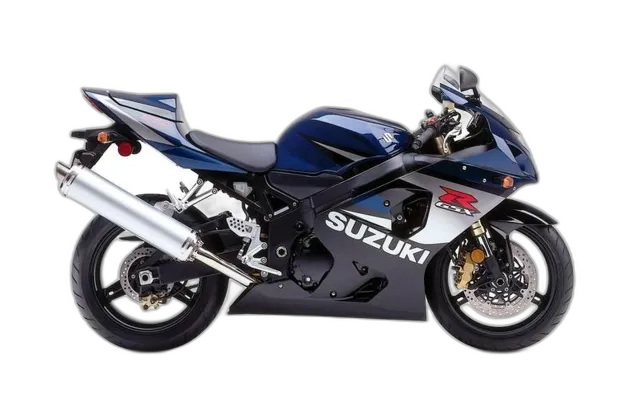
Suzuki GSX-R 750 (K6) — Supersport
Suzuki Press

2006–2007 · Supersport · Buyer's Guide

GSX-R 750 (K6)

Last Analog 750 Standing

The Machine's Character

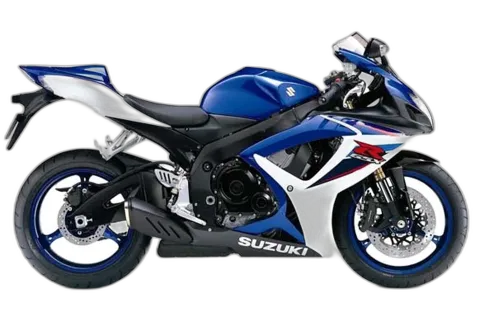
Suzuki built the K6 around a 749 cc inline-four making 150 hp at 12,800 rpm and 64 lb-ft at 11,200 rpm, then arranged the rest of the bike to let you actually use it. 434 lb wet, adjustable suspension at both ends, a steering damper and a slipper clutch, and nothing electronic sitting between your right wrist and the rear tire. That displacement is the whole point: more drive out of a corner than a small-bore four, less mass and less intimidation than a liter machine, with 168 mph waiting at the top end. Plain hardware, honestly assembled, no gimmicks.

It rides like a machine engineered for someone who already knows how, and it ages the same way. What wears is mechanical and fixable, parts and tuning support are everywhere, so a well kept example still feels honest twenty years on. This one is for the experienced canyon or trackday rider who supplies the electronics personally. The caveat is exactly that. No IMU, no traction control, no ABS, nothing standing between a bad decision and a cold tire or a wet patch. Skill is the rider aid here, and that is a real cost as much as it is the appeal.

Hard Numbers

Spec sheets don't ride bikes, but they set the baseline.

Show full specs & equipment Hide specs & equipment
Key specifications
Power 150 hp (110 kW) @ 12,800 rpm
Torque 64 lb-ft (86 Nm) @ 11,200 rpm
Displacement 749 cc
Engine Inline-four
Cooling Liquid-cooled
Gearbox 6-speed
Final drive Chain
Fork Upside-down (USD)
Front tire 120/70-17
Rear tire 180/55-17
Seat height 31.9 in (810 mm)
Wet weight 434 lb (197 kg)
Fuel capacity 4.4 gal (16.5 L)
Top speed 168 mph (270 km/h)

Equipment check

Chassis

  • Front Suspension Adjustable Standard
  • Rear Suspension Adjustable Standard
  • Steering Damper Standard

Drivetrain

  • Slipper Clutch Standard

The Voice of Experience

Portrait of NastyNils

The test ride

Swing a leg over and it feels smaller than the numbers suggest. 31.9 in to the seat, a narrow tank your knees lock into naturally, and a real commitment through your wrists once you stop moving in traffic. Below 6,000 rpm the four is quiet and almost polite. Above 9,000 the intake starts drawing hard and the last stretch to redline arrives as a flat mechanical howl you feel through the tank and pegs as much as you hear it. Vibration stays low enough that the mirrors remain useful. The bars stay calm at speed, and the riding position pushes you forward onto the front of the bike in a way that feels deliberate rather than punishing. At real road pace it wants a rider who is working, not coasting. The 4.4 gal tank sets the rhythm of the day.

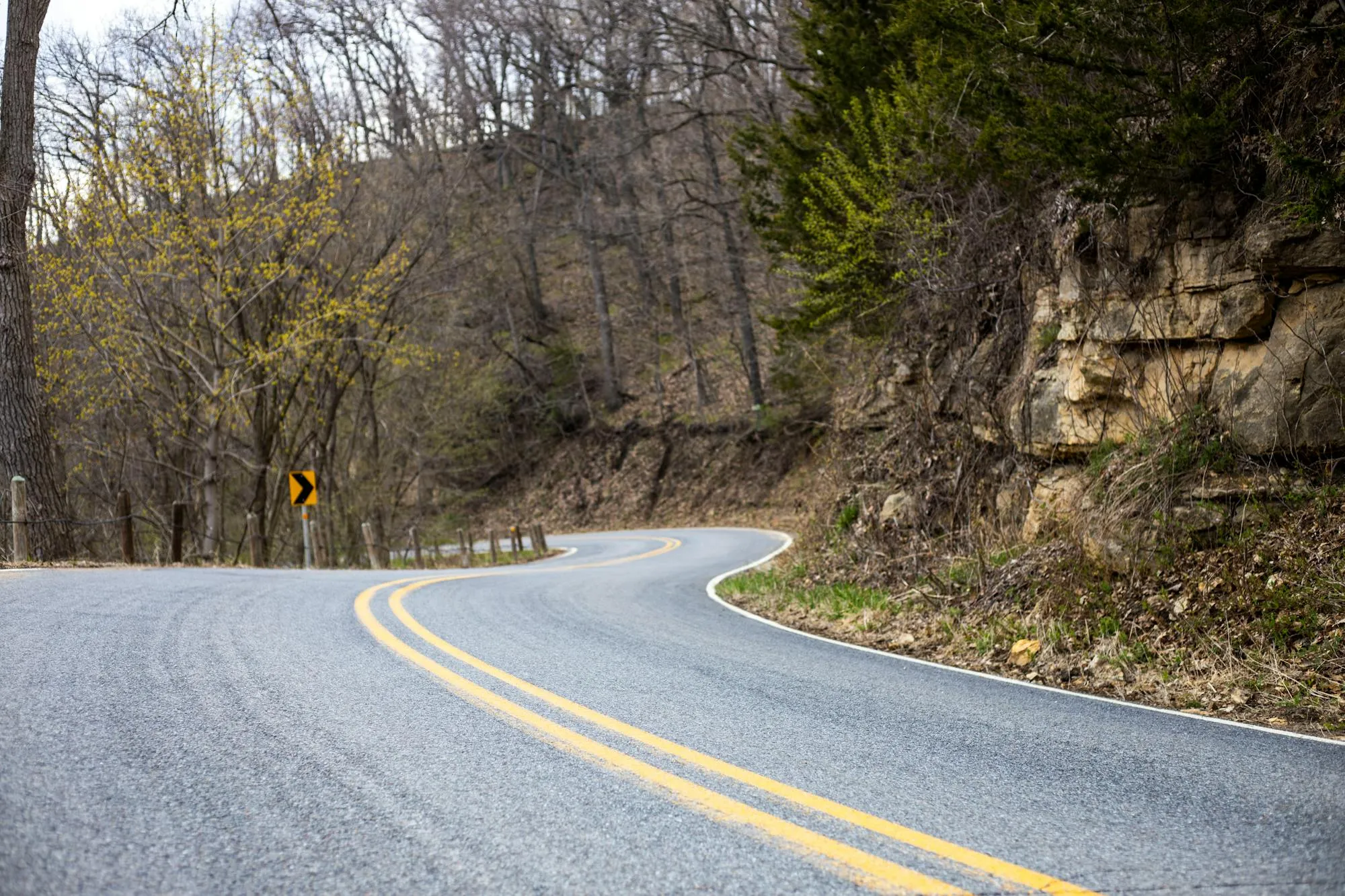
A winding two-lane asphalt road in the Appalachian mountains, photographed in dry daylight. Yellow double-center line markings guide through a series of tight left-hand curves. Dense deciduous and evergreen forest flanks both sides; a rock cut is visible on the right. The road surface and geometry suggest a technical, high-traffic riding corridor popular with motorcyclists.
Chris Flaten / Pexels

The Truth on the Street

This one comes from listening. Paddock conversations, club nights, owner chats, and two decades of messages landing in my inbox. For the K6 the chatter is unusually consistent: heavy praise for the engine and for how little effort it asks when you turn, with the gripes clustered at the slow end and at the very hard end.

Top-end rush, 600-sized feel

The engine draws the most consistent praise. Riders describe it as tuned for the top end, with a hard surge high in the revs and a midrange smaller 600s never gave them. Nearly as often they mention how small it feels. Sized like a 600, it changes direction with little effort, and the chassis flatters them on road and track alike. Precision, most of them say, comes without much asking.

Where the complaints cluster

The recurring gripe is low-speed manners. On and off the throttle at crawling pace comes out jerky, and owners talk about working the clutch to smooth it. Some find the suspension firm enough to feel harsh over broken pavement, set as it is for aggressive riding. Riders who run long track sessions mention the brakes fading, and pads, lines and a master cylinder are the usual fixes they name.

Known issues

  • Front brake master cylinder corrosion recall

    brakes common Recall

    Corrosion of brake piston due to inferior surface treatment can lead to spongy feel and reduced braking power. A recall (NHTSA) was issued for all 2004‑2013 GSX‑R750 models to replace the master cylinder. Ensure the recall has been performed.

  • Regulator/rectifier failures

    electrics occasional

    Some owners report premature failure of the regulator/rectifier, leading to charging system problems and potential battery drain.

  • Worn gearboxes with aggressive use

    drivetrain rare

    Aggressive riding and neglected maintenance can lead to premature wear or damage of the gearbox, particularly if the bike has been abused on track.

  • FI warning light / SET valve malfunction

    exhaust occasional

    The exhaust’s SET valve can stick or cause FI warning lights; often requires cleaning or replacement.

The Expert Benchmark

Where this Suzuki GSX-R 750 pulls ahead of — or falls behind — its rivals on the numbers, and the typical bike in its class on character.

What kind of bike this is — character vs. the class

This bike Class average

The shape of the Suzuki GSX-R 750 — numbers and character vs. the average Supersport

Head-to-head: Suzuki GSX-R 750 vs. its rivals

The Handshake Score

Forget spec-sheet bragging. Here's who the GSX-R 750 is actually built for.

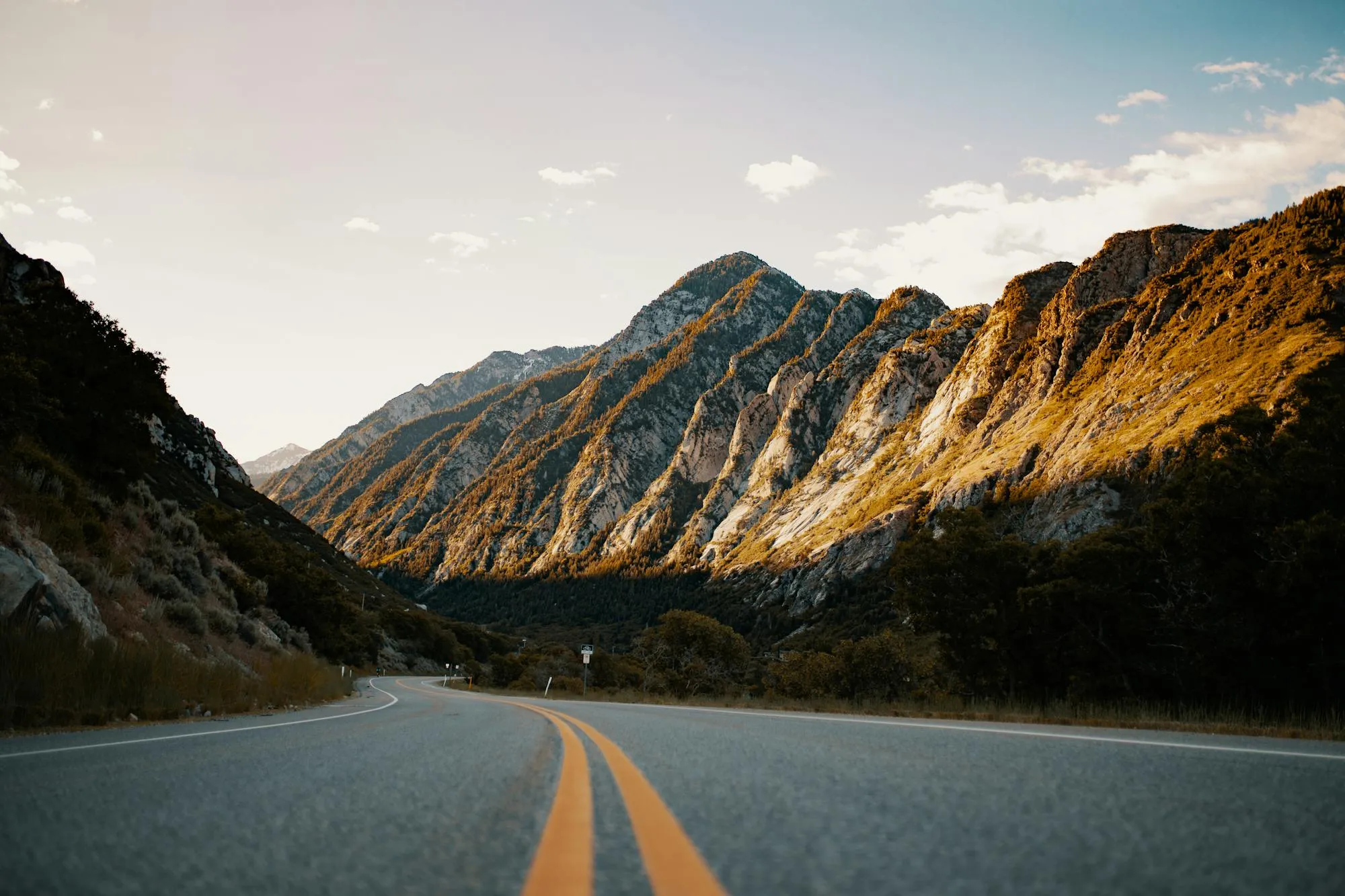
A scenic view of Angeles Crest Highway winding through rugged Southern California canyon terrain. Rocky mountainsides with golden earth tones frame the asphalt road with tight sweeping curves. Double yellow center line visible, sparse vegetation along the shoulders, clear blue sky with white clouds. Daylight, dry conditions. Iconic location for canyon-road enthusiasts.
Josh Sorenson / Pexels

Best motorcycle for Angeles Crest?

Angeles Crest is where this bike makes sense. It carries lean angle, holds the line you picked, and pulls hard out of the tight stuff. Nothing electronic is watching your throttle hand, though.

Made for Angeles Crest Highway · Coronado Trail / US 191 · Highway 1 / Big Sur
Best motorcycle for Laguna Seca?

Stable, fast, easy to set up, with parts support for anything you want to change. It teaches you more than a bike that covers your mistakes, and it punishes them faster too.

Made for Barber Motorsports Park · WeatherTech Raceway Laguna Seca · Circuit of the Americas

Best motorcycle for Tail of the Dragon?

On the Dragon and Cherohala it turns quickly and keeps telling you what the front tire is doing, which is exactly what technique work needs. Cold, damp mornings still demand respect.

Made for Back of the Dragon · Blue Ridge Parkway · Cherohala Skyway

What's new versus the previous generation

If you're cross-shopping the older generation, here's what changed.

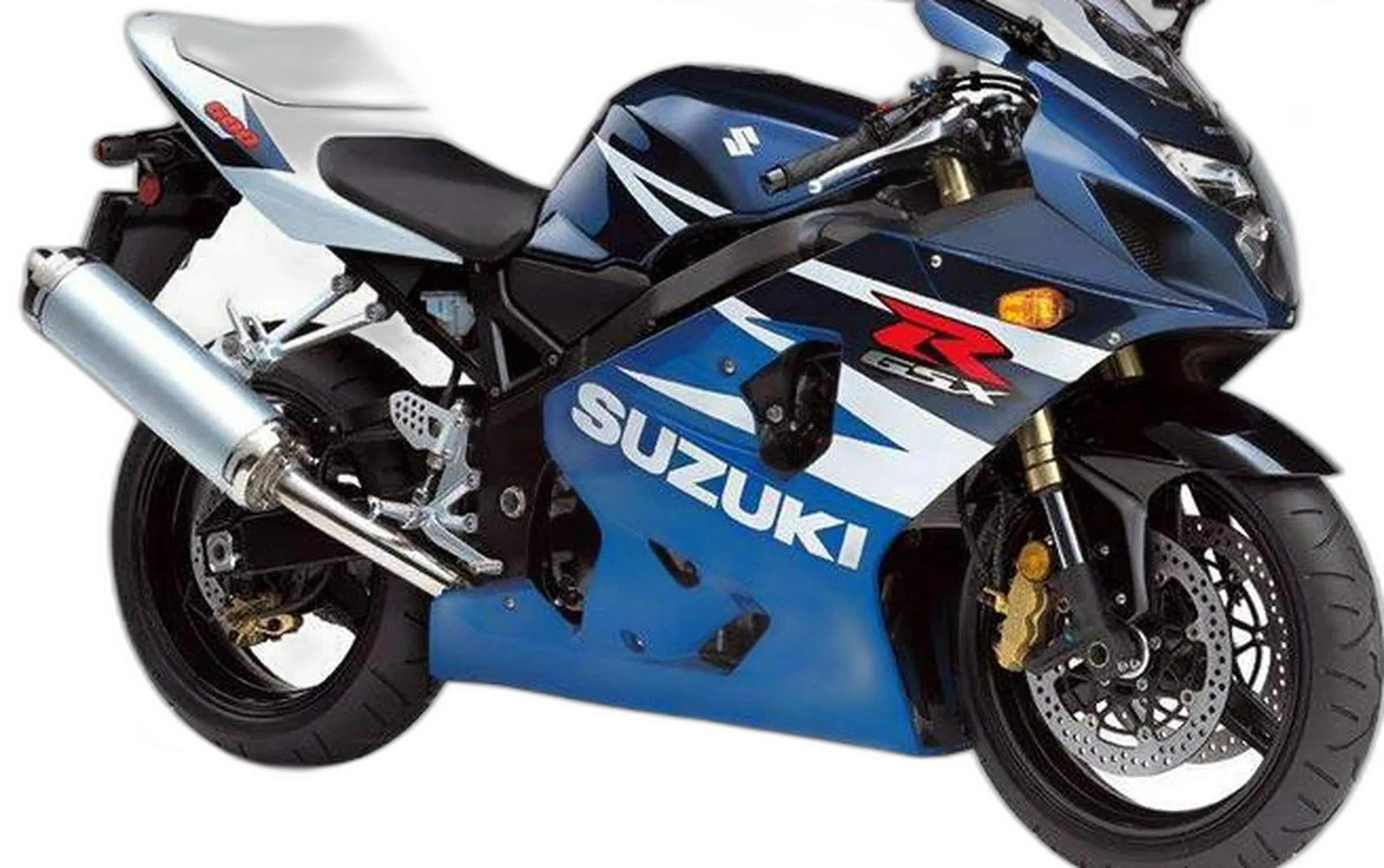
Suzuki GSX-R 750 (K4)

Previous generation · 2004–2005

Suzuki GSX-R 750 (K4)

Speed, Lean, Repeat

Compare to the previous model →