Honda CBR600RR (PC 40) — Supersport
Honda Press

2007–2016 · Supersport · Buyer's Guide

CBR600RR (PC 40)

Sharp Chassis, Honda Reliability

The Machine's Character

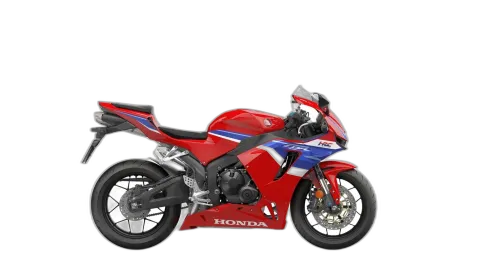
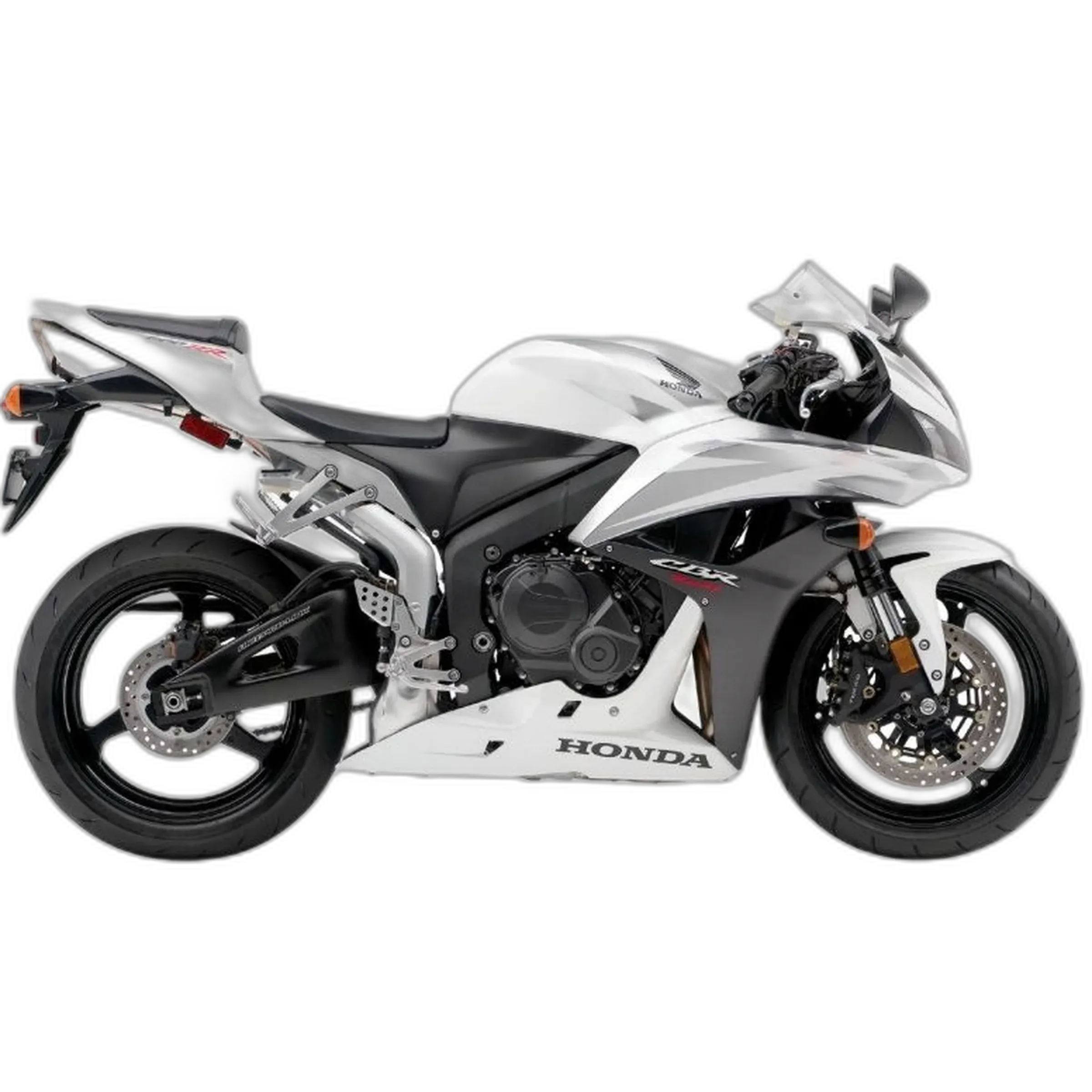
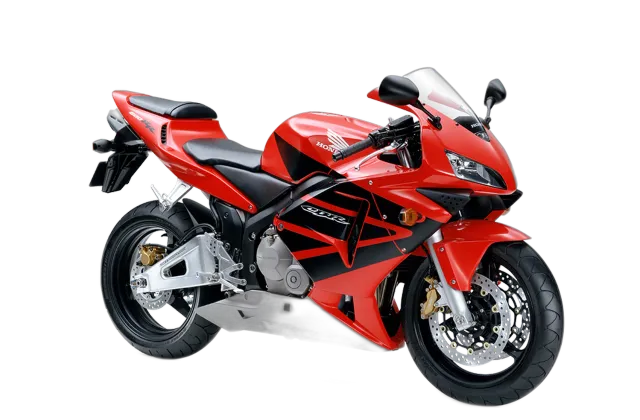
The second-generation CBR600RR is a 599 cc inline-four built around mass centralization rather than a headline power number. The 121 hp peak lands at 13,500 rpm and the 49 lb-ft maximum at 11,250, so the engine wants revs, yet there is real substance underneath that top end instead of a hole. At 410 lb wet on a 54.1 in wheelbase, with an upside-down fork, adjustable suspension at both ends and a steering damper fitted from the factory, this is a compact racing chassis Honda made usable on a public road. That combination is the whole point of the bike.

It rides like a machine that was sorted before it was sold. Nothing feels experimental, and the parts that wear are the ones any hard-used sportbike wears. Rider aids are the honest caveat: there is no traction control and no ride modes, and ABS was an option rather than standard, so your right wrist and your eyes do that job. That suits an experienced rider who wants a clean, mechanical bike and a huge parts catalog behind it. A rider looking for an electronic safety net should look elsewhere in the class.

Hard Numbers

Spec sheets don't ride bikes, but they set the baseline.

Show full specs & equipment Hide specs & equipment
Key specifications
Power 121 hp (89 kW) @ 13,500 rpm
Torque 49 lb-ft (66 Nm) @ 11,250 rpm
Displacement 599 cc
Engine Inline-four
Cooling Liquid-cooled
Gearbox 6-speed
Final drive Chain
Fork Upside-down (USD)
Front brake 310 mm
Front tire 120/70-17
Rear tire 180/55-17
Wheelbase 54.1 in (1375 mm)
Seat height 32.3 in (820 mm)
Wet weight 410 lb (186 kg)
Fuel capacity 4.8 gal (18.2 L)
Top speed 158 mph (255 km/h)

Equipment check

Chassis

  • Front Suspension Adjustable Standard
  • Rear Suspension Adjustable Standard
  • Steering Damper Standard

Safety

  • ABS Optional

The Voice of Experience

Portrait of NastyNils

The test ride

Swing a leg over and the bike shrinks around you. The 32.3 in seat isn't intimidating, the tank is narrow exactly where your knees want it, and the 410 lb stops mattering the second you're rolling. The clip-ons put weight on your wrists in traffic, and that's the honest price of this layout; once you're moving, the wind carries it for you. Past 10,000 rpm the inline-four changes voice completely, an intake howl that fills the helmet and tells you where you are in the rev range without glancing at the dash. What comes back through the bars is constant and fine-grained rather than noisy. On a long day the 4.8 gal tank has you stopping before the bike needs to, and at real road pace you end up thinking about the road instead of the machine.

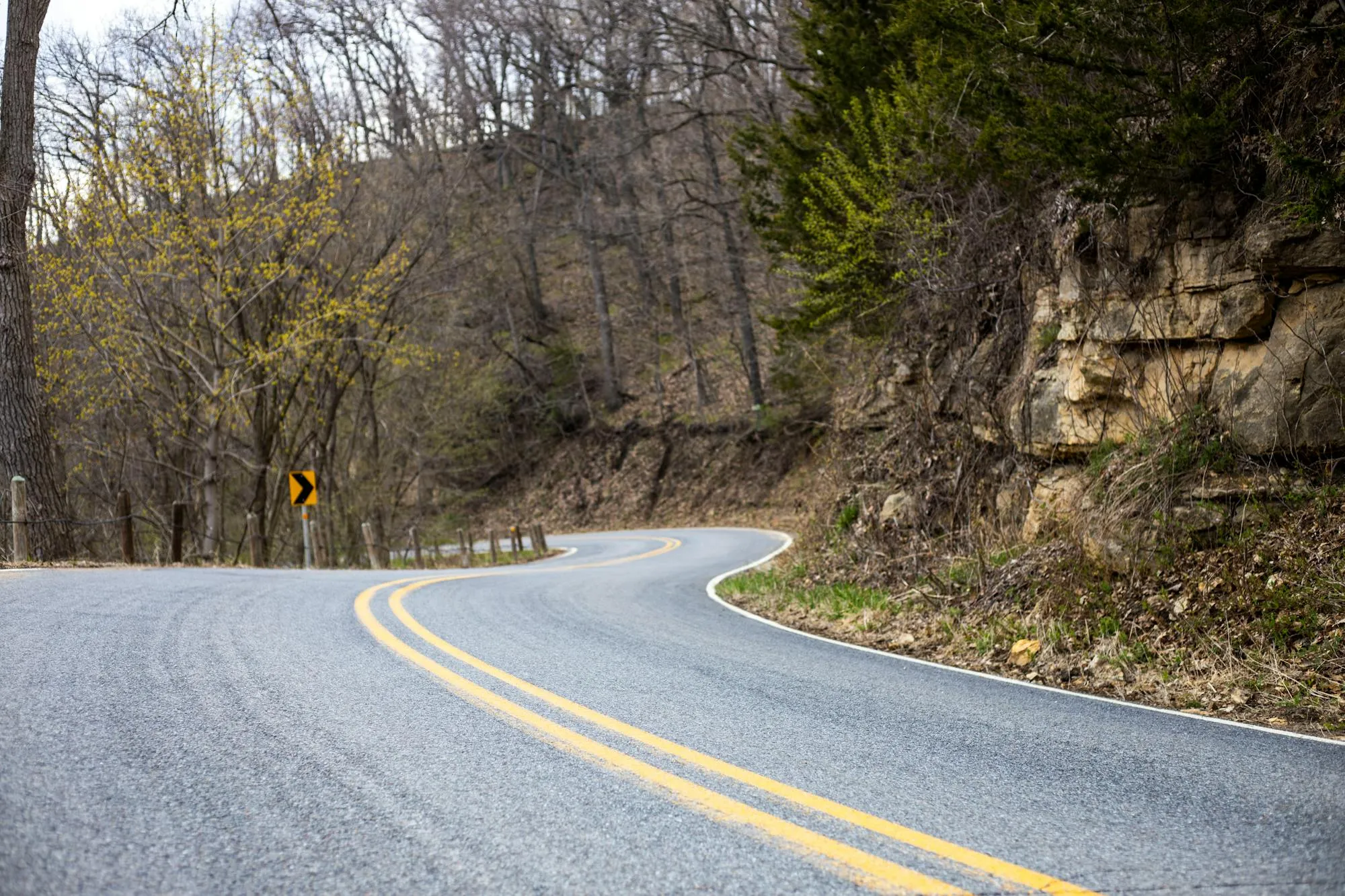
A winding two-lane asphalt road in the Appalachian mountains, photographed in dry daylight. Yellow double-center line markings guide through a series of tight left-hand curves. Dense deciduous and evergreen forest flanks both sides; a rock cut is visible on the right. The road surface and geometry suggest a technical, high-traffic riding corridor popular with motorcyclists.
Chris Flaten / Pexels

The Truth on the Street

Known issues

  • Fuel pump impeller may deform and cause failure

    fuel system occasional Recall

    A recall covers certain 2007 and 2009-2017 CBR600RR models: improperly molded fuel pump impellers can deform, leading to sudden fuel pump failure and stalling.

  • Cam chain tensioner noise

    engine occasional

    The automatic cam chain tensioner can become noisy, particularly at cold start; replacement often resolves the rattle.

  • Steering head bearings wear prematurely

    chassis occasional

    Some owners notice notchy steering, traced to worn steering head bearings; more frequent maintenance may be required.

The Expert Benchmark

Where this Honda CBR600RR pulls ahead of — or falls behind — its rivals on the numbers, and the typical bike in its class on character.

What kind of bike this is — character vs. the class

This bike Class average

The shape of the Honda CBR600RR — numbers and character vs. the average Supersport

Head-to-head: Honda CBR600RR vs. its rivals

The Handshake Score

Forget spec-sheet bragging. Here's who the CBR600RR is actually built for.

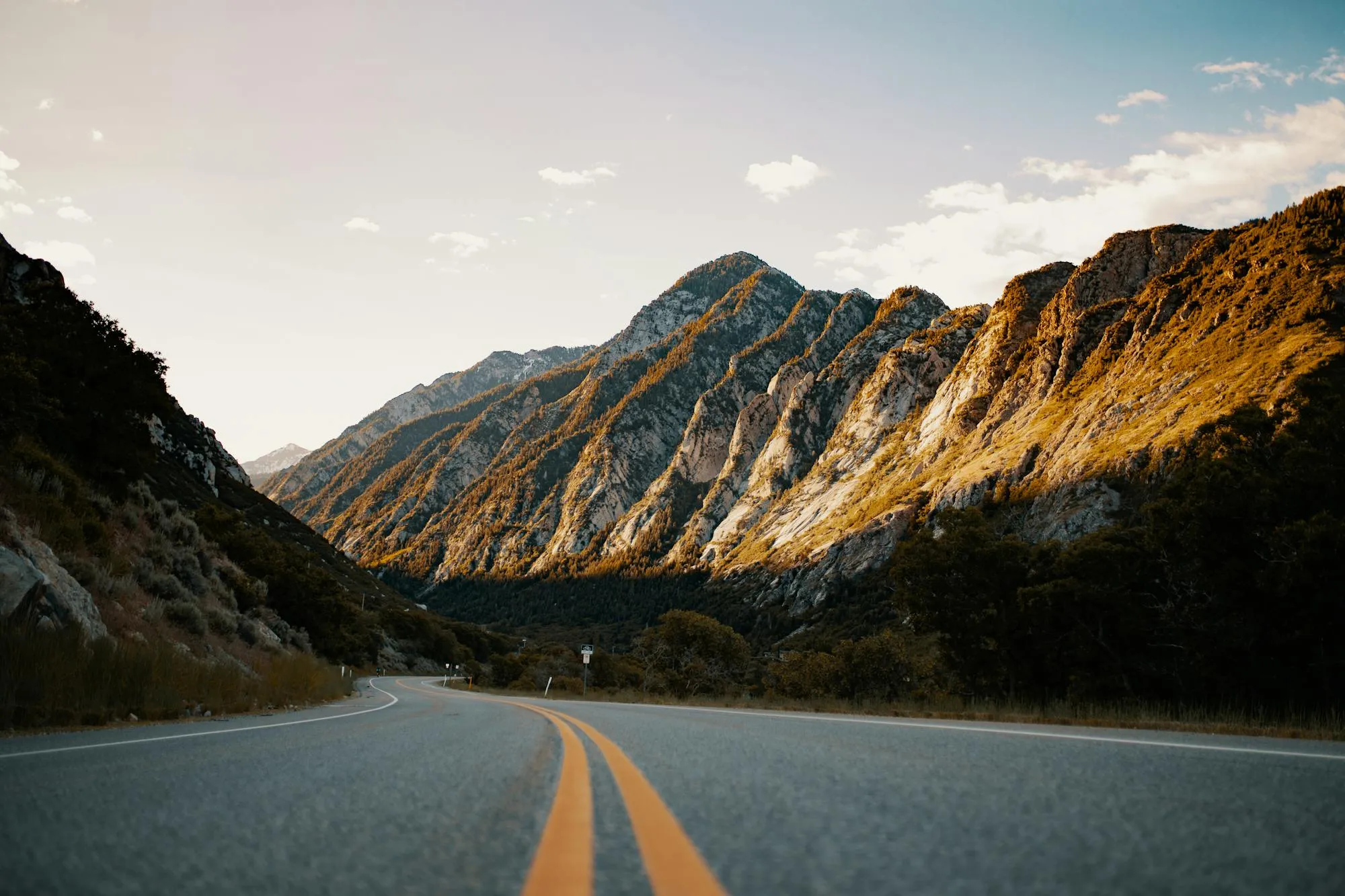
A scenic view of Angeles Crest Highway winding through rugged Southern California canyon terrain. Rocky mountainsides with golden earth tones frame the asphalt road with tight sweeping curves. Double yellow center line visible, sparse vegetation along the shoulders, clear blue sky with white clouds. Daylight, dry conditions. Iconic location for canyon-road enthusiasts.
Josh Sorenson / Pexels

Best motorcycle for Angeles Crest?

This is the bike for Angeles Crest days. It rewards precise inputs, holds the line you picked, and never runs short of lean angle. Just accept that there is no traction control watching your back.

Made for Angeles Crest Highway · Coronado Trail / US 191 · Highway 1 / Big Sur
Best motorcycle for Laguna Seca?

A genuinely capable trackday tool that costs little to run and even less to modify. You supply the throttle discipline, since the bike has no electronics to catch a mistake for you.

Made for Barber Motorsports Park · WeatherTech Raceway Laguna Seca · Circuit of the Americas

Best motorcycle for Tail of the Dragon?

On the Dragon or the Cherohala, its low weight and clear front-end feedback let you work on technique instead of wrestling the bike. The wrist load in slower traffic is the only real tax.

Made for Back of the Dragon · Blue Ridge Parkway · Cherohala Skyway

What's new versus the previous generation

If you're cross-shopping the older generation, here's what changed.

Honda CBR600RR (PC 37)

Previous generation · 2003–2006

Honda CBR600RR (PC 37)

Point It And It Goes

Compare to the previous model →