
·

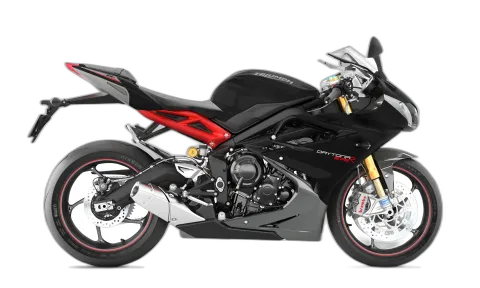
Triumph Daytona 675 (D67LC2-R) — Supersport
Triumph Press

2011–2012 · Supersport · A variant of the Daytona 675

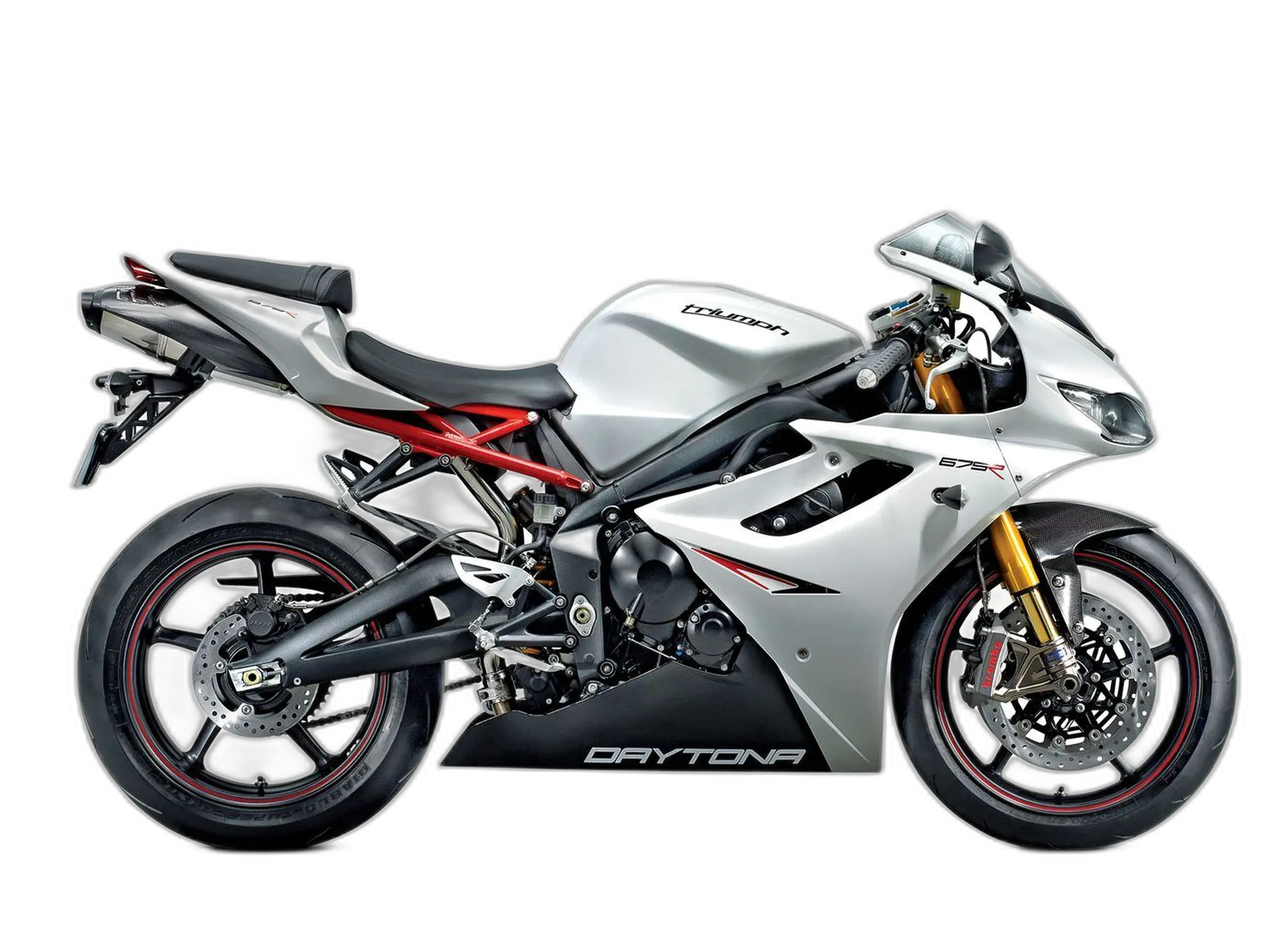
Daytona 675 R (D67LC2-R)

Differences between the standard Daytona 675 and the R

4.5 / 5 NastyNils Rating · against its class

Öhlins Edge, Triple Soul

The Machine's Character

The 675 cc inline-three is the whole argument here. It pulls with real mid-range shove where a four would still be clearing its throat, then keeps stacking revs to 126 hp at 12,600 rpm without ever feeling like it's straining. Wrapped around it is an aluminum twin-spar frame, 407 lb wet, and on the R the good stuff: Öhlins damping front and rear, Brembo stoppers on 308 mm discs. That combination puts this generation at the sharp end of the supersport class, and it earns that spot with hardware rather than badges.

Lean clearance is effectively unlimited on the road, high-speed stability is rock solid, and the chassis gives you the feedback to place the bike exactly where you meant to put it. Ride it hard and it rewards you. Ride it in traffic and the 32.7 in seat, the committed reach, and 32 mpg from a 4.6 gal tank remind you what it was built for. The honest caveat: there is no ABS and no traction control on this bike. Nothing catches you. That suits a skilled rider and punishes everyone else.

Hard Numbers

Spec sheets don't ride bikes, but they set the baseline.

Show full specs & equipment Hide specs & equipment
Key specifications
Power 126 hp (94 kW) @ 12,600 rpm
Torque 53 lb-ft (72 Nm)
Displacement 675 cc
Engine Inline-three
Cooling Liquid-cooled
Gearbox 6-speed
Final drive Chain
Fork Upside-down (USD)
Front brake 308 mm
Front tire 120/70-17
Rear tire 180/55-17
Wheelbase 54.9 in (1394 mm)
Seat height 32.7 in (831 mm)
Wet weight 407 lb (185 kg)
Fuel capacity 4.6 gal (17.4 L)
Top speed 156 mph (251 km/h)
Fuel economy 32 mpg (US)

Equipment check

Chassis

  • Front Suspension Adjustable Standard
  • Rear Suspension Adjustable Standard
  • Steering Damper Standard

Drivetrain

  • Quickshifter Standard

What the Daytona 675 R Adds — Differences vs the Standard Daytona 675

The Daytona 675 R (D67LC2-R) builds on the standard Daytona 675: the upgraded hardware, the key spec changes and where its character shifts. The full ride, specs, scoring and verdict are all right here on this page.

Premium hardware the R brings

  • Transmission Quickshifter Up A quickshifter for clutchless upshifts the standard goes without.

Hard spec differences

SpecStandard Daytona 675RΔ
Wet weight 417 lb 407 lb -10 lb
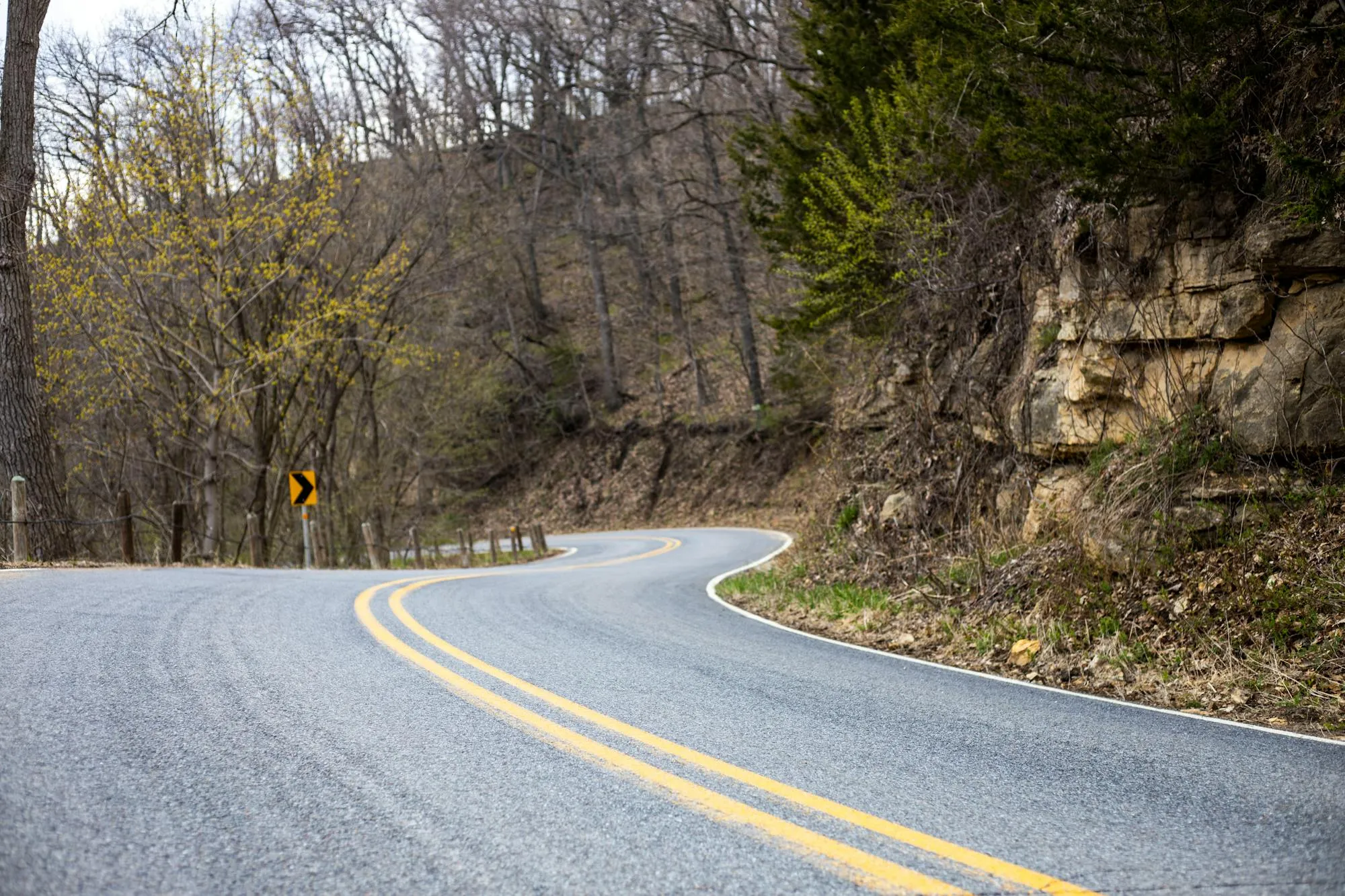
A winding two-lane asphalt road in the Appalachian mountains, photographed in dry daylight. Yellow double-center line markings guide through a series of tight left-hand curves. Dense deciduous and evergreen forest flanks both sides; a rock cut is visible on the right. The road surface and geometry suggest a technical, high-traffic riding corridor popular with motorcyclists.
Chris Flaten / Pexels

Known issues

  • Regulator/rectifier failure

    electrics occasional

    The regulator/rectifier can overheat and fail, leading to charging system issues and potentially damaging the battery and ECU. Many owners replace it proactively with a MOSFET unit or relocate it for better cooling.

  • Cam chain tensioner wear

    engine occasional

    The cam chain tensioner may wear prematurely, causing a rattling noise and potential timing issues. Replacement is sometimes recommended around 19,884 mi (32,000 km).

  • EXUP valve seizing

    exhaust occasional

    The exhaust valve (EXUP) can seize due to carbon buildup, reducing performance and causing poor low-speed running. Many owners either remove it or wire it open.

  • Oil/water heat exchanger failure

    engine occasional

    The oil cooler (heat exchanger) can develop internal leaks, allowing coolant and oil to mix. Many owners replace it with a dedicated air/oil cooler to eliminate the risk.

  • Engine cover bolts backing out

    engine occasional

    Engine cover bolts can loosen after a few thousand miles, leading to oil leaks. Applying threadlocker during maintenance prevents this.

  • Sensor failures

    electrics occasional

    Various sensors (e.g., cam sensor, crank sensor) are known to fail, leading to expensive replacement costs and warning codes on the dashboard. This issue has been noted as a main reliability concern.

The Expert Benchmark

Where this Triumph Daytona 675 pulls ahead of — or falls behind — its rivals on the numbers, and the typical bike in its class on character.

What kind of bike this is — character vs. the class

This bike Class average

The shape of the Triumph Daytona 675 — numbers and character vs. the average Supersport

Head-to-head: Triumph Daytona 675 vs. its rivals

The Handshake Score

Forget spec-sheet bragging. Here's who the Daytona 675 is actually built for.

A scenic view of Angeles Crest Highway winding through rugged Southern California canyon terrain. Rocky mountainsides with golden earth tones frame the asphalt road with tight sweeping curves. Double yellow center line visible, sparse vegetation along the shoulders, clear blue sky with white clouds. Daylight, dry conditions. Iconic location for canyon-road enthusiasts.
Josh Sorenson / Pexels

Best motorcycle for Angeles Crest?

On Angeles Crest this thing is in its element: light, stable at speed, and honest about what the front tire is doing. Just know that nothing electronic is watching your back.

Made for Angeles Crest Highway · Coronado Trail / US 191 · Highway 1 / Big Sur
Best motorcycle for Laguna Seca?

It arrives track-capable. The Öhlins and Brembo package means your setup time goes into tires and clicks, not into replacing hardware that was never good enough.

Made for Barber Motorsports Park · WeatherTech Raceway Laguna Seca · Circuit of the Americas

Best motorcycle for Tail of the Dragon?

For the Dragon and Cherohala it turns in fast and holds a tight line all day. The reward is precision, not comfort, and the ride out from Knoxville will remind you of that.

Made for Back of the Dragon · Blue Ridge Parkway · Cherohala Skyway