
·

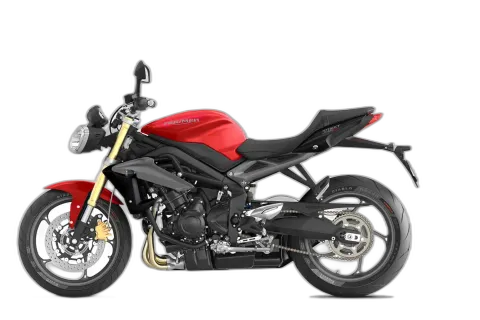
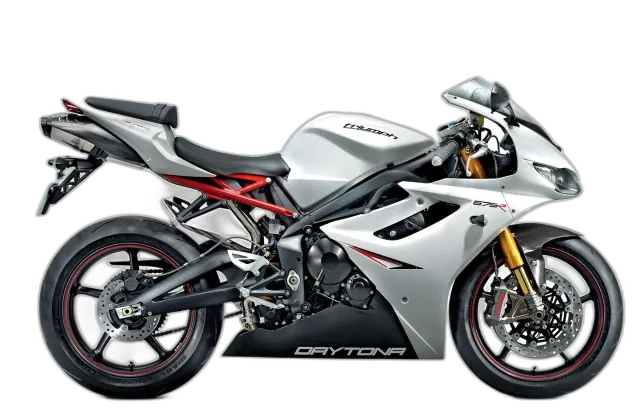
Triumph Daytona 675 (MY2013-R) — Supersport
Triumph Press

2013–2017 · Supersport · A variant of the Daytona 675

Daytona 675 R (MY2013-R)

Differences between the standard Daytona 675 and the R

4.5 / 5 NastyNils Rating · against its class

The Triple That Corners Hardest

The Machine's Character

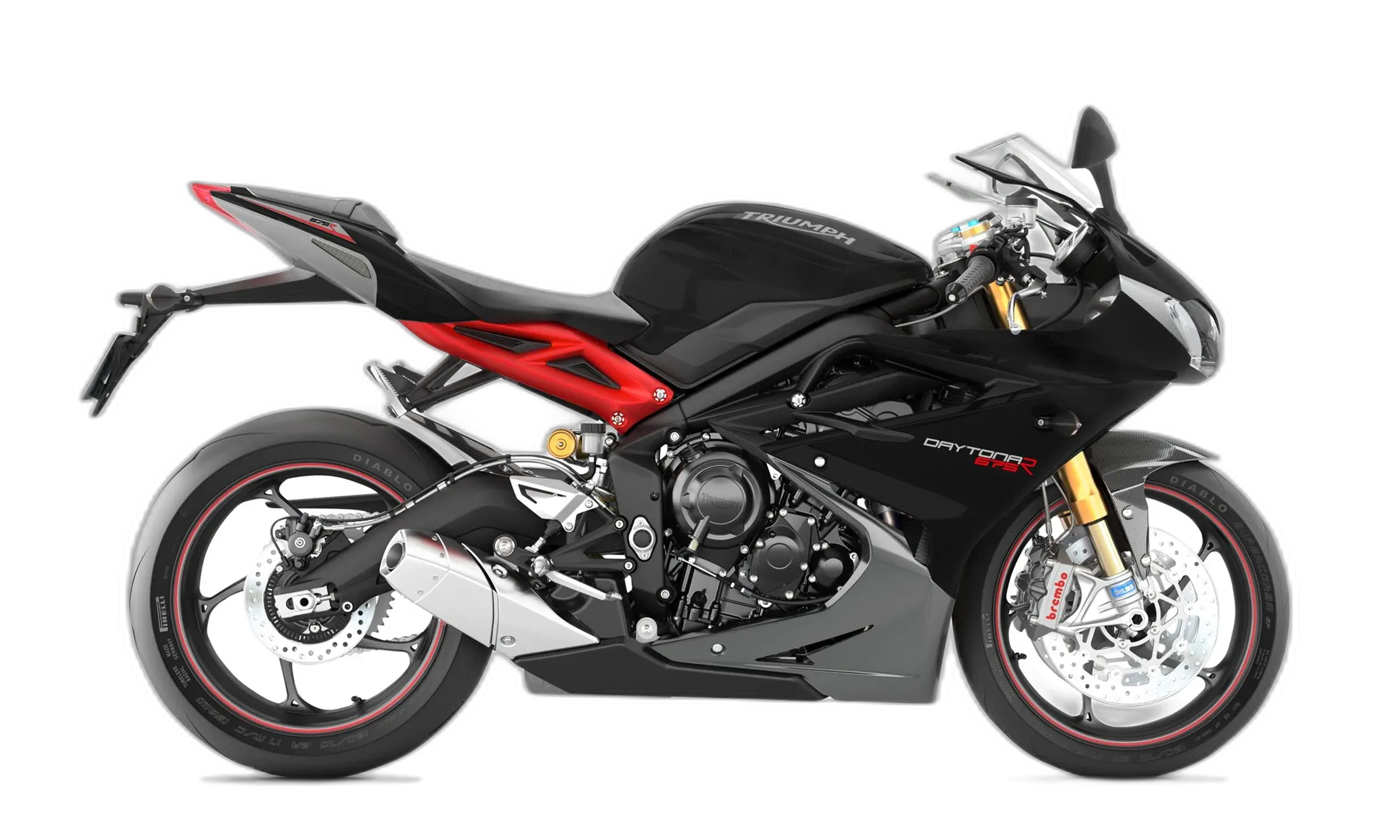
The Daytona 675 R wraps a focused middleweight around Triumph's 675cc inline-three. The triple pulls hard through the midrange and screams to a 12,500-rpm peak of 126 hp, with a voice no four-cylinder can fake. Underneath sit a fully adjustable Öhlins NIX30 fork and TTX36 shock, Brembo brakes, and a short, sharp chassis built for one job: getting through a corner fast and finishing it early. The electronics stay deliberately lean. ABS is standard, but there's no traction control or rider modes here, so the bike asks you to bring your own throttle discipline rather than leaning on a safety net.

On the road it rewards a rider who likes to work. The position is committed, the seat sits at 32.7 in, and at 406 lb wet it changes direction with almost no effort. This is a canyon and track tool first and a commuter never; 31 mpg and a hunger for revs tell you exactly where it wants to live. It ages like a focused sportbike too. Watch for stretched Exup valve cables tripping the check-engine light, the odd weeping engine bolt or counter-shaft seal, and a clutch that can feel catchy. None of it is fatal, but budget for a little fussing.

Hard Numbers

Spec sheets don't ride bikes, but they set the baseline.

Show full specs & equipment Hide specs & equipment
Key specifications
Power 126 hp (94 kW) @ 12,500 rpm
Torque 55 lb-ft (74 Nm) @ 11,900 rpm
Displacement 675 cc
Engine Inline-three
Cooling Liquid-cooled
Gearbox 6-speed
Final drive Chain
Fork Upside-down (USD)
Front brake 310 mm
Front tire 120/70-17
Rear tire 180/55-17
Seat height 32.7 in (830 mm)
Wet weight 406 lb (184 kg)
Fuel capacity 4.6 gal (17.4 L)
Fuel economy 31 mpg (US)

Equipment check

Chassis

  • Front Suspension Adjustable Öhlins NIX30 Damping tuning to stylePrecise front end feedback Standard
  • Rear Suspension Adjustable Standard

Drivetrain

  • Quickshifter Standard
  • Slipper Clutch Standard

Safety

  • ABS Standard

What the Daytona 675 R Adds — Differences vs the Standard Daytona 675

The Daytona 675 R (MY2013-R) builds on the standard Daytona 675: the upgraded hardware, the key spec changes and where its character shifts. The full ride, specs, scoring and verdict are all right here on this page.

Equipment the R adds vs the standard Daytona 675

Now standard
ABS

Premium hardware the R brings

  • Transmission Quickshifter Up A quickshifter for clutchless upshifts the standard goes without.

How the R shifts the character

Where the R does more
  • More suspension adjustment to dial in
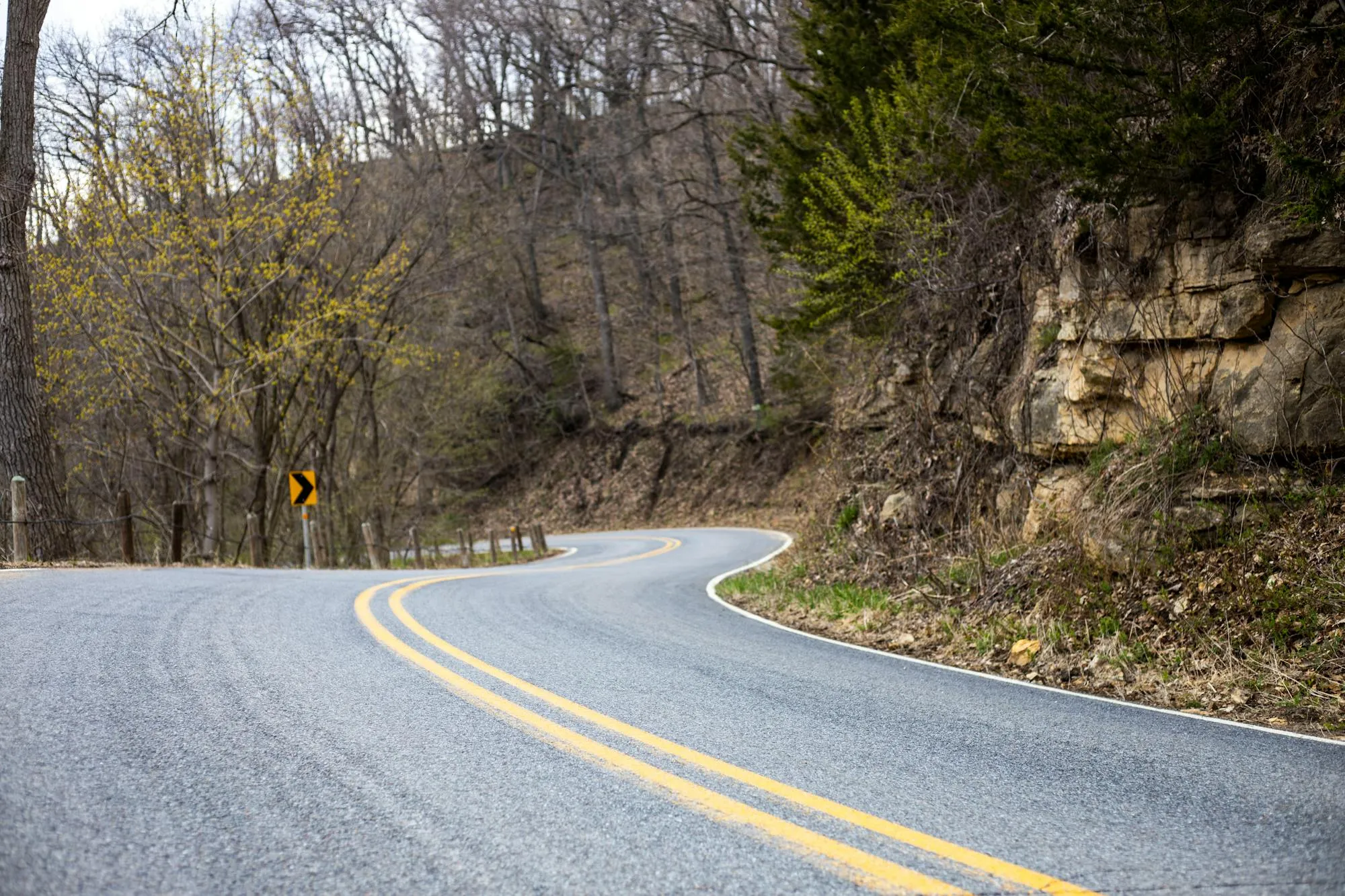
A winding two-lane asphalt road in the Appalachian mountains, photographed in dry daylight. Yellow double-center line markings guide through a series of tight left-hand curves. Dense deciduous and evergreen forest flanks both sides; a rock cut is visible on the right. The road surface and geometry suggest a technical, high-traffic riding corridor popular with motorcyclists.
Chris Flaten / Pexels

The Truth on the Street

This isn't my own lap on the Daytona. It's what riders have told me over years of owner conversations, paddock talk, and the steady stream of messages that lands in my inbox. The pattern here is unusually consistent: a hard-edged middleweight that riders trust far more than its spec sheet suggests they should.

The bike that builds confidence

What comes up again and again is how approachable it feels for something this sharp. Riders describe a machine that flatters them rather than punishing mistakes, forgiving at the limit and quick to inspire confidence, which keeps it a favorite among track-day regulars and racers alike. The brakes draw steady praise too: owners talk about real stopping power paired with enough feel to lean on the lever hard. On the road, the suspension reads as plush and composed.

Where it asks more of you

The gripes are few and they cluster. A recurring one is comfort: the committed stance that makes it so precise turns taxing on longer rides. The other surfaces mostly when the weather does. With no traction control or riding modes to fall back on, some riders find it intimidating in the wet, leaning entirely on mechanical grip and their own skill.

Known issues

  • Öhlins rear shock absorber recall (2014–2015 R models)

    suspension rare Recall

    A recall was issued due to potential cracking of the shock absorber body. Affected units were replaced free of charge.

  • Engine bolts backing out and oil seepage

    engine occasional

    Various engine cover bolts (clutch, alternator, oil pan) can loosen over time, causing minor oil weeps. Owners recommend applying threadlocker during services.

  • Transmission pivot plate premature wear

    drivetrain occasional

    Aggressive high-rpm shifting can wear the shift detent wheel and pivot plate, causing a grinding feel through the gear lever. Upgraded kits are available.

  • Counter shaft seal oil leak

    engine occasional

    The seal behind the front sprocket can weep oil, leaving streaks on the engine case. Replacement with an upgraded industrial seal is a common fix.

  • Exup valve cable stretch triggers CEL

    exhaust occasional

    The exhaust valve cables stretch over time, causing the check engine light to illuminate. Often requires dealer adjustment or replacement; many owners fit a servo eliminator.

  • Wobbly mirrors

    bodywork occasional

    The stock mirrors can become loose and vibrate excessively, blurring rear vision. Dealers may replace under warranty, though the issue can return.

  • Catchy clutch pull

    drivetrain occasional

    Some owners report a notchy or grabby clutch action, with no definitive factory fix. Aftermarket levers or adjustments may mitigate it.

  • Coolant leak from loose hose clamps

    cooling occasional

    On early 2013 models, coolant hoses on the left side may be loose from the factory, leading to drips. A simple re-tightening resolves it.

  • Shift detent wheel wear

    drivetrain occasional

    Over years of high‑rpm shifts, the internal shift detent wheel and plate wear down, causing a grinding feel in the shifter.

  • Blown fuse for auxiliary circuits

    electrics rare

    A repeated blown fuse for the horn, indicators, parking light, and brake light has been reported, often requiring dealership investigation.

  • Shaky or loose mirrors

    bodywork occasional

    Mirrors can become loose, causing vibration or wobbling at speed. Dealers replace them under warranty.

The Expert Benchmark

Where this Triumph Daytona 675 pulls ahead of — or falls behind — its rivals on the numbers, and the typical bike in its class on character.

What kind of bike this is — character vs. the class

This bike Class average

The shape of the Triumph Daytona 675 — numbers and character vs. the average Supersport

Head-to-head: Triumph Daytona 675 vs. its rivals

The Handshake Score

Forget spec-sheet bragging. Here's who the Daytona 675 is actually built for.

A scenic view of Angeles Crest Highway winding through rugged Southern California canyon terrain. Rocky mountainsides with golden earth tones frame the asphalt road with tight sweeping curves. Double yellow center line visible, sparse vegetation along the shoulders, clear blue sky with white clouds. Daylight, dry conditions. Iconic location for canyon-road enthusiasts.
Josh Sorenson / Pexels

Best motorcycle for Angeles Crest?

This is your weapon for Angeles Crest. Light, razor-sharp, and endlessly leanable, it rewards precise canyon work. Just bring your own throttle restraint, because there's no traction control to catch you.

Made for Angeles Crest Highway · Coronado Trail / US 191 · Highway 1 / Big Sur
Best motorcycle for Laguna Seca?

On a closed track it shines: huge front feel, stock Öhlins and Brembo that handle real pace, and clearance to spare. With no electronic safety net, it asks for skill, and rewards it.

Made for Barber Motorsports Park · WeatherTech Raceway Laguna Seca · Circuit of the Americas

Best motorcycle for Tail of the Dragon?

Made for Tail of the Dragon and the Blue Ridge. The quick-steering chassis and front-end feedback let you place it to the inch on tight technical corners, where finesse beats horsepower.

Made for Back of the Dragon · Blue Ridge Parkway · Cherohala Skyway

What's new versus the previous generation

If you're cross-shopping the older generation, here's what changed.

Triumph Daytona 675 (D67LC2-R)

Previous generation · 2011–2012

Triumph Daytona 675 (D67LC2-R)

Öhlins Edge, Triple Soul

Compare to the previous model →