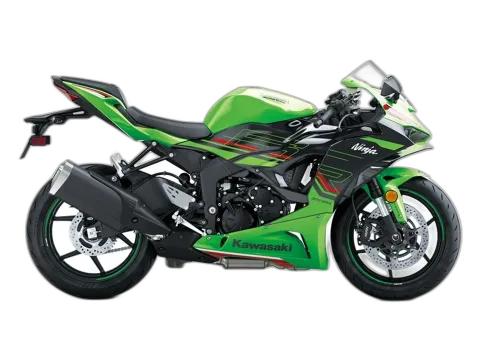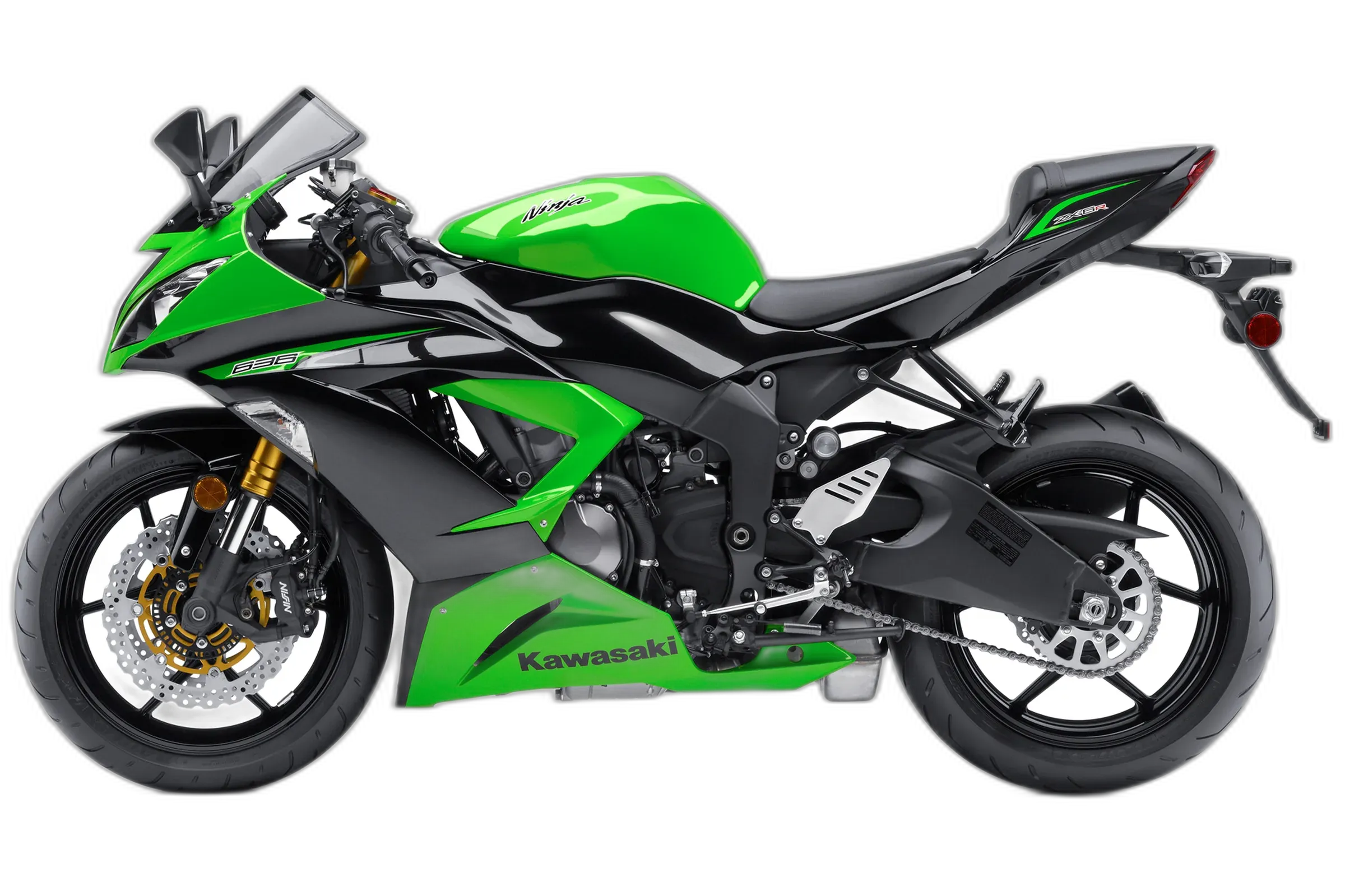
Kawasaki Ninja ZX-6R (ZX636E) — Supersport
Kawasaki press archive

2013–2017 · Supersport · Buyer's Guide

Ninja ZX-6R (ZX636E)

636cc That Actually Corners

The Machine's Character

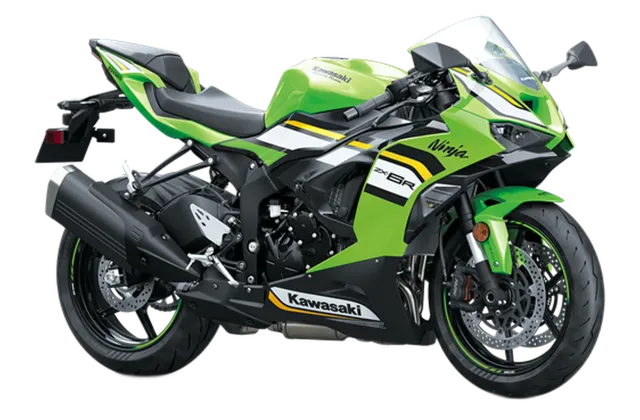
The ZX636E runs 636 cc in a class that usually stops at 600, and Kawasaki spent that extra displacement on spread rather than on a headline. You get 128 hp and 51 lb-ft, with enough drive low in the range that the bike still works on a road where a strict 600 wants revs before it does anything. Traction control and ride modes are standard, fork and shock are adjustable at both ends, and a slipper clutch takes the sting out of hard downshifts. ABS was an option rather than fitted to every bike, so check the one in front of you.

This is a supersport somebody clearly rode on public pavement before signing it off. Back the clickers off and it stays civil at everyday pace; wind them up and it holds a line with the kind of composure that rewards a rider who knows where the apex is. It ages like most Kawasaki hardware: the running gear takes miles without drama, and the parts supply behind it is deep enough that setup changes and crash repairs stay cheap. The honest caveat is the ergonomics. At 32.7 in of seat height and 423 lb wet, on clip-ons, it asks for commitment. Riders who want soft weekend transport should look elsewhere.

Hard Numbers

Spec sheets don't ride bikes, but they set the baseline.

Show full specs & equipment Hide specs & equipment
Key specifications
Power 128 hp (94 kW)
Torque 51 lb-ft (69 Nm)
Displacement 636 cc
Engine Inline-four
Cooling Liquid-cooled
Gearbox 6-speed
Final drive Chain
Fork Upside-down (USD)
Front brake 310 mm
Front tire 120/70-17
Rear tire 180/55-17
Seat height 32.7 in (830 mm)
Wet weight 423 lb (192 kg)
Fuel capacity 4.5 gal (17 L)
Top speed 160 mph (257 km/h)
Fuel economy 34 mpg (US)

Equipment check

Chassis

  • Front Suspension Adjustable Standard
  • Rear Suspension Adjustable Standard

Drivetrain

  • Slipper Clutch Standard

Safety

  • ABS Optional
  • Traction Control Standard
  • Ride Modes Standard

The Voice of Experience

Portrait of NastyNils

The test ride

Cold, an early bike can make you wait. Two or three attempts, a catch and a stall, then a lumpy idle until the enrichment sorts itself out. Warm, the four takes on that hard metallic edge past the middle of the tach, and the vibration stays fine grained rather than numbing your palms. The riding position is committed without being cruel. Weight sits on your wrists at a stoplight and lifts off the moment you get moving. At real road pace you read the bike through the pegs and the tank more than through the bars, which is why a long day leaves your legs tired before your shoulders. Wind protection is what the fairing shape promises and no more. Figure about 150 miles between fuel stops at 34 mpg.

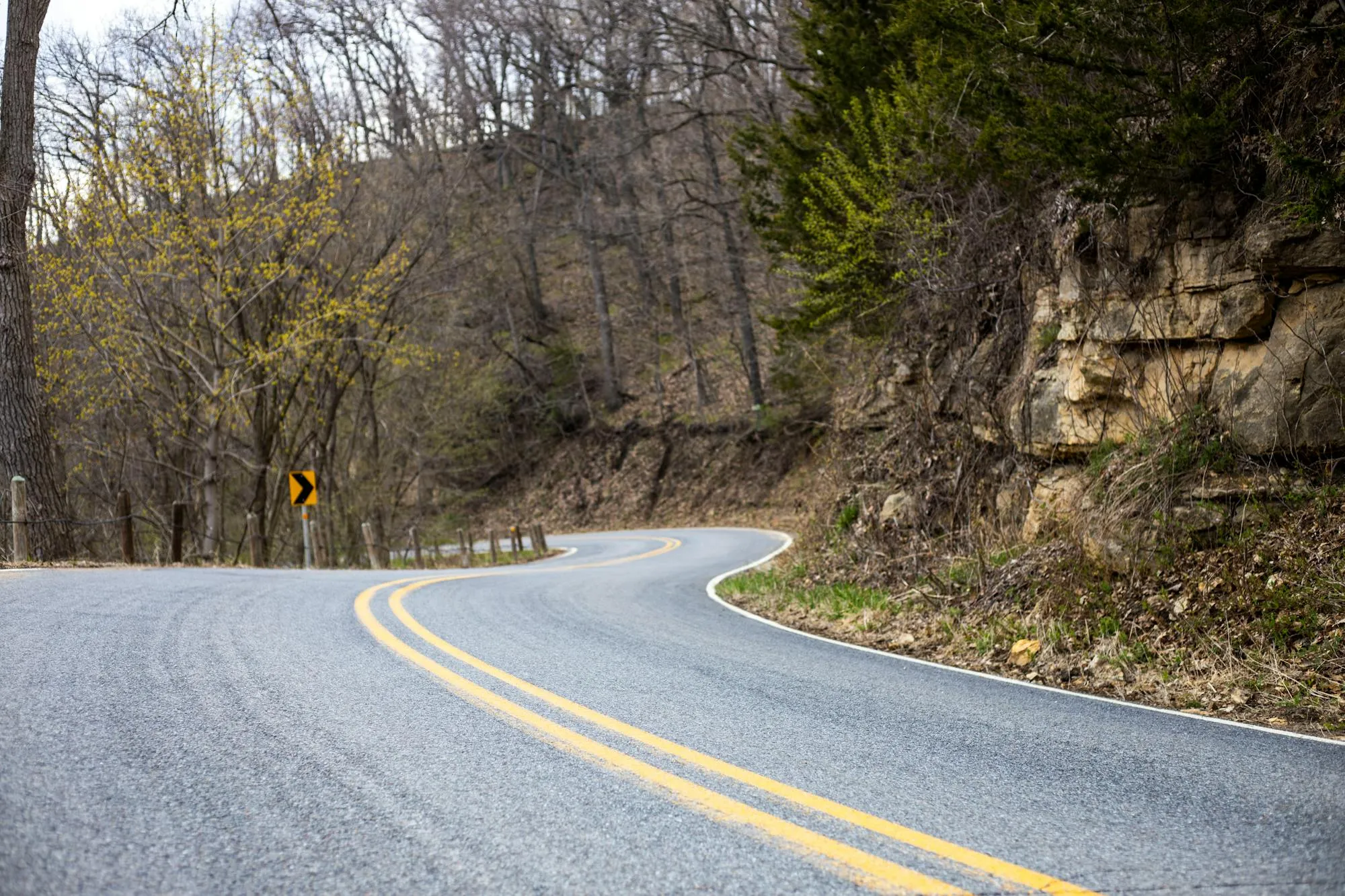
A winding two-lane asphalt road in the Appalachian mountains, photographed in dry daylight. Yellow double-center line markings guide through a series of tight left-hand curves. Dense deciduous and evergreen forest flanks both sides; a rock cut is visible on the right. The road surface and geometry suggest a technical, high-traffic riding corridor popular with motorcyclists.
Chris Flaten / Pexels

The Truth on the Street

Known issues

  • Veering right when riding with no hands

    chassis occasional

    Several early owners report that the bike drifts to the right when hands are removed from the bars at moderate speeds. Possible alignment or tire-related issue.

  • Hard start and rough idle when cold

    engine occasional

    Some 2013 models required multiple starter attempts in the morning, with the engine starting and then dying until it eventually caught, followed by rough idling until the cold-start enrichment kicked in.

The Expert Benchmark

Where this Kawasaki Ninja ZX-6R pulls ahead of — or falls behind — its rivals on the numbers, and the typical bike in its class on character.

What kind of bike this is — character vs. the class

This bike Class average

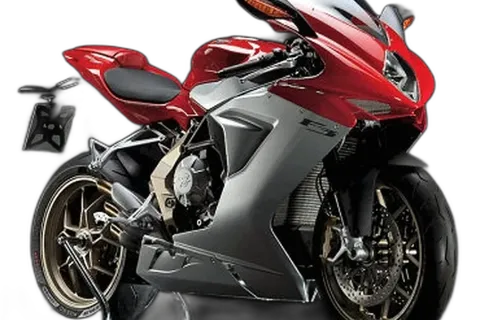
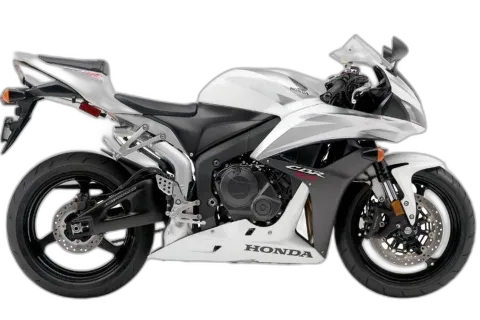
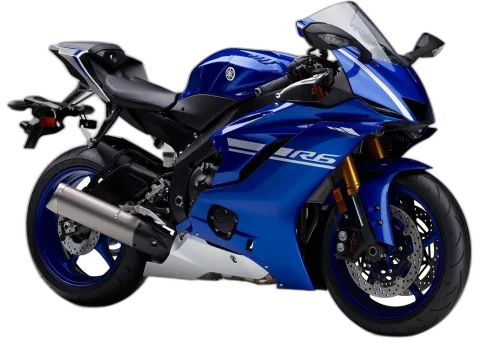
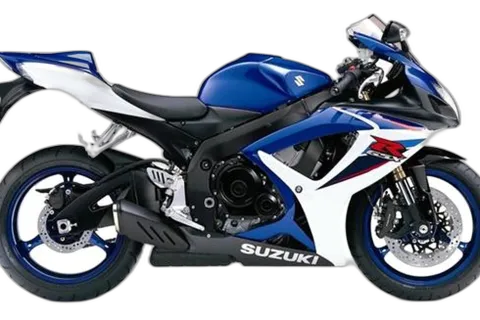
The shape of the Kawasaki Ninja ZX-6R — numbers and character vs. the average Supersport

Head-to-head: Kawasaki Ninja ZX-6R vs. its rivals

The Handshake Score

Forget spec-sheet bragging. Here's who the Ninja ZX-6R is actually built for.

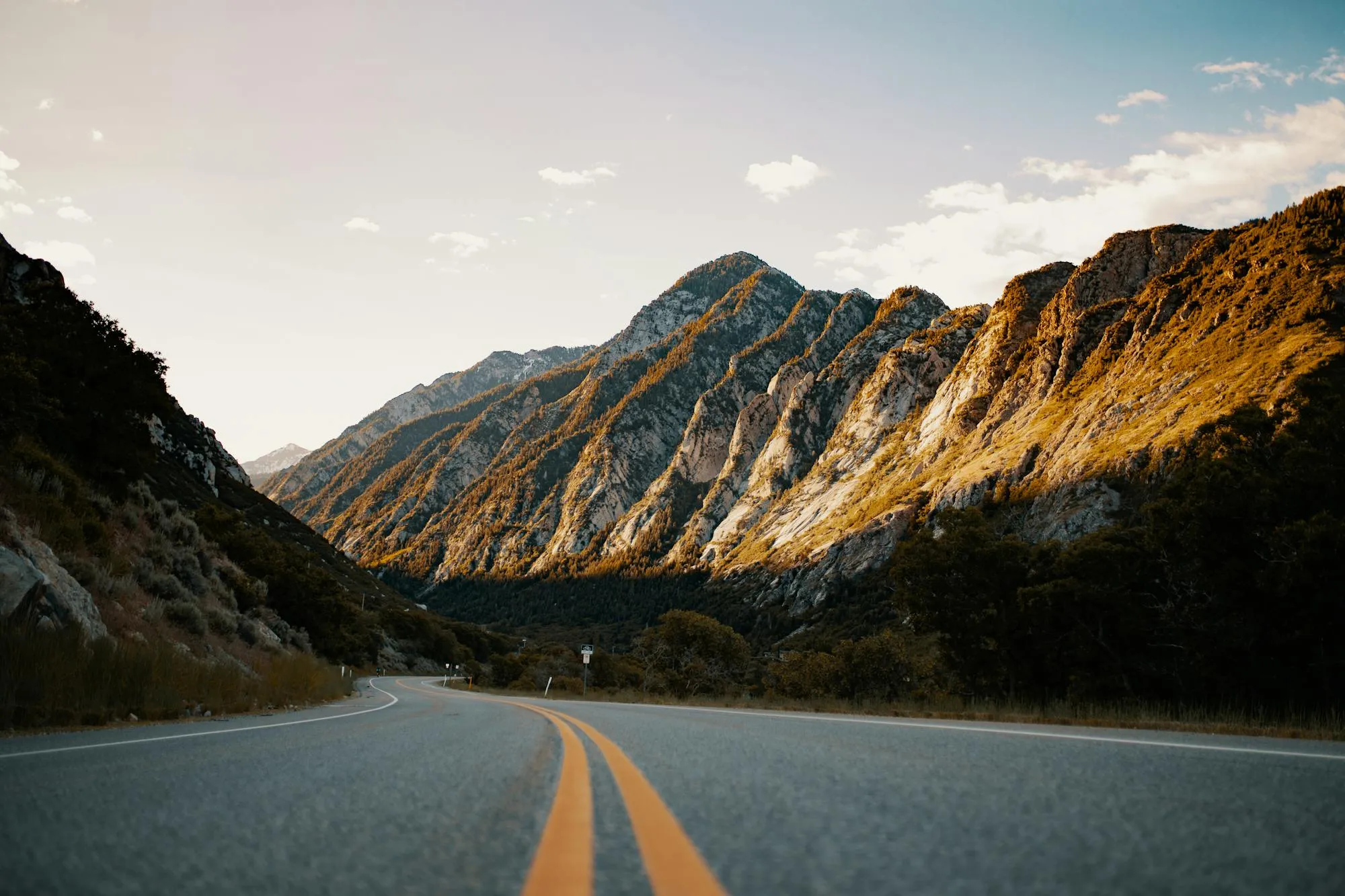
A scenic view of Angeles Crest Highway winding through rugged Southern California canyon terrain. Rocky mountainsides with golden earth tones frame the asphalt road with tight sweeping curves. Double yellow center line visible, sparse vegetation along the shoulders, clear blue sky with white clouds. Daylight, dry conditions. Iconic location for canyon-road enthusiasts.
Josh Sorenson / Pexels

Best motorcycle for Angeles Crest?

For Angeles Crest and the passes behind LA, this is the right tool. The low-range drive keeps you from rowing the gearbox between corners, and the lean clearance is never the limit.

Made for Angeles Crest Highway · Coronado Trail / US 191 · Highway 1 / Big Sur
Best motorcycle for Laguna Seca?

A serious trackday bike that will not scare you off it. Adjustable at both ends, stable under speed, and cheap enough to run that you can spend the savings on tires and setup.

Made for Barber Motorsports Park · WeatherTech Raceway Laguna Seca · Circuit of the Americas

Best motorcycle for Tail of the Dragon?

On the Dragon and Cherohala, precision beats horsepower, and that is exactly this bike's strength. It holds a tight line all day, though the seat height and riding position ask something of you.

Made for Back of the Dragon · Blue Ridge Parkway · Cherohala Skyway

What's new versus the previous generation

If you're cross-shopping the older generation, here's what changed.

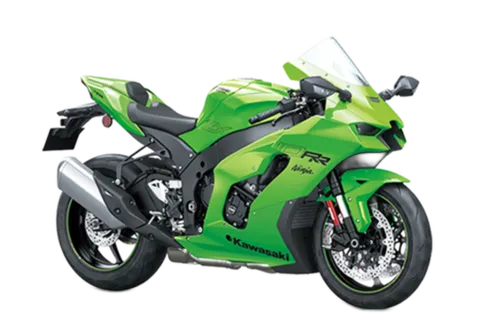
Kawasaki Ninja ZX-6R (ZX600R)

Previous generation · 2009–2012

Kawasaki Ninja ZX-6R (ZX600R)

Wide Open From Corner Entry

Compare to the previous model →