
·

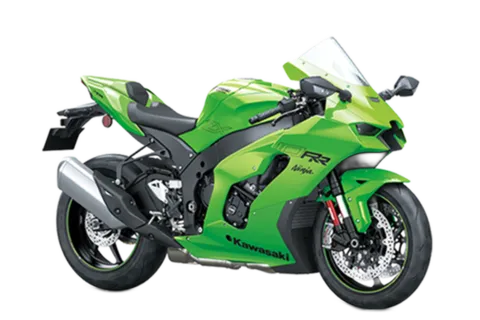
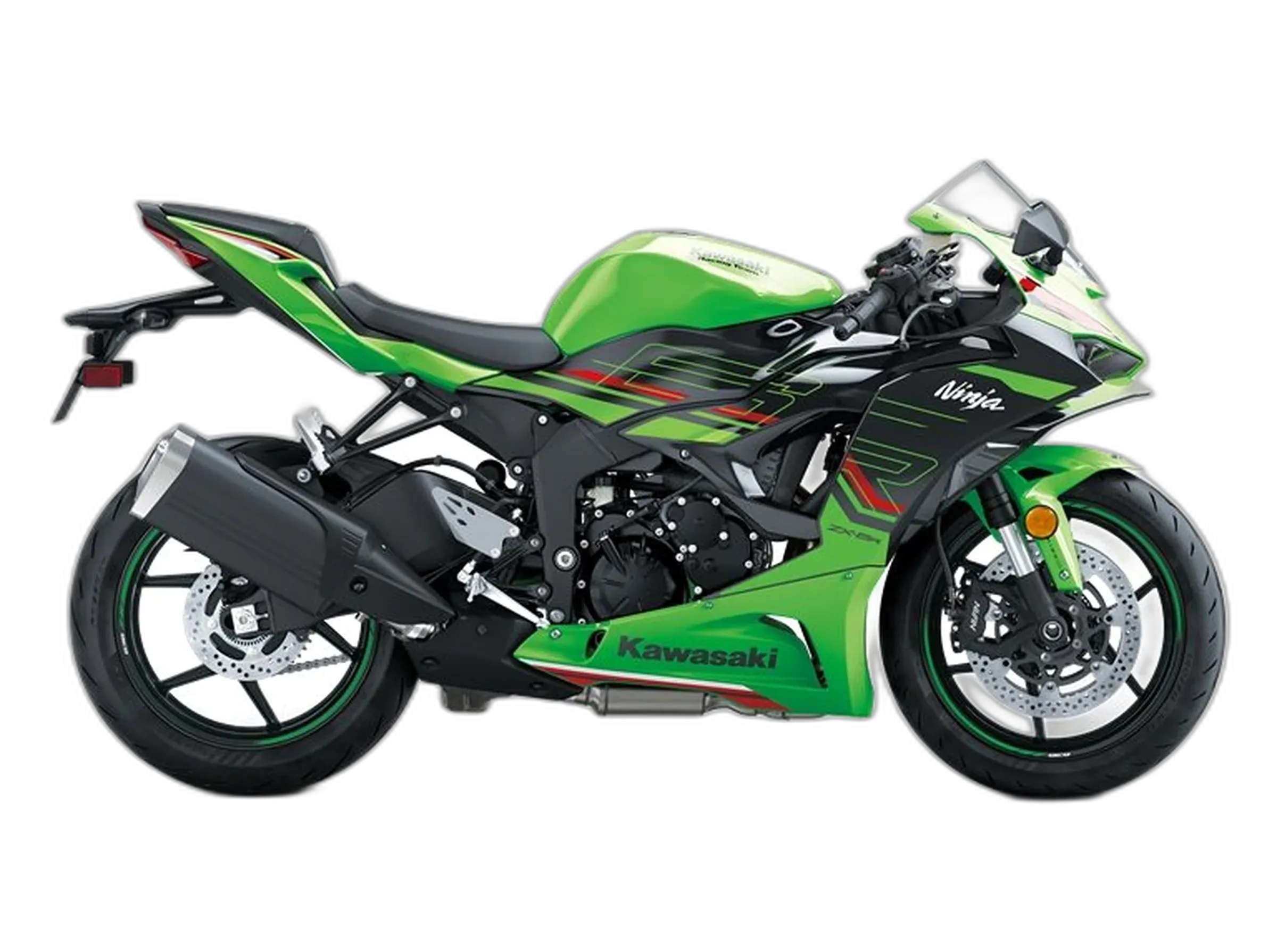
Kawasaki Ninja ZX-6R (MY2019) — Supersport

2019–2024 · Supersport · Buyer's Guide

Ninja ZX-6R (MY2019)

636cc Of Pure Corner Reward

The Machine's Character

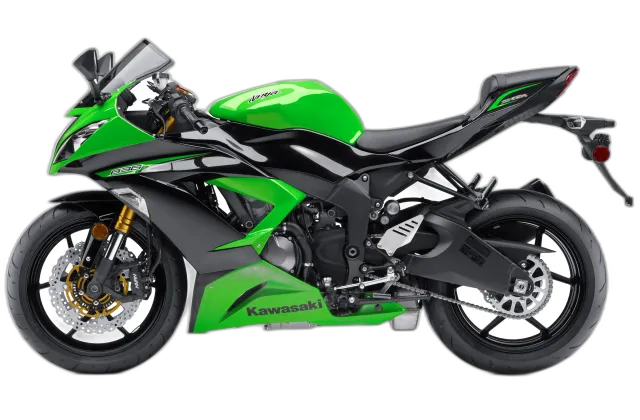
The ZX-6R is the only 636 cc machine in a class the rest of the field builds to a 599 cc limit, and that small displacement edge is the whole point. The extra cubes put usable drive lower in the rev range, so the 130 hp inline-four pulls earlier instead of making you wait for it to wake up. Wind it out and it still revs hard up top the way a supersport should. Around that engine sits a properly built aluminum chassis and fully adjustable suspension, light and accurate, and a Wingman Score of 64 that reads as honest middleweight substance.

This is a focused supersport that rewards a rider who chases revs and commits to corners. It changes direction lighter than any liter bike and puts your ability at the limit rather than its own, which is the real appeal of a middleweight. Be honest about the trade. Below mid-range the motor is polite and a little dull, the riding position pinches taller riders on long hauls, and wind protection fades fast at speed. It wants tight service intervals and a known history, so buy on maintenance records, not just looks. As a daily commuter or tourer, it will disappoint.

Hard Numbers

Spec sheets don't ride bikes, but they set the baseline.

Show full specs & equipment Hide specs & equipment
Key specifications
Power 130 hp (96 kW)
Torque 52 lb-ft (71 Nm)
Displacement 636 cc
Engine Inline-four
Bore × stroke 67 × 45.1 mm
Compression 12.9:1
Cooling Liquid-cooled
Fuel system EFI (throttle body)
Gearbox 6-speed
Final drive Chain
Frame Aluminum perimeter
Fork Upside-down (USD)
Front brake 310 mm
Rear brake 220 mm
Front tire 120/70 ZR17 (OEM: Pirelli Diablo Rosso IV)
Rear tire 180/55 ZR17 (OEM: Pirelli Diablo Rosso IV)
Wheelbase 55.1 in (1400 mm)
Seat height 32.7 in (830 mm)
Wet weight 432 lb (196 kg)
Fuel capacity 4.5 gal (17 L)
Top speed 144 mph (232 km/h)
Fuel economy 38 mpg (US)

Equipment check

Chassis

  • Front Suspension Adjustable Standard
  • Rear Suspension Adjustable Standard

Drivetrain

  • Slipper Clutch Standard

Lighting

  • LED Headlight Standard

Safety

  • ABS Optional
  • Traction Control Standard

The Voice of Experience

Portrait of NastyNils

The test ride

Spend a session on it and the chassis registers first: stable and composed lap after lap, no nervous edges, just small increments of corner speed that it quietly absorbs. You feel the frame and swingarm working with you from the saddle rather than flexing underneath you. The real reward lives high in the tach, where the inline-four stops being polite and turns into raw mechanical intensity, the kind of sound you start inventing excuses to chase. Upshifts snap home clean at full throttle, though you blip manually on the way down. The body pays a small tax. The stock seat is soft and sits you low, tall riders catch real wind above the tank line, and the knee angles fold up tight on longer stints.

Rated point by point — where it earns its keep

My own 0–100 score for this bike against the class, area by area — the marker on each bar is the class average.

What I keep coming back to is how the chassis answers me. Turn a clicker at either end and the bike genuinely changes its behavior, holding a sensible balance of road give and circuit sharpness rather than just altering how the preload feels under my thumb. The frame and that substantial swingarm are built tougher than the parts hung on them, so I set my line from the saddle and the platform stays of one mind through a bend. Then there's the mass advantage of a middleweight: less to spin up means it falls into a direction the instant I ask, and no big bike has a reply to that. The anti-hop clutch keeps the rear settled when I trail deep into a tight entry, and leaning on it harder only calms things further. Two fair caveats sit under all that good. The traction control reads no lean angle, so it runs out of answers once I'm truly pushing, and the standard damping wants better internals the day outright racing becomes the goal.

This is the whole case for the middleweight. Ridden well, it hands back a satisfaction the liter class rarely manages, because the session is spent at the edge of my own ability instead of picking at the machine's. You step off feeling you used the bike rather than that it tolerated your company. It stays engaging start to finish without ever tipping into stress; the punch is real but never savage. Roll back in after a spirited run and the read is that you got everything right, not that you walked away lucky.

This motor is tuned for riding, not for a spec sheet, and you feel it in where the drive shows up. The shorter gearing and wider spread let me pick the throttle up earlier in a corner with real thrust already sitting there, no long wait while it builds revs. Fueling is clean and honest from a shut throttle, no snatch and no hesitation, so it does exactly what my wrist asks pulling onto a fast section. At my own demo days, riders from every kind of background kept coming back saying the same unprompted thing: this engine simply works, plenty to be genuinely quick. The personality, though, lives up high, where the inline-four turns from polite to properly intense. Below the middle it's flat enough that an early short-shift on the road hides what the motor really is, so you have to keep it spinning to find it. And the auto-shift only works going up, leaving the downchanges to your own throttle hand into a turn.

At the lever the brakes give me confidence. The initial grab is strong but controllable, with enough feel underneath to meter pressure cleanly as the front loads toward the apex, none of the vagueness that makes you guess. The ceiling only appears at a genuine pace. On street rubber at an easy track day the ABS does its job, but once lap times actually count, the long hydraulic lines and the ABS lay a film of mush over the feedback right when I want it sharpest. Most riders chasing real speed eventually cure that with braided lines and by taking the ABS out entirely.

With this one, reliability comes down mostly to who owned it before you. An engine that lives at high rpm only stays healthy with proper warm-up and disciplined service intervals, and not every previous owner is that careful. On a motor wound out hard at track days, a few skipped oil changes or some early abuse won't just wash off; they compound over time and travel with the bike. So dig into the history before you commit, and make sure you understand how it was treated rather than just reading the odometer.

Comfort is really a question of how long you stay out. Around town the saddle is fine, but its softness turns against you as the pace lifts at a circuit, since you can't lock into a firm, committed stance and it keeps your body lower than you'd choose when you're riding hard; a stiffer aftermarket seat makes a clear difference. The cockpit asks something of bigger riders too. The knee bend folds up tight, and once a tall rider is moving the fairing quits above the tank line and the wind arrives in earnest. A short blast hides all of it. Longer stints make both facts felt.

Ask this bike to be daily transport and it's blunt about where it stops. The engine needs revs to give its best, the riding position has a limit over long hauls, and wind cover thins fast as the speed climbs, so anyone after a do-it-all machine will come away short-changed. On track the limit takes another shape. Down the straights the liter bikes are simply gone, then they sit ahead of you through the corners with no spare power to sweep around the outside. Making a pass stick takes a planned line, sharp timing, and real racing instinct. It's doable, but you work for every one.

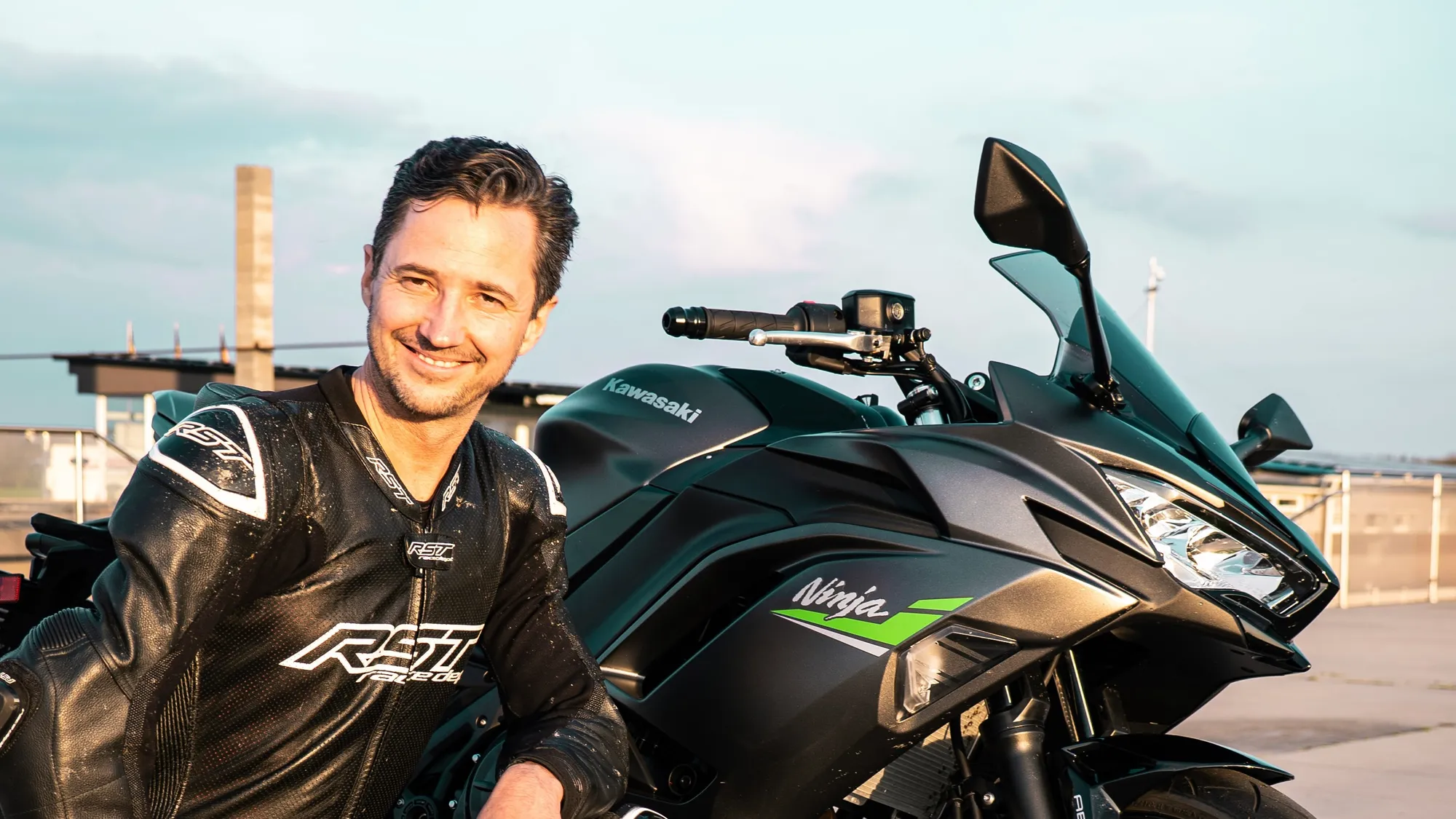
NastyNils with a black-and-green Kawasaki Ninja ZX6R on an urban rooftop. The rider wears black leather gear with Kawasaki and RAZE branding. The supersport bike displays its characteristic aggressive LED headlight design and fairings. Industrial buildings and overcast sky visible in the background. Posed presentation shot in daytime natural light.
Nils Mueller
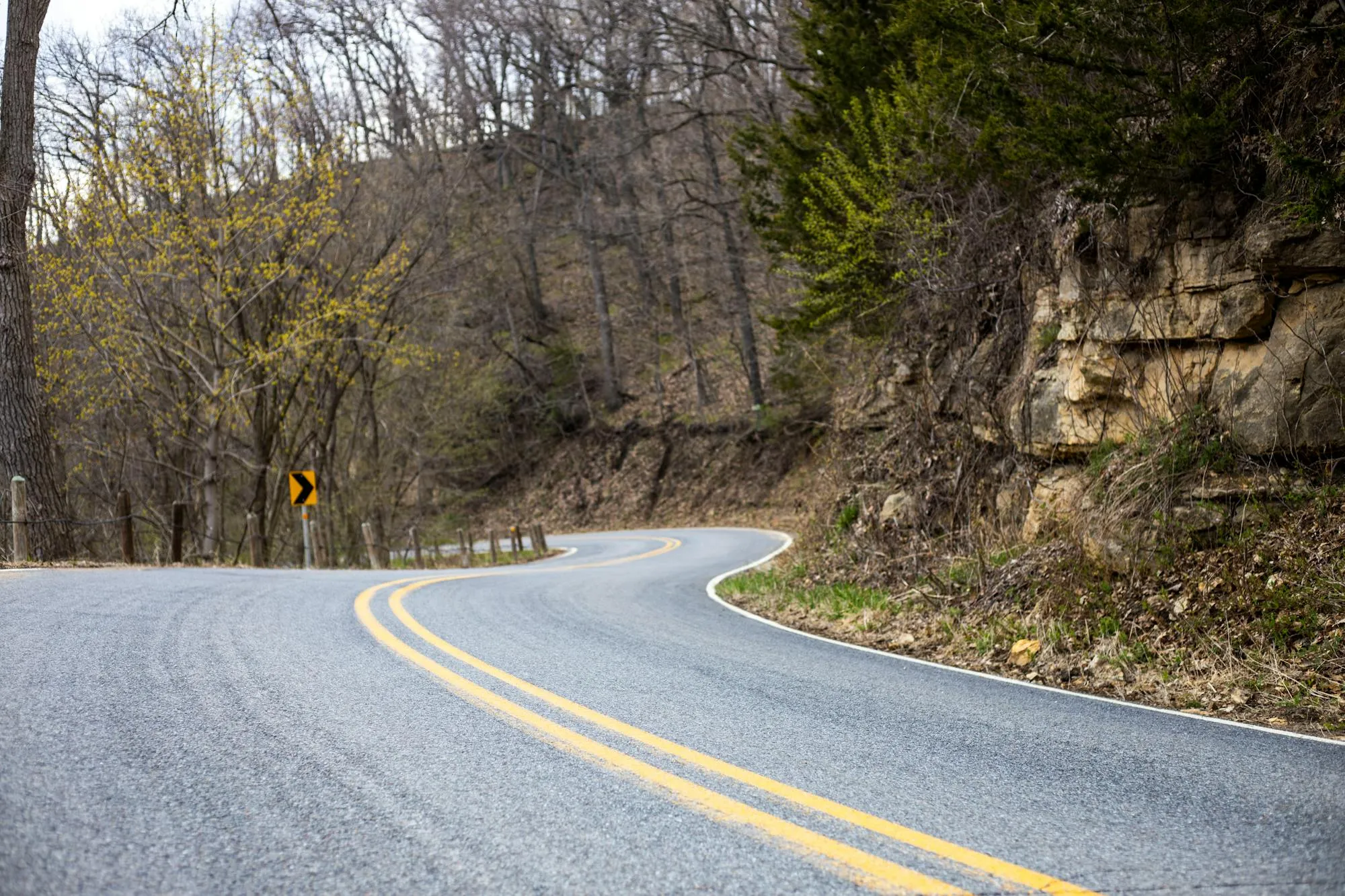
A winding two-lane asphalt road in the Appalachian mountains, photographed in dry daylight. Yellow double-center line markings guide through a series of tight left-hand curves. Dense deciduous and evergreen forest flanks both sides; a rock cut is visible on the right. The road surface and geometry suggest a technical, high-traffic riding corridor popular with motorcyclists. No motorcycle, no person visible.
Chris Flaten / Pexels

The Truth on the Street

The picture here isn't mine. It's pieced together from what riders tell me without being asked: years of YouTube comments, the forum threads I follow, what gets said in the paddock between runs, and the messages and emails that land after a review. Put it together and the verdict on this 636 barely moves: a genuine, reasonably priced sportbike that riders rate highly, alongside a short list of ownership headaches they're happy to name.

Where the praise piles up

Handling leads nearly every account. Riders keep circling the same point: a bike that's easy to aim and quick to settle, with a front that holds its line until you really lean on it, and they credit the fully adjustable suspension for letting them tune that confidence in. The larger 636 cc engine has its own fan base for the drive it gives down low and through the middle, sparing owners the constant chase to the redline a smaller 600 demands. Reliability comes up almost as often, with many reporting the inline-four well past 50,000 mi (80,000 km) without a significant failure. Value rounds it out: more equipment for the money, then light bills afterward from cheap parts, low servicing, and fair insurance. Plenty also find it more comfortable than the segment leads you to expect.

Where patience runs thin

For all that goodwill, the same frustrations surface again and again, and the biggest has nothing to do with how it rides. Wrenching on it is the sore point: the battery, plugs, and filter all hide under bodywork, so even basic upkeep means pulling the tank, seat, and part of the fairing, and a valve service runs long enough to leave a real dent at the shop. Sustained highway running is the other steady gripe, the short gearing keeping the engine busy at a cruise, and owners blame it for the extra drone, buzz, and fuel use. The snug seating and low screen get flagged regularly once speeds stay up and the wind wears on you. A smaller chorus feels the design is dating against fresher rivals, and a few note the quickshifter handles upshifts only.

Known issues

  • #5 crankshaft bushing seizure due to over-torqued crankcase bolts

    engineoccasional

    **Affects ONLY MY2024–2026 models (ZX636J/K), NOT the 2019–2023 ZX636G/H.** Over-torqued crankcase bolts during factory assembly reduce oil clearance at the #5 crankshaft bushing, potentially causing bearing damage and engine power loss during riding. Two NHTSA recalls issued: 25V376 (June 2025, 17,792 units) and 25V798 (November 2025, 20,301 units — expanded recall with revised repair procedure using angle-torque method). Stop-ride order issued. Less than 1% of units actually exhibited the defect.

  • Oil or coolant leak from combined water/oil pump weep hole

    engineoccasional

    The ZX-6R uses a combined water/oil pump on a shared shaft. When the internal mechanical seal or oil seal wears, fluid leaks through a diagnostic weep hole between the two seals. Requires pump disassembly and seal replacement. Seal orientation during reassembly is critical (flat side out, lip/spring side toward engine). This issue spans multiple ZX-6R generations but is independently confirmed for the 2019+ model.

  • Kawasaki Quick Shifter (KQS) inconsistent at low RPM

    electricscommon

    The stock KQS (upshift only) works inconsistently below ~6,000 rpm. Symptoms: missed shifts, clunky engagement, requires near-full throttle for clean operation. Works reliably above ~8,000 rpm. The 1-to-2 shift is particularly problematic at low RPM. Some owners reported not realizing the KQS must be manually activated in the dashboard settings.

  • Jerky throttle response and stuttering between 2,000–4,500 rpm

    enginecommon

    Noticeable throttle jerkiness when opening/closing the throttle slowly between 2,000–4,500 rpm. Feels like the ECU is cutting ignition on/off. Particularly annoying during low-speed maneuvering, parking lot speeds, and stop-and-go traffic. Related to emissions-tuned fuel mapping (Euro 4). Can be mitigated by ensuring 2–3 mm throttle cable free play and slightly increasing idle RPM.

  • Valve clearance check required every 12,000 km (7,500 mi)

    engineoccasional

    The ZX-6R 636 requires valve clearance inspection (and potential shim adjustment) every 12,000 km (7,500 mi). This is significantly more frequent than competitors (Honda CBR600RR: 25,600 km; Yamaha R6: 42,000 km). Shop cost: $250–$550 depending on region. The job takes 4–6 hours due to difficult access (tank, fairings, and seat must be removed). This is a mandated maintenance item, not a defect, but the most common ownership cost complaint.

The Expert Benchmark

Where this Kawasaki Ninja ZX-6R pulls ahead of — or falls behind — its rivals on the numbers, and the typical bike in its class on character.

What kind of bike this is — character vs. the class

This bike Class average

The shape of the Kawasaki Ninja ZX-6R — numbers and character vs. the average Supersport

Head-to-head: Kawasaki Ninja ZX-6R vs. its rivals

The Handshake Score

Forget spec-sheet bragging. Here's who the Ninja ZX-6R is actually built for.

A scenic view of Angeles Crest Highway winding through rugged Southern California canyon terrain. Rocky mountainsides with golden earth tones frame the asphalt road with tight sweeping curves. Double yellow center line visible, sparse vegetation along the shoulders, clear blue sky with white clouds. Daylight, dry conditions. No motorcycle or rider visible. Iconic location for canyon-road enthusiasts.
Josh Sorenson / Pexels

Best motorcycle for Angeles Crest?

If your weekends run from LA traffic out to the canyon passes, this fits. It's light, talkative, and quick to change direction, and it puts your skill at the limit instead of its own. Just keep it in the revs to find the punch.

Made for Angeles Crest Highway · Coronado Trail / US 191 · Highway 1 / Big Sur
Best motorcycle for Laguna Seca?

On track it rewards precision and commitment and handles lighter than the liter bikes around you. Plan on braided lines and stiffer suspension once lap times matter; the stock TC can't read lean angle.

Made for Barber Motorsports Park · WeatherTech Raceway Laguna Seca · Circuit of the Americas

Best motorcycle for Tail of the Dragon?

Built for your kind of road: tight, technical, repeated runs where skill beats outright speed. Light, accurate, and confidence-building through corners, with enough low-end pull to drive between them.

Made for Back of the Dragon · Blue Ridge Parkway · Cherohala Skyway