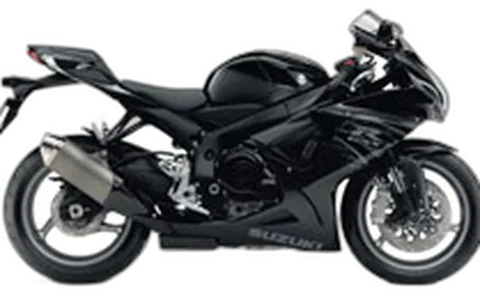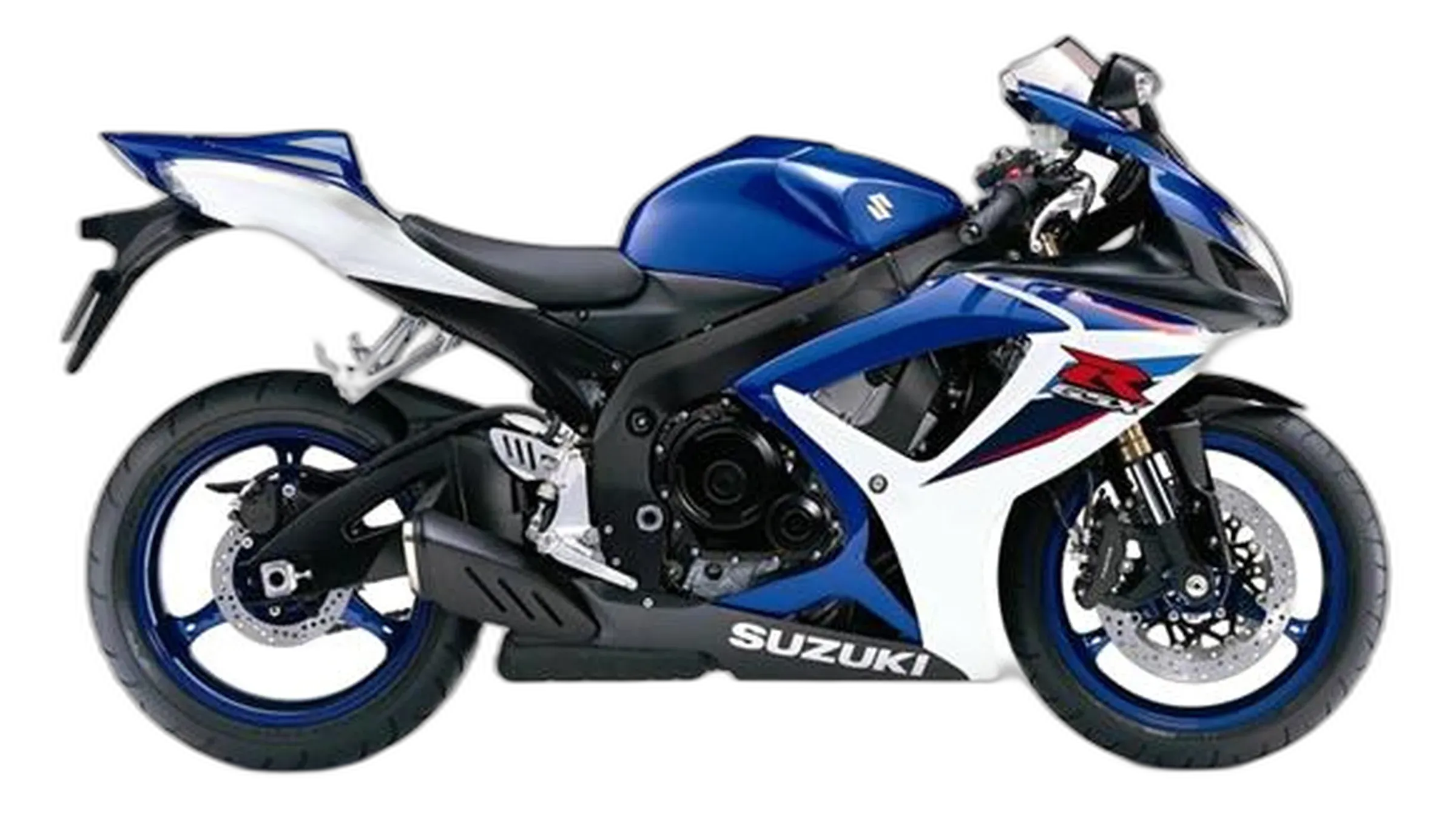


Suzuki GSX-R 600 (K8) — Supersport
NastyNils / Suzuki Press

2008–2010 · Supersport · Buyer's Guide

GSX-R 600 (K8)

Lean Hard, Drive Clean

The Machine's Character

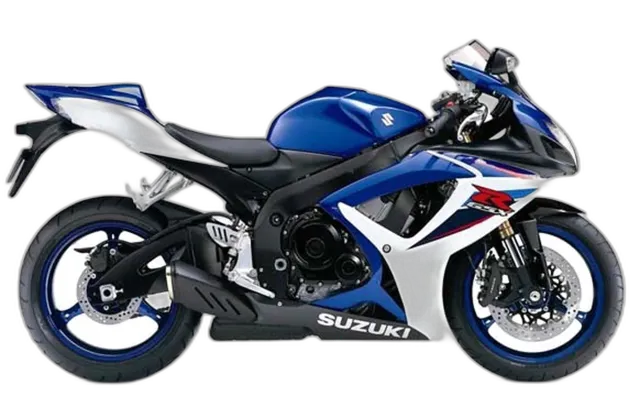
The GSX-R 600 K8 is the generation where Suzuki made a middleweight's performance easy to spend. The 599cc inline-four still spins to 127 hp up top, but the real story sits lower, in the mid-range Suzuki found so you stop chasing the tach through slower sections. The aluminum twin-spar chassis hands you telepathic turn-in and a settled mid-corner attitude, and standard Ride Modes let you match the power delivery to the road. In a class that usually rewards aggression with effort, this one belongs with the supersports that give you their potential instead of making you fight for every piece of it.

On the road it rides smaller and friendlier than the spec sheet reads, and it ages like an honest tool rather than a fragile track toy. It suits the rider who wants real canyon and track-day precision without a liter bike's intimidation. The honest caveat is the top end. Spin past the power peak and there is nothing more coming, so you ride this engine on its mid-range and a little over-rev, not pinned against a redline surge. Owners should also keep an eye on the period recalls, covering the front brake master cylinder, the regulator/rectifier, and a sticky exhaust valve that can trip the FI light.

Hard Numbers

Spec sheets don't ride bikes, but they set the baseline.

Show full specs & equipment Hide specs & equipment
Key specifications
Power 127 hp (93 kW) @ 13,500 rpm
Torque 46 lb-ft (62 Nm) @ 11,500 rpm
Displacement 599 cc
Engine Inline-four
Bore × stroke 67 × 42.5 mm
Compression 12.8:1
Cooling Liquid-cooled
Fuel system Fuel injection
Gearbox 6-speed
Final drive Chain
Frame Aluminum twin-spar
Fork Upside-down (USD)
Front brake 320 mm
Rear brake 220 mm
Front tire 120/70-17
Rear tire 180/55-17
Wheelbase 55.1 in (1400 mm)
Seat height 31.9 in (810 mm)
Wet weight 432 lb (196 kg)
Fuel capacity 4.5 gal (17 L)
Top speed 165 mph (265 km/h)
Fuel economy 36 mpg (US)

Equipment check

Chassis

  • Front Suspension Adjustable Standard
  • Rear Suspension Adjustable Standard
  • Steering Damper Standard

Drivetrain

  • Slipper Clutch Standard

Safety

  • Ride Modes Standard

The Voice of Experience

Portrait of NastyNils

The test ride

Fire it up and the engine sounds genuinely fast, raw and direct, with none of the acoustic polish that tries to make a bike pleasant. The riding position is the first surprise. Despite weight pulled from nearly every component, it sits well in your hands, and a full session never starts punishing your wrists or back. Watch a chicane from behind and the direction changes look almost violent, side to side in a blink. From the saddle that same sequence feels calm and settled, with no drama reaching your hands. Three sequential LEDs build toward the shift point, a visual countdown that lets even riders without a natural sense of the rev ceiling nail consistent gear changes. Push it at real road pace and nothing feels frantic; the whole bike feels lighter under you than the numbers promise.

Rated point by point — where it earns its keep

My own 0–100 score for this bike against the class, area by area — the marker on each bar is the class average.

What this chassis does best shows up in the disconnect between the view and the feel. From outside, the quick transitions look savage, the bike flung from one side to the other and instantly back hard on the power. From where I'm sitting there's none of that violence. The whole left-right plays out smooth and planted, the bike going precisely where I point it, and not a trace of the effort makes it back to my hands.

Push deep into a hard run and the bike finds a level of intensity I'd normally need more cubic inches to reach, and it gets there without ever sounding strained. What doesn't match all that pace is the skin over it. The styling is deliberately quiet, no aggressive creases or showy surfaces, and Suzuki's line is that the wind tunnel drew the shape, not a design studio. The moment I'm driving hard, the restrained looks stop registering.

Grab a hard fistful and the front returns exactly the rate of slowing I requested, arriving as a smooth build of pressure rather than the snatch that would turn nasty on a wheelbase this short. The fork sinks into its stroke from the very first input and starts doing real work immediately, then holds composed all the way down to a standstill. There's nothing skittish in it, so I can lean on the lever with full confidence and never feel the front threatening to let go beneath me.

What I trust most here is how the motor behaves at the exact moment I'm asking the most of it. Rolling back to the throttle while still hard over, I can meter the drive precisely and the rear keeps feeding me what the tire is doing, so the apex is never a guess. There's real substance in the middle of the rev range, rare for this displacement, and it lets me stay tall in the gearbox through slow corners without the engine nagging me to drop a cog and scream. The sound matches the work, coarse and unprocessed, with nothing piped in to soften it. My one reservation lives at the very top of the tach. Clear the peak and there's nothing left to come, and a little over-rev only buys a moment before the drive goes flat.

For something stripped this hard, it treats me far better than the diet would suggest. Weight came off nearly every part, yet the bars and seat sit precisely where my hands and body want them, and a long session leaves me loose rather than sore. Wrist load stays manageable too, the reach to the bars isn't as much of a stretch as the aggressive stance suggests, so a full tank doesn't turn into a forearm pump before you're ready to stop.

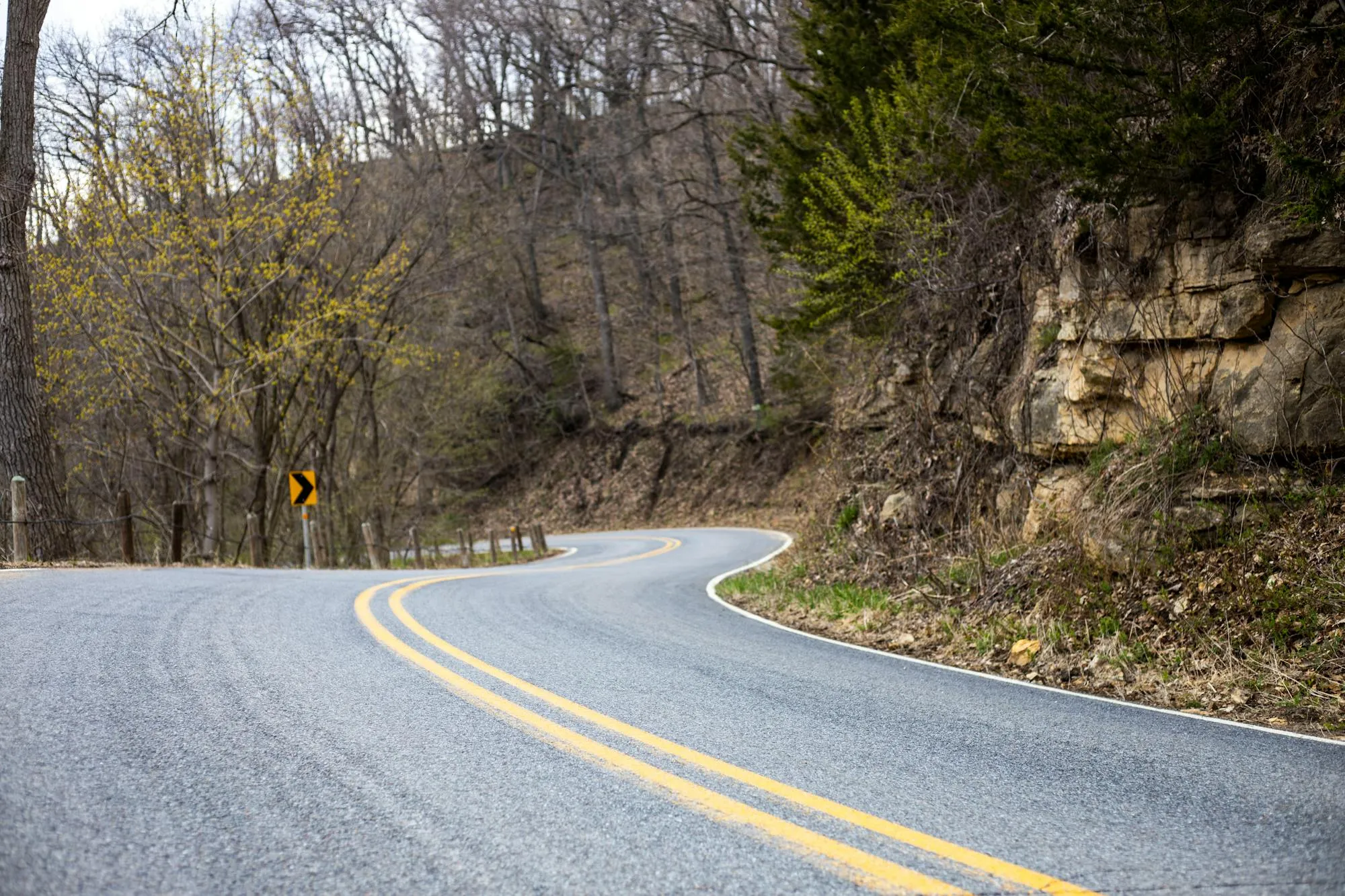
A winding two-lane asphalt road in the Appalachian mountains, photographed in dry daylight. Yellow double-center line markings guide through a series of tight left-hand curves. Dense deciduous and evergreen forest flanks both sides; a rock cut is visible on the right. The road surface and geometry suggest a technical, high-traffic riding corridor popular with motorcyclists.
Chris Flaten / Pexels

The Truth on the Street

None of this comes from my own test ride. It's the picture that forms after years of listening to riders: long threads online, conversations in the pits, owners I talk with, and the notes that keep landing in my inbox. For the K8 GSX-R 600, that chatter all points one way.

Where the praise gathers

More than anything, riders bring up the way it turns. They describe a front that goes where they point it and a settled, predictable attitude once they're committed to a bend. The engine earns credit for a different reason, with real drive down low and through the middle that keeps street riding undemanding. Reliability surfaces again and again, owners stacking serious mileage on nothing more than scheduled service. The selectable power modes get a mention too, handy for softening the delivery in the wet.

The knock that keeps surfacing

It sits at the top of the rev range. Held against the more manic R6 or ZX-6R, the K8 reads composed where those rivals scream, and the riders chasing lap times miss that last kick. Fewer voices, but real ones, point to a jumpy throttle just off idle in stop-and-go traffic, the sort smoothed out with a little clutch.

Known issues

  • Front brake master cylinder corrosion recall

    brakesrareRecall

    Over time, brake fluid deterioration can cause corrosion in the master cylinder piston, leading to a spongy lever feel and increased stopping distance. A safety recall was issued in 2013 to replace the master cylinder with a revised design.

  • Regulator/rectifier failure leading to charging problems

    electricsoccasionalRecall

    The OEM regulator/rectifier can overheat and fail, causing battery drain, stalling, or a no-start condition. A recall was issued in 2011 (NHTSA 11V108000) to replace the defective part with an improved version.

  • Exhaust valve (SET) sticking causing FI warning light

    exhaustoccasional

    The Suzuki Exhaust Tuning (SET) valve, located in the exhaust, can seize due to corrosion or carbon build-up, especially in damp climates. This triggers the FI warning light and can cause rough low-speed running or a snatchy throttle.

The Expert Benchmark

Where this Suzuki GSX-R 600 pulls ahead of — or falls behind — its rivals on the numbers, and the typical bike in its class on character.

What kind of bike this is — character vs. the class

This bike Class average

The shape of the Suzuki GSX-R 600 — numbers and character vs. the average Supersport

Head-to-head: Suzuki GSX-R 600 vs. its rivals

The Handshake Score

Forget spec-sheet bragging. Here's who the GSX-R 600 is actually built for.

A scenic view of Angeles Crest Highway winding through rugged Southern California canyon terrain. Rocky mountainsides with golden earth tones frame the asphalt road with tight sweeping curves. Double yellow center line visible, sparse vegetation along the shoulders, clear blue sky with white clouds. Daylight, dry conditions. Iconic location for canyon-road enthusiasts.
Josh Sorenson / Pexels

Best motorcycle for Angeles Crest?

If your weekends run from LA traffic up to the Angeles Crest, this bike rewards clean lines and quick direction changes without a liter bike's commitment. The mid-range pull and telepathic turn-in fit canyon pace exactly.

Made for Angeles Crest Highway · Coronado Trail / US 191 · Highway 1 / Big Sur
Best motorcycle for Laguna Seca?

For sorting braking points and apex precision on a closed circuit, this is a forgiving, confidence-first platform. Just know the top end runs out early, so you carry corner speed rather than chase a redline rush.

Made for Barber Motorsports Park · WeatherTech Raceway Laguna Seca · Circuit of the Americas

Best motorcycle for Tail of the Dragon?

On Tail of the Dragon and Blue Ridge tightness, where skill beats speed, the light handling and trustworthy front let you focus on technique. The usable mid-range keeps you driving cleanly between corners.

Made for Back of the Dragon · Blue Ridge Parkway · Cherohala Skyway

Alternatives to the Suzuki GSX-R 600

If this one isn't quite the fit, these are the bikes worth riding back-to-back against it.

Any price note compares both bikes at the same age — the youngest age both have on the used market — against this Suzuki GSX-R 600. “cheaper/pricier” is what that bike costs second-hand, not how worn it is.