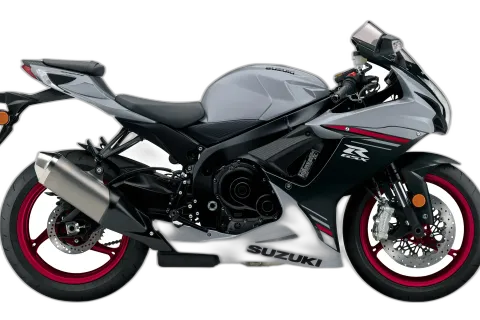

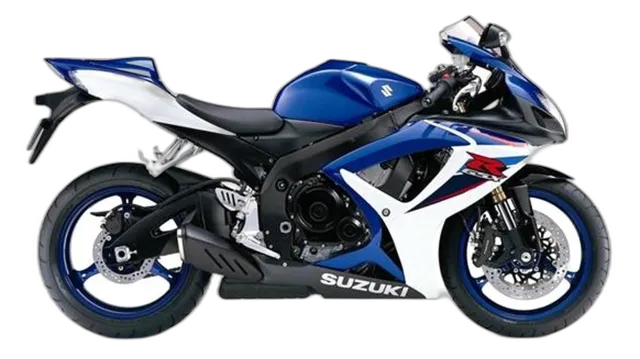
Suzuki GSX-R 600 (L1) — Supersport
NastyNils / Suzuki Press

2011–2012 · Supersport · Buyer's Guide

GSX-R 600 (L1)

Planted, Precise, Deeply Rewarding

The Machine's Character

The L1 took the 599cc inline-four and gave it real midrange. Lighter pistons, revised cams, and a close-ratio gearbox turn the 125 hp up top into an engine you can actually lean on at road pace, not just chase on the dyno. Around it sits a lighter twin-spar aluminum frame and a Showa SFF-BP fork that reads the surface and reports back honestly. The result is a 600 that holds a line with genuine precision and stays composed when the pace climbs. It carves cleanly and gets the corner done quickly, which is exactly what this class is supposed to do.

At 412 lb wet it changes direction with very little input, and the chassis flatters you rather than punishing mistakes, so you can push without feeling one twitch from trouble. That makes it a genuinely friendly fast bike for canyon Sundays and track days alike. The honest caveat is the electronics. You get ABS and ride modes, and that's the whole package. There's no traction control to lean on, so the L1 asks you to manage grip with your right wrist. For a confident rider that's part of the appeal. Just go in knowing it.

Hard Numbers

Spec sheets don't ride bikes, but they set the baseline.

Show full specs & equipment Hide specs & equipment
Key specifications
Power 125 hp (92 kW) @ 13,500 rpm
Torque 50 lb-ft (68 Nm) @ 11,500 rpm
Displacement 599 cc
Engine Inline-four
Cooling Liquid-cooled
Gearbox 6-speed
Final drive Chain
Fork Upside-down (USD)
Front brake 310 mm
Front tire 120/70ZR17
Rear tire 180/55ZR17
Wheelbase 54.5 in (1385 mm)
Seat height 31.9 in (810 mm)
Wet weight 412 lb (187 kg)
Fuel capacity 4.5 gal (17 L)
Top speed 162 mph (260 km/h)
Fuel economy 41 mpg (US)

Equipment check

Chassis

  • Front Suspension Adjustable Showa SFF-BP (Separate Function Fork – Big Piston) Precise front end feedbackAgile weight reduction Standard
  • Rear Suspension Adjustable Standard
  • Steering Damper Standard

Drivetrain

  • Slipper Clutch Standard

Safety

  • ABS Standard
  • Ride Modes Standard

The Voice of Experience

Portrait of NastyNils

The test ride

Swing a leg over and the position is pure supersport: a 31.9 in seat, a real reach to the bars, weight through your wrists at a stop. Get rolling and that eases off. The inline-four spins up with the hard, metallic intake snarl this layout is known for, smooth through the middle and only buzzing through the pegs and bars near the top of the tach. What stays with you most is the front end. The Showa fork feeds back so much detail about what the front tire is doing that you trust it almost immediately and start carrying more lean than you planned. Ground clearance is generous enough that you run out of nerve long before the bike runs out of room. At everyday road speed it feels light, planted, and easy to place.

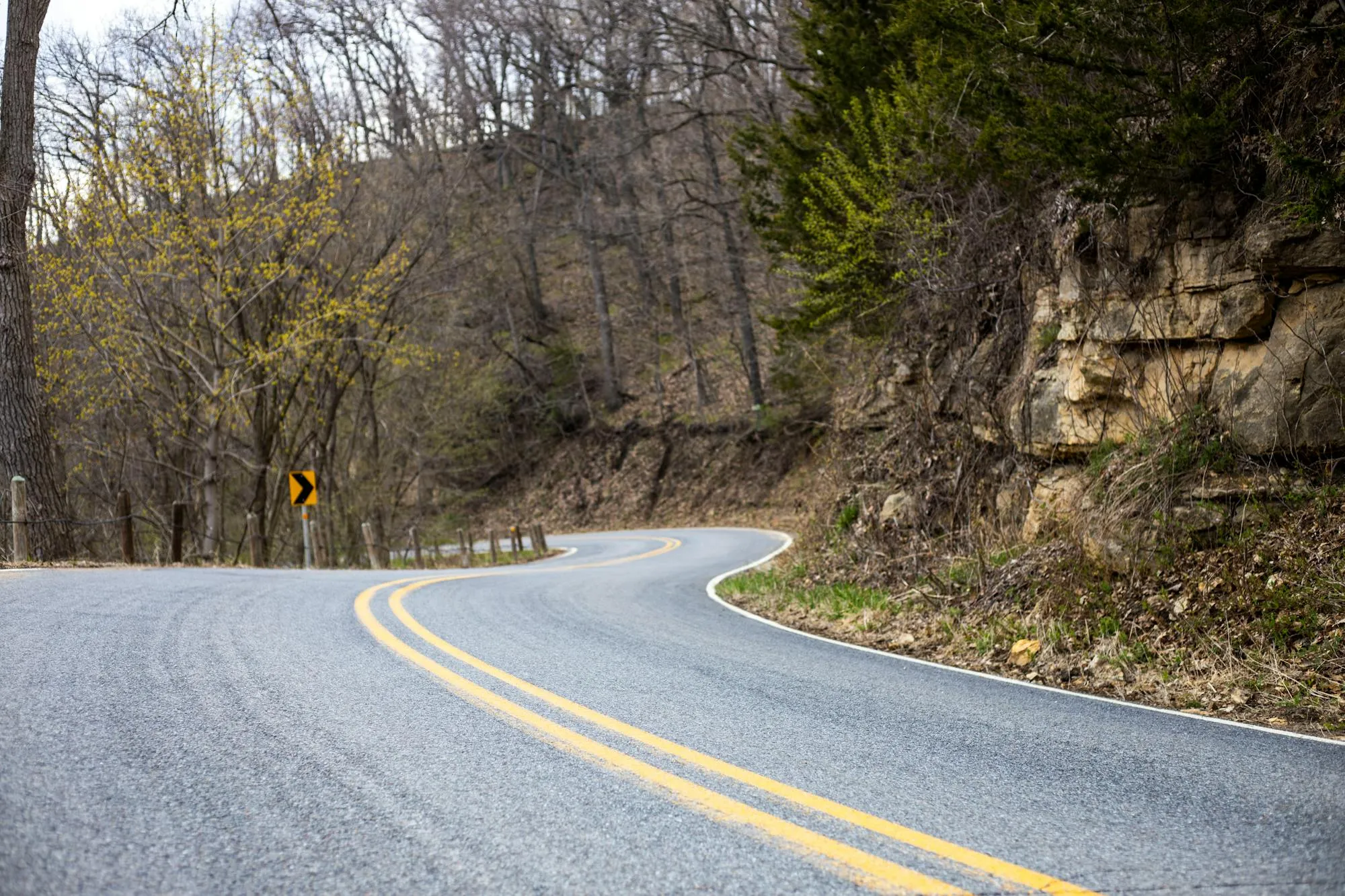
A winding two-lane asphalt road in the Appalachian mountains, photographed in dry daylight. Yellow double-center line markings guide through a series of tight left-hand curves. Dense deciduous and evergreen forest flanks both sides; a rock cut is visible on the right. The road surface and geometry suggest a technical, high-traffic riding corridor popular with motorcyclists.
Chris Flaten / Pexels

The Truth on the Street

Across years of paddock conversations, owner chats, and the steady stream of emails and messages riders send me about this bike, a clear pattern settles in. People come away calling the L1 easy to live with and easy to trust, and the few complaints they raise lean more toward character than competence.

What riders keep praising

The comfort surprises people most. Riders consistently mention the three-way adjustable footpegs, the well-shaped seat, and a lean that's gentler than they expected, which makes the bike viable for longer days and ordinary commuting, not just weekend blasts. The brakes draw steady praise too. Owners report strong, confident stopping power that holds up without fading when the pace stays high.

The gripes that come up

Two complaints recur. A fair number of riders feel the styling plays it safe and looks dated next to more angular rivals. On track, some owners note the L1 steers a touch slower and feels less razor-edged at the limit than the sharpest 600s, trading outright bite for stability.

Known issues

  • Front brake master cylinder recall (safety)

    brakescommonRecall

    Over time, corrosion of the brake piston can lead to gas accumulation, resulting in a spongy lever and reduced braking performance. Suzuki issued a safety recall to replace the master cylinder with an improved design.

  • Regulator/rectifier failure causing stall (recall)

    electricsoccasionalRecall

    A faulty regulator/rectifier can overheat and fail, leading to engine stalling. This prompted a recall for certain 2008-2012 GSX-R models, including the L1.

  • Exhaust valve seizing from lack of use

    exhaustoccasional

    If the bike is not ridden regularly, the exhaust valve can seize, triggering a fault code on the dash. Regular exercise prevents this.

  • Thin paint and rapid stone chipping

    bodyworkvery common

    The paintwork is described as thin, leading to a proliferation of stone chips even with normal use. This is mainly cosmetic but can undermine pride of ownership.

The Expert Benchmark

Where this Suzuki GSX-R 600 pulls ahead of — or falls behind — its rivals on the numbers, and the typical bike in its class on character.

What kind of bike this is — character vs. the class

This bike Class average

The shape of the Suzuki GSX-R 600 — numbers and character vs. the average Supersport

Head-to-head: Suzuki GSX-R 600 vs. its rivals

The Handshake Score

Forget spec-sheet bragging. Here's who the GSX-R 600 is actually built for.

A scenic view of Angeles Crest Highway winding through rugged Southern California canyon terrain. Rocky mountainsides with golden earth tones frame the asphalt road with tight sweeping curves. Double yellow center line visible, sparse vegetation along the shoulders, clear blue sky with white clouds. Daylight, dry conditions. Iconic location for canyon-road enthusiasts.
Josh Sorenson / Pexels

Best motorcycle for Angeles Crest?

This is your canyon tool. It turns in light, holds a precise line, and stays planted when you wind it out, with enough ground clearance that you'll never find the limit on the road.

Made for Angeles Crest Highway · Coronado Trail / US 191 · Highway 1 / Big Sur
Best motorcycle for Laguna Seca?

The forgiving chassis and talkative front end let you build pace lap after lap. Just know it's ABS and ride modes only, so managing grip at the limit is on your wrist, not the electronics.

Made for Barber Motorsports Park · WeatherTech Raceway Laguna Seca · Circuit of the Americas

Best motorcycle for Tail of the Dragon?

Tight technical twisties suit it perfectly: light handling, an honest front end, and a chassis that forgives a mid-corner correction, exactly what skill-building on roads like the Dragon rewards.

Made for Back of the Dragon · Blue Ridge Parkway · Cherohala Skyway

What's new versus the previous generation

If you're cross-shopping the older generation, here's what changed.

Suzuki GSX-R 600 (K8)

Previous generation · 2008–2010

Suzuki GSX-R 600 (K8)

Lean Hard, Drive Clean

Compare to the previous model →

Alternatives to the Suzuki GSX-R 600

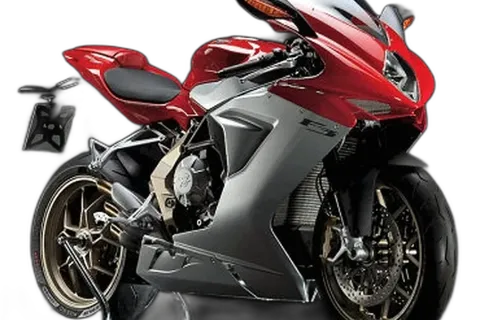
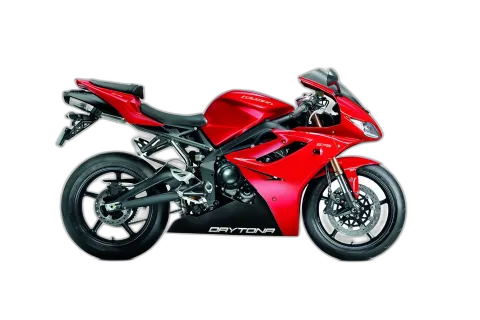
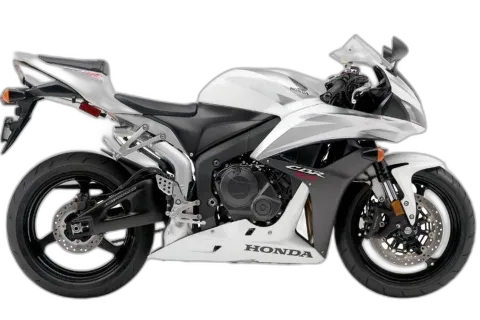
If this one isn't quite the fit, these are the bikes worth riding back-to-back against it.

Any price note compares both bikes at the same age — the youngest age both have on the used market — against this Suzuki GSX-R 600. “cheaper/pricier” is what that bike costs second-hand, not how worn it is.