·

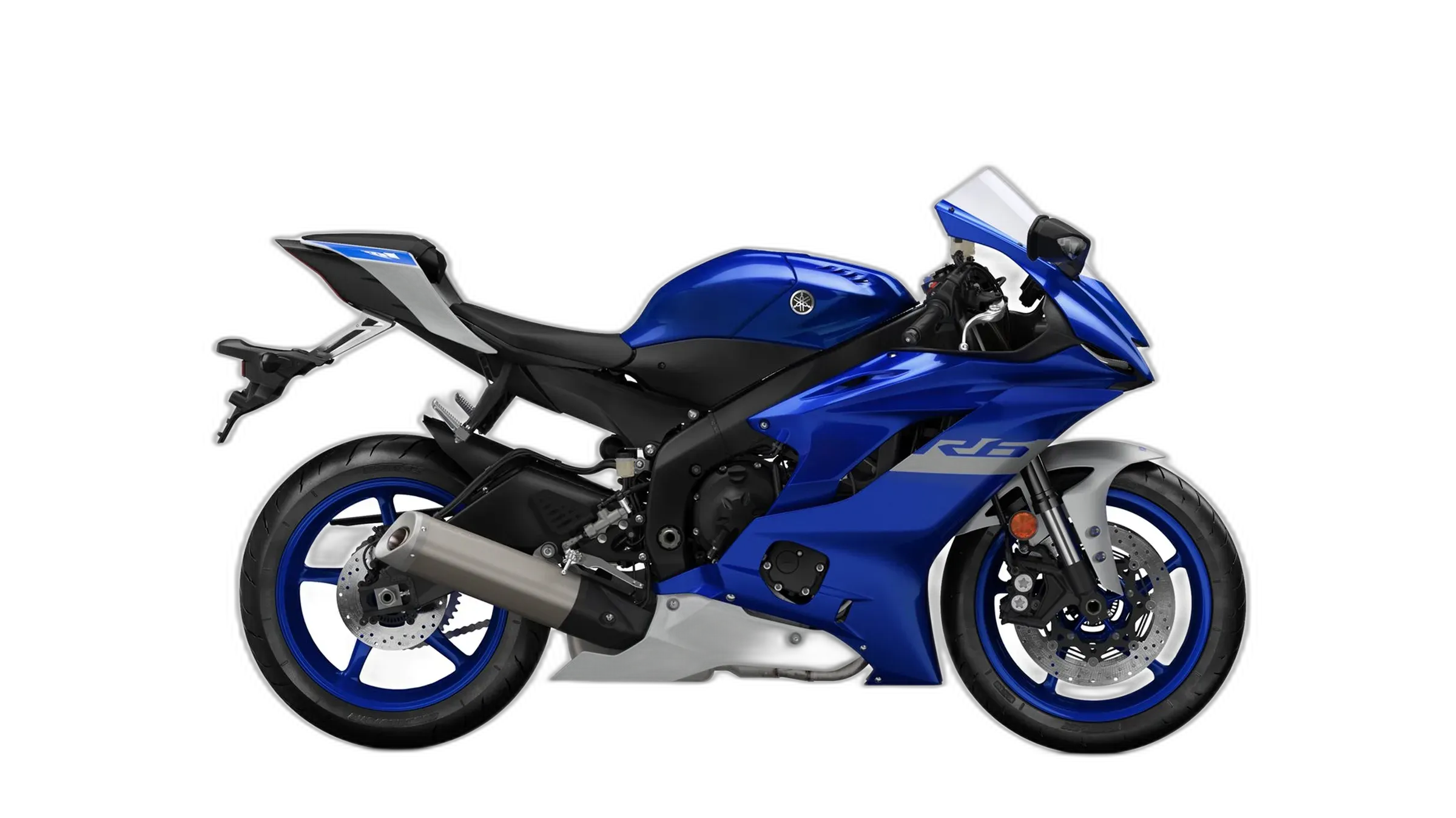
Yamaha YZF-R6 (RJ 11) — Supersport
NastyNils / Yamaha press archive

2006–2007 · Supersport · Buyer's Guide

YZF-R6 (RJ 11)

All Top-End, No Apologies

The Machine's Character

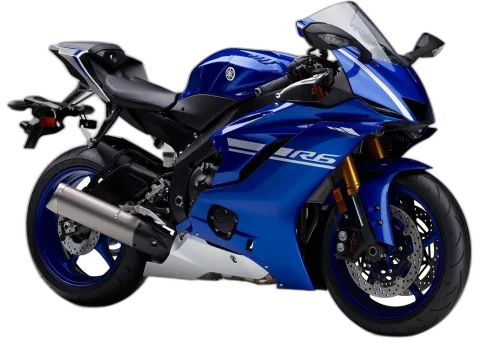
This is a 599cc inline-four built to be wrung out. The 124 hp lives high in the rev range, so the R6 rewards a rider who keeps it spinning and punishes anyone who short-shifts. Yamaha tuned flex zones into the frame instead of bolting on a steering damper, reinforced the headstock for sharper front-end clarity, and made the slipper clutch standard. There are no ride modes, no traction control, no ABS to lean on. What you get is a stripped, race-derived chassis and an engine with one clear agenda: lap times.

It ages the way a focused tool ages. The parts that matter stay sharp, and the aftermarket for it runs deep, so keeping one fresh and set up is easy. This bike is for the rider who genuinely wants a track machine and treats the street as the road to the circuit. If that's you, it's brilliant. If you want something you can commute on all week without paying for it in your wrists and neck, look elsewhere. And go in eyes open on the mechanical side: the oil-starvation risk at idle is real, and the EXUP servo motor can seize.

Hard Numbers

Spec sheets don't ride bikes, but they set the baseline.

Show full specs & equipment Hide specs & equipment
Key specifications
Power 124 hp (91 kW)
Torque 48 lb-ft (66 Nm)
Displacement 599 cc
Engine Inline-four
Cooling Liquid-cooled
Gearbox 6-speed
Final drive Chain
Front brake 310 mm
Front tire 120/70-17
Rear tire 180/55-17
Seat height 33.5 in (850 mm)
Wet weight 401 lb (182 kg)
Fuel capacity 4.6 gal (17.5 L)
Top speed 165 mph (266 km/h)
Fuel economy 32 mpg (US)

Equipment check

Chassis

  • Front Suspension Adjustable Standard
  • Rear Suspension Adjustable Standard

Drivetrain

  • Slipper Clutch Standard

The Voice of Experience

Portrait of NastyNils

The test ride

Fold yourself onto it and the intent is immediate. The seat sits you forward and the clip-ons drop low, so your weight goes onto your wrists the moment you stop moving. Tuck in and the bike disappears around you, but if you're much taller than average you can't get arms and legs packed against the tank at the same time, and an hour in, your neck lets you know. Bang the throttle open in first gear and it stays planted, nothing snapping back through the bars even without a damper. The front end talks to you constantly, so you always know what the contact patch is doing as you add lean. On a real road at real pace it feels like more machine than the setting deserves, and that is exactly the point. It makes you feel like a racer, even when it hurts a little.

Rated point by point — where it earns its keep

My own 0–100 score for this bike against the class, area by area — the marker on each bar is the class average.

Grab a fistful of throttle low in the gears and the R6 just squats and goes, no shake through the bars, nothing nervous asking for a damper it doesn't have. The chassis was built to manage that on its own, and it works. The bigger payoff is the front end: the stiffened steering head feeds me a constant read on the contact patch under braking and into the apex, so I stop guessing and start trusting it, leaning a little harder each time around. The standard slipper clutch backs that up on entry, keeping the rear quiet when I stab a downshift, and the box is clean enough that I rarely fumble one. My one real complaint is that it ships without a steering damper. On flawless pavement you'd never notice; on the real roads and tracks I ride, I'd fit one first thing.

What earns my respect here is that the R6 never dilutes itself to make a tester's life easier or to play nice on the road. It picked its purpose, a full-blooded track tool, and it commits to that from the first corner on. Ride it at the intensity it keeps demanding and it hands you something most machines can only imitate: the honest feeling of being a racer instead of cargo. It costs you a little in the body, and on this bike that trade feels completely fair.

The front brake gives me nothing to argue with. Late and hard into a corner, it scrubs speed with real authority and stays composed the whole time it's working. Feather it in gently once I'm already committed to a lean and it sheds pace just as smoothly, which lets me keep adjusting my entry well past the point most bikes want you settled. Both ends of the range covered, and it asks for nothing back.

Comfort is where the R6 asks for payment. Yamaha pushed the seat forward and set the clip-ons lower and further out than the bike before it, so the whole riding position turned harsher. Carry much height over average and it catches you at pace: there's no way to pack your limbs in tight against the tank all at once, and it wears on you. A footpeg kit takes the edge off, and I'd spend the money. Straight off the floor, though, a tall rider is in for a genuinely hard time.

Can you live with it day to day? Barely. Yamaha will tell you it copes with everyday traffic, and in the strict sense that's true, it'll trundle through town if you insist. But not one decision in the setup was made with that in mind. The suspension, the ergonomics, every priority was locked in around lap times and nothing else. As real-world transport it works only in the thinnest sense, which is to say it gets you as far as the paddock gate.

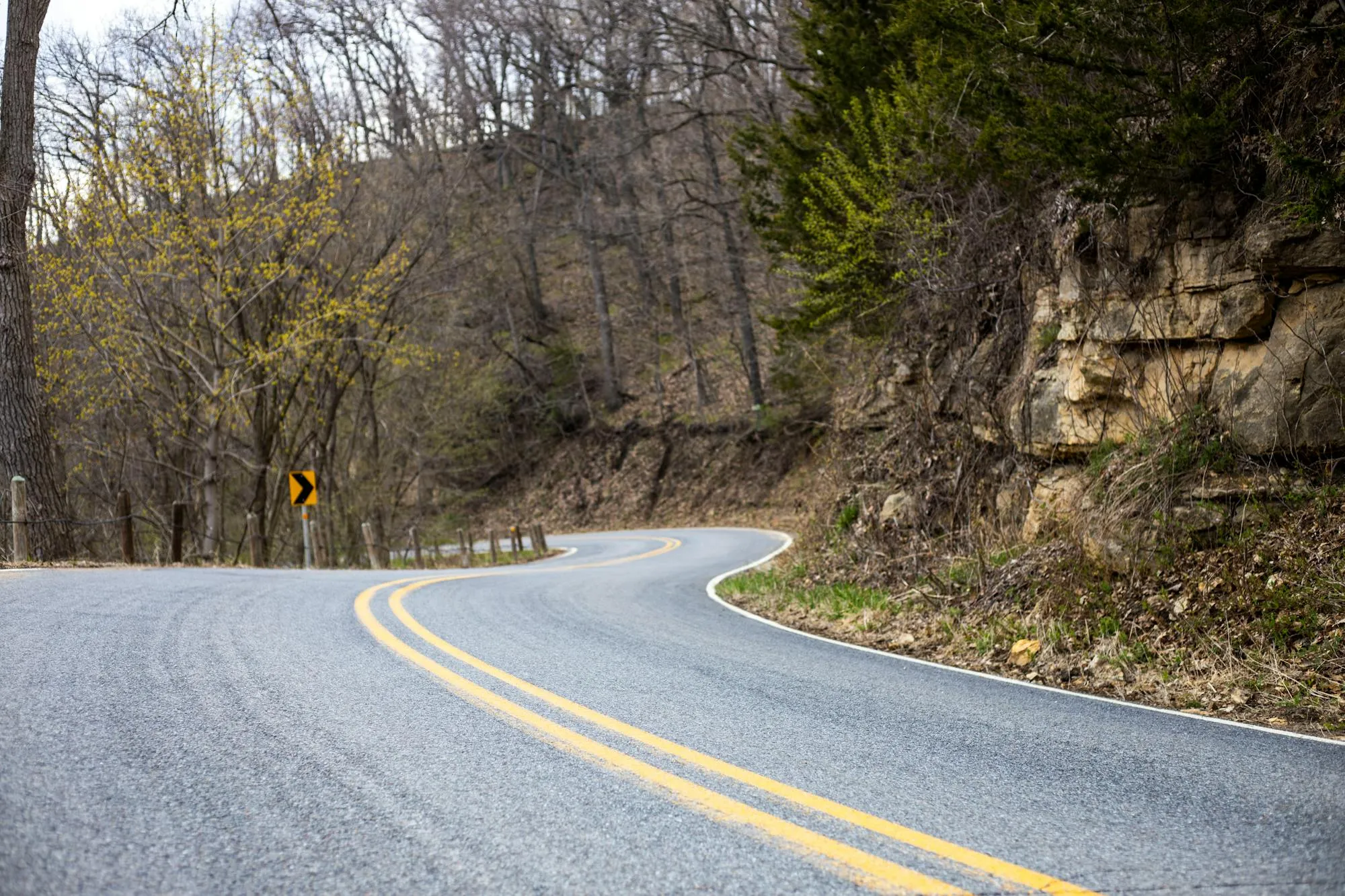
A winding two-lane asphalt road in the Appalachian mountains, photographed in dry daylight. Yellow double-center line markings guide through a series of tight left-hand curves. Dense deciduous and evergreen forest flanks both sides; a rock cut is visible on the right. The road surface and geometry suggest a technical, high-traffic riding corridor popular with motorcyclists.
Chris Flaten / Pexels

The Truth on the Street

None of this is my own test. It's the pattern I've drawn from R6 owners across many seasons: talk in the pits, conversations with people who bought one, and the messages that reach me directly. Lined up for this generation, the reports cluster around a few clear points.

Where the praise lands

The firmest agreement is about how the R6 steers. Owners repeatedly credit the light frame and adjustable suspension for precise, willing direction changes and a chassis that stays settled deep into a lean. Nearly as many rate the engine the best in the 600 field, a reward earned by keeping it spinning near the top. A fair number add that it came competitive from the crate, with the slipper clutch, radial front brakes, and quality forks asking for barely any prep.

Where the complaints stack up

The complaints hold just as firm. The one raised most is the soft bottom end; below the powerband it pulls little, so around town you shift constantly to keep it awake. Not far behind, riders find the ergonomics rough over long stretches, the raised pegs and low clip-ons forcing a hard crouch while the firm seat adds to the ache. And a repeated warning: sustained high rpm can lift oil consumption, so owners keep monitoring it.

Known issues

  • Rod bearing / oil starvation failure

    engineoccasional

    Several reports from owners and racers indicate that the 2006‑2007 R6 can suffer from oil starvation at idle and low oil pressure, leading to spun rod bearings and catastrophic engine failure. This seems more prevalent on bikes used hard on track or with long straight‑away sections. Upgraded oil pumps and careful oil level checks are recommended.

  • EXUP servo motor failure

    exhaustoccasional

    The exhaust valve (EXUP) servo motor can seize or fail, causing the exhaust butterfly valve to stick. This leads to reduced performance, poor throttle response, and a potential check‑engine warning. Cleaning and servicing the valve can mitigate the problem, but replacement is sometimes necessary.

The Expert Benchmark

Where this Yamaha YZF-R6 pulls ahead of — or falls behind — its rivals on the numbers, and the typical bike in its class on character.

What kind of bike this is — character vs. the class

This bike Class average

The shape of the Yamaha YZF-R6 — numbers and character vs. the average Supersport

Head-to-head: Yamaha YZF-R6 vs. its rivals

The Handshake Score

Forget spec-sheet bragging. Here's who the YZF-R6 is actually built for.

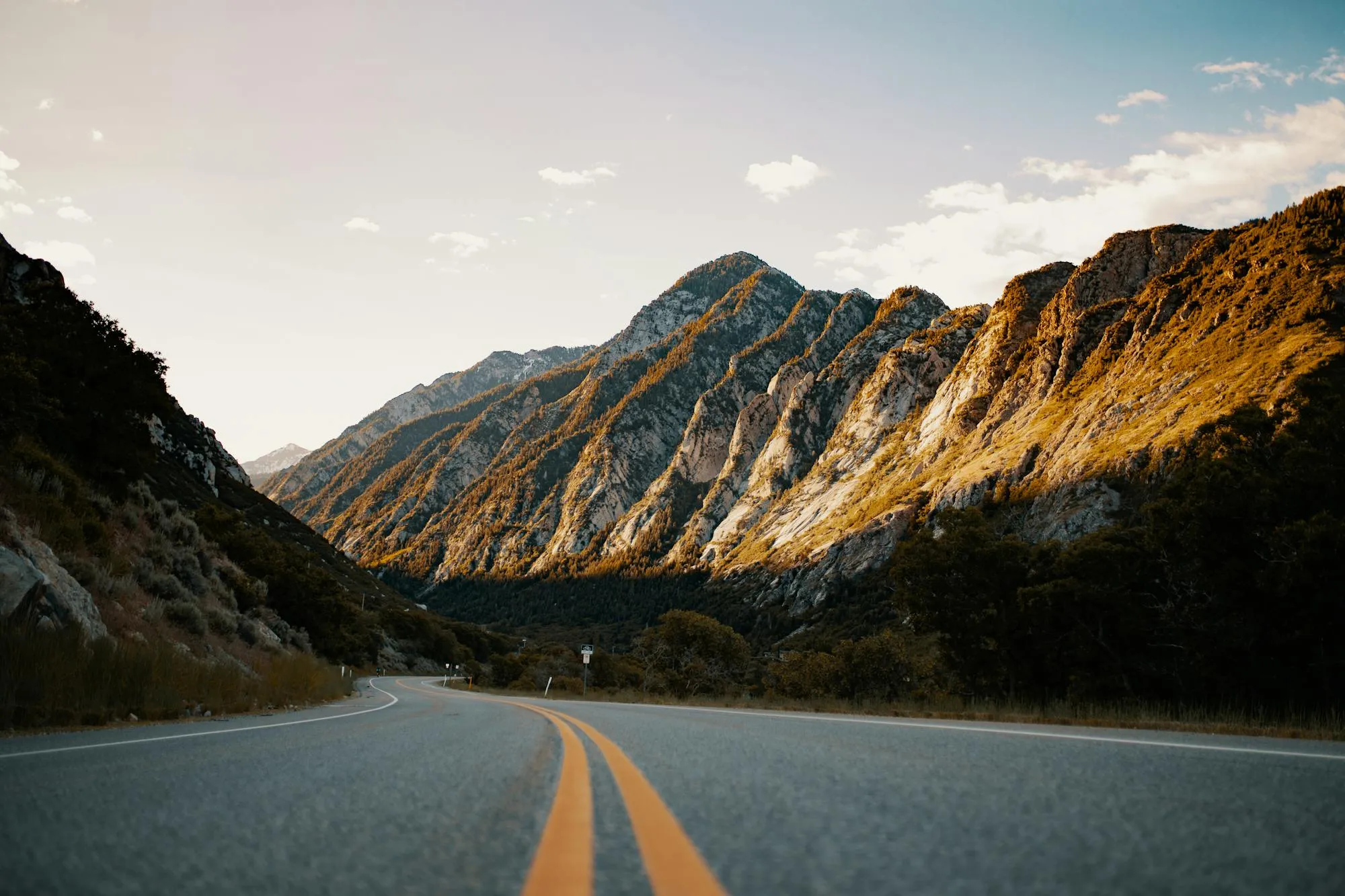
A scenic view of Angeles Crest Highway winding through rugged Southern California canyon terrain. Rocky mountainsides with golden earth tones frame the asphalt road with tight sweeping curves. Double yellow center line visible, sparse vegetation along the shoulders, clear blue sky with white clouds. Daylight, dry conditions. Iconic location for canyon-road enthusiasts.
Josh Sorenson / Pexels

Best motorcycle for Angeles Crest?

You'll love it on Angeles Crest when you're on your game and pushing hard. Just know it asks for full commitment every ride, and the aggressive stance wears on you in canyon traffic between the good sections.

Made for Angeles Crest Highway · Coronado Trail / US 191 · Highway 1 / Big Sur
Best motorcycle for Laguna Seca?

This is exactly your tool. Flick it to the apex, trust the front, lean on the slipper clutch through downshifts. Add a steering damper and it's ready for any circuit you point it at.

Made for Barber Motorsports Park · WeatherTech Raceway Laguna Seca · Circuit of the Americas

Best motorcycle for Tail of the Dragon?

On the Dragon and Cherohala it carves precisely and rewards clean technique. But the forward stance punishes long East-Coast approaches, and there's no traction control if the pavement turns cold or damp.

Made for Back of the Dragon · Blue Ridge Parkway · Cherohala Skyway

Alternatives to the Yamaha YZF-R6

If this one isn't quite the fit, these are the bikes worth riding back-to-back against it.

Any price note compares both bikes at the same age — the youngest age both have on the used market — against this Yamaha YZF-R6. “cheaper/pricier” is what that bike costs second-hand, not how worn it is.