
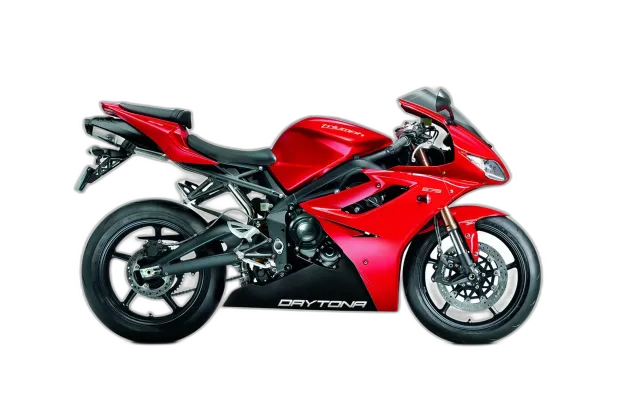
Triumph Daytona 675 (MY2013) — Supersport
NastyNils / Triumph Press

2013–2017 · Supersport · Buyer's Guide

Daytona 675 (MY2013)

Triple Soul, Serious Corners

The Machine's Character

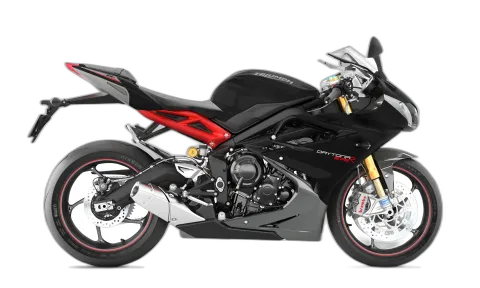
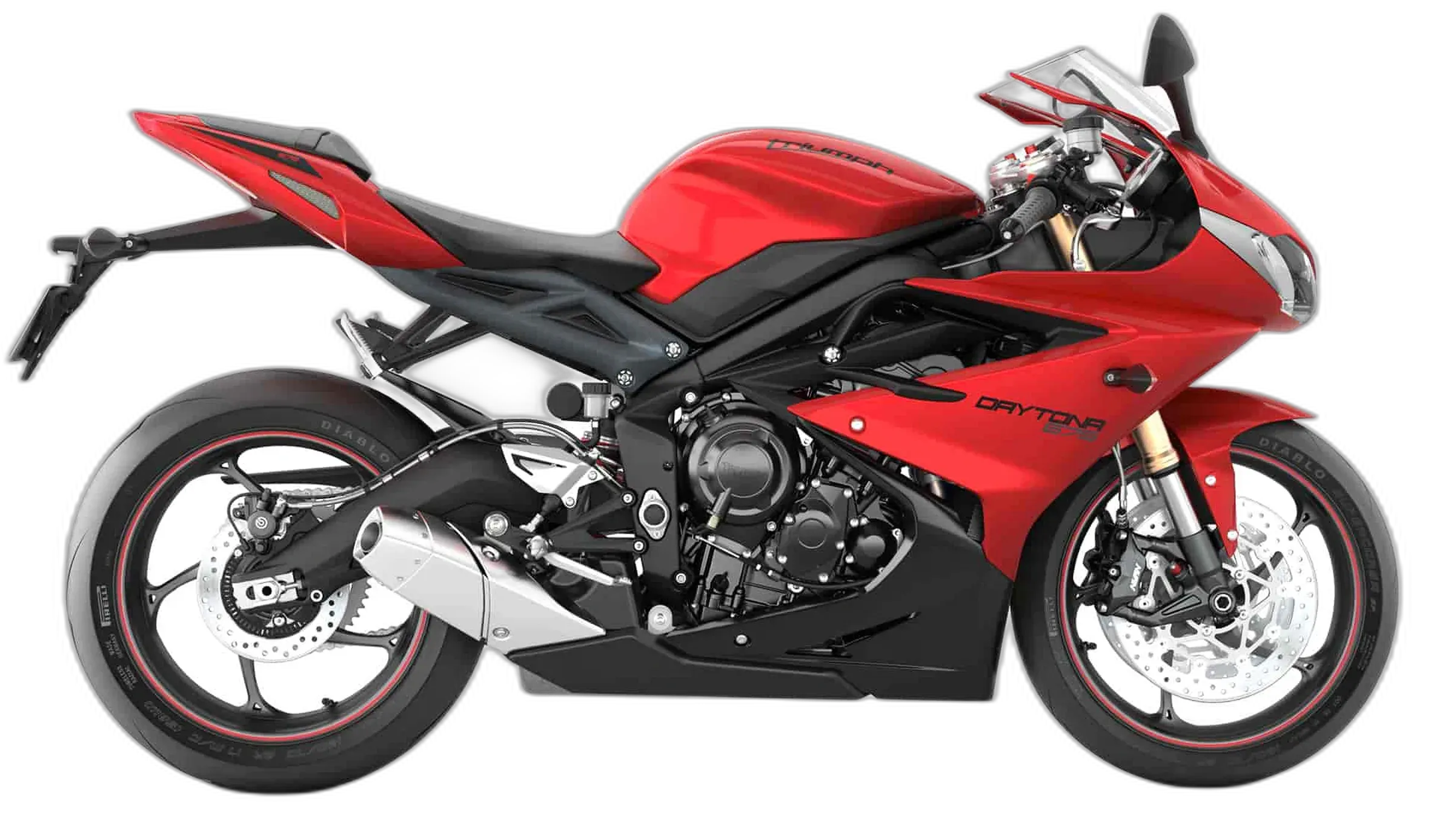
The 2013 Daytona 675 is a ground-up redesign of Triumph's middleweight, and its 675cc inline-three is the whole point. You get the rev-hungry top end of a four with a fatter slice of mid-range torque sitting underneath, 126 hp up high and 55 lb-ft to lean on lower down. The chassis came out sharper and more compact than before, and the result is one of the best-handling middleweights of its era. ABS and a slipper clutch are standard. There's no deep electronics package layered on top, which keeps the whole bike feeling honest and direct.

On the road this Daytona rewards a rider who wants to work for it. It carves, holds a chosen line, and stays planted when the pace climbs, and it ages well into a machine that loves an aftermarket exhaust and some suspension fettling. It suits the canyon and track-day crowd who value precision over creature comforts. The honest caveat: the rider aids are thin by modern supersport standards, it returns only about 31 mpg, and the gearbox can develop shift-quality problems as the miles pile up. Buy it for engagement, not for gadgets or touring range.

Hard Numbers

Spec sheets don't ride bikes, but they set the baseline.

Show full specs & equipment Hide specs & equipment
Key specifications
Power 126 hp (94 kW) @ 12,600 rpm
Torque 55 lb-ft (74 Nm) @ 11,900 rpm
Displacement 675 cc
Engine Inline-three
Cooling Liquid-cooled
Gearbox 6-speed
Final drive Chain
Fork Upside-down (USD)
Front brake 310 mm
Front tire 120/70-17
Rear tire 180/55-17
Seat height 32.3 in (820 mm)
Wet weight 406 lb (184 kg)
Fuel capacity 4.6 gal (17.4 L)
Fuel economy 31 mpg (US)

Equipment check

Chassis

  • Front Suspension Adjustable Standard
  • Rear Suspension Adjustable Standard

Drivetrain

  • Slipper Clutch Standard

Safety

  • ABS Standard

The Voice of Experience

Portrait of NastyNils

The test ride

Swing a leg over and the riding triangle is pure sportbike, a long reach to the clip-ons, a 32.3-inch seat, your weight settled onto your wrists. At 406 lb wet it feels small and willing the moment you roll away. Then the triple starts singing. That intake and exhaust howl is the soundtrack you carry home, smoother and more layered than any twin, with a faint, alive buzz coming through the pegs near the top of the tach rather than the dead numbness of a four. Information floods up through the bars, so you always know what the front contact patch is doing. The lean clearance feels bottomless, and you run out of nerve long before you run out of motorcycle. At real road pace it asks only that you commit your body and then goes exactly where you point it.

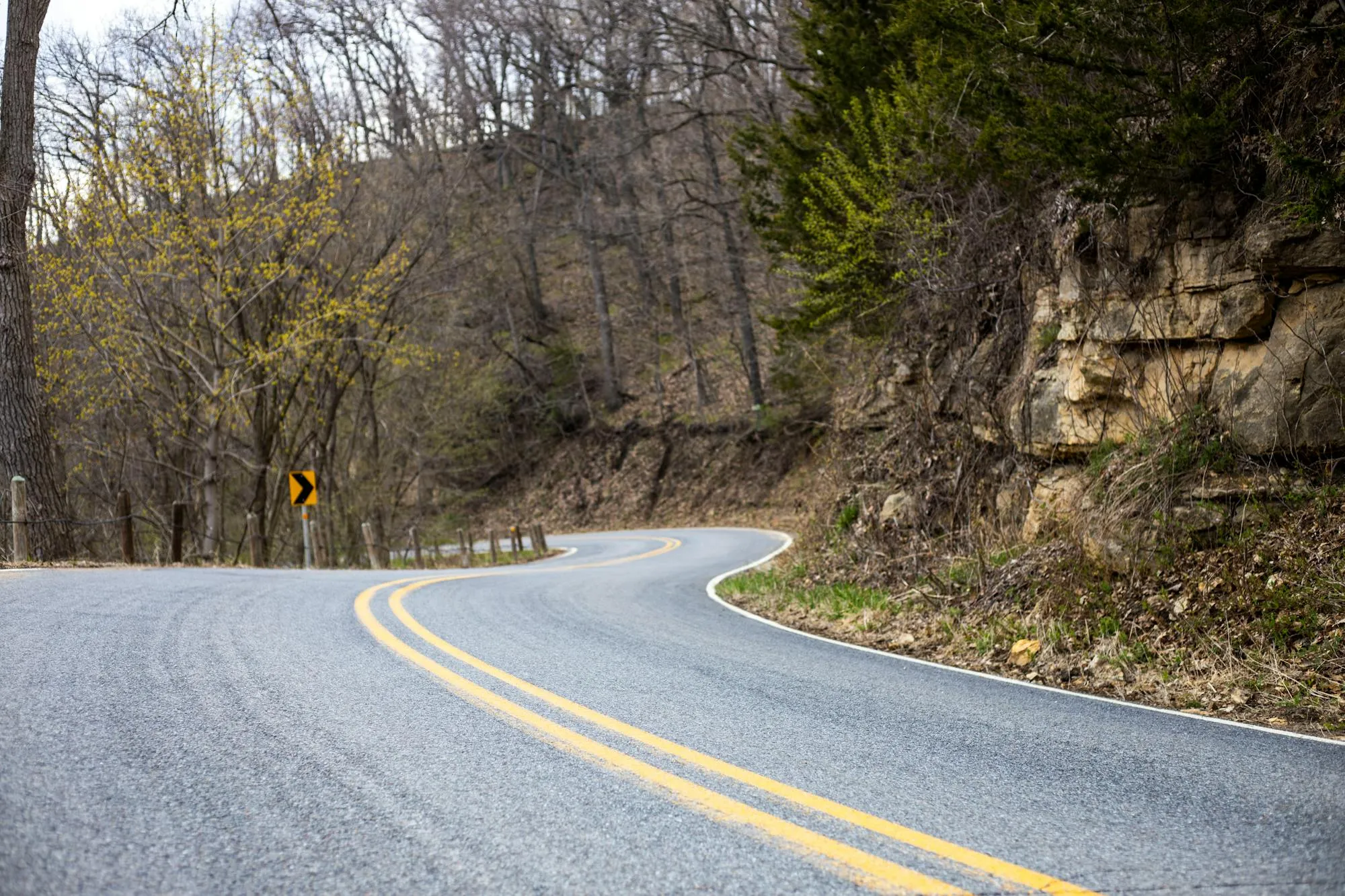
A winding two-lane asphalt road in the Appalachian mountains, photographed in dry daylight. Yellow double-center line markings guide through a series of tight left-hand curves. Dense deciduous and evergreen forest flanks both sides; a rock cut is visible on the right. The road surface and geometry suggest a technical, high-traffic riding corridor popular with motorcyclists.
Chris Flaten / Pexels

The Truth on the Street

This isn't pulled from a spec sheet. It's what has surfaced over years of listening to riders: paddock conversations, owner chats, and the steady stream of messages that land in Nils' inbox directly. For this Daytona the chatter runs in one clear direction. The praise is deep, and the gripes that come back are honest and small.

Why the used-buy crowd loves it

Riders consistently put this Daytona forward as the value pick of its class. Owners describe a premium riding experience and high-level performance for noticeably less money than many of its Japanese rivals, and that reputation keeps it near the top of middleweight used-buy shortlists years after it left showrooms.

The niggles owners live with

The complaints come back modest but steady. The base KYB suspension draws the most repeated note: competent on its own terms, though owners say it can't reach the plushness of the R model's setup once the road turns bumpy. A handful also flag finishing shortcuts, paint that chips easily, the odd loose hose clamp, and minor oil leaks.

Known issues

  • ABS modulator recall

    brakesrareRecall

    A safety recall applicable to certain 2013‑2014 Daytona 675 VINs. The dealer replaces the ABS modulator free of charge.

  • Transmission pivot plate wear

    drivetrainoccasional

    The factory pivot plate can wear, leading to imprecise gear shifts or difficulty shifting. Often fixed by installing an aftermarket Apex Mfg plate or updated Triumph plate (P/N T1194905).

  • Shift detent wheel wear

    drivetrainoccasional

    Over years of high‑rpm shifts, the internal shift detent wheel and plate wear down, causing a grinding feel in the shifter.

  • EXUP valve cable stretching

    exhaustoccasional

    The exhaust valve cables stretch over time, causing a check engine light and potentially altering exhaust back‑pressure. Resolved by dealer adjustment, replacing the cables, or installing a servo buddy.

  • Counter shaft oil seal leak

    engineoccasional

    Oil weeps from the counter shaft seal on the left side of the engine. Replacement with an industrial oil seal is the common fix.

  • Coolant leak from hose clamps

    coolingoccasional

    Loose hose clamps on the left side can cause a coolant leak. Tightening the clamps resolves the issue.

  • Blown fuse for auxiliary circuits

    electricsrare

    A repeated blown fuse for the horn, indicators, parking light, and brake light has been reported, often requiring dealership investigation.

  • Shaky or loose mirrors

    bodyworkoccasional

    Mirrors can become loose, causing vibration or wobbling at speed. Dealers replace them under warranty.

The Expert Benchmark

Where this Triumph Daytona 675 pulls ahead of — or falls behind — its rivals on the numbers, and the typical bike in its class on character.

What kind of bike this is — character vs. the class

This bike Class average

The shape of the Triumph Daytona 675 — numbers and character vs. the average Supersport

Head-to-head: Triumph Daytona 675 vs. its rivals

The Handshake Score

Forget spec-sheet bragging. Here's who the Daytona 675 is actually built for.

A scenic view of Angeles Crest Highway winding through rugged Southern California canyon terrain. Rocky mountainsides with golden earth tones frame the asphalt road with tight sweeping curves. Double yellow center line visible, sparse vegetation along the shoulders, clear blue sky with white clouds. Daylight, dry conditions. Iconic location for canyon-road enthusiasts.
Josh Sorenson / Pexels

Best motorcycle for Angeles Crest?

Built for Angeles Crest. The triple's mid-range and that razor chassis make it a natural in tight, technical canyon work that rewards clean inputs. Just know the rider aids are minimal, so traction management is on you.

Made for Angeles Crest Highway · Coronado Trail / US 191 · Highway 1 / Big Sur
Best motorcycle for Laguna Seca?

A genuine track tool. Huge lean clearance, planted high-speed manners, and deep aftermarket support make it ideal for chasing apexes and steady progression. You'll be managing grip yourself without traction control.

Made for Barber Motorsports Park · WeatherTech Raceway Laguna Seca · Circuit of the Americas

Best motorcycle for Tail of the Dragon?

Right at home on the Tail of the Dragon. Light, precise, and full of front-end feedback, it rewards skill over outright speed on tight East Coast twisties. The firm sportbike stance is the price of admission.

Made for Back of the Dragon · Blue Ridge Parkway · Cherohala Skyway

What's new versus the previous generation

If you're cross-shopping the older generation, here's what changed.

Triumph Daytona 675 (D67LC2)

Previous generation · 2009–2012

Triumph Daytona 675 (D67LC2)

The Triple That Carves Clean

Compare to the previous model →