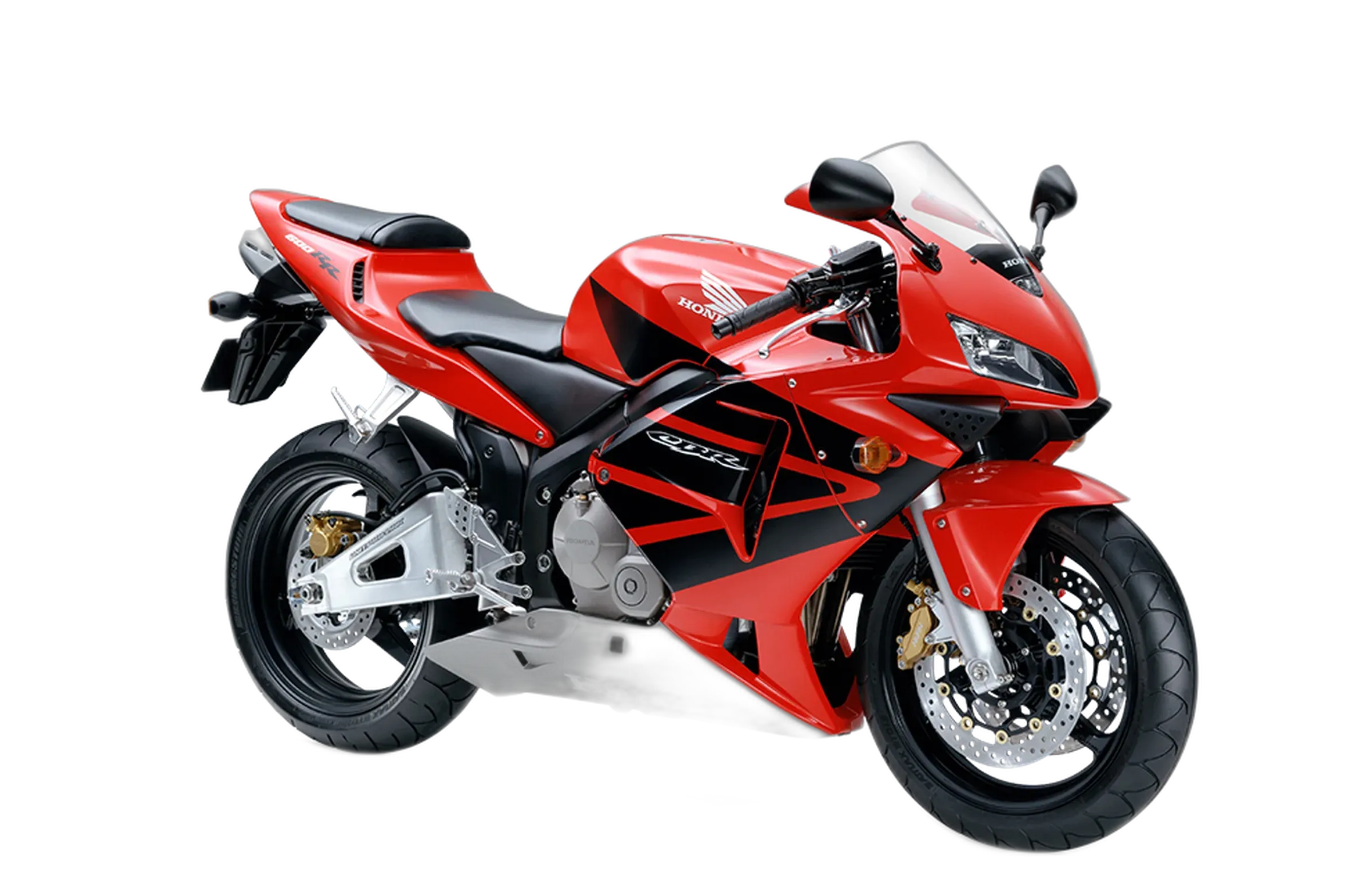
Honda CBR600RR (PC 37) — Supersport
NastyNils / Honda Press

2003–2006 · Supersport · Buyer's Guide

CBR600RR (PC 37)

Point It And It Goes

The Machine's Character

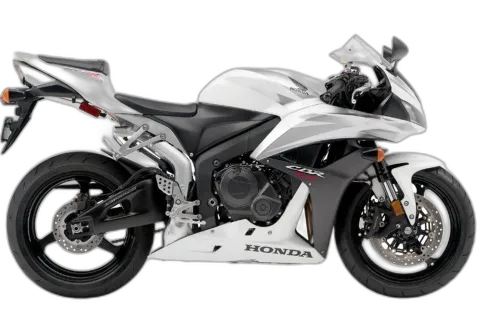
This was Honda's first bike built purely as a supersport, and it shows in the hardware: an aluminum twin-spar frame, an underseat exhaust, and a 599 cc inline-four that spins hard and makes a genuine 117 hp up top. The DNA traces straight back to Honda's MotoGP machine, yet nothing about the result feels intimidating. The chassis is stiff and the riding position is committed, but the whole package is tuned so its potential sits right there for the taking. In a class that usually rewards only the brave, this one hands its pace over freely.

On the road it rides like a track bike that forgot to punish you. Point it where you want to go and it goes there, calm in city traffic and just as calm when you lean on it through a set of bends. It has aged well, with a solid record for holding together, though these are older machines now and a few things need watching: charging systems on early bikes, oil use when they get worked hard, and corrosion around the rear wheel. It suits the rider who wants genuine supersport sharpness without a motorcycle that fights back. The one honest catch is the absent slipper clutch, which asks for clean downshifts under braking.

Hard Numbers

Spec sheets don't ride bikes, but they set the baseline.

Show full specs & equipment Hide specs & equipment
Key specifications
Power 117 hp (86 kW)
Torque 49 lb-ft (66 Nm)
Displacement 599 cc
Engine Inline-four
Cooling Liquid-cooled
Gearbox 6-speed
Final drive Chain
Fork Upside-down (USD)
Front brake 310 mm
Front tire 120/70-17
Rear tire 180/55-17
Seat height 32.3 in (820 mm)
Wet weight 430 lb (195 kg)
Fuel capacity 4.8 gal (18 L)
Top speed 160 mph (257 km/h)
Fuel economy 29 mpg (US)

Equipment check

Chassis

  • Front Suspension Adjustable Standard
  • Rear Suspension Adjustable Standard

The Voice of Experience

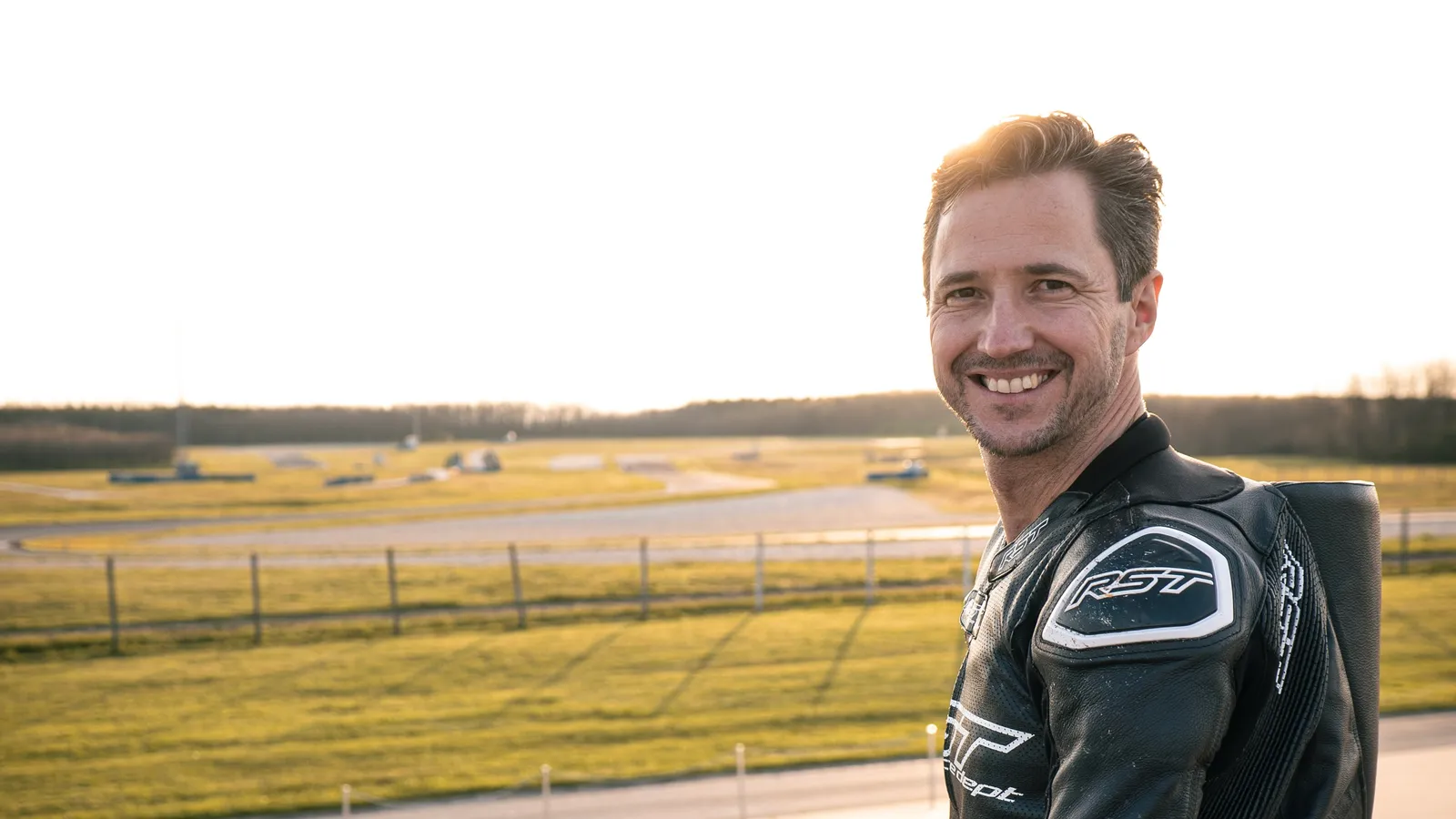
Portrait of NastyNils

The test ride

Swing a leg over and the first thing you notice is room. The reworked tank and seat open up space between your knees, and you feel it the moment you settle in. The bar sits high enough that a full-race crouch never turns into a wrestling match with your wrists, and the tank gives your thighs something solid to lock against. What surprises you is the stamina. You can run hard back-to-back stints on a demanding day and climb off with something still in the tank, which is rare in this kind of tuck. The brake lever meets your fingers with real progression, so you work by feel rather than guesswork, and the stock Bridgestones hand you enough grip and warning that you never feel like you're riding on someone else's setup. It flatters your inputs instead of testing them.

Rated point by point — where it earns its keep

My own 0–100 score for this bike against the class, area by area — the marker on each bar is the class average.

What jumped out most came from a rider I trust on this exact point: the Austrian Superstock 600 champion had spent the whole previous season racing the model this one replaced. Ask him where the real gain sits and he doesn't hesitate. It's the switchbacks. Quick direction changes that used to take work now happen almost too easily, and the strange part is that nothing was surrendered to buy that. The bike still settles hard on the brakes and still drives clean off the corner. I found the same character chasing a fast line through blind corners and crested chicanes. You can throw it at an entry, discover halfway round that you've picked the wrong arc, and correct on the spot without the chassis arguing back. Last-second changes of mind that unsettle a lot of focused machines barely register here. That combination is the rare part. Most supersports make you choose between a bike that flicks quickly and one that holds its line with authority, and asking for both usually costs you a slice of one. This one refuses the trade. You aim, you adjust, you commit again, and it holds the line you actually intended rather than the compromise a late input would normally force on you.

The clearest sign of how quick this thing really is comes from how little it costs you to go quick. Nothing about lapping it fast feels like effort spent. The pace is simply there for the taking, and the faster you push, the more that stays true rather than the reverse.

Where I really learned to trust the front was over broken, rising ground under braking. There are zones that crest right as you load the lever, and for a beat the front wheel unweights and skips light across the surface. That is usually the moment a front end stops talking to you. Here the message never drops out. I could stay hard on the brake through the light patch, read what the tire had left, and keep threading it accurately toward the turn without lifting to buy back a safety margin I didn't actually need. Confidence under braking on this bike comes from information, and the information is always there.

Reliability, for me, started with something small that owners usually treat as disposable: the rubber it ships on. I expected to bin it early. Instead it gave honest grip on the road and held its edge through the odd track day without going off, which is a fair sign of a machine specced to last rather than to look good on day one.

The engine's virtue here is manners. Ask it for drive at any point in the rev range and it hands over exactly that, cleanly, with none of the abruptness or flat spots that make you second-guess a throttle. It does the quiet, unglamorous job of never getting in your way, and on a bike you're leaning on hard, that turns out to matter more than any headline figure.

What surprised me most sitting on it wasn't a number off a spec sheet. A bike this focused has no business being this civil to spend a day on, yet it is. You settle aboard braced for the usual penance a race crouch charges you, and it never really arrives. The comfort here is the kind you notice by its absence of complaint.

The thing that earns its keep here is range of use. Plenty of sharp bikes promise they'll do double duty and then quietly fall short at the ordinary half of the job. This one genuinely doesn't. It's as content threading through a normal week of riding as it is being pushed hard, and that honesty about what it can actually cover is rarer than the spec sheet lets on.

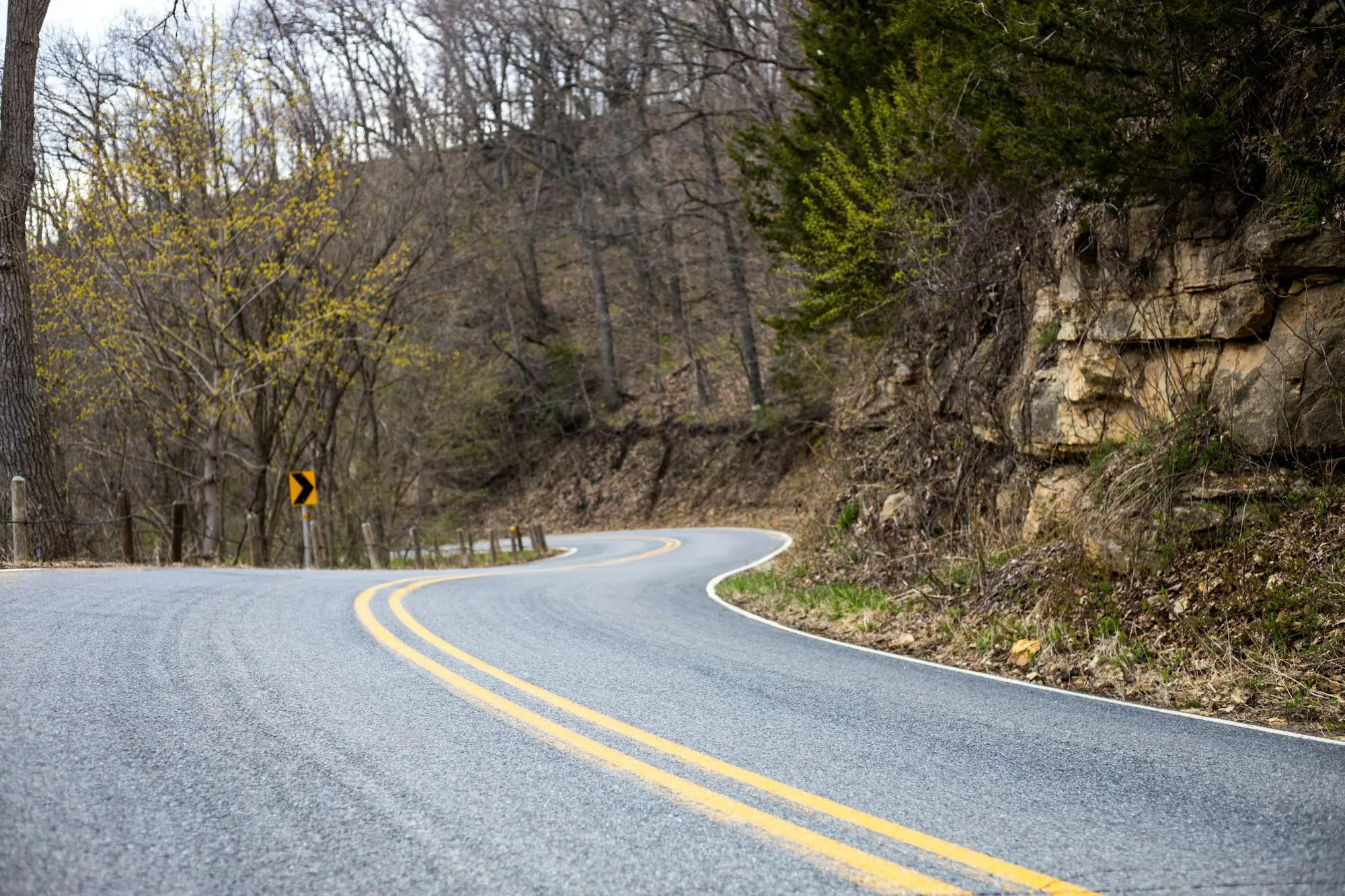
A winding two-lane asphalt road in the Appalachian mountains, photographed in dry daylight. Yellow double-center line markings guide through a series of tight left-hand curves. Dense deciduous and evergreen forest flanks both sides; a rock cut is visible on the right. The road surface and geometry suggest a technical, high-traffic riding corridor popular with motorcyclists.
Chris Flaten / Pexels

The Truth on the Street

Known issues

  • Rear wheel hub corrosion

    chassisoccasional

    Corrosion between the rear wheel and brake disc can cause distortion; the internal spacer may rust and seize the axle, requiring bearing replacement.

  • Rear brake recall (2003-2004)

    brakesrareRecall

    A factory recall was issued for certain 2003-2004 models due to a potential rear brake caliper issue that could reduce braking effectiveness.

  • Regulator/Rectifier failure

    electricsoccasional

    The regulator/rectifier unit can overheat and fail, leading to charging system problems or a flat battery. More common on early 2003-2004 models.

  • Dashboard rubber button deterioration

    electricscommon

    The rubber buttons on the instrument cluster can perish and fall out, allowing moisture ingress and costly damage.

  • Oil consumption

    engineoccasional

    Some units burn more engine oil than expected, particularly when ridden hard on track. Owners should regularly check oil level.

  • Fork seal leaks

    suspensionoccasional

    With age and hard use, the front fork seals may weep or leak fluid, requiring replacement.

  • Clutch basket rattle

    drivetrainoccasional

    A rattling sound from the clutch area at idle, noticeable with the clutch engaged. Not typically a mechanical risk.

  • Cam chain tensioner noise

    engineoccasional

    Some engines develop a rattling noise from the cam chain tensioner, especially on cold starts. Often resolves with a new tensioner.

The Expert Benchmark

Where this Honda CBR600RR pulls ahead of — or falls behind — its rivals on the numbers, and the typical bike in its class on character.

What kind of bike this is — character vs. the class

This bike Class average

The shape of the Honda CBR600RR — numbers and character vs. the average Supersport

Head-to-head: Honda CBR600RR vs. its rivals

The Handshake Score

Forget spec-sheet bragging. Here's who the CBR600RR is actually built for.

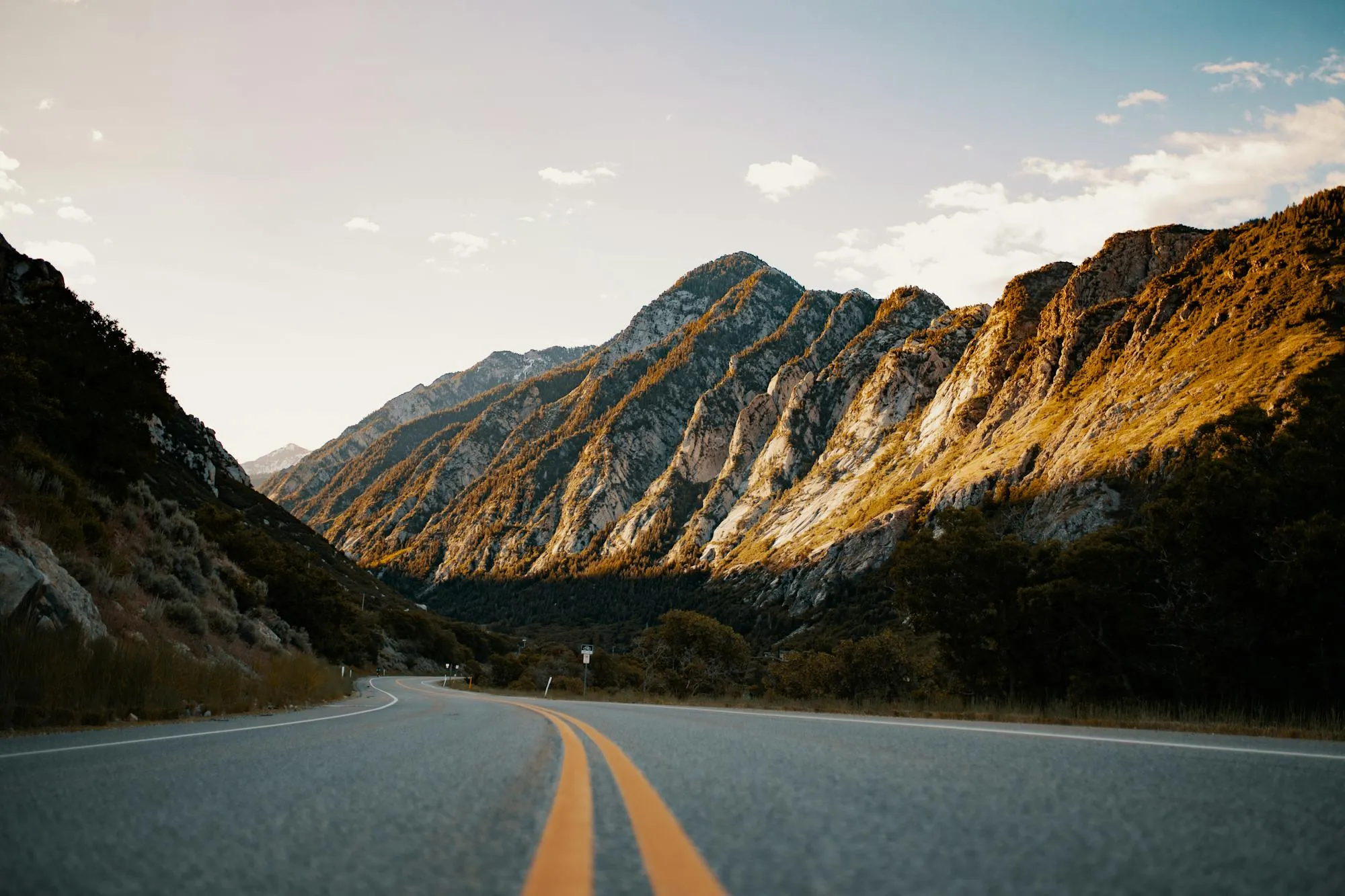
A scenic view of Angeles Crest Highway winding through rugged Southern California canyon terrain. Rocky mountainsides with golden earth tones frame the asphalt road with tight sweeping curves. Double yellow center line visible, sparse vegetation along the shoulders, clear blue sky with white clouds. Daylight, dry conditions. Iconic location for canyon-road enthusiasts.
Josh Sorenson / Pexels

Best motorcycle for Angeles Crest?

For Angeles Crest weekends this is close to ideal. It carves canyon lines with real precision and never wears you out, so you ride the whole day sharp instead of fading after a couple of passes.

Made for Angeles Crest Highway · Coronado Trail / US 191 · Highway 1 / Big Sur
Best motorcycle for Laguna Seca?

On a closed circuit it flatters you. The pace is there for the taking, braking stays stable all the way to the apex, and you chase lap times without grinding yourself down to get them.

Made for Barber Motorsports Park · WeatherTech Raceway Laguna Seca · Circuit of the Americas

Best motorcycle for Tail of the Dragon?

Made for the Dragon and the Blue Ridge. Direction changes come almost too easily and the chassis shrugs off bad pavement, so you focus on technique instead of managing the bike.

Made for Back of the Dragon · Blue Ridge Parkway · Cherohala Skyway