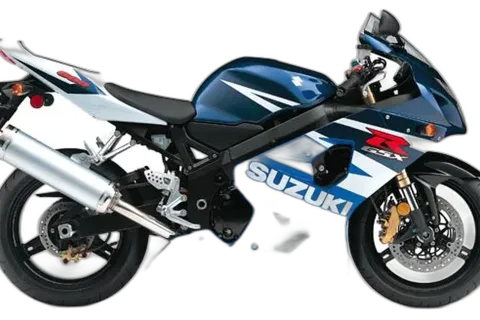
Suzuki GSX-R 750 (K4) — Supersport

2004–2005 · Supersport · Buyer's Guide

GSX-R 750 (K4)

Speed, Lean, Repeat

The Machine's Character

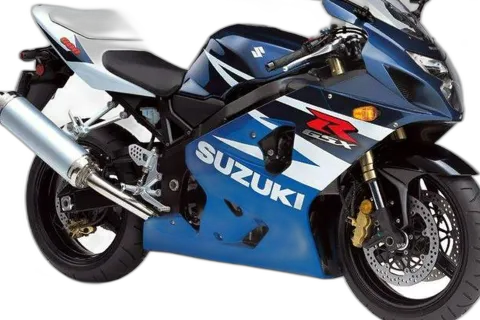
The K4 GSX-R 750 is the bike that made the middleweight argument stick. Its 749 cc inline-four makes 148 hp at 12,800 rpm and 64 lb-ft at 11,200, and it pulls cleanly through the middle of the rev range instead of saving everything for the last thousand revs. Around that engine sits an aluminum twin-spar frame, fully adjustable suspension at both ends, a steering damper as factory equipment, and radial-mount calipers on 300 mm front discs. At 434 lb wet it carries big-bike speed, up to 175 mph, in a machine that changes direction like something smaller.

It is one of the calmer fast bikes of its era, which is exactly the Suzuki pattern: less noise beforehand, more substance once you ride it. The chassis stays composed when you lean on it, and it ages well provided the maintenance was genuinely done. This one fits an experienced rider who wants speed and precision without electronic supervision. There is no ABS and no traction control on this model, so grip management is your right wrist and your brake lever, full stop. The stock suspension settings are firm, set for hard riding rather than commuting comfort.

Hard Numbers

Spec sheets don't ride bikes, but they set the baseline.

Show full specs & equipment Hide specs & equipment
Key specifications
Power 148 hp (109 kW) @ 12,800 rpm
Torque 64 lb-ft (87 Nm) @ 11,200 rpm
Displacement 749 cc
Engine Inline-four
Cooling Liquid-cooled
Gearbox 6-speed
Final drive Chain
Fork Telescopic
Front brake 300 mm
Front tire 120/70-17
Rear tire 180/55-17
Seat height 32.5 in (825 mm)
Wet weight 434 lb (197 kg)
Fuel capacity 4.5 gal (17 L)
Top speed 175 mph (282 km/h)
Fuel economy 36 mpg (US)

Equipment check

Chassis

  • Front Suspension Adjustable Standard
  • Rear Suspension Adjustable Standard
  • Steering Damper Standard

The Voice of Experience

Portrait of NastyNils

The test ride

Swing a leg over and the 32.5 in seat puts you high and forward, wrists loaded on the clip-ons, knees tucked in tight against a narrow tank. It is a committed position without being punishing, and the fairing starts earning its keep the moment you are moving. Below 8,000 rpm the engine sounds businesslike; past that it hardens into a flat metallic inline-four howl on the way to 14,000, with just enough buzz coming through the bars to remind you something is working hard underneath. Ground clearance is enormous, and on the road I have never found the end of it. The steering damper keeps the bars quiet over broken pavement at speed. The 4.5 gal tank and 36 mpg give you roughly 160 miles between stops, which is more than most wrists want in one sitting anyway.

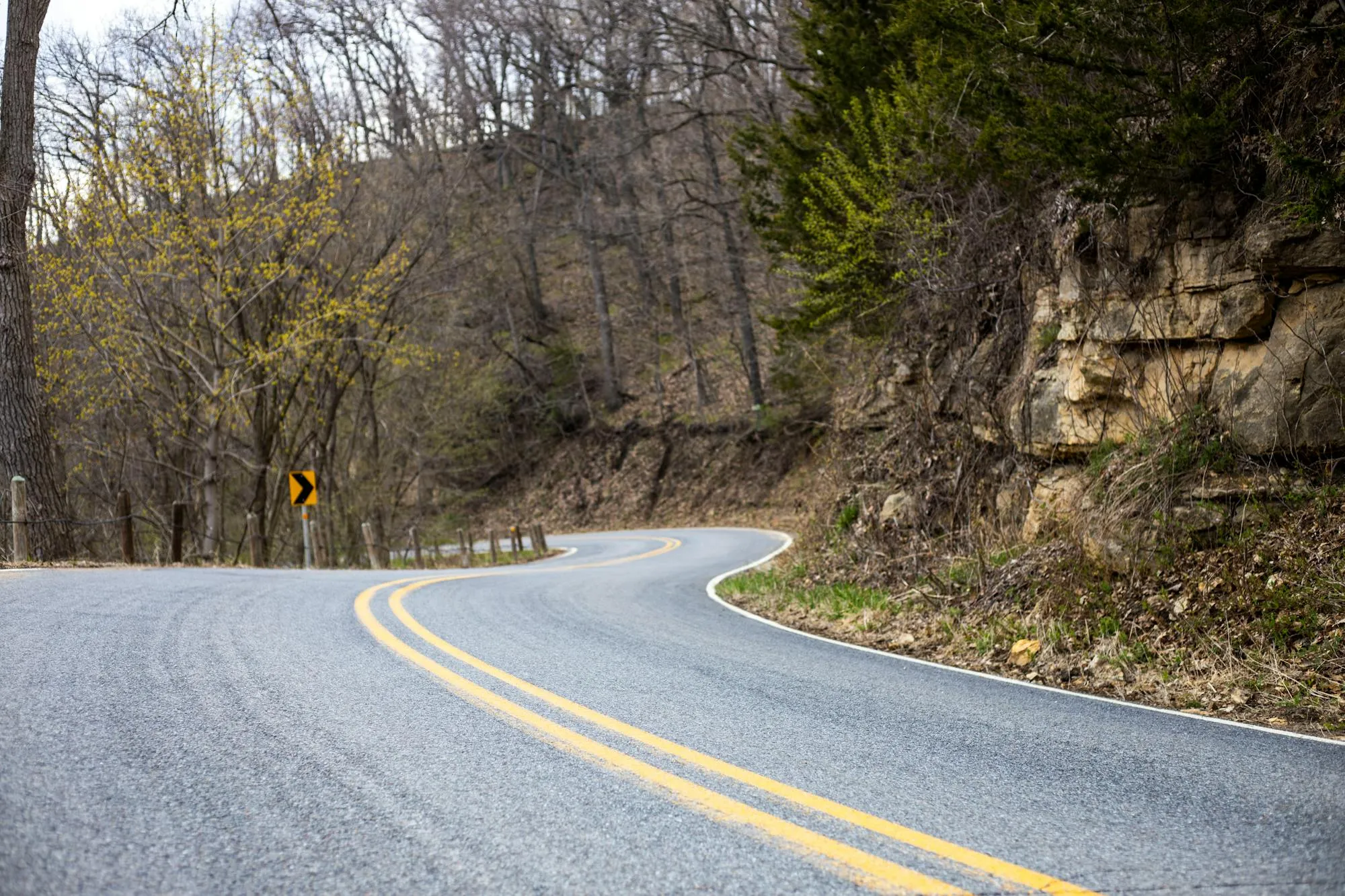
A winding two-lane asphalt road in the Appalachian mountains, photographed in dry daylight. Yellow double-center line markings guide through a series of tight left-hand curves. Dense deciduous and evergreen forest flanks both sides; a rock cut is visible on the right. The road surface and geometry suggest a technical, high-traffic riding corridor popular with motorcyclists.
Chris Flaten / Pexels

The Truth on the Street

This one is not my riding notes. It is years of listening: paddock talk, owners catching me at club nights, and the messages riders send me directly about the bike they actually live with. On the K4 GSX-R 750 that chatter runs unusually consistent, and it splits cleanly between how the bike rides and how it wears.

What Riders Keep Coming Back To

The engine draws the most consistent praise. Riders describe power that arrives smooth and linear with no flat spots, which is what gives them the nerve to keep revving it. The chassis earns the same steady approval: light, flickable, and settled even at big lean angles. The radial front brakes come up almost as often, with owners reporting strong, fade-free stopping and noting that a long-standing GSX-R weak spot was finally dealt with.

Where The Complaints Cluster

The gripes are quieter and less unanimous. Some owners point at build quality: thin paint on the tank and fasteners that corrode if the bike lives outside, so appearance suffers over the years. A few report a notchy shift action, at its worst when the engine is cold. Riders who take it on track say the stock suspension is too soft once the pace comes up, and they end up reaching for stiffer settings.

Known issues

  • Front brake master cylinder corrosion

    brakes common Recall

    After long-term neglect of brake fluid changes, the master cylinder piston can corrode, generating gas that leads to a spongy lever and reduced braking power. A full recall was issued to replace the master cylinder with a redesigned unit.

  • Fuel pump failure

    fuel system occasional

    Intermittent starting and sudden stalling can be caused by a failing fuel pump, often after periods of storage. Replacement resolves the issue.

  • Secondary throttle valve actuator (STVA) failure

    electrics rare

    If the secondary butterflies or their actuator fail, the ECU triggers a C28 fault code and enters limp mode, requiring replacement of the throttle body or STVA.

The Expert Benchmark

Where this Suzuki GSX-R 750 pulls ahead of — or falls behind — its rivals on the numbers, and the typical bike in its class on character.

What kind of bike this is — character vs. the class

This bike Class average

The shape of the Suzuki GSX-R 750 — numbers and character vs. the average Supersport

Head-to-head: Suzuki GSX-R 750 vs. its rivals

The Handshake Score

Forget spec-sheet bragging. Here's who the GSX-R 750 is actually built for.

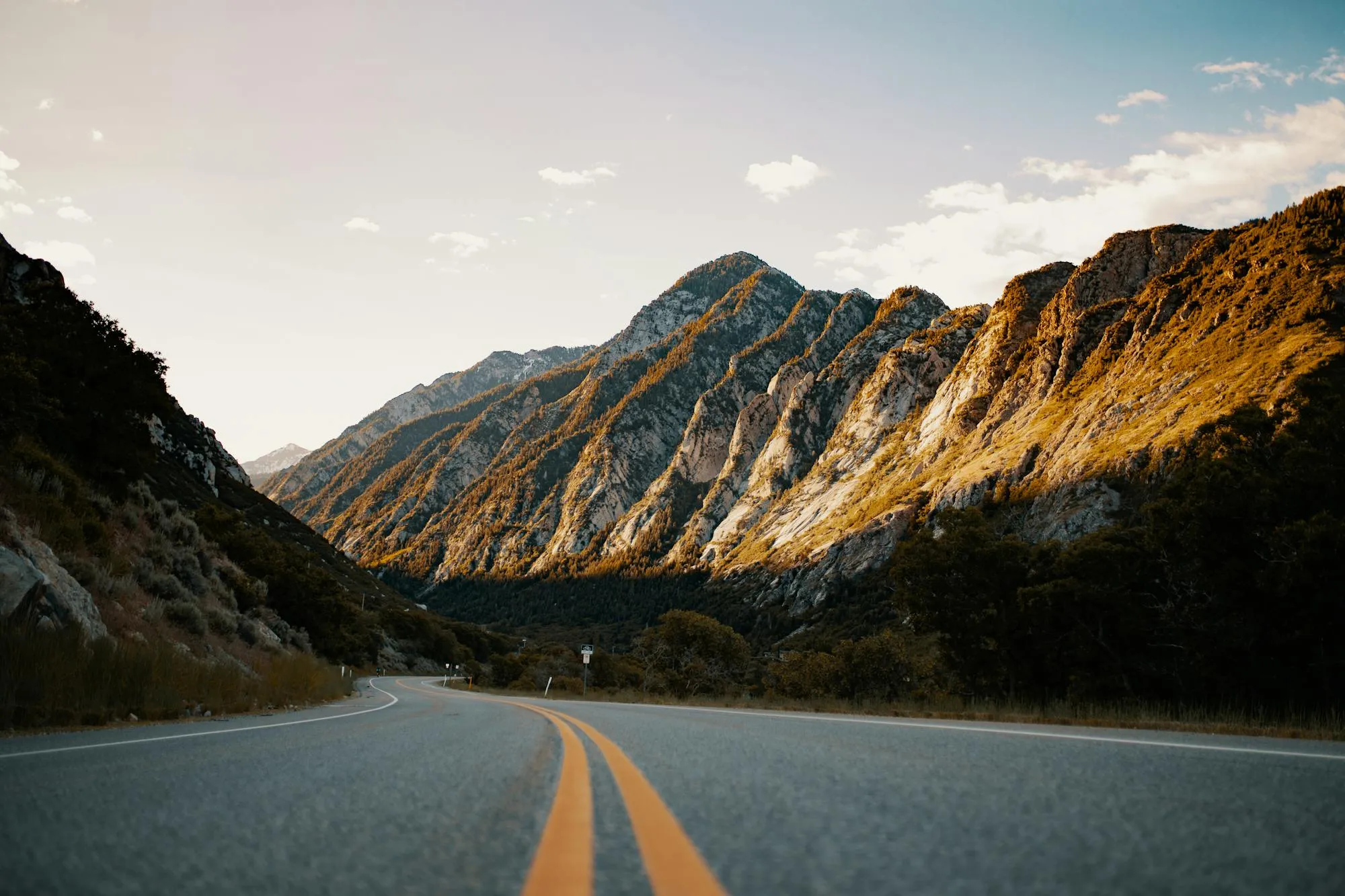
A scenic view of Angeles Crest Highway winding through rugged Southern California canyon terrain. Rocky mountainsides with golden earth tones frame the asphalt road with tight sweeping curves. Double yellow center line visible, sparse vegetation along the shoulders, clear blue sky with white clouds. Daylight, dry conditions. Iconic location for canyon-road enthusiasts.
Josh Sorenson / Pexels

Best motorcycle for Angeles Crest?

This is a canyon bike before it is anything else. It steers with almost no effort and holds whatever line you choose, but with no rider aids you are the safety net, so set your pace before the road sets it.

Made for Angeles Crest Highway · Coronado Trail / US 191 · Highway 1 / Big Sur
Best motorcycle for Laguna Seca?

Track work suits it: huge lean clearance, clear front-end feel, and adjusters at both ends to chase a setup. Accept that traction management is your throttle hand and not a computer.

Made for Barber Motorsports Park · WeatherTech Raceway Laguna Seca · Circuit of the Americas

Best motorcycle for Tail of the Dragon?

Tight, repeatable corners are where this bike pays you back. Light steering and honest feedback let you work on technique, though the firm stock setup deserves a few clicks softer on broken pavement.

Made for Back of the Dragon · Blue Ridge Parkway · Cherohala Skyway