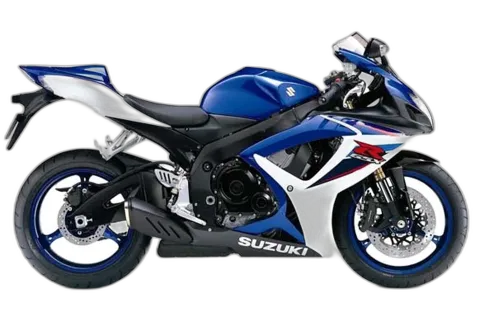
Suzuki GSX-R 600 (K4) — Supersport
Suzuki Press

2004–2005 · Supersport · Buyer's Guide

GSX-R 600 (K4)

Where The Top End Lives

The Machine's Character

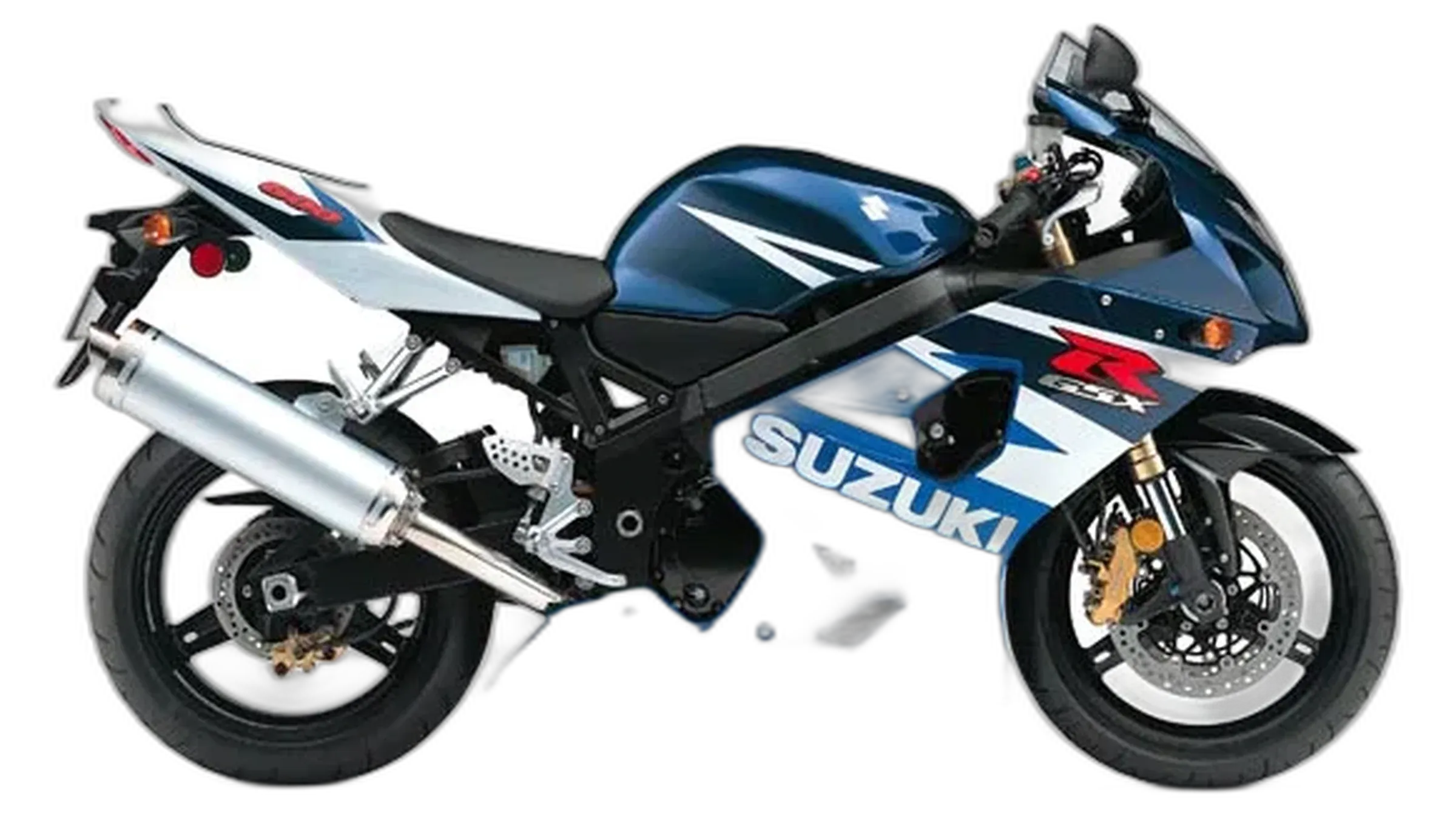
The K4 GSX-R 600 is a compact, hard-edged middleweight built around a 599 cc inline-four with titanium valves. It makes 120 hp at 13,000 rpm and 51 lb-ft at 10,800, which tells you where the interesting part of the tach sits. That engine lives in a stiff twin-spar aluminum frame with an upside-down fork, 300 mm front discs, adjustable suspension at both ends, and a steering damper fitted as standard. At 419 lb wet with a 32.5 in seat, nothing about it feels padded out or softened for the showroom floor.

On the road it rewards commitment. The power is stacked high, so the bike is unremarkable at 5,000 rpm and only shows its hand when you use the gearbox properly. That suits a rider with real skill and real intent: canyon days, technical backroads, trackdays. It suits nobody shopping for an easy commuter. There is no ABS, no traction control, no ride modes, so the machine gives you exactly what you ask for and nothing more. Bikes this age also live or die on service history, and the electrical and throttle-servo weak spots are worth verifying before money changes hands.

Hard Numbers

Spec sheets don't ride bikes, but they set the baseline.

Show full specs & equipment Hide specs & equipment
Key specifications
Power 120 hp (88 kW) @ 13,000 rpm
Torque 51 lb-ft (70 Nm) @ 10,800 rpm
Displacement 599 cc
Engine Inline-four
Cooling Liquid-cooled
Gearbox 6-speed
Fork Upside-down (USD)
Front brake 300 mm
Front tire 120/70-17
Rear tire 180/55-17
Seat height 32.5 in (825 mm)
Wet weight 419 lb (190 kg)
Fuel capacity 4.5 gal (17 L)

Equipment check

Chassis

  • Front Suspension Adjustable Standard
  • Rear Suspension Adjustable Standard
  • Steering Damper Standard

The Voice of Experience

Portrait of NastyNils

The test ride

Thumb the starter and the four settles into a flat, businesslike idle with no theater to it. The riding position is committed but not cruel: 32.5 inches to the seat, a narrow tank your knees lock onto naturally, clip-ons low enough that your weight goes through your wrists at walking pace and lifts off them the moment you carry speed. Vibration through the pegs and bars stays fine-grained rather than numbing. What stays with you is how compact the whole machine feels underneath you, everything within a short reach. At normal road pace it is calmer and less shouty than the numbers suggest, content to sit at part throttle without fussing. With 4.5 gal aboard, the tank sets the rhythm of the day well before fatigue does.

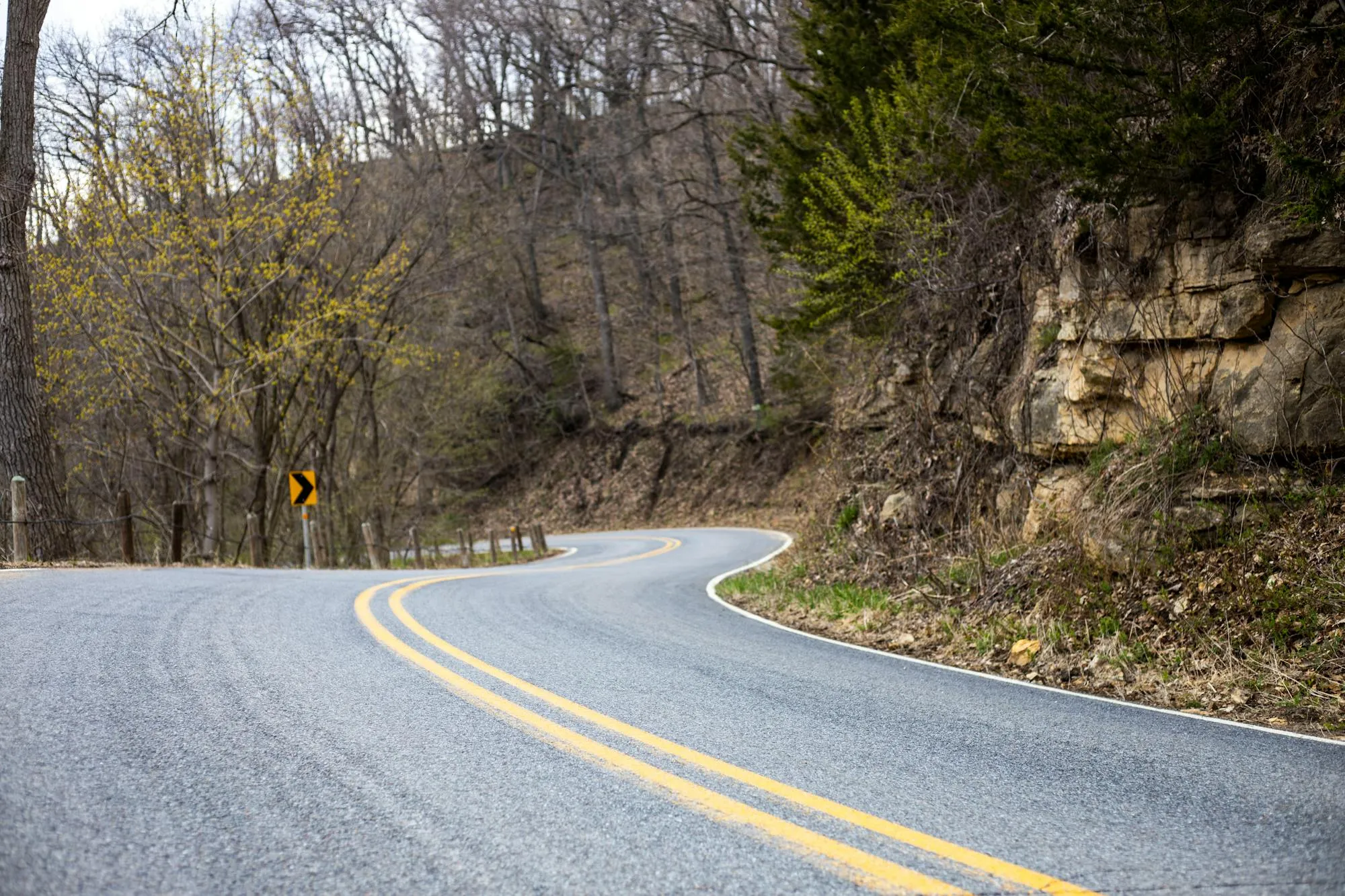
A winding two-lane asphalt road in the Appalachian mountains, photographed in dry daylight. Yellow double-center line markings guide through a series of tight left-hand curves. Dense deciduous and evergreen forest flanks both sides; a rock cut is visible on the right. The road surface and geometry suggest a technical, high-traffic riding corridor popular with motorcyclists.
Chris Flaten / Pexels

The Truth on the Street

This is the community's read, not mine: two decades of paddock talk, club nights, conversations with owners standing next to their bikes, and the messages riders send me directly. On the K4 the chatter is remarkably consistent. Riders keep coming back to how the controls work, and the gripes they raise are about setup and condition rather than character.

Brakes And Gearbox Get The Credit

The brakes draw steady praise. Riders describe strong initial bite at the lever and no fade as the pace climbs. The gearbox comes up nearly as often, with owners reporting clutchless upshifts that go through cleanly and precisely. Riders who have spent time on the earlier versions also single out the front end on this one: sharp turn-in, and a line that holds through the middle of a corner.

Where The Complaints Cluster

Two things recur. Faster and heavier riders say the stock suspension settings are too soft once they push, with the fork bottoming under hard braking and the bike wallowing in quick corners. Others report fatigue on longer road rides, the bars and pegs suiting track work better than distance. Used buyers warn each other to look hard at crash damage and tired engines.

Known issues

  • Front brake master cylinder corrosion (NHTSA recall)

    brakes common Recall

    After long-term service without regular brake fluid changes, the master cylinder piston can corrode, generating gas that reduces braking power and increases stopping distances. A safety recall replaced the master cylinder with a redesigned unit and fresh fluid.

  • Stator/rectifier failure

    electrics occasional

    Some owners report premature failure of the stator or rectifier, leading to charging issues and potential battery drain.

  • STVA throttle servo PCB solder joint failure

    electrics occasional

    The Secondary Throttle Valve Actuator (STVA) PCB can develop cracked solder joints due to vibration, causing the secondary throttle valves to malfunction and leading to rough running or FI error codes. A well-known preventative fix involves re-soldering the PCB traces.

The Expert Benchmark

Where this Suzuki GSX-R 600 pulls ahead of — or falls behind — its rivals on the numbers, and the typical bike in its class on character.

What kind of bike this is — character vs. the class

This bike Class average

The shape of the Suzuki GSX-R 600 — numbers and character vs. the average Supersport

Head-to-head: Suzuki GSX-R 600 vs. its rivals

The Handshake Score

Forget spec-sheet bragging. Here's who the GSX-R 600 is actually built for.

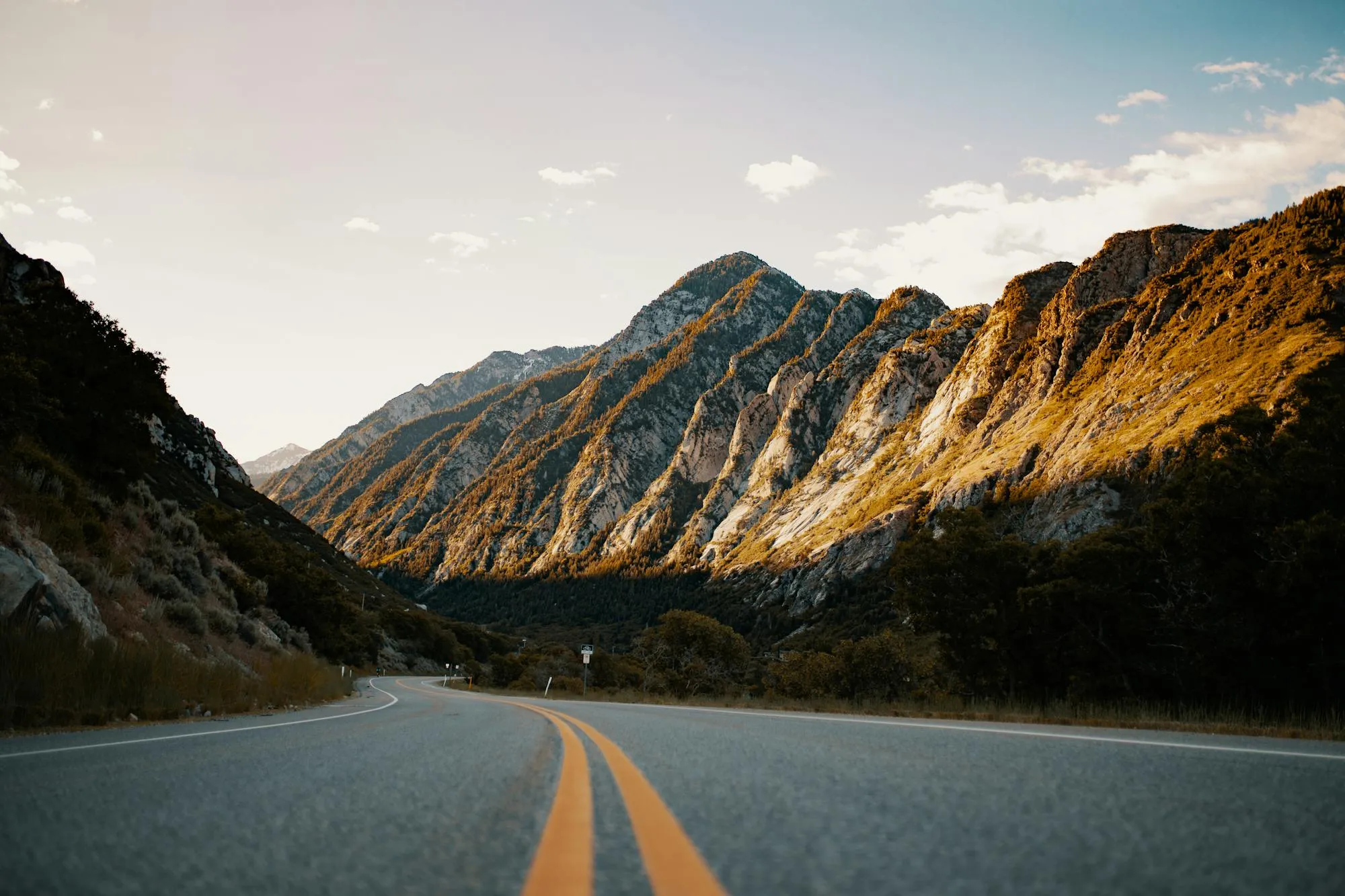
A scenic view of Angeles Crest Highway winding through rugged Southern California canyon terrain. Rocky mountainsides with golden earth tones frame the asphalt road with tight sweeping curves. Double yellow center line visible, sparse vegetation along the shoulders, clear blue sky with white clouds. Daylight, dry conditions. Iconic location for canyon-road enthusiasts.
Josh Sorenson / Pexels

Best motorcycle for Angeles Crest?

Angeles Crest is exactly the road this bike was drawn for. It holds a line, tells you what the front is doing, and has more lean angle than the pavement will ever ask for. Accept that nothing is catching your mistakes.

Made for Angeles Crest Highway · Coronado Trail / US 191 · Highway 1 / Big Sur
Best motorcycle for Laguna Seca?

A genuinely honest trackday tool: deep lean clearance, adjustable suspension at both ends, and enormous parts support. There is no electronic safety net, so your right wrist is the only traction control.

Made for Barber Motorsports Park · WeatherTech Raceway Laguna Seca · Circuit of the Americas

Best motorcycle for Tail of the Dragon?

On the Dragon and the Cherohala this thing is a scalpel. Light on its feet, precise, and it never asks for a big shove at the bars. The tight, low-speed stuff is where its size pays off most.

Made for Back of the Dragon · Blue Ridge Parkway · Cherohala Skyway