·

Suzuki GSR600 (MY2006) — Naked Bike
NastyNils / Suzuki Press

2006–2010 · Naked Bike · Buyer's Guide

GSR600 (MY2006)

The Six-Hundred That Screams

The Machine's Character

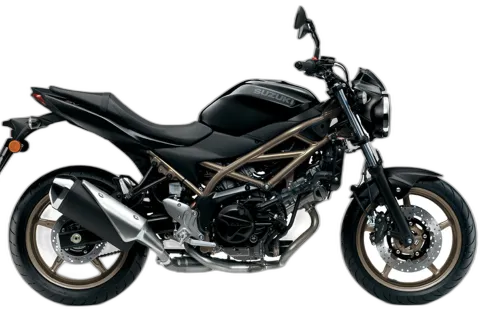
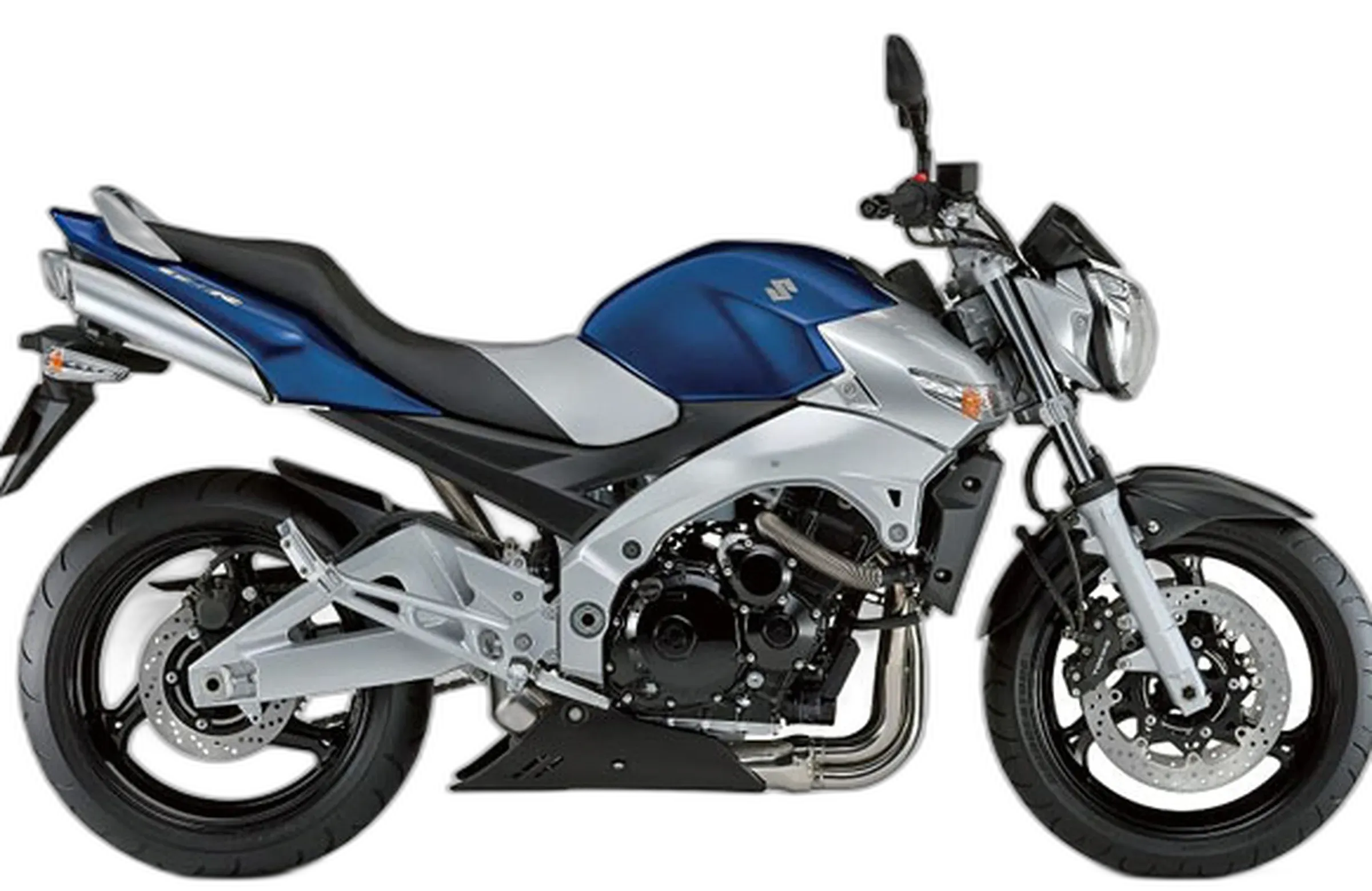
Suzuki dropped a GSX-R-sourced inline-four into a naked chassis and then refused to cheapen the parts nobody looks at. The 599 cc four makes 98 hp at 12,000 rpm and 48 lb-ft at 9,600 rpm, which is where a supersport motor puts its numbers, not where a detuned commuter engine would. Frame and swingarm come out of a vacuum aluminum casting process, thin-walled and structurally serious, and the swingarm is drawn from the sportbike side of the catalog rather than shrunk to hit a price. That is the whole idea of this generation: street ergonomics wrapped around hardware nobody watered down.

It rides like a bike that wants revs, and it rewards a rider who gives them. The 30.9 in seat and the narrow, upright layout make it easy to trust from the first mile, which is why the whole spread of riders who threw a leg over it came back happy, from first-timers to people who ride hard for a living. This is the bike for someone who wants supersport character without the wrists and the insurance bill. The honest caveat is the factory fuel map: it ships lean for emissions compliance, and the bike you collect at the dealer is not the one it could be until a dyno session sorts it.

Hard Numbers

Spec sheets don't ride bikes, but they set the baseline.

Show full specs & equipment Hide specs & equipment
Key specifications
Power 98 hp (72 kW) @ 12,000 rpm
Torque 48 lb-ft (65 Nm) @ 9,600 rpm
Displacement 599 cc
Engine Inline-four
Cooling Liquid-cooled
Gearbox 6-speed
Final drive Chain
Front brake 310 mm
Front tire 120/70-17
Rear tire 180/55-17
Seat height 30.9 in (785 mm)
Fuel capacity 4.4 gal (16.5 L)
Fuel economy 37 mpg (US)

Equipment check

Chassis

  • Front Suspension Adjustable Standard
  • Rear Suspension Adjustable Standard

The Voice of Experience

Portrait of NastyNils

The test ride

Sound is the first thing that gets you. Four cylinders held at the limiter on a Greek highway, six bikes deep at a red light, all released at once when it turns green: the noise bounces off the barriers and puts your head somewhere near a starting grid. It stays with you. Everything your body touches is light. The clutch pulls clean despite its sporty origins, throws are short, and every gear locks in with a click you feel through your boot. In traffic you sit high enough to read the road over car roofs, and the bike is slim enough that you stop calculating gaps and just take them. The one place it argues back is sustained highway speed, where there is nothing between you and the air and you find yourself easing off just to stop the fluttering.

Rated point by point — where it earns its keep

My own 0–100 score for this bike against the class, area by area — the marker on each bar is the class average.

Point this at a technical mountain road and displacement stops mattering. I ran door-to-door with a bike carrying a huge power advantage by shifting constantly, braking deep, and carrying momentum through every change of direction. The only place the six-hundred gave ground was the long straights, where there's nowhere left to hide the gap. Then there's the noise. Six bikes deep at an Athens light, four-cylinders all held at the limiter and released at once, and it comes off the barriers sounding like a starting grid. Street spec, race-start sound.

Narrow bars, and the lightest input has it turning right now with no buildup and no delay. That takes a little recalibration if you've come off something lazier. In fast sweepers the quickness can read as nervous until you learn to trust it, and to Suzuki's credit the chassis never makes you choose a side: sharp and precise where the road knots up, settled where it opens out. On a tight technical road, a rider with a soft hand on those bars is close to untouchable. Two honest gaps. The conventional fork is technically faultless and leaves nothing wanting at street pace, but everything else on this motorcycle justifies an upside-down unit and anyone who knows bikes will spot that immediately. The bigger practical limit is peg clearance. At track pace I was scraping in almost every corner while the tires still had plenty left, more nerve-racking than dangerous, but it caps your lean angle until you fit rearsets.

There are two bikes in here. Below the middle of the tach it just gets on with the job, and then you keep the throttle open and the whole thing changes character on you. The front comes up in first without a jerk or a surge, no technique needed, just a clean lift with that inline-four scream behind it, and the bike feels considerably harder than its street-tuned spec has any business feeling. I came off a full track session once and found myself pinning it on the public road within a mile, which tells you what that top end does to your judgment. What surprised me more was the composure on corner entry. I gave up blipping downshifts years ago because the coordination was never there, and it made no difference: the GSR ironed out the rear jolt every time, unasked. The marks against it are both fueling. There's a small snatch when you crack it hard, and the map ships lean, so real power stays locked up until a dyno session frees it.

The stock Bridgestone all-rounder earned my trust fast. It grips across the full lean range, takes the occasional track day without protest, and should return solid mileage before it's done. Underneath, nobody value-engineered this thing. The vacuum-cast aluminum frame and swingarm use thin-walled sections with genuine structural strength, and the swingarm is massively proportioned, drawn from the sportbike catalog rather than shrunk to hit a price. It looks special and it backs that up on the road.

They never let me down when it counted. Running race pace with quicker bikes hunting me down, I never once had to ease off in a braking zone, and the GSR pulled up exactly where I aimed it, lap after lap. The one mark against them is context rather than performance. For a naked bike they're more than enough. But on a machine tuned this close to supersport everywhere else, the calipers are the single component that didn't get the memo.

Physically this bike asks very little of you. The clutch has sporty origins and still pulls clean without tiring a hand, the throws are short, and every gear locks in with a click you feel through the boot. Suzuki got the stock gearing right too, so the sprocket swap that usually follows a naked bike home never came up. What sold me was the breadth: young riders, old hands, first-timers, people who ride hard for a living, all of them came back happy. The cost is weather, and at a sustained highway clip there's simply nothing between you and the air.

Athens traffic settled this one. Constant lane-splitting, tight gaps, cars closing on me without warning, and the slim layout made it easy every time. You never think twice before filtering. The seating position pulls its weight as well: clear sightlines over the car roofs, instant response to your inputs, and enough all-around awareness that you've already reacted before you've consciously processed what's happening.

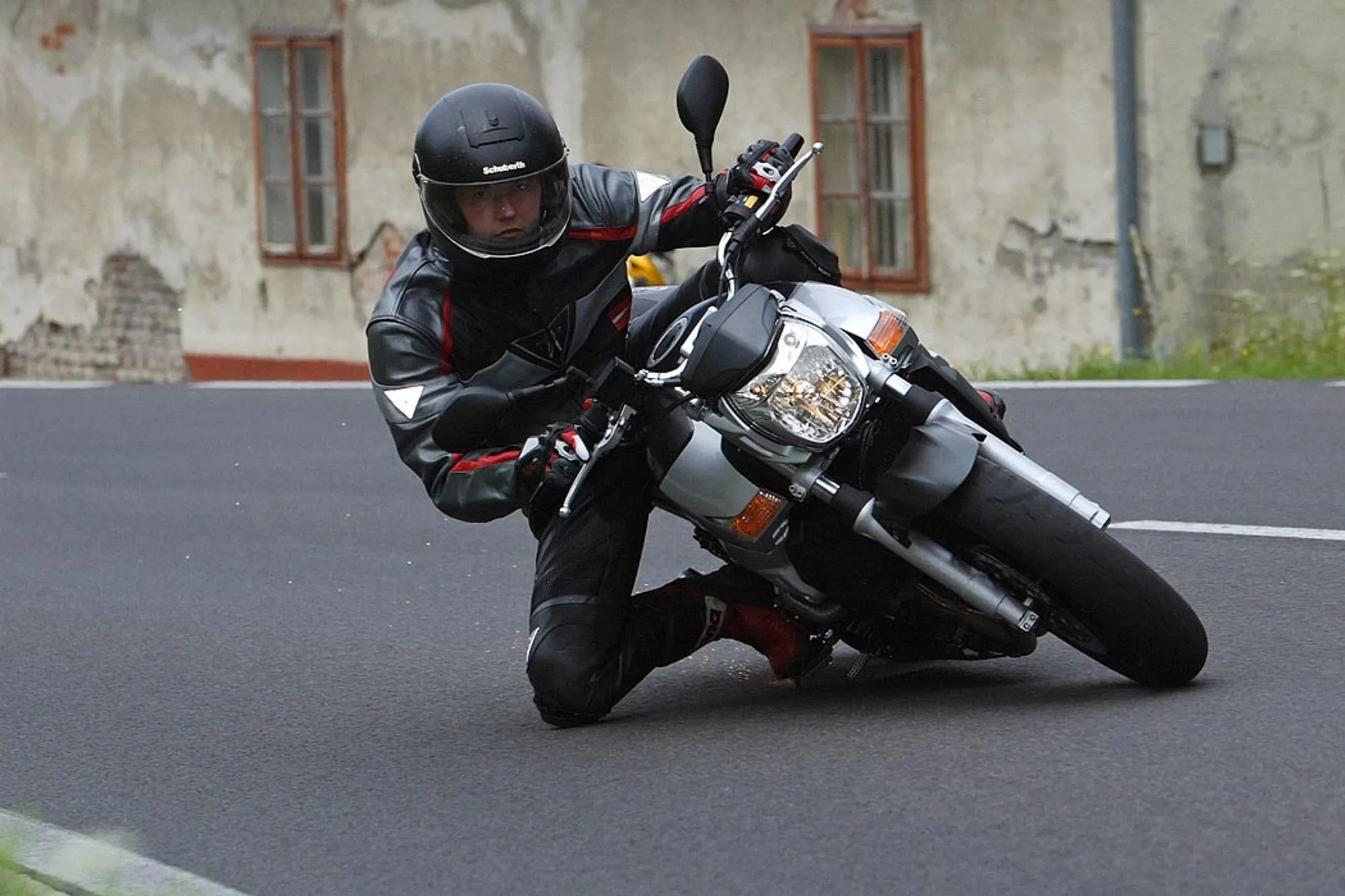
NastyNils riding a Suzuki GSR600 through a spirited corner on asphalt, leaning the naked bike aggressively into the turn. Rider wears black leather jacket with red and white accents, full-face helmet. Weathered urban building visible soft in the background. Daylight, dry conditions. Action shot capturing the GSR600's cornering ability and rider technique.
NastyNils / Nastynils.com
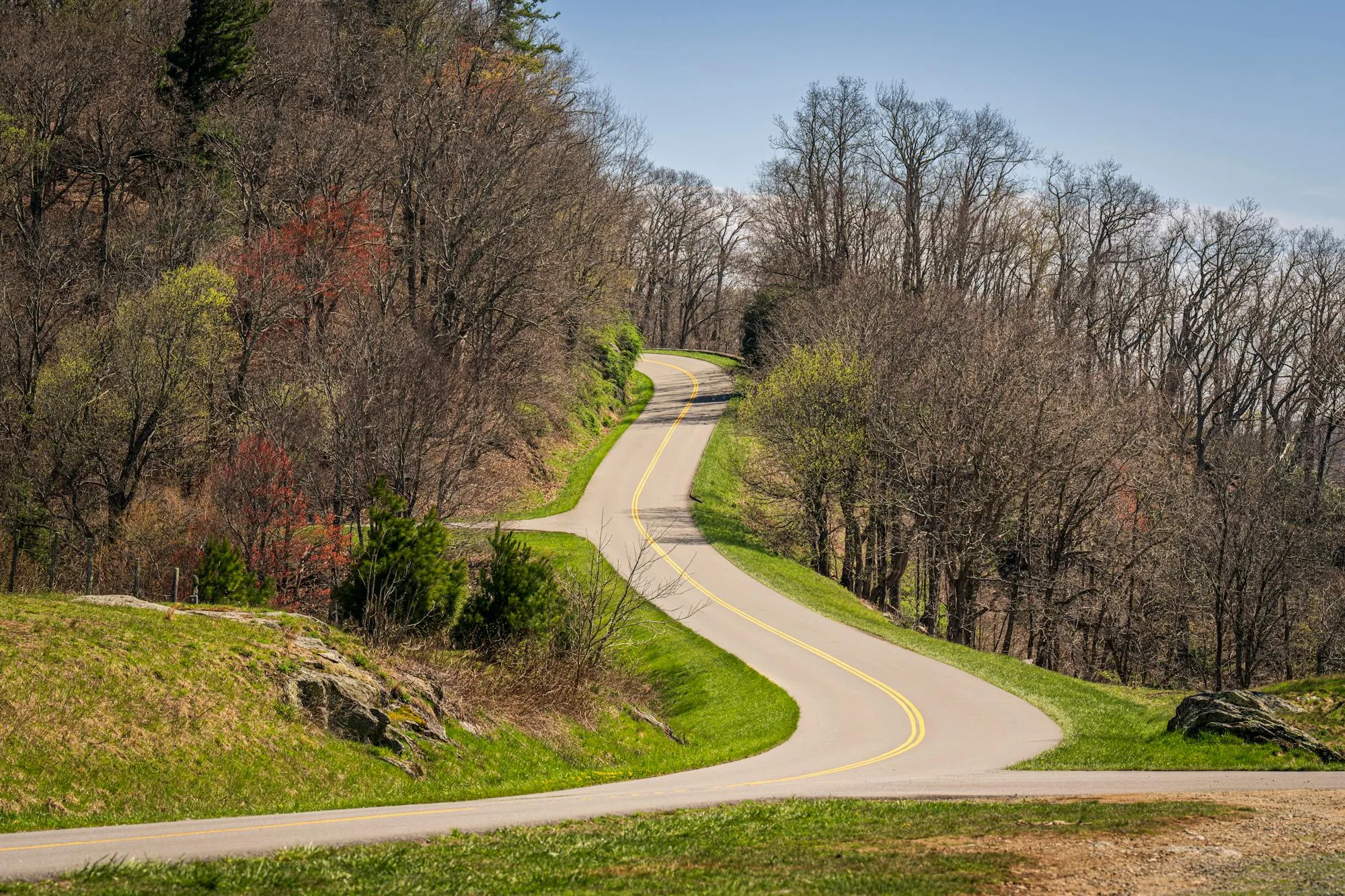
A winding asphalt road descending through the Appalachian Mountains, likely the famous Tail of the Dragon section in Tennessee and North Carolina. Multiple technical right-hand and left-hand curves are visible in this aerial perspective, surrounded by deciduous forest in spring foliage. Clear sunny conditions, well-maintained asphalt with yellow center lines marking the curves.
Mark Stebnicki / Pexels

The Truth on the Street

Over the years I've collected what GSR600 riders tell me directly: notes that land in my inbox, riders comparing bikes in a parking lot, conversations that start after somebody has lived with one for a season. The pattern is consistent. The engine and the steering earn the affection, and almost everything else riders raise is about how the bike is damped, how it shifts, and how it holds up to weather.

What keeps owners coming back

The 599cc four gets the most consistent praise. Riders describe a motor that comes alive above 7,000 rpm with a smooth rush and an addictive sound, and they credit it for the bike's sporty streak. Steering draws similar comments: light, neutral, easy to place in traffic and on twisty roads, though several add that the budget suspension caps how hard they can push.

The gripes that keep surfacing

Snatchy fueling at town speeds comes up most often, with a lurching on and off throttle at low rpm; some owners fit an aftermarket controller to clean it up. The rear shock draws its own complaints for harsh rebound that unsettles the bike over bumps. Beyond that, a notchy gearbox with neutral hard to find at a stop, plus corrosion on fasteners, footpegs and the lower frame for anyone riding winter salt.

Known issues

  • Frame surface corrosion and kickstand wear

    chassisoccasional

    Some owners report light pitting on the aluminum frame and premature wear on the kickstand, especially if the bike is ridden in wet or salty conditions. Regular cleaning and corrosion protection help mitigate the issue.

The Expert Benchmark

Where this Suzuki GSR600 pulls ahead of — or falls behind — its rivals on the numbers, and the typical bike in its class on character.

What kind of bike this is — character vs. the class

This bike Class average

The shape of the Suzuki GSR600 — numbers and character vs. the average Naked Bike

Head-to-head: Suzuki GSR600 vs. its rivals

The 'Should I Buy It?' Score

Forget spec-sheet bragging. Here's who the GSR600 is actually built for.

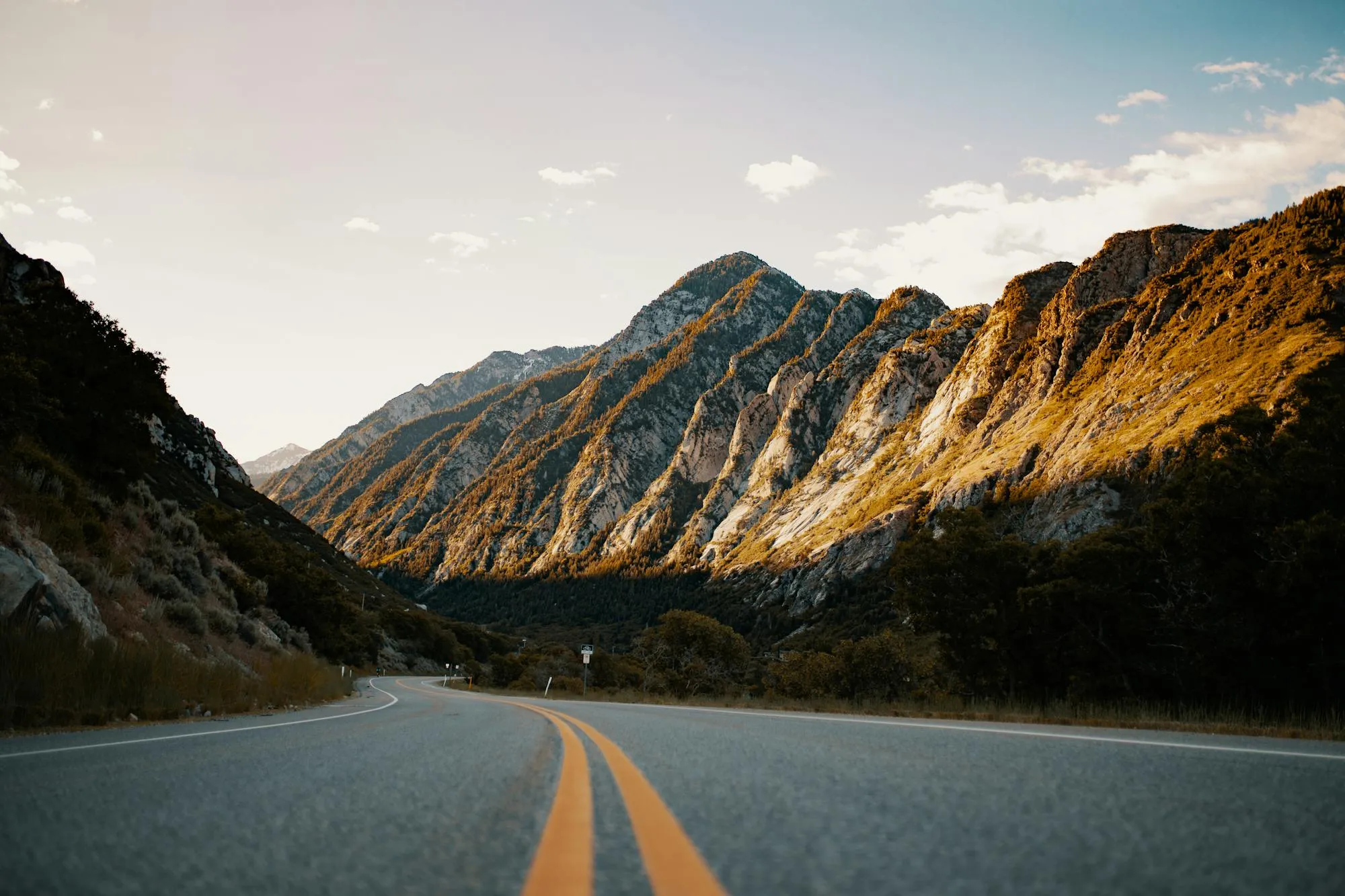
A scenic view of Angeles Crest Highway winding through rugged Southern California canyon terrain. Rocky mountainsides with golden earth tones frame the asphalt road with tight sweeping curves. Double yellow center line visible, sparse vegetation along the shoulders, clear blue sky with white clouds. Daylight, dry conditions. Iconic location for canyon-road enthusiasts.
Josh Sorenson / Pexels

Best motorcycle for Texas Hill Country?

In the twisty sections it flatters you, shifting often and carrying momentum. The slab between Austin and the good roads is the problem, since there's no wind protection to hide behind.

Made for Austin / Texas Hill Country · Twisted Sisters · Austin / Handbuilt Motorcycle Show

Best motorcycle for Angeles Crest?

Angeles Crest suits this bike. It changes direction the instant you think about it and holds pace with far bigger machinery in the tight stuff. You'll want rearsets, because the pegs run out early.

Made for Angeles Crest Highway · Coronado Trail / US 191 · Highway 1 / Big Sur