Kawasaki Ninja ZX-6R (MY2005) — Supersport
NastyNils / Kawasaki Press

2005–2006 · Supersport · Buyer's Guide

Ninja ZX-6R (MY2005)

Stable Fast Precise No Apologies

The Machine's Character

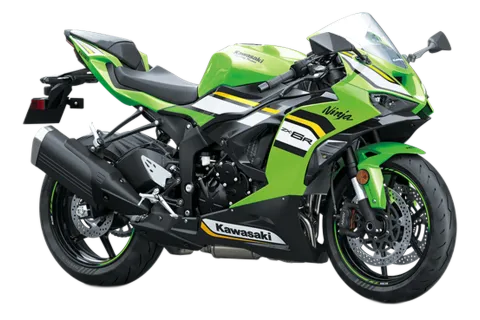
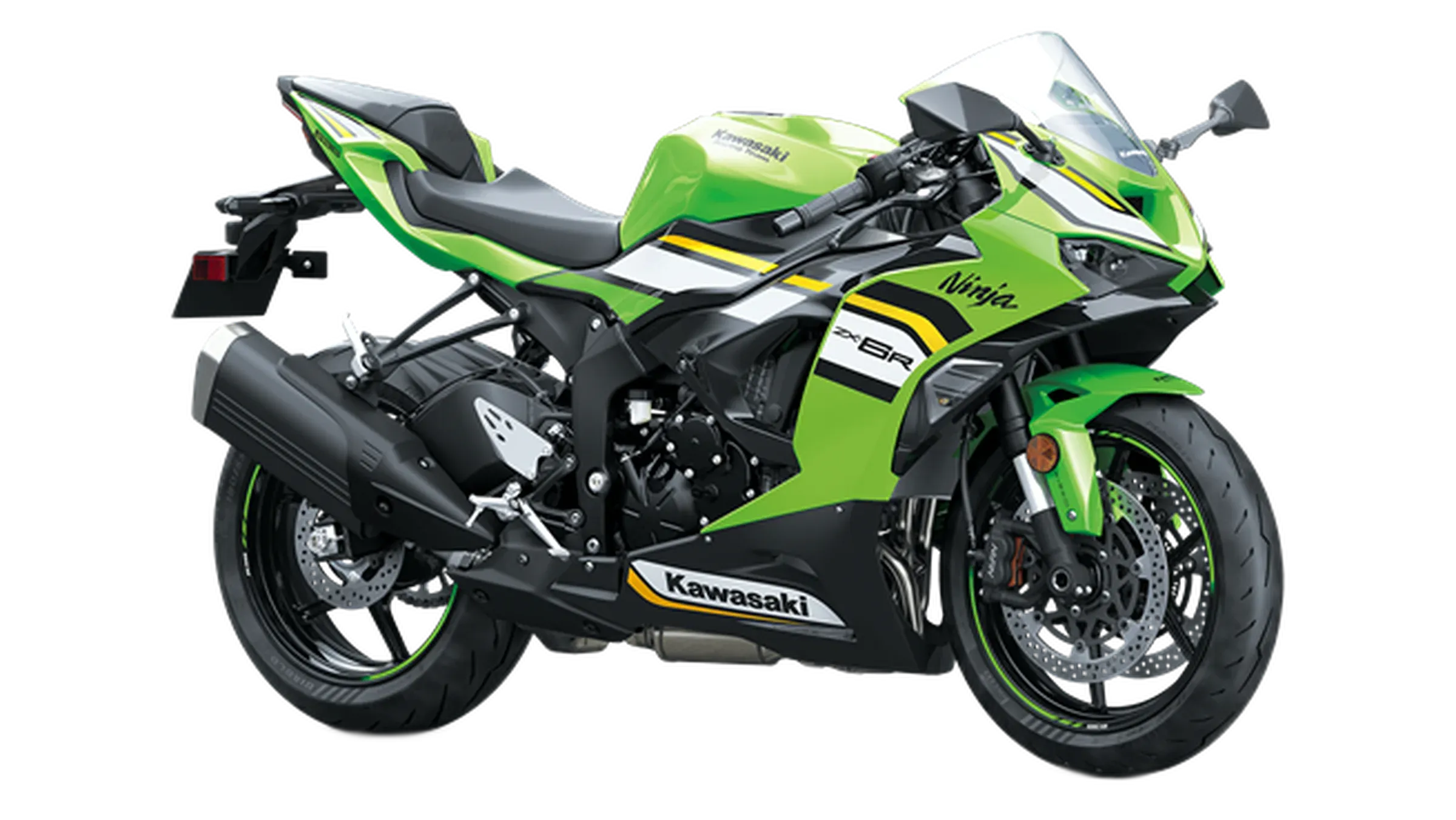
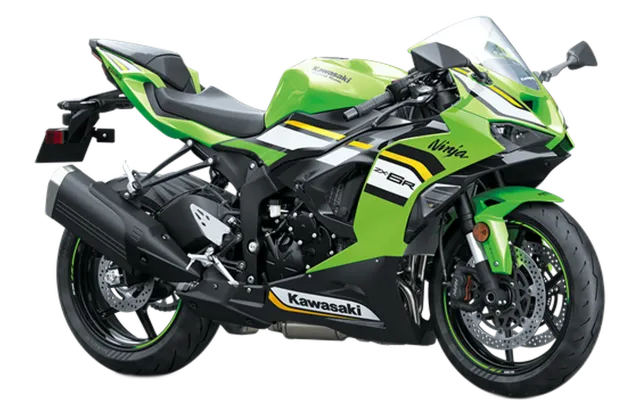
The 2005 ZX-6R is built around a 636cc inline-four that punches above its displacement, putting 132 hp and 52 lb-ft through a six-speed box. The extra capacity buys real mid-range flexibility under a top-end that keeps pulling, so you are not stuck living at the redline to make progress. Kawasaki wrapped it in a stiff aluminum twin-spar frame with fully adjustable Showa suspension, radial-mount Tokico brakes, and a newly standard slipper clutch. The result sits among the better-balanced middleweights of its era, sharp enough for the apex without the nervousness that used to come bundled with that sharpness.

On the road this generation rewards commitment. The front end forgives clumsy bar inputs and small setup changes, which lets you carry more corner speed as your confidence builds instead of fighting the chassis for it. It suits the canyon rider, the track-day regular, and anyone chasing technical twisties who values precision over raw intimidation. Two honest cautions on a used example. There is no steering damper in the package, so budget for one before a track session. And early 2005 bikes can suffer ECU overheating from the underseat exhaust, alongside scattered reports of fuel pump and gearbox trouble, so inspect carefully before you buy.

Hard Numbers

Spec sheets don't ride bikes, but they set the baseline.

Show full specs & equipment Hide specs & equipment
Key specifications
Power 132 hp (97 kW)
Torque 52 lb-ft (70 Nm)
Displacement 636 cc
Engine Inline-four
Cooling Liquid-cooled
Gearbox 6-speed
Final drive Chain
Fork Upside-down (USD)
Front brake 300 mm
Front tire 120/65-17
Rear tire 180/55-17
Wheelbase 54.9 in (1395 mm)
Seat height 32.3 in (820 mm)
Wet weight 432 lb (196 kg)
Fuel capacity 4.5 gal (17 L)
Top speed 168 mph (270 km/h)
Fuel economy 33 mpg (US)

Equipment check

Chassis

  • Front Suspension Adjustable Standard
  • Rear Suspension Adjustable Standard

Drivetrain

  • Slipper Clutch Standard

The Voice of Experience

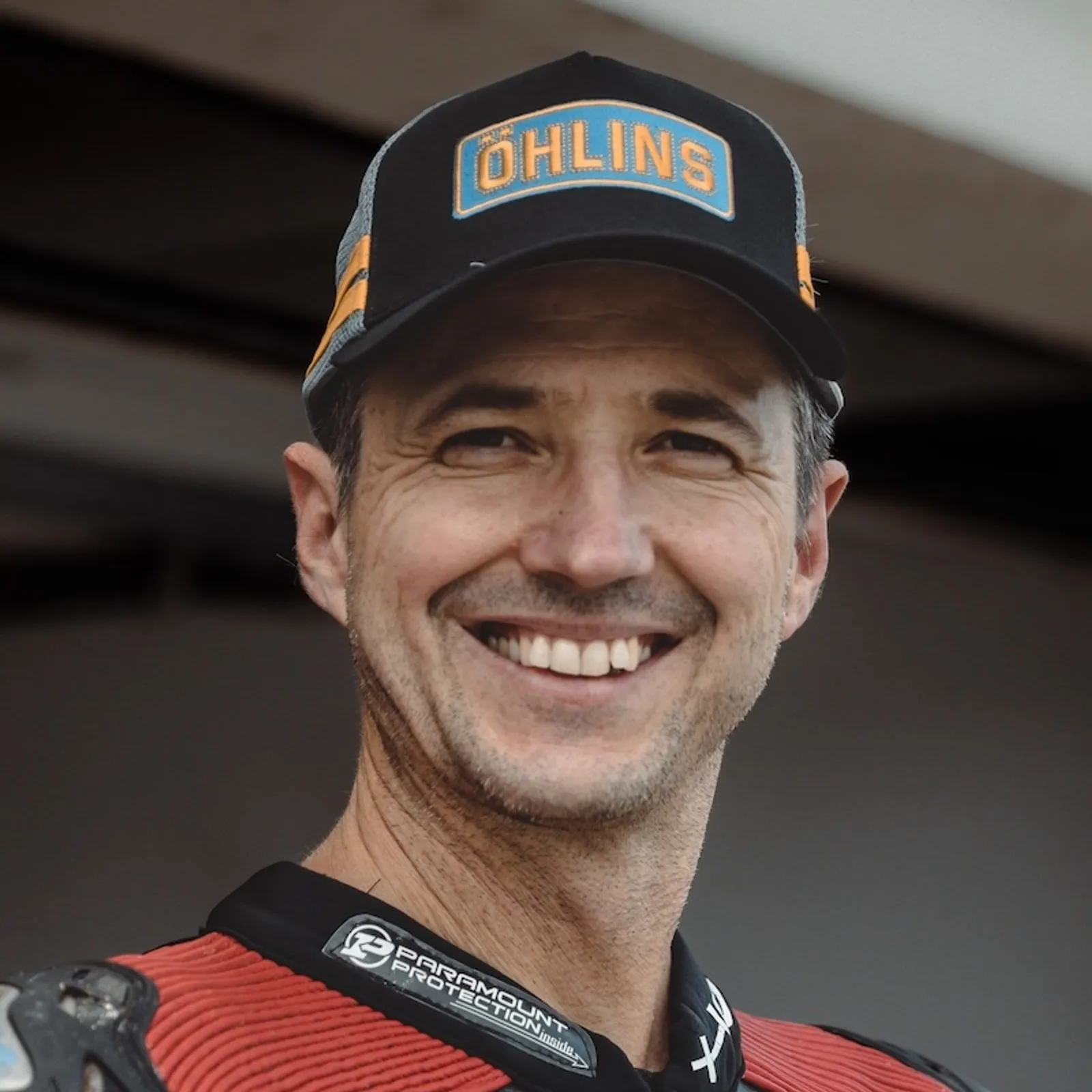
Portrait of NastyNils

The test ride

Swing a leg over and the riding position is committed without being cruel, the 32.3-inch seat tipping your weight onto bars that want intent rather than a relaxed grip. At real road pace the thing that registers is composure. Run it through a dip that loads the brakes and compresses the suspension in the same instant and the fork soaks the whole mess up with travel still in reserve, no harsh kick back through your hands. Point it at a chicane and one deliberate shove swaps direction cleanly, light at the bar for a fully faired middleweight. The standard lap timer hands you honest numbers every lap, real feedback when you are buried deep in a session and chasing tenths rather than guessing at them.

Rated point by point — where it earns its keep

My own 0–100 score for this bike against the class, area by area — the marker on each bar is the class average.

What I keep coming back to is that Kawasaki finally stopped chasing lighter and shorter for its own sake. The older recipe gave you a middleweight that felt eager in the tight stuff and then turned nervous over bumps or on a tire it didn't get along with. This generation keeps that same level of agility and stacks real composure on top, and across a long, technical circuit I never found the corner that caught it out. That balance is what pays off when the track strings two quick corners together: get the first one done cleanly and you spend the next stretch driving forward instead of recovering. The package does leave front-end stability assistance off the menu, so plan to sort that out yourself before you go chasing a lap time.

Capability is really a confidence story on this bike. Once you quit worrying about the front and start carrying real speed through a corner, it holds the whole thing together underneath you. Commit a little more and it gives a little more back, and that loop keeps building on itself the harder you ride. That feedback is exactly what I want a supersport to deliver, and this one actually follows through on it instead of running out of answers when you ask.

The part that earns my trust is how much control stays on the table when you're still braking deep into lean. Drop into a decreasing-radius corner, carry the brakes well past the point where most bikes start dictating terms, and this one keeps your options open. It stays maneuverable while it sheds speed, so a line you misjudged on entry is something you can still fix rather than something you have to live with.

Reliability here is less about parts not breaking and more about a setup you can count on. Racing mechanics confirmed it took to different tire brands straight away, even running suspension carried over from the year before. The verdict I trust is that it's far less fussy about changing conditions than the bike it replaced. In practice that means you roll into an unfamiliar track and spend your time fine-tuning a working baseline instead of hunting for one.

Practicality, for a bike this focused, comes down to what it saves you from bolting on later. At a club race or a track day the standard instrumentation is exactly the kit you'd otherwise go shopping for. Having it built in keeps the cockpit clean and your prep simple, and it's there working for you every session instead of sitting in a box of aftermarket parts you keep meaning to fit.

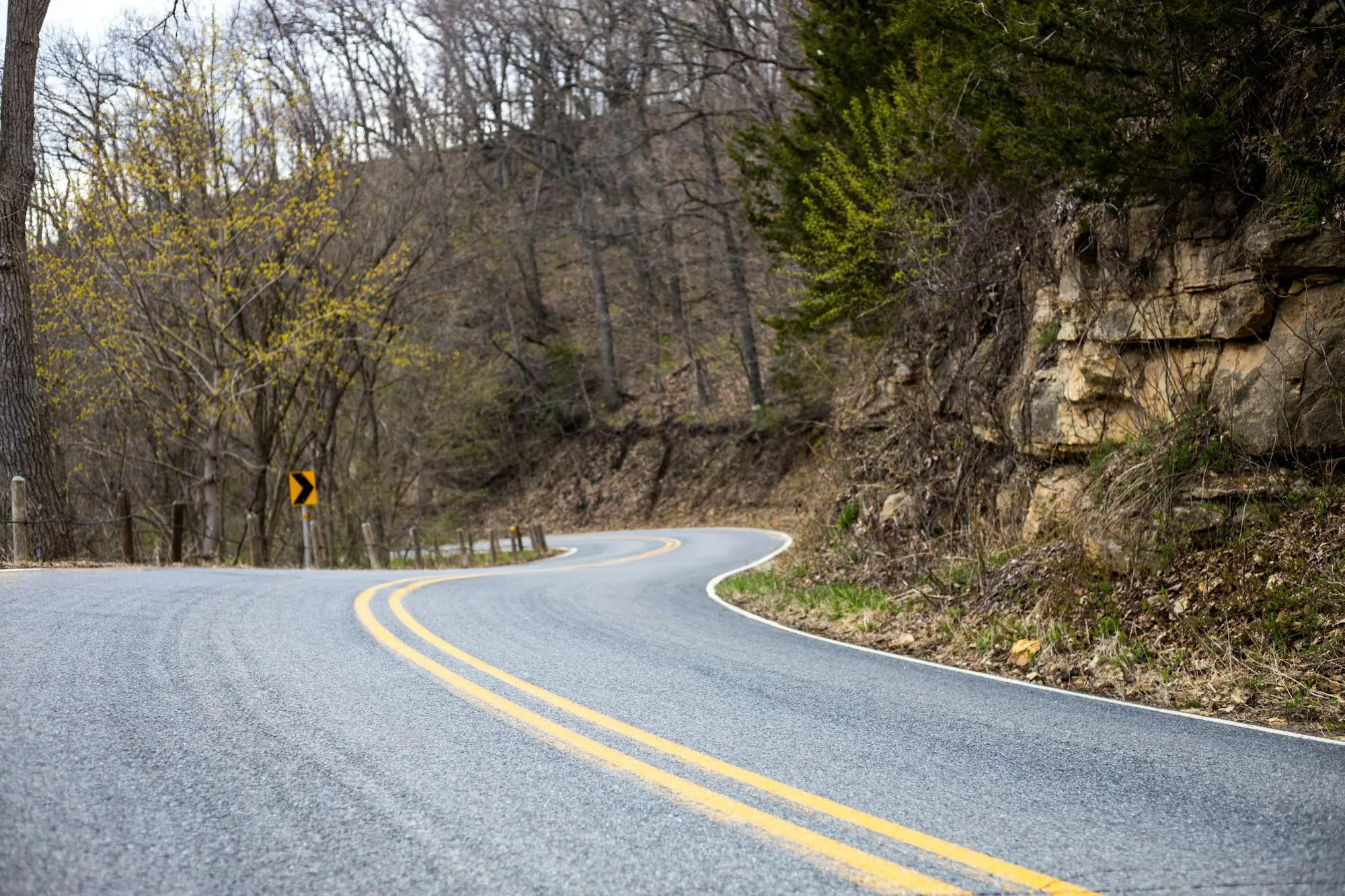
A winding two-lane asphalt road in the Appalachian mountains, photographed in dry daylight. Yellow double-center line markings guide through a series of tight left-hand curves. Dense deciduous and evergreen forest flanks both sides; a rock cut is visible on the right. The road surface and geometry suggest a technical, high-traffic riding corridor popular with motorcyclists.
Chris Flaten / Pexels

The Truth on the Street

I've spent years collecting what riders actually say about this bike: paddock conversations, long talks with owners, and the steady stream of messages that land in my inbox. Put it together and a clear pattern shows up. Riders rate this ZX-6R as easy to get along with, with the loudest praise aimed at its motor and hardware and the steadiest gripes pointed at the suspension and its weight.

The praise that comes up most

Riders consistently single out the engine for its low-end and mid-range pull, the flexibility that lets them ride a gear high without the motor going flat. Many also rate the hardware a step above its class rivals of the time, the radial-mount brakes and slipper clutch chief among them. A smaller group brings up comfort, noting the bike stays workable on longer rides in a way they didn't expect from something this focused.

Where the complaints cluster

The complaint that comes up most is the suspension at the limit, where the Showa setup can feel vague and plenty of owners upgrade springs and valving before serious track use. Raised less often is weight. This update added around 7 lb (3 kg) over the previous bike, enough that some riders feel it in slower direction changes.

Known issues

  • ECU overheating due to exhaust heat

    electricsoccasional

    On early 2005 models, heat from the under-seat exhaust can cause the ECU to malfunction or fail. A heat shield or relocation resolves the issue; later 2006 bikes were improved.

  • Fuel pump failure

    fuel systemrare

    Some owners report early fuel pump failure, causing stalling or no-start issues. Not universal, but worth inspecting on used bikes.

  • Transmission wear / slipping

    drivetrainrare

    Isolated reports of gearbox issues, particularly slipping or popping out of gear, often attributed to hard use or high mileage. May require gear replacement.

The Expert Benchmark

Where this Kawasaki Ninja ZX-6R pulls ahead of — or falls behind — its rivals on the numbers, and the typical bike in its class on character.

What kind of bike this is — character vs. the class

This bike Class average

The shape of the Kawasaki Ninja ZX-6R — numbers and character vs. the average Supersport

Head-to-head: Kawasaki Ninja ZX-6R vs. its rivals

The Handshake Score

Forget spec-sheet bragging. Here's who the Ninja ZX-6R is actually built for.

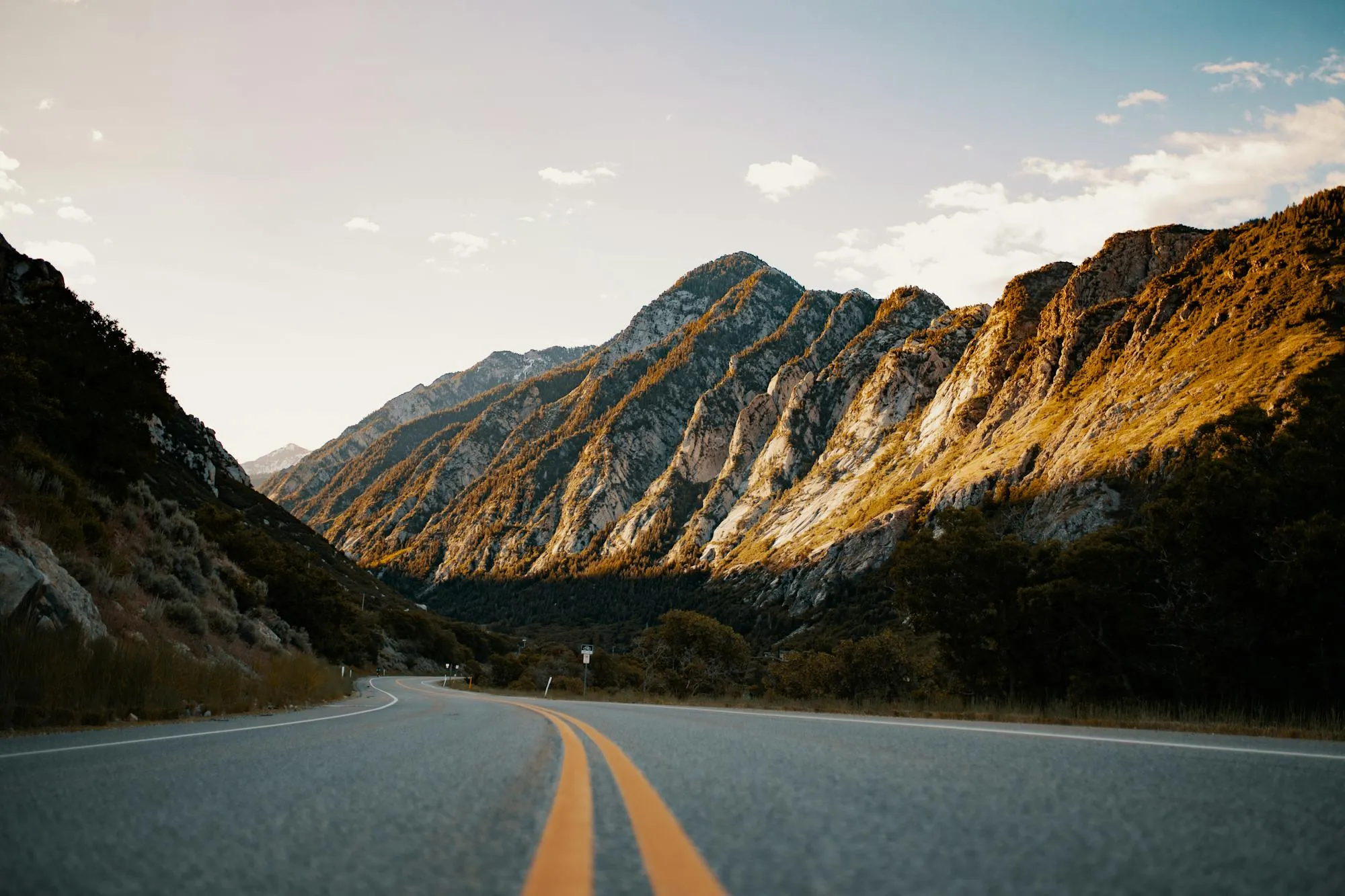
A scenic view of Angeles Crest Highway winding through rugged Southern California canyon terrain. Rocky mountainsides with golden earth tones frame the asphalt road with tight sweeping curves. Double yellow center line visible, sparse vegetation along the shoulders, clear blue sky with white clouds. Daylight, dry conditions. Iconic location for canyon-road enthusiasts.
Josh Sorenson / Pexels

Best motorcycle for Angeles Crest?

If your weekends run from LA traffic out to the Crest, this fits well. The forgiving front lets you build pace through the fast stuff while the flickable chassis handles the tight switchbacks.

Made for Angeles Crest Highway · Coronado Trail / US 191 · Highway 1 / Big Sur
Best motorcycle for Tail of the Dragon?

On the Dragon and Cherohala, where skill beats speed, this rewards precision. One input changes line cleanly, and the front never punishes you for committing to a corner.

Made for Back of the Dragon · Blue Ridge Parkway · Cherohala Skyway

Best motorcycle for Laguna Seca?

Built for exactly this. The sorted stock suspension and standard lap timer let you start fine-tuning instead of chasing a baseline. Just budget for a steering damper before your first session.

Made for Barber Motorsports Park · WeatherTech Raceway Laguna Seca · Circuit of the Americas