Kawasaki Ninja ZX-6R (MY2007) — Supersport
Kawasaki Press

2007–2008 · Supersport · Buyer's Guide

Ninja ZX-6R (MY2007)

Snaps In, Holds Nothing Back

The Machine's Character

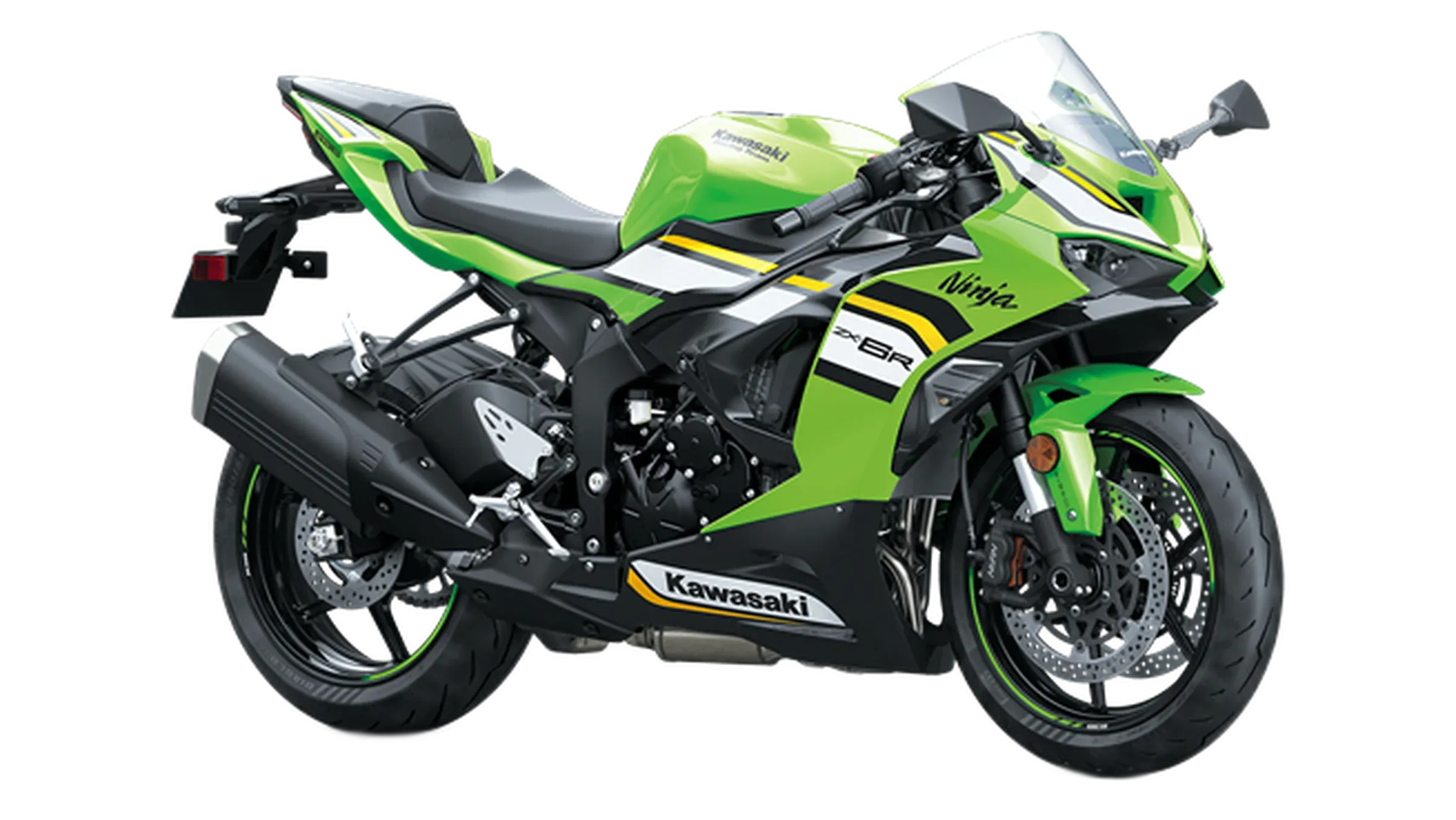
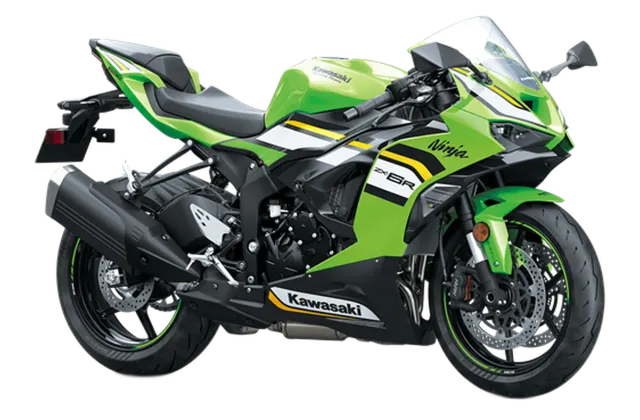
This generation of the ZX-6R was built around the circuit and never pretends otherwise. The 599 cc inline-four makes 125 hp at 14,000 rpm and 49 lb-ft at 11,700, and it wants to live in the last third of the tach. Kawasaki backed that with a cassette gearbox, a slipper clutch, radial front brakes on 300 mm discs, and fully adjustable suspension at both ends. There is no IMU here, no traction control, no ride modes. What you get instead is a light, hard-edged chassis at 421 lb wet and a rider who has to earn the lap time.

Ridden the way it was designed to be ridden, it is one of the most satisfying supersports of its era: precise, honest, and endlessly willing to be leaned on. Lean clearance is effectively unlimited on the street, and the feedback through the chassis is good enough that you always know where grip stands. The caveat is the flip side of the same coin. The engine is thin below 8,000 rpm, the gearing is tall, and the seating position is a track position. Buy it for canyon Sundays and track days, not for a 300-mile weekend.

Hard Numbers

Spec sheets don't ride bikes, but they set the baseline.

Show full specs & equipment Hide specs & equipment
Key specifications
Power 125 hp (92 kW) @ 14,000 rpm
Torque 49 lb-ft (66 Nm) @ 11,700 rpm
Displacement 599 cc
Engine Inline-four
Cooling Liquid-cooled
Gearbox 6-speed
Final drive Chain
Fork Upside-down (USD)
Front brake 300 mm
Front tire 120/70-17
Rear tire 180/55-17
Seat height 32.3 in (820 mm)
Wet weight 421 lb (191 kg)
Fuel capacity 4.5 gal (17 L)
Top speed 164 mph (264 km/h)
Fuel economy 32 mpg (US)

Equipment check

Chassis

  • Front Suspension Adjustable Standard
  • Rear Suspension Adjustable Standard

Drivetrain

  • Slipper Clutch Standard

The Voice of Experience

Portrait of NastyNils

The test ride

The first thing you notice is how little effort it takes to change direction. Push it into a right-left and it snaps across, no inertia, no argument, just the line you asked for. The tank is the other revelation. Its profile gives your forearms a real ledge to brace against in a long arc, and taller riders still have room to move around. You end up steering with your knees and hips as much as your hands, which is exactly how a bike like this should feel. The four-cylinder is smooth and busy, more a hard mechanical whine than a bark, and it stays that way right up to the top. At road pace it all works. Spend three hours in the saddle and your wrists start asking questions the bike has no answer for.

Rated point by point — where it earns its keep

My own 0–100 score for this bike against the class, area by area — the marker on each bar is the class average.

Ask this chassis for a change of side and it is already there. Less mass and tighter geometry mean a right-left sequence goes by without the bike leaning on my inputs, and none of the old generation's reluctance shows up in the second half of a transition. My reservation is at the back. The standard shock reads well on the road and on a track day, but a full amateur race season finds the limit of it, and it stops holding its shape under repeated laps.

Big stops are where the sharper layout shows its cost. Squeeze hard into the braking zone at the end of a fast straight and the back wheel unweights further than I would like, leaving the bike less settled at maximum braking than the machine it replaced. Firming up the fork takes some of that away. It does not remove it, and nothing I could do with the stock adjusters finished the job, so I rode around it every time.

Chassis changes this deep usually land in the rider's lap somewhere. This one did not. The bike is quicker to turn and more precise than what came before, and I never had to concentrate harder or work harder to use any of it. The approachable character survived a rebuild that could easily have buried it, and that is the thing about this generation I still find surprising.

Fueling is the part I trust completely. Wherever I pick it up in the rev range, in town or driving out of a corner at speed, the response arrives clean and nothing hesitates on the way. Outright output is the softer half of the story. The step over the previous engine is small enough that I never saw it on track, and at the top of the range the class leaders still have a little more in hand.

The shape of the tank does a lot of quiet work here. It came off the flagship superbike, and it gives my forearms something solid to lean into through a long arc, with enough room left over that taller riders are not folded up. With that many contact points I can hold the bike with my body rather than my hands. It is still a racetrack position, though, and a long road day eventually asks more of me than I want to give. Put street miles on one first.

If you already own the outgoing model, this one asks nothing of you on day one. My inputs transferred straight across. Nothing needed unlearning, and the pace was there in the first session instead of arriving after a week of adjusting. For a machine that changed this much underneath, letting the rider keep the style they showed up with counts for more than it sounds like.

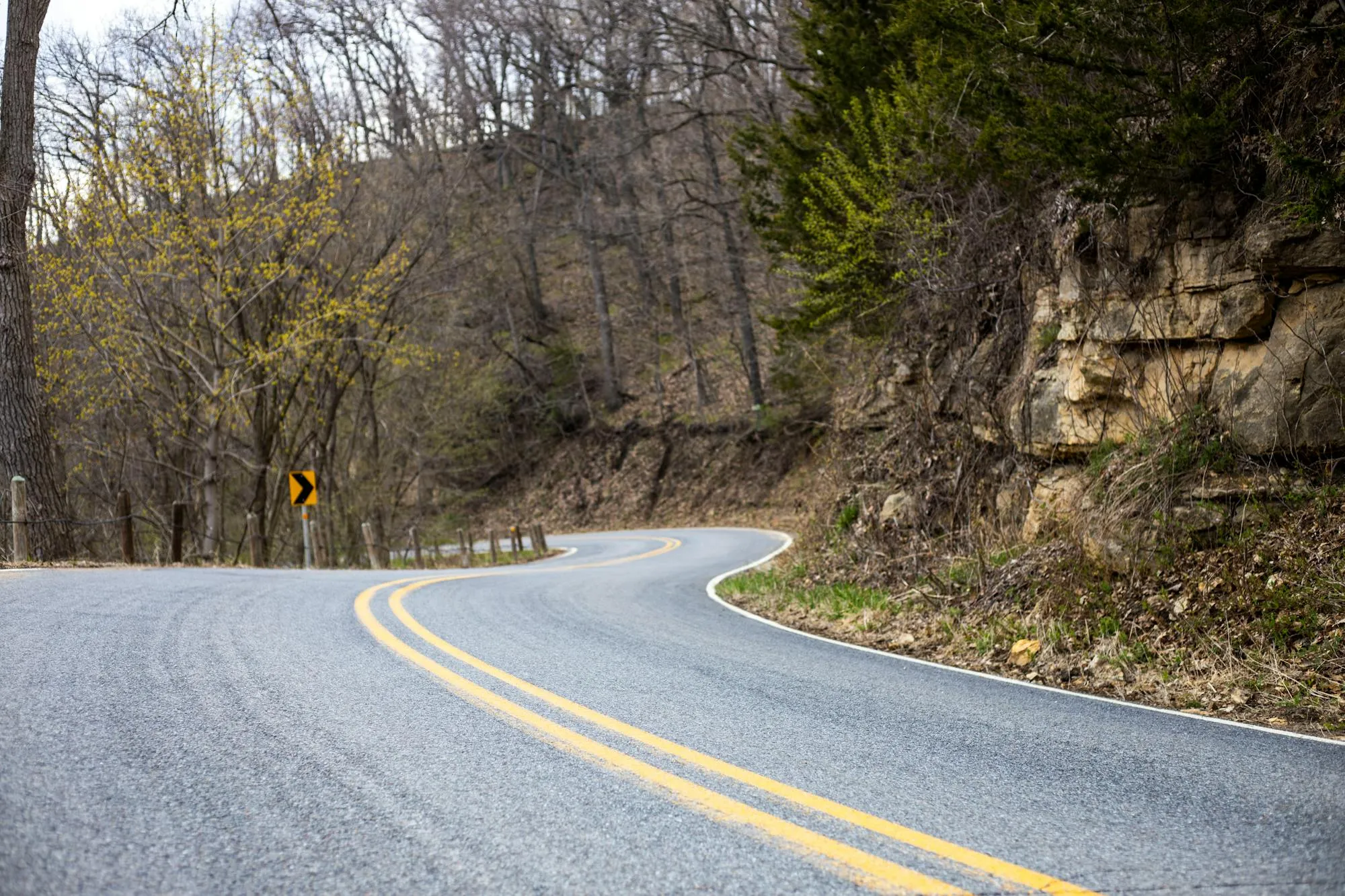
A winding two-lane asphalt road in the Appalachian mountains, photographed in dry daylight. Yellow double-center line markings guide through a series of tight left-hand curves. Dense deciduous and evergreen forest flanks both sides; a rock cut is visible on the right. The road surface and geometry suggest a technical, high-traffic riding corridor popular with motorcyclists.
Chris Flaten / Pexels

The Truth on the Street

Known issues

  • Early 2007 valve train failures

    engine occasional

    Some early production 2007 models (built March–April) suffered from heat treatment problems in the valve train, potentially leading to dropped valves or top‑end damage. Not a formal recall but well‑documented; often resolved by warranty.

  • Over‑long kickstand causing tip‑overs

    chassis occasional

    The stock sidestand is longer than ideal, making the bike stand too upright. On uneven ground or with a full tank, the bike can tip over, damaging bodywork.

  • Poorly greased suspension linkages

    suspension common

    The suspension linkage bearings receive minimal grease from the factory, leading to premature wear and sticky action. Regular re‑greasing is recommended.

The Expert Benchmark

Where this Kawasaki Ninja ZX-6R pulls ahead of — or falls behind — its rivals on the numbers, and the typical bike in its class on character.

What kind of bike this is — character vs. the class

This bike Class average

The shape of the Kawasaki Ninja ZX-6R — numbers and character vs. the average Supersport

Head-to-head: Kawasaki Ninja ZX-6R vs. its rivals

The Handshake Score

Forget spec-sheet bragging. Here's who the Ninja ZX-6R is actually built for.

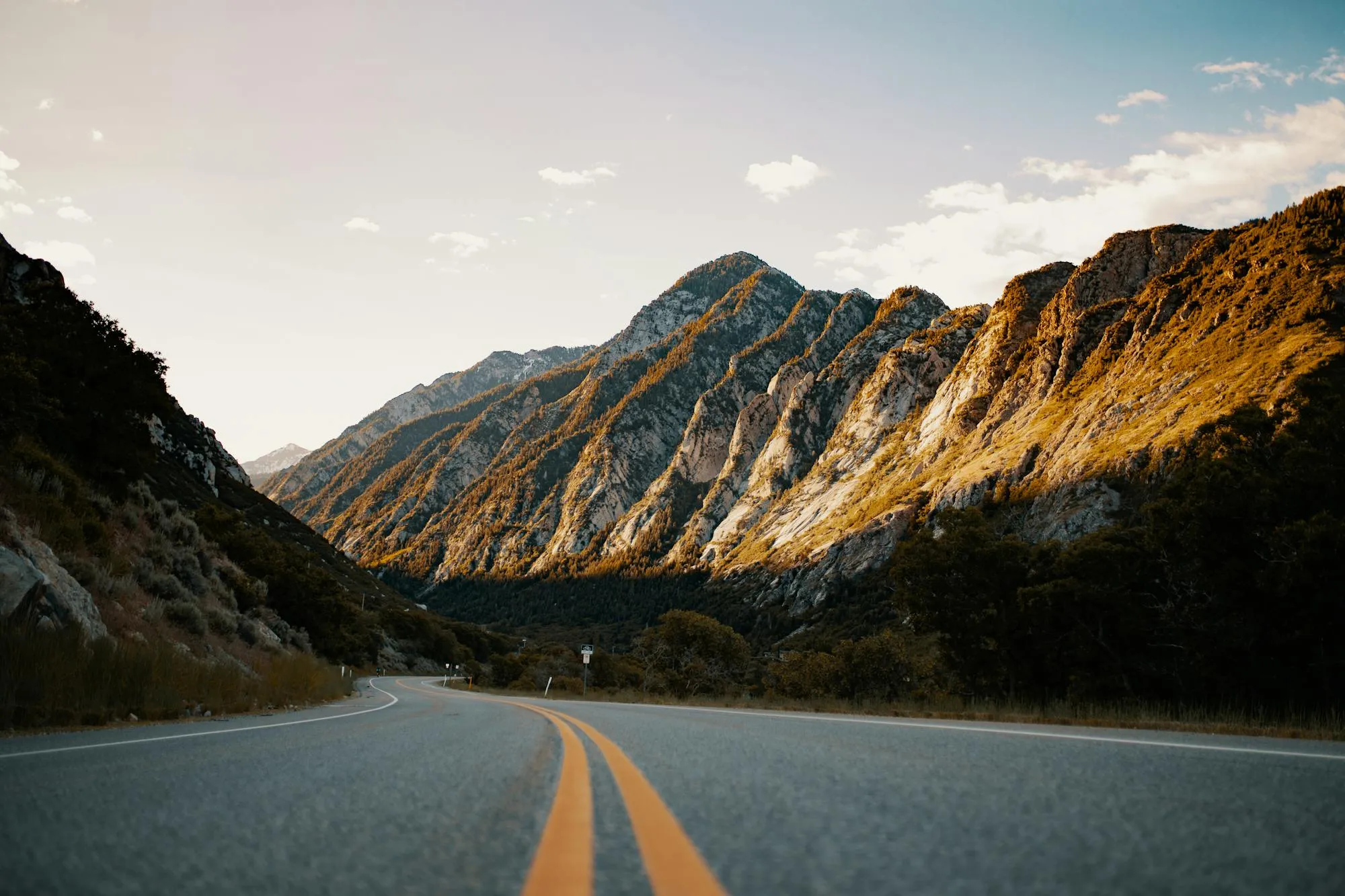
A scenic view of Angeles Crest Highway winding through rugged Southern California canyon terrain. Rocky mountainsides with golden earth tones frame the asphalt road with tight sweeping curves. Double yellow center line visible, sparse vegetation along the shoulders, clear blue sky with white clouds. Daylight, dry conditions. Iconic location for canyon-road enthusiasts.
Josh Sorenson / Pexels

Best motorcycle for Angeles Crest?

This is your bike on a Sunday morning run, sharp, light, and precise where the road gets technical. Just accept that you'll be working the gearbox hard and that the ride home in traffic won't be comfortable.

Made for Angeles Crest Highway · Coronado Trail / US 191 · Highway 1 / Big Sur
Best motorcycle for Laguna Seca?

Built for exactly what you do. Fully adjustable suspension, a slipper clutch, and huge lean clearance out of the box. Budget for a rear shock if you start chasing consistent lap times.

Made for Barber Motorsports Park · WeatherTech Raceway Laguna Seca · Circuit of the Americas

Best motorcycle for Tail of the Dragon?

The agility and chassis feedback suit tight Appalachian corners perfectly. The tall gearing and thin midrange mean constant downshifts on slower sections, which some riders enjoy and some don't.

Made for Back of the Dragon · Blue Ridge Parkway · Cherohala Skyway

What's new versus the previous generation

If you're cross-shopping the older generation, here's what changed.

Kawasaki Ninja ZX-6R (MY2005)

Previous generation · 2005–2006

Kawasaki Ninja ZX-6R (MY2005)

Stable Fast Precise No Apologies

Compare to the previous model →