
Triumph Daytona 650 (MY2005) — Supersport
Triumph Press

2005 · Supersport · Buyer's Guide

Daytona 650 (MY2005)

3.5 / 5 NastyNils Rating · against its class

The One-Year British Weapon

The Machine's Character

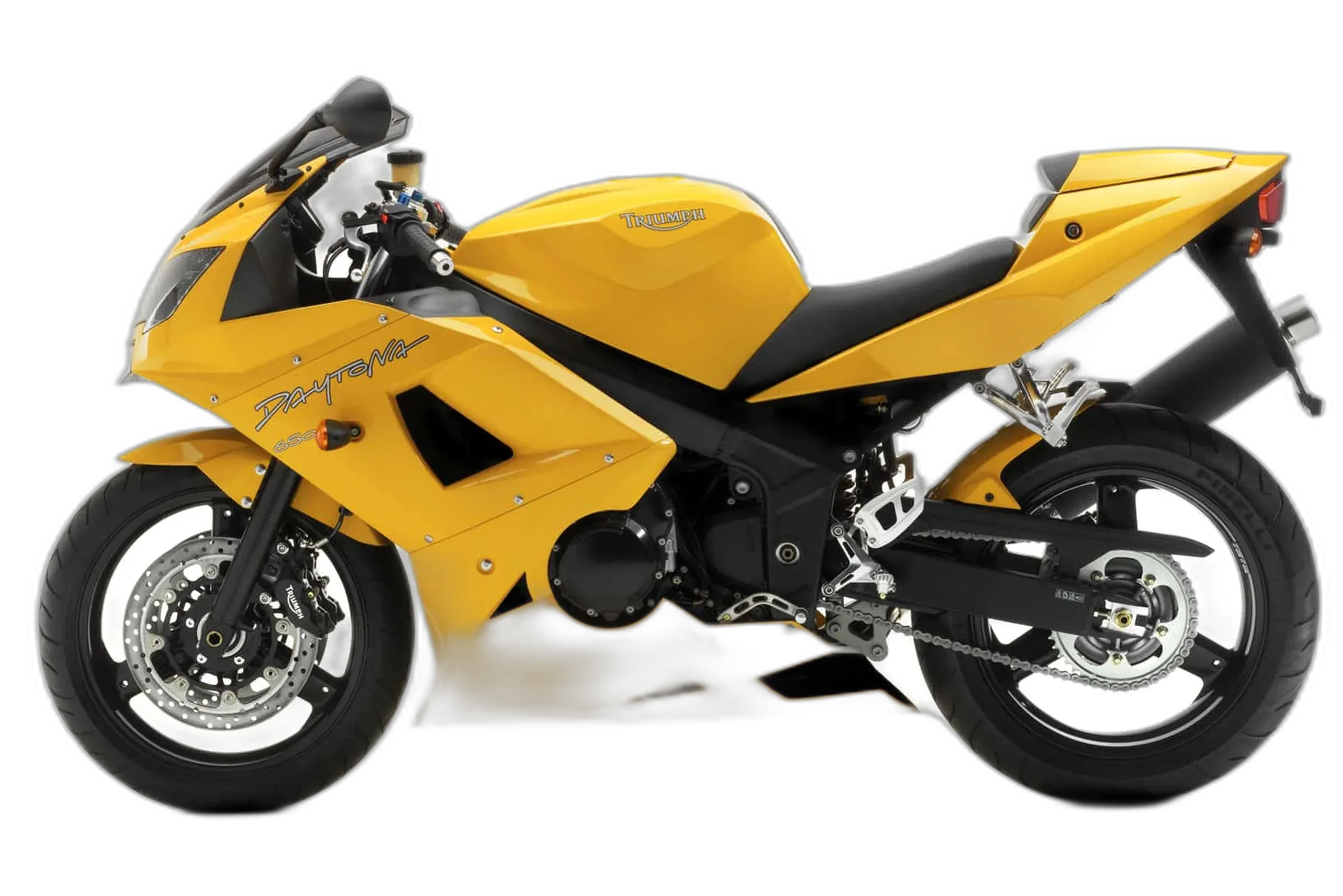
Triumph built the Daytona 650 for a single model year, and it reads that way. A 646 cc inline-four makes 112 hp at 12,500 rpm and 51 lb-ft at 11,500 rpm, wrapped in bodywork that never tried to look like anything from the far side of the world. At 364 lb wet it is genuinely light, and the chassis is what stays with you: adjustable suspension at both ends, 12.1 in (308 mm) front discs, and nothing electronic sitting between your right wrist and the rear tire. The character here is in the hardware, not in a menu.

This is a road bike first. The power arrives in a clean, predictable line rather than a hit, so it rewards riders who like carrying speed through a corner instead of firing out of it, and the roomy 32.1 in seat and open cockpit mean you can ride it all day without folding yourself in half. It suits an experienced rider who wants a characterful sportbike for real roads and the occasional track session. The honest caveat is age: the charging system is the known weak spot, it gets hot in slow traffic, and at 29 mpg with a 4.8 gal tank you are looking for fuel a little under 140 miles in.

Hard Numbers

Spec sheets don't ride bikes, but they set the baseline.

Show full specs & equipment Hide specs & equipment
Key specifications
Power 112 hp (84 kW) @ 12,500 rpm
Torque 51 lb-ft (69 Nm) @ 11,500 rpm
Displacement 646 cc
Engine Inline-four
Cooling Liquid-cooled
Gearbox 6-speed
Final drive Chain
Front brake 308 mm
Front tire 120/70-17
Rear tire 180/55-17
Seat height 32.1 in (815 mm)
Fuel capacity 4.8 gal (18 L)
Top speed 160 mph (257 km/h)
Fuel economy 29 mpg (US)

Equipment check

Chassis

  • Front Suspension Adjustable Standard
  • Rear Suspension Adjustable Standard
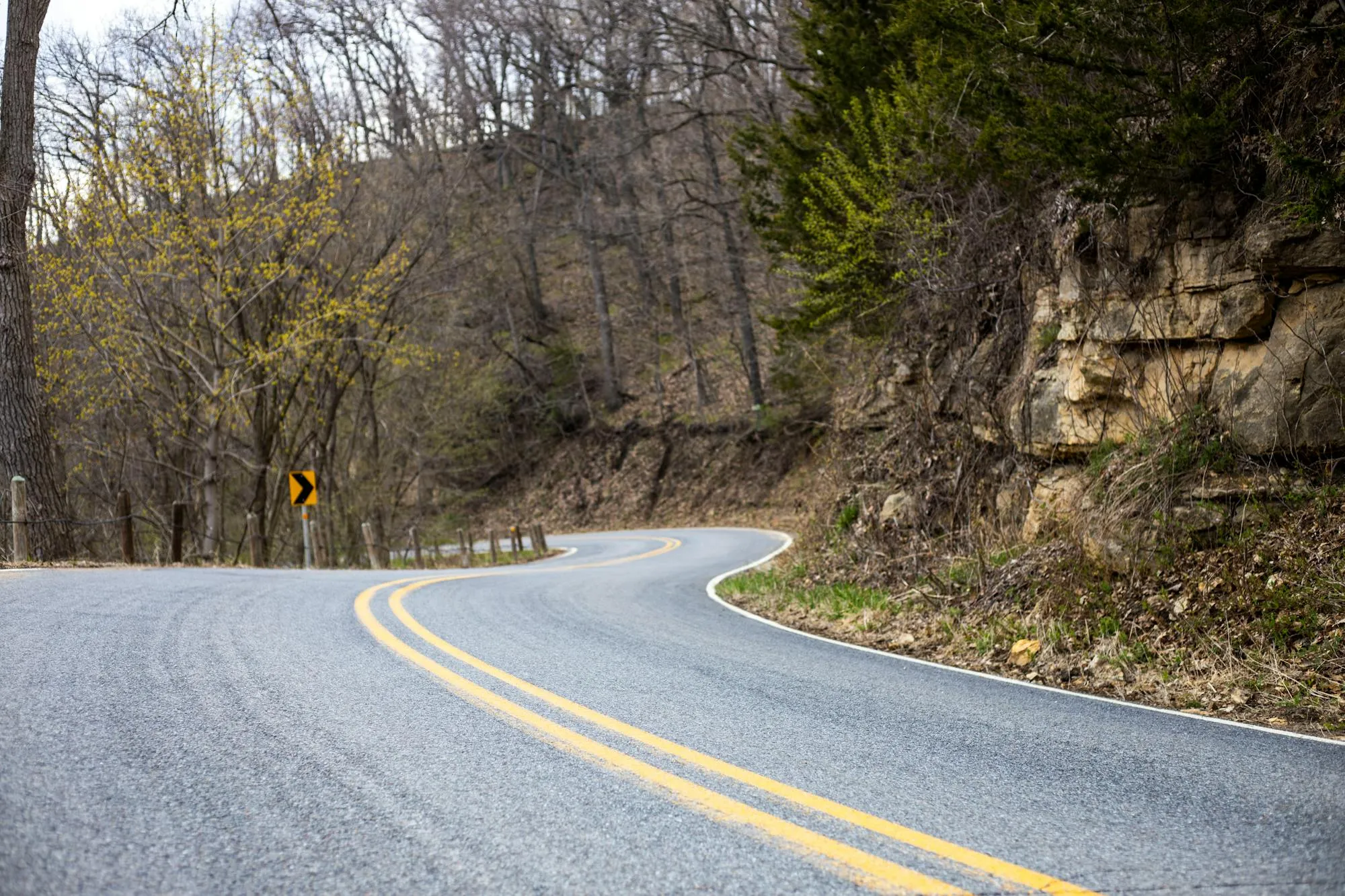
A winding two-lane asphalt road in the Appalachian mountains, photographed in dry daylight. Yellow double-center line markings guide through a series of tight left-hand curves. Dense deciduous and evergreen forest flanks both sides; a rock cut is visible on the right. The road surface and geometry suggest a technical, high-traffic riding corridor popular with motorcyclists.
Chris Flaten / Pexels

The Truth on the Street

Much of what I know about living with this bike comes from years of listening to other riders: paddock talk, long conversations with owners, club nights, and the messages riders send me once they've put real miles on one. With the Daytona 650 the story is consistent. Riders praise the engine's pull and the chassis, and the complaints that keep coming back are about finish, the stock screen and the gearbox.

Pull where a 600 usually doesn't

The thing owners bring up first is how much the engine pulls lower in the rev range compared with the typical 600. Riders say they spend far less time working the gear lever to stay in the power, and they describe how predictable it stays when they ride it hard. On the chassis side, riders consistently mention how composed it stays when they trail-brake into a corner. They talk about it turning in cleanly and staying stable while they're still on the brakes. Owners also like that the bike is rare. They like its British look and that it stands apart from the usual crowd of Japanese middleweights. Some owners add that it cost less than its rivals when new and that used prices still look fair for the performance.

Paint, screen and a stubborn gearbox

The recurring gripes are about ownership rather than riding. Owners report corrosion showing up in hidden places, and paint that picks up stone chips and weathers. The small stock screen is another common complaint, with riders describing neck fatigue on longer trips. The gearbox comes up often too. Riders say it's better than the one in the 600 it replaced, but shifts still feel notchy and it can find false neutrals, mostly when it's cold. A smaller group of owners mention the front brake lever going soft over time, and say it often needs bleeding to get a firm feel back.

Known issues

  • Regulator/rectifier and stator problems

    electrics occasional

    Several owners report electrical charging system failures linked to the regulator/rectifier or stator, often leading to a flat battery.

  • Clutch cut-out switch failure

    electrics occasional

    The clutch cut-out switch can become sticky or worn, preventing the bike from starting. Also applies to the sidestand switch.

  • Overheating in heavy traffic

    cooling occasional

    The bike can overheat when stationary or moving slowly in traffic, with temperatures reaching 248°F (120°C).

The Expert Benchmark

Where this Triumph Daytona 650 pulls ahead of — or falls behind — its rivals on the numbers, and the typical bike in its class on character.

What kind of bike this is — character vs. the class

This bike Class average

The shape of the Triumph Daytona 650 — numbers and character vs. the average Supersport

Head-to-head: Triumph Daytona 650 vs. its rivals

The Handshake Score

Forget spec-sheet bragging. Here's who the Daytona 650 is actually built for.

A scenic view of Angeles Crest Highway winding through rugged Southern California canyon terrain. Rocky mountainsides with golden earth tones frame the asphalt road with tight sweeping curves. Double yellow center line visible, sparse vegetation along the shoulders, clear blue sky with white clouds. Daylight, dry conditions. Iconic location for canyon-road enthusiasts.
Josh Sorenson / Pexels

Best motorcycle for Angeles Crest?

Light steering and lean angle to burn are exactly what a good canyon road asks for. You get unfiltered feedback from the front tire, and nothing electronic softening a mistake, so ride it accordingly.

Made for Angeles Crest Highway · Coronado Trail / US 191 · Highway 1 / Big Sur
Best motorcycle for Tail of the Dragon?

Tight, repeating corners suit it well. It changes direction with almost no effort and holds the line you choose, though on a damp mountain morning the missing ABS and traction control are all on you.

Made for Tail of the Dragon · Back of the Dragon · Blue Ridge Parkway