·

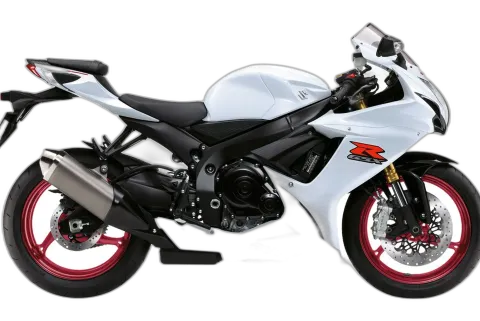
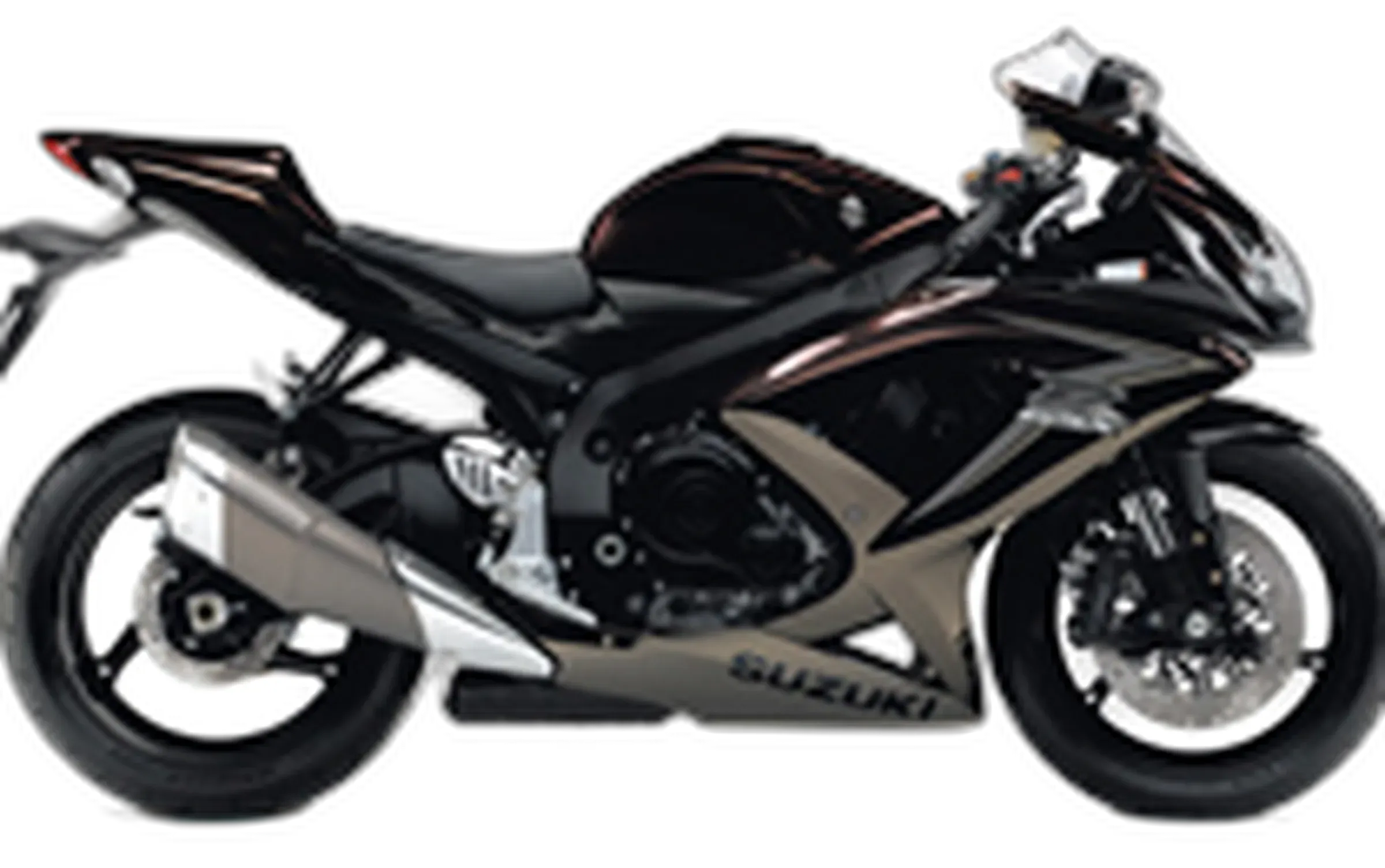
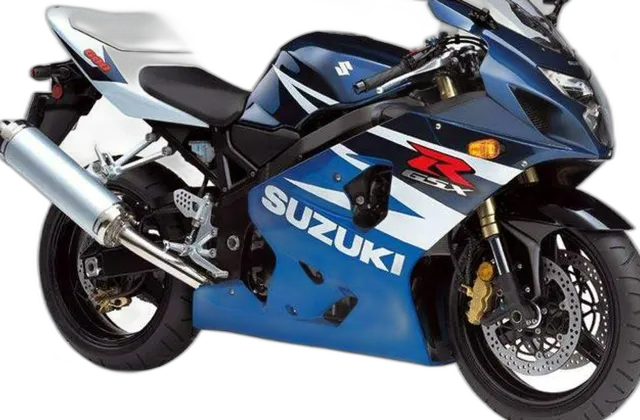
Suzuki GSX-R 750 (K8) — Supersport
Suzuki Press

2008–2010 · Supersport · Buyer's Guide

GSX-R 750 (K8)

Middleweight With Literbike Grip

The Machine's Character

The 750 sits between two classes and answers to neither. 749 cc of liquid-cooled inline-four making 150 hp at 13,200 rpm and 64 lb-ft at 11,200 rpm, carried by a compact twin-spar aluminum chassis it shares with the GSX-R 600. That combination gives it mid-range a 600 simply cannot produce, in a bike that still turns like one. The electronics list is short and deliberate: ride modes to pick the engine map, and past that the bike hands you the throttle and expects you to use it. Suspension is adjustable at both ends, and the slipper clutch and steering damper are part of the deal.

It rides like a machine built by people who ride. 437 lb wet, a 31.9 in seat and a 54.7 in wheelbase add up to something you can wind all the way out and still feel in charge of, which is the entire argument for this displacement. It fits the rider who wants genuine pace on a Sunday without needing racing credentials to reach it. Age is the caveat. The voltage regulator is the known weak point on older examples, the water pump can seep and the coolant has to go out on schedule, and Suzuki recalled certain 2008–2009 bikes over a front brake master cylinder issue. Check the paperwork before money changes hands.

Hard Numbers

Spec sheets don't ride bikes, but they set the baseline.

Show full specs & equipment Hide specs & equipment
Key specifications
Power 150 hp (110 kW) @ 13,200 rpm
Torque 64 lb-ft (86 Nm) @ 11,200 rpm
Displacement 749 cc
Engine Inline-four
Cooling Liquid-cooled
Gearbox 6-speed
Final drive Chain
Fork Upside-down (USD)
Front brake 310 mm
Front tire 120/70-17
Rear tire 180/55-17
Wheelbase 54.7 in (1390 mm)
Seat height 31.9 in (810 mm)
Wet weight 437 lb (198 kg)
Fuel capacity 4.5 gal (17 L)
Top speed 177 mph (285 km/h)
Fuel economy 36 mpg (US)

Equipment check

Chassis

  • Front Suspension Adjustable Standard
  • Rear Suspension Adjustable Standard
  • Steering Damper Standard

Drivetrain

  • Slipper Clutch Standard

Safety

  • Ride Modes Standard

The Voice of Experience

Portrait of NastyNils

The test ride

You climb on and the bike reads immediately. Bars, pegs and controls land where your body expects them, so there is no adaptation lap spent learning the machine instead of the road. That fit holds across wildly different riders: a short, stocky tester and a tall, athletic one rode it back to back at the same circuit with nothing adjusted, and both were at home inside a lap. Your left foot notices the gearbox first, short throws with a positive click every time, so you always know what gear you are in. For a committed supersport the riding position gives more back than the class usually does, aggressive enough to work hard, forgiving enough that a long road day does not grind you down. It reached a starting grid with 155 miles (250 km) showing, factory settings plus a quick tighten, and never complained.

Rated point by point — where it earns its keep

My own 0–100 score for this bike against the class, area by area — the marker on each bar is the class average.

The chassis asks almost nothing of me, and that is the headline. Set it on the inside line of a long sweeper and it stays there, no drift and no drip-feed of corrections to keep it honest, and it comes off the far side going where I pointed it instead of washing wide. The steering answers on the first ask; the bike is committed before I have finished the input, with no build-up to work through. Braking hard disturbs none of that. Load the front on an aggressive entry and it stays defined rather than turning vague, and the anti-hop clutch takes the rear out of the equation on hard downshifts, so corner entry stops being two jobs at once. Precision held when a race forced me onto a tighter, later line than the one I had planned. The front simply took it and put me where I asked. The bigger motor costs this chassis nothing: entry stays immediate, accuracy stays high, and nothing in the way it changes direction suggests extra mass underneath. My clearest evidence came at a race weekend. I put one on the grid with 155 miles (250 km) showing, factory suspension settings, everything nipped up a notch by feel at the gate, and it ran clean at race pace all the same. Two things want attention before you lean on it properly. The electronic steering damper reads soft once the pace climbs, and the standard damping is a road setting that needs winding up hard at both ends ahead of a serious session.

The limit here is not theoretical. I could wind it fully out and still feel that every decision leaving a corner was mine, so getting near the top of it takes no race license and no season spent learning the machine's habits. The power level is the reason. It sits right at the edge of what a quick amateur can genuinely put down at corner exit, which keeps the day about riding the whole motorcycle rather than rationing it. Pace shows up early, too. Standard bike, a few minutes with the adjusters at the paddock gate, and the times were there before I had the thing fully worked out. Nothing steps between you and the drive beyond the riding modes reading your inputs: no cornering ABS, no wheelie control, no launch control. Riders who went from a small sportbike up to a superbike and then came back keep telling me that directness is why they stopped here.

The displacement lands in a productive middle ground that neither a smaller nor a bigger bike reaches. Through the midrange there is genuine drive, enough to fire you out of a corner in a way a 600 has no answer for, and that is the part you feel everywhere you ride. Where the delivery stops matters just as much. It never crosses into the territory where hanging on gets in the way of riding well, so you are riding the thing rather than aiming it.

The front lever gives a clean, readable pressure point, which on a bike this quick is the first thing I look for. The harder proof came over a day of sustained punishment: races run back to back with free riding piled in between, on standard pads and standard lines. Nothing faded. The bite point sat exactly where it started, from the opening session to the last, and endurance like that on untouched hardware is not something you can take for granted.

This one wants an owner who pays attention. The voltage regulator is the known weak spot on older examples, announcing itself as irregular charging and flickering lights, with a MOSFET replacement the accepted cure. Cooling deserves two checks: water pumps can weep with age, coolant under the engine being the giveaway, and coolant left past its interval corrodes internally until the bike runs hot. Shift linkage wears as well, and missed or vague gates follow. Tired stock dampers send owners to aftermarket suspension, and they report the gain is real.

Two riders built nothing alike, one short and stocky, one tall and lean, took the same bike around the same circuit back to back, and neither of us moved a control before feeling settled. The contact points land where your body expects them regardless of build, and this class does not hand that out often. The bike is legible from the opening lap as well. There is no adaptation period and no time spent working out where everything sits, so lap one goes on the corners instead of on yourself. For a machine this committed the payoff carries onto the road. The stance is aggressive enough to work when you raise the pace and forgiving enough that a long day does not grind you down.

Nothing was held back for the options list. Gear indicator, electronic steering damper, slipper clutch and adjustable footpegs all arrive as standard. The gearing is where I would argue with the factory. The stock ratios run long enough that the motor never properly reaches its powerband on the road, so a tooth off the front sprocket is the first job, and anyone planning track days should rework the secondary ratio at both ends.

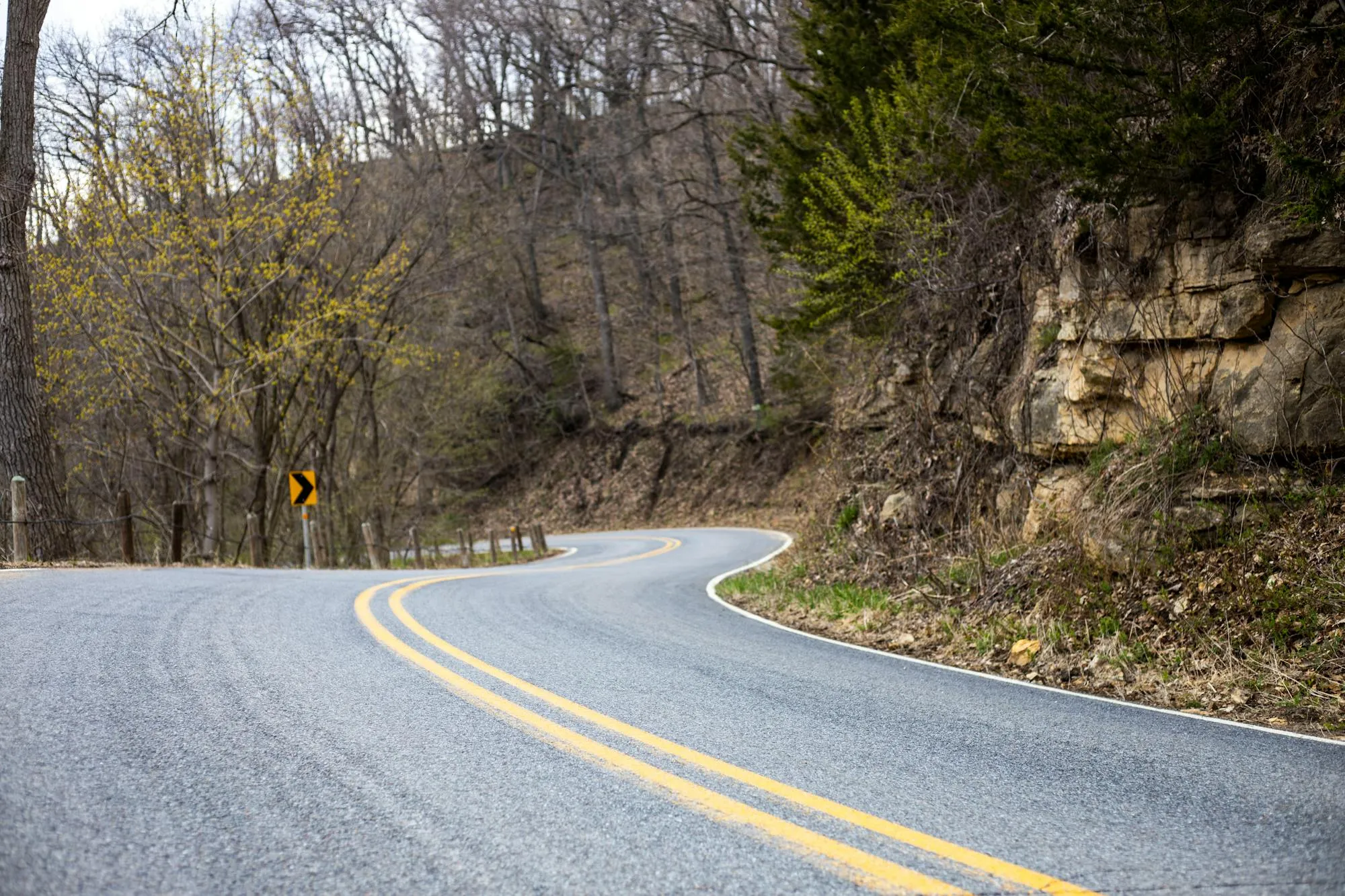
A winding two-lane asphalt road in the Appalachian mountains, photographed in dry daylight. Yellow double-center line markings guide through a series of tight left-hand curves. Dense deciduous and evergreen forest flanks both sides; a rock cut is visible on the right. The road surface and geometry suggest a technical, high-traffic riding corridor popular with motorcyclists.
Chris Flaten / Pexels

The Truth on the Street

This one isn't my seat time. It's what has reached me over the years from people who own them: talk in the pits, riders stopping me at events, club evenings, messages sent straight to my inbox.

Where the agreement is strongest

The engine leads every conversation. Owners keep coming back to the pull in the middle of the rev range, in a package that never feels like the handful a big-bore bike can be, on the street as much as on a circuit. Handling is the second cluster: a front end that goes where it is aimed and stays settled once leaned over, described that way by beginners and quick riders alike. Many run track days on near-standard bikes, and the plain mechanics keep servicing simple.

The gripes that keep coming back

Comfort is the loudest complaint by a wide margin: low clip-ons, pegs set back, and a lean onto the wrists that leaves hands and lower back paying for a long street day. The empty electronics list comes next, mostly from less experienced owners who lose confidence once the road is wet. Carrying a passenger or gear runs into a tight pillion seat and nowhere for luggage. A smaller group mentions heat on the right leg once traffic slows.

Known issues

  • Front brake master cylinder recall (2008–2009)

    brakes rare Recall

    Suzuki issued a recall covering certain 2008–2009 GSX-R 600 and 750 models for a potential front brake master cylinder issue that could reduce braking effectiveness.

  • Regulator/rectifier failure

    electrics common

    The voltage regulator/rectifier is a known weak point across GSX-R models of this era, sometimes overheating and failing, which can cause charging system problems or battery drain.

  • Cam chain tensioner failure

    engine occasional

    The hydraulic cam chain tensioner can fail or release pressure, causing a noticeable rattle at startup or under load. Suzuki issued an updated tensioner part as a fix.

  • Fuel pump and tank breather issues

    fuel system occasional

    Some owners report fuel pump failures or tank breather/vent clogging causing hard starting or fuel starvation under load.

  • Exhaust valve servo motor problems

    exhaust occasional

    The SET (Suzuki Exhaust Tuning) servo motor or its cables can stick or fail, sometimes triggering a fault code and degraded midrange performance.

  • Side stand cutout switch failures

    electrics occasional

    The side stand safety switch can corrode or fail, preventing the bike from starting or causing it to die when shifted into gear.

The Expert Benchmark

Where this Suzuki GSX-R 750 pulls ahead of — or falls behind — its rivals on the numbers, and the typical bike in its class on character.

What kind of bike this is — character vs. the class

This bike Class average

The shape of the Suzuki GSX-R 750 — numbers and character vs. the average Supersport

Head-to-head: Suzuki GSX-R 750 vs. its rivals

The Handshake Score

Forget spec-sheet bragging. Here's who the GSX-R 750 is actually built for.

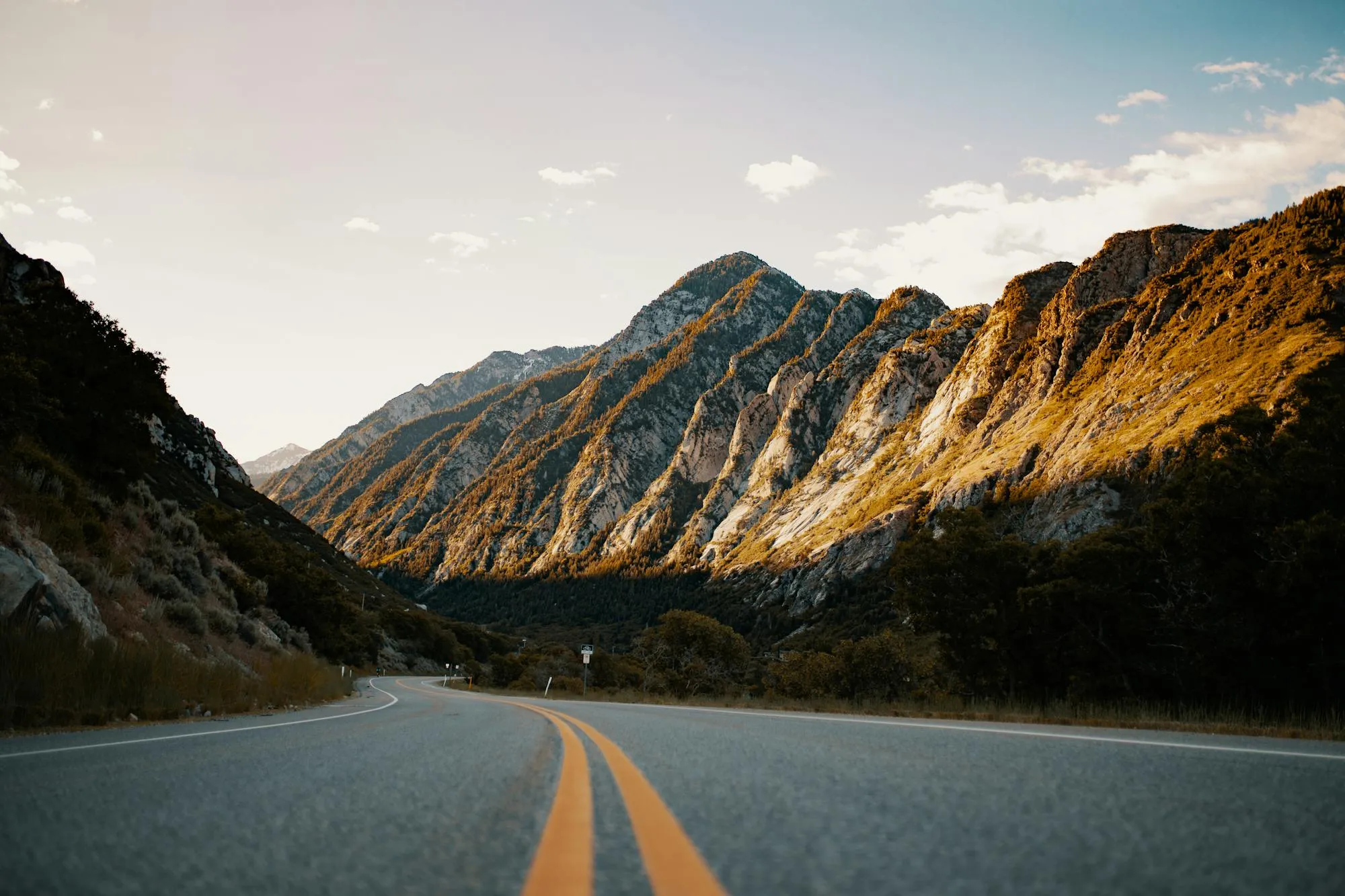
A scenic view of Angeles Crest Highway winding through rugged Southern California canyon terrain. Rocky mountainsides with golden earth tones frame the asphalt road with tight sweeping curves. Double yellow center line visible, sparse vegetation along the shoulders, clear blue sky with white clouds. Daylight, dry conditions. Iconic location for canyon-road enthusiasts.
Josh Sorenson / Pexels

Best motorcycle for Angeles Crest?

This is the bike for Angeles Crest weekends. It holds the inside line without coaching, carries mid-range that pulls you out of second-gear corners, and the position won't wreck you on the ride home.

Made for Angeles Crest Highway · Coronado Trail / US 191 · Highway 1 / Big Sur
Best motorcycle for Tail of the Dragon?

On the Dragon and Cherohala this rewards technique over horsepower. Turn-in is immediate, the front stays composed under heavy braking, and the limit is somewhere you can actually reach.

Made for Back of the Dragon · Blue Ridge Parkway · Cherohala Skyway

Best motorcycle for Laguna Seca?

Bring it stock, spend a few minutes on the clickers at the paddock gate, and the lap times come. You'll want stiffer damping before you push hard, but nothing else is holding you back.

Made for Barber Motorsports Park · WeatherTech Raceway Laguna Seca · Circuit of the Americas

What's new versus the previous generation

If you're cross-shopping the older generation, here's what changed.

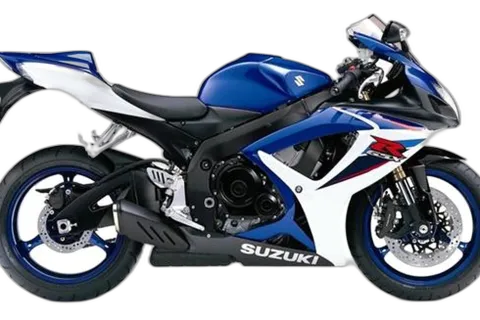
Suzuki GSX-R 750 (K6)

Previous generation · 2006–2007

Suzuki GSX-R 750 (K6)

Last Analog 750 Standing

Compare to the previous model →