Suzuki GSX-R 1000 (K5) — Supersport

2005–2006 · Supersport · Buyer's Guide

GSX-R 1000 (K5)

All Throttle, No Apologies

The Machine's Character

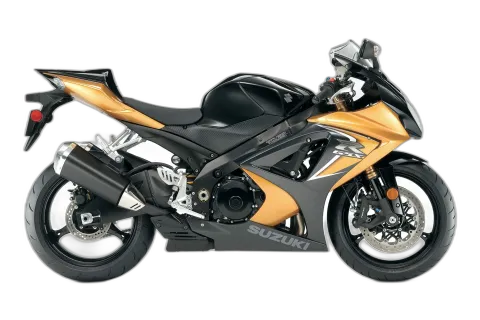
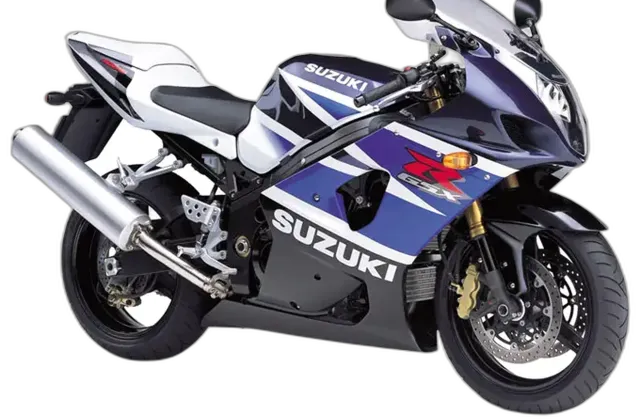
The K5 is the generation where Suzuki got the whole package to line up at once. The 999 cc inline-four makes 178 hp at 11,000 rpm and 87 lb-ft at 8,500 rpm, and it carries all of that on 432 lb wet. What matters just as much is what surrounds it: adjustable suspension front and rear, a steering damper and a slipper clutch fitted from the factory, and a 55.3 in wheelbase that keeps the bike compact without making it nervous. There is no IMU, no traction control, no ride modes. Everything you feel arrives straight from the tires.

It rides lighter than the spec sheet reads, and that is the point of this bike: serious power that stays usable rather than intimidating. It ages well, too. The engine takes real mileage when it gets its services, and parts support runs deep enough that a tired example can be brought back without much drama. The caveat is plain. Nothing here catches you. No ABS, no traction control, no software smoothing over a greedy right hand on a damp road. It suits a rider who already owns the skill, not one hoping to buy it along with the bike.

Hard Numbers

Spec sheets don't ride bikes, but they set the baseline.

Show full specs & equipment Hide specs & equipment
Key specifications
Power 178 hp (131 kW) @ 11,000 rpm
Torque 87 lb-ft (118 Nm) @ 8,500 rpm
Displacement 999 cc
Engine Inline-four
Cooling Liquid-cooled
Gearbox 6-speed
Final drive Chain
Fork Upside-down (USD)
Front brake 310 mm
Front tire 120/70-17
Rear tire 190/50-17
Wheelbase 55.3 in (1405 mm)
Seat height 31.9 in (810 mm)
Wet weight 432 lb (196 kg)
Fuel capacity 4.8 gal (18 L)

Equipment check

Chassis

  • Front Suspension Adjustable Standard
  • Rear Suspension Adjustable Standard
  • Steering Damper Standard

Drivetrain

  • Slipper Clutch Standard

The Voice of Experience

Portrait of NastyNils

The test ride

You notice the size first. The K5 is physically small around the tank, and the bars sit low enough that your weight lands on your wrists at a standstill and lifts off them the moment you start moving. Seat height is 31.9 in, so most riders get a boot flat on the pavement. The four is quiet at idle, then turns hard and metallic as the revs build, with a fine buzz coming through the pegs that never grows into a nuisance. Everything you touch is telling you something. The tank locks your legs in, the fork talks back through the bars, and the whole machine feels short and tight underneath you at road pace. It asks for your attention. Ride it lazily for ten minutes and it feels like too much bike; ride it properly and it shrinks around you.

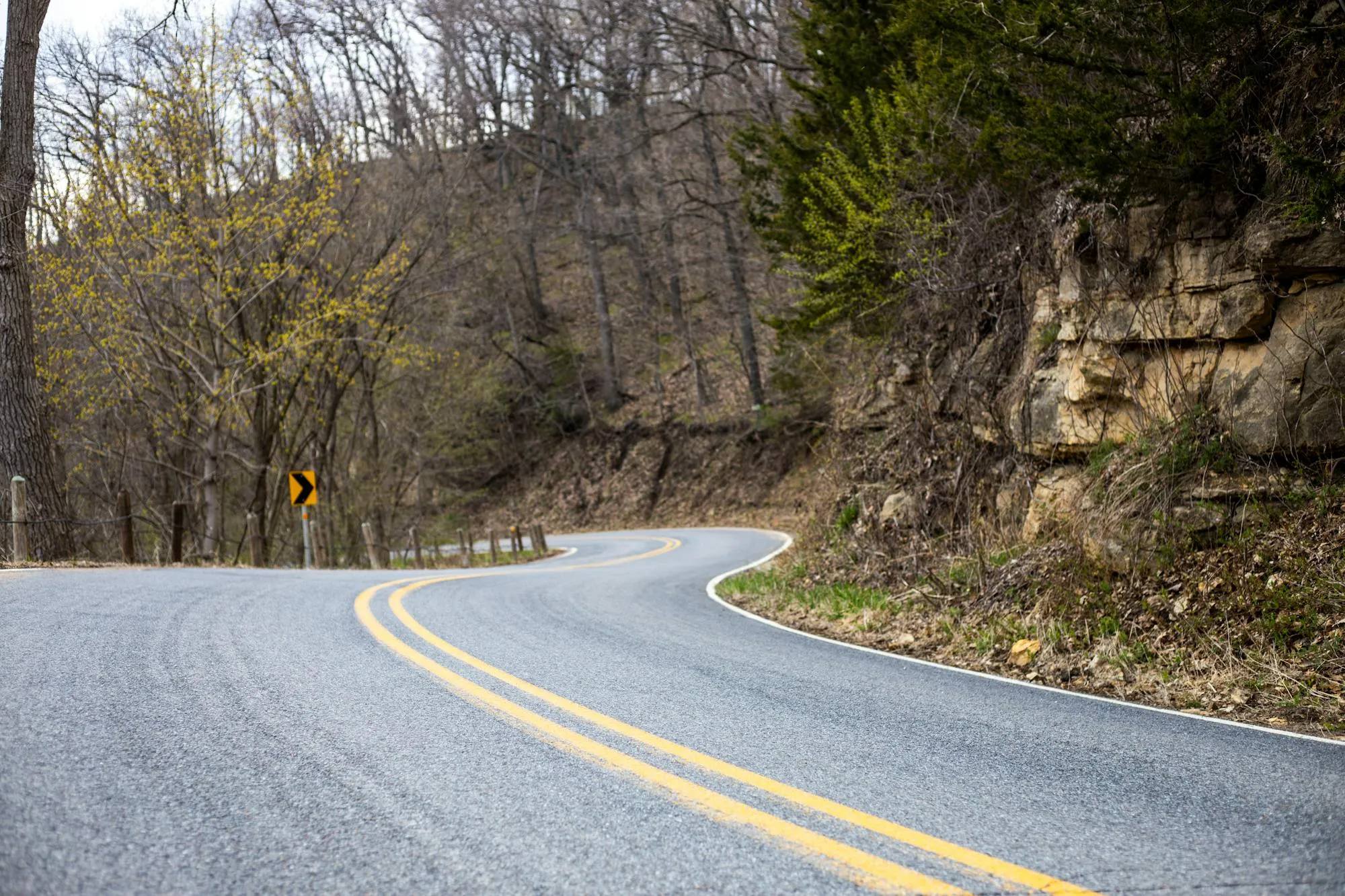
A winding two-lane asphalt road in the Appalachian mountains, photographed in dry daylight. Yellow double-center line markings guide through a series of tight left-hand curves. Dense deciduous and evergreen forest flanks both sides; a rock cut is visible on the right. The road surface and geometry suggest a technical, high-traffic riding corridor popular with motorcyclists.
Chris Flaten / Pexels

The Truth on the Street

None of this comes from a press kit. It's what I've picked up over years of paddock talk, club nights, owner conversations, and the messages riders send me directly. On the K5 the chatter is remarkably consistent, and it splits cleanly between what the bike does and what it asks of you.

What owners bring up first

Riders go to the engine first, every time. They describe clean pull from low revs and a hard rush at the top, and they use it as their yardstick for open-class power. Durability follows close behind. Owners report big mileages without major trouble as long as the servicing gets done. Praise for the chassis is steady too, planted and precise, and the brakes get called strong with good feel at the lever.

The gripes that keep coming back

The riding position draws the most complaints. Owners say the low bars and high pegs turn punishing on long stints, and that comfort was never part of the bargain. A smaller group mentions fueling that goes abrupt coming off a closed throttle and makes town riding jerky, though tuning is said to clean it up. Corrosion comes up as well, with fasteners and finish going shabby if the bike isn't kept after, especially in wet climates.

Known issues

  • Spongy front brake lever (recall)

    brakes common Recall

    A defective front brake master cylinder can cause corrosion and gas accumulation, leading to a spongy lever and extended stopping distances. Suzuki issued a safety recall (NHTSA #13V‑604) in November 2013 to replace the master cylinder with an improved design.

  • Frame cracking under extreme stress (recall)

    chassis rare Recall

    Suzuki issued voluntary safety recall #2A08 in January 2009 for all 2005‑2006 GSX‑R1000 motorcycles. Cracking could occur behind the steering neck from repeated hard landings (wheelies, stunts) or collisions involving the front wheel. Dealers installed a reinforcement brace or replaced the frame if cracked.

  • Gearbox wear and shifting issues

    drivetrain occasional

    High mileage or aggressively ridden examples can exhibit worn gear dogs and shift forks, making shifts difficult, especially into 2nd and 6th gear. The clutchless upshift technique sometimes adopted by riders can accelerate this wear.

The Expert Benchmark

Where this Suzuki GSX-R 1000 pulls ahead of — or falls behind — its rivals on the numbers, and the typical bike in its class on character.

What kind of bike this is — character vs. the class

This bike Class average

The shape of the Suzuki GSX-R 1000 — numbers and character vs. the average Supersport

Head-to-head: Suzuki GSX-R 1000 vs. its rivals

The Handshake Score

Forget spec-sheet bragging. Here's who the GSX-R 1000 is actually built for.

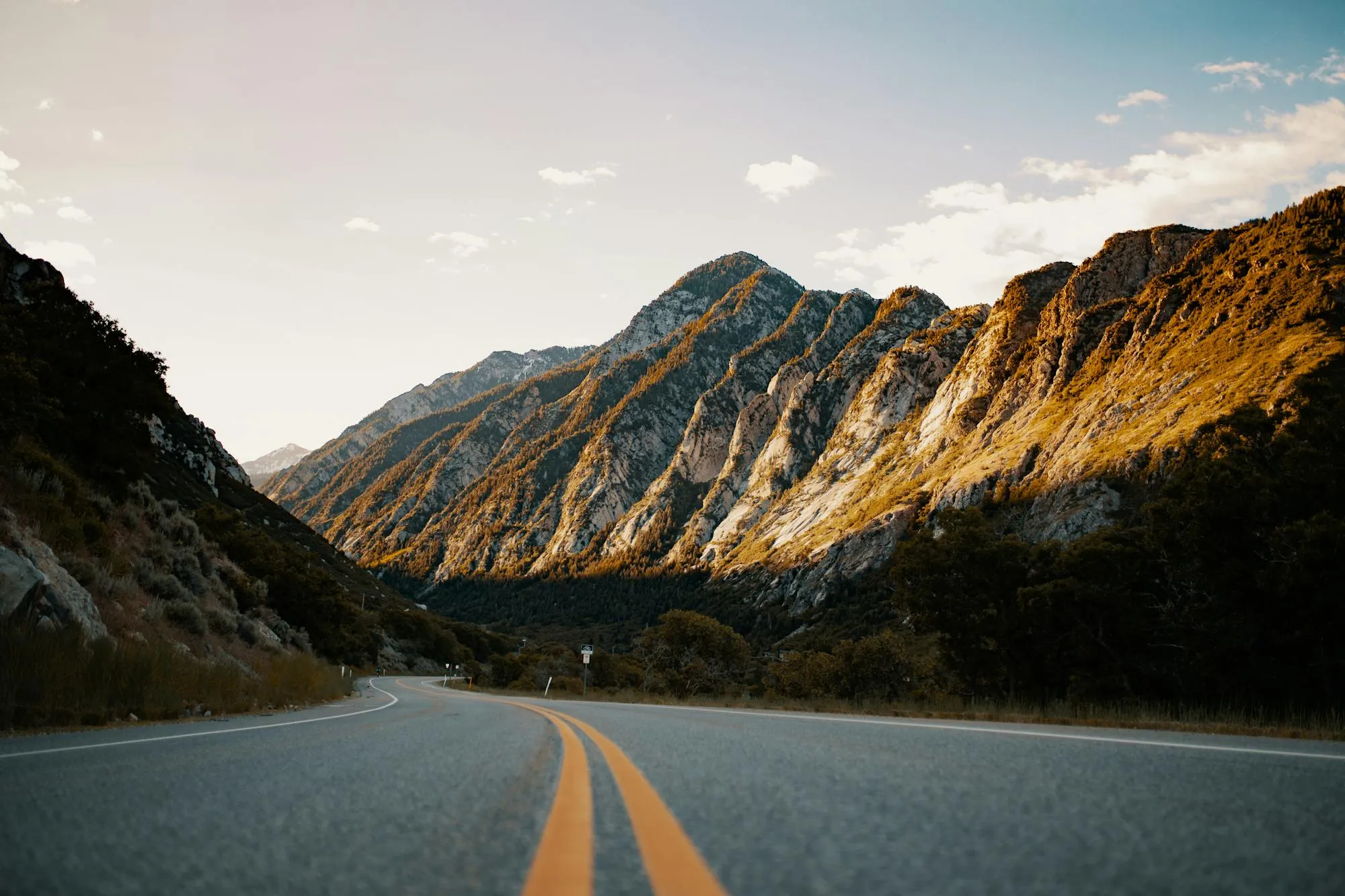
A scenic view of Angeles Crest Highway winding through rugged Southern California canyon terrain. Rocky mountainsides with golden earth tones frame the asphalt road with tight sweeping curves. Double yellow center line visible, sparse vegetation along the shoulders, clear blue sky with white clouds. Daylight, dry conditions. Iconic location for canyon-road enthusiasts.
Josh Sorenson / Pexels

Best motorcycle for Angeles Crest?

On Angeles Crest this bike is in its element: deep lean clearance, honest feedback, and enough drive to shrink the straights. Just remember nothing steps in for you when the pavement turns dusty.

Made for Angeles Crest Highway · Coronado Trail / US 191 · Highway 1 / Big Sur
Best motorcycle for Laguna Seca?

For lapping days it still stacks up: light, adjustable at both ends, with a slipper clutch and steering damper already fitted. The electronics work is done by your right wrist instead.

Made for Barber Motorsports Park · WeatherTech Raceway Laguna Seca · Circuit of the Americas

Best motorcycle for Tail of the Dragon?

The Dragon and Cherohala suit the chassis, though most of the 178 hp goes unused there. You will lean on ground clearance and front-end feel far more than the engine, and every mistake stays yours.

Made for Back of the Dragon · Blue Ridge Parkway · Cherohala Skyway

What's new versus the previous generation

If you're cross-shopping the older generation, here's what changed.

Suzuki GSX-R 1000 (K3)

Previous generation · 2003–2004

Suzuki GSX-R 1000 (K3)

The Screamer That Corners

Compare to the previous model →