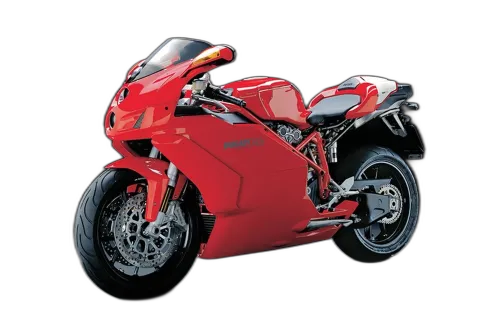
Ducati 999S (MY2005) — Supersport
Ducati Press

2005–2006 · Supersport · Buyer's Guide

999S (MY2005)

Twin Sound, Serious Bite

The Machine's Character

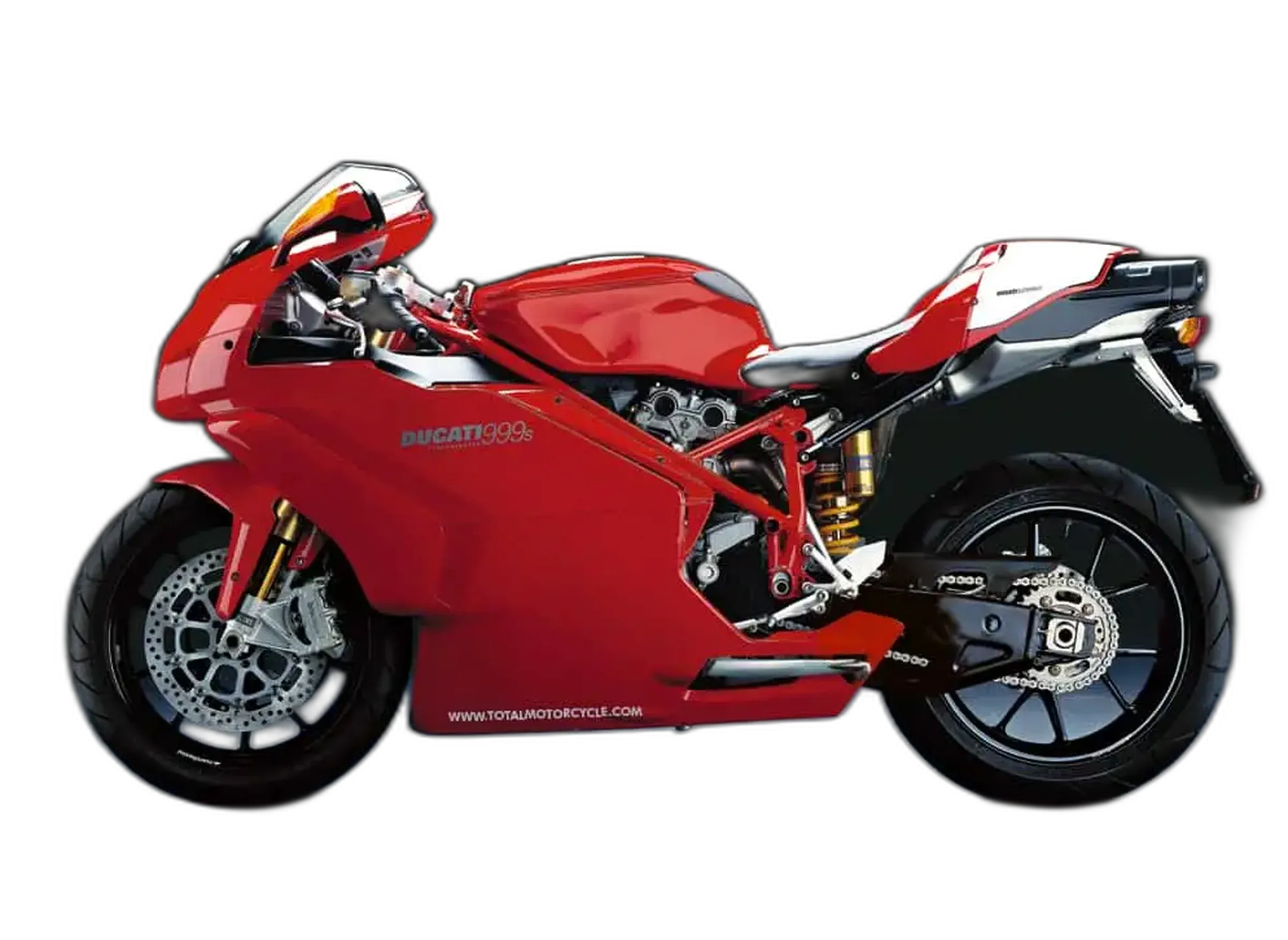
The 999S sits at the sharp end of the 999 line, built around a 998 cc liquid-cooled Testastretta L-twin making 143 hp and 82 lb-ft. Öhlins hardware, full adjustability front and rear, and a steering damper are standard equipment here, not a shopping list you work through later. Pierre Terblanche gave it stacked headlights, hard angular bodywork and a double-sided swingarm, and that shape still splits a parking lot. What gets less credit is the engineering underneath it. This is a race chassis with a license plate, and the way it holds a line is the point of the whole machine.

On decent pavement it is precise and stays composed when you lean on it, but it asks for commitment in return. The riding position is long and low, the twin wants revs used deliberately, and there is no traction control, no ABS, no ride modes. Grip management is your job. That makes it a bike for an experienced rider who wants direct answers and gets rewarded for clean inputs, not for someone looking to be caught by software. The honest caveat is ownership. The fuel system and the electrics need watching, and a neglected 999S will make that clear quickly.

Hard Numbers

Spec sheets don't ride bikes, but they set the baseline.

Show full specs & equipment Hide specs & equipment
Key specifications
Power 143 hp (105 kW)
Torque 82 lb-ft (112 Nm)
Displacement 998 cc
Engine L-twin
Cooling Liquid-cooled
Gearbox 6-speed
Final drive Chain
Front brake 320 mm
Front tire 120/70-17
Rear tire 190/50-17
Seat height 30.7 in (780 mm)
Wet weight 439 lb (199 kg)
Fuel capacity 4.1 gal (15.5 L)

Equipment check

Chassis

  • Front Suspension Adjustable Standard
  • Rear Suspension Adjustable Standard
  • Steering Damper Standard

The Voice of Experience

Portrait of NastyNils

The test ride

The noise gets you first. Thumb the starter and the L-twin settles into a hard, uneven idle, and at road pace it fills the entire cockpit with a sound no four-cylinder gets close to. Vibration arrives through the pegs and the tank, mechanical rather than tiring. The position is genuinely committed: narrow tank, high pegs, a 30.7 in seat that puts you over the front wheel, and your wrists carry real load at walking pace. Once airflow builds, that weight lifts off your hands and everything makes sense. At 439 lb wet it feels compact underneath you rather than heavy, and the front end sends a steady stream of information up through the bars. Twenty minutes in you stop thinking about the motorcycle and start reading the road ahead.

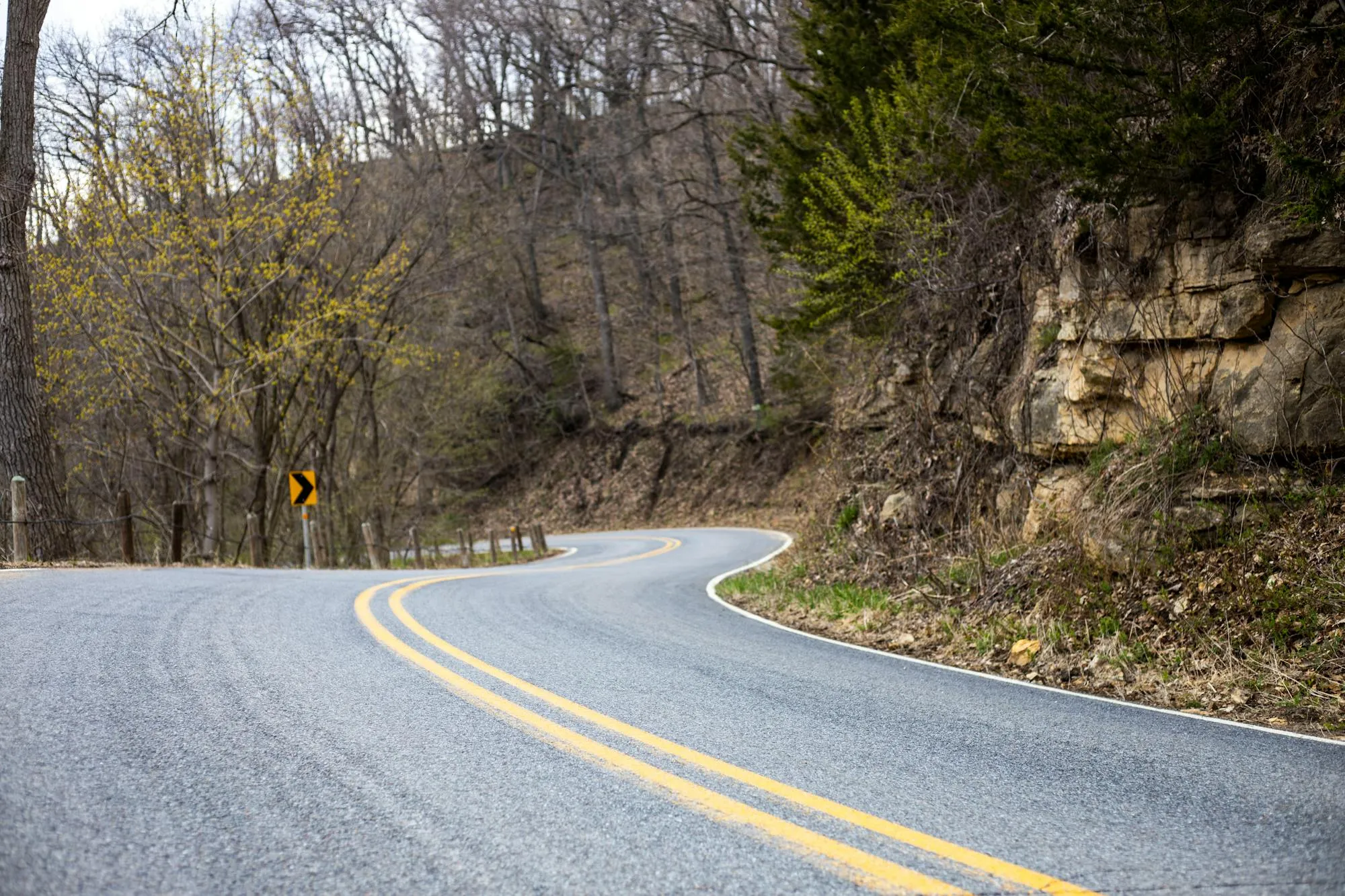
A winding two-lane asphalt road in the Appalachian mountains, photographed in dry daylight. Yellow double-center line markings guide through a series of tight left-hand curves. Dense deciduous and evergreen forest flanks both sides; a rock cut is visible on the right. The road surface and geometry suggest a technical, high-traffic riding corridor popular with motorcyclists.
Chris Flaten / Pexels

The Truth on the Street

Twenty-odd years of listening adds up. This is what reaches me in paddock small talk, in owners' garages, on club nights, and in the messages riders send about their own machines. On the 999S the chatter splits cleanly: the riding draws near-unanimous praise, and nearly every reservation is about keeping it running.

Praise That Comes Back Every Time

Chassis talk dominates. Riders describe a front end that goes exactly where they aim it and never stops talking back, on road or track. The Testastretta earns the same enthusiasm, a long even pull and a voice owners rate higher still with Termignonis fitted. Brakes surface less often, though those who raise them put the Brembo setup among the strongest of the period.

Where Ownership Gets Expensive

Electrics head the complaints: corroded wiring by the battery, fuel pump and headlight relays quitting, a dash with a mind of its own. Running costs follow, with desmo services every 12,000 miles and belt changes named as the real cost of entry. After that the remarks scatter. Some owners bleed the clutch regularly, a few say rough asphalt comes through hard. Mirror coverage and the low crouch draw the occasional complaint, mostly from riders doing city miles or covering distance.

Known issues

  • Fuel filter clogging from tank rust

    fuel system occasional

    Rust forms on the inside of the metal fuel tank and can break loose, clogging the filter. This results in a noticeable loss of power until the filter is replaced.

  • Wiring harness corrosion and relay failures

    electrics occasional

    Heat and moisture cause corrosion in the wiring loom near the battery box, leading to intermittent faults. Fuel pump and headlight relays are known to fail, sometimes leaving the bike stranded.

  • Clutch master cylinder air bubble

    drivetrain occasional

    An air pocket in the clutch hydraulic line can develop, causing incomplete disengagement and difficult shifting. Requires periodic bleeding to resolve.

  • Dashboard misting / water ingress

    electrics occasional

    Moisture can enter the instrument cluster, causing warning lights to illuminate erratically and the display to malfunction.

The Expert Benchmark

Where this Ducati 999S pulls ahead of — or falls behind — its rivals on the numbers, and the typical bike in its class on character.

What kind of bike this is — character vs. the class

This bike Class average

The shape of the Ducati 999S — numbers and character vs. the average Supersport

Head-to-head: Ducati 999S vs. its rivals

The Handshake Score

Forget spec-sheet bragging. Here's who the 999S is actually built for.

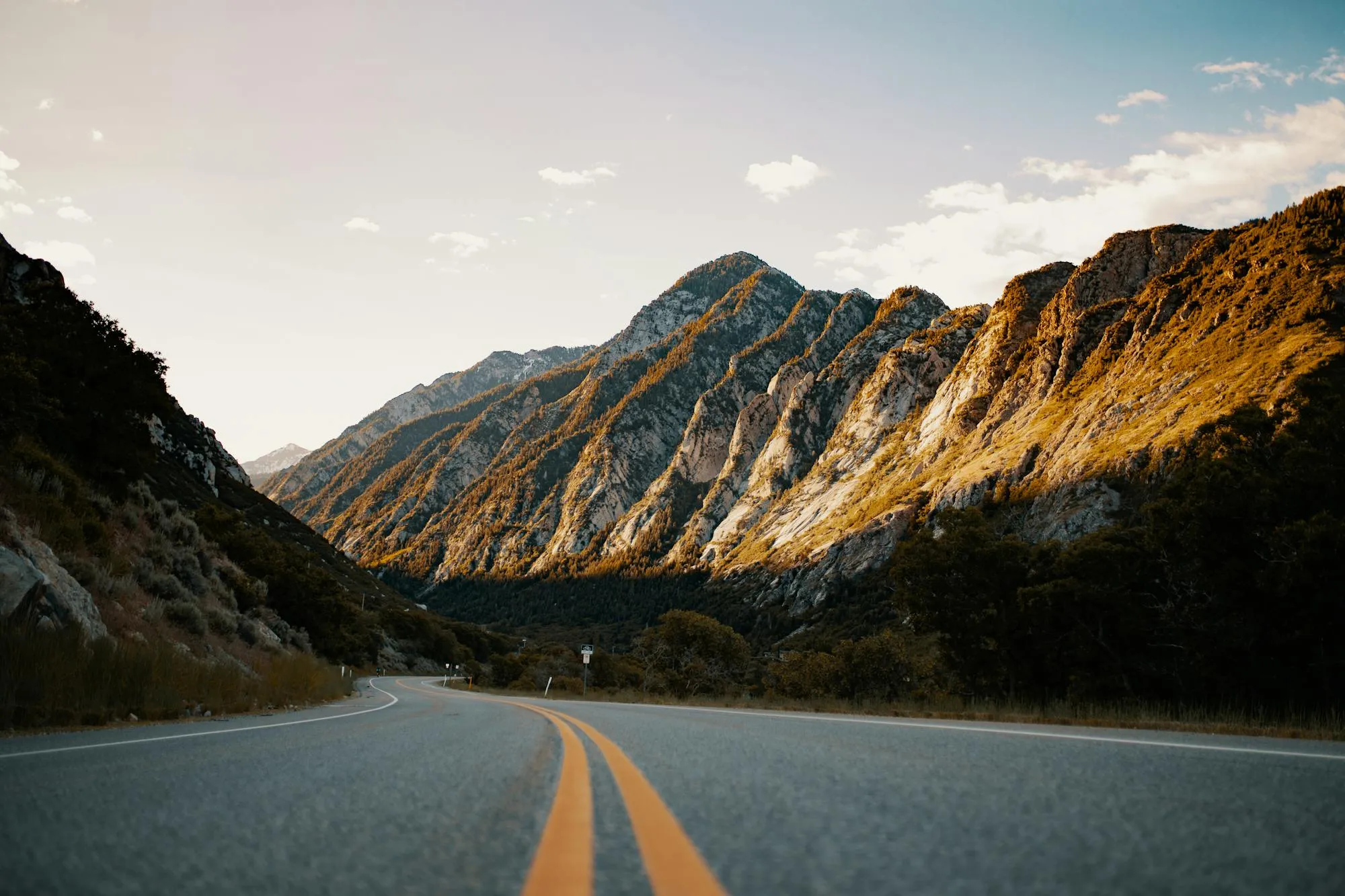
A scenic view of Angeles Crest Highway winding through rugged Southern California canyon terrain. Rocky mountainsides with golden earth tones frame the asphalt road with tight sweeping curves. Double yellow center line visible, sparse vegetation along the shoulders, clear blue sky with white clouds. Daylight, dry conditions. Iconic location for canyon-road enthusiasts.
Josh Sorenson / Pexels

Best motorcycle for Angeles Crest?

On Angeles Crest this is exactly the tool you want: precise, endlessly leanable, and honest about grip. Budget time for the electrics, and remember nothing electronic is covering for a sloppy right hand.

Made for Angeles Crest Highway · Coronado Trail / US 191 · Highway 1 / Big Sur
Best motorcycle for Laguna Seca?

A pure, old-school track weapon. Fully adjustable suspension and a steering damper come standard, but with no traction control or ABS, smoothness and setup earn your pace, not electronics.

Made for Barber Motorsports Park · WeatherTech Raceway Laguna Seca · Circuit of the Americas

Best motorcycle for Tail of the Dragon?

Tail of the Dragon suits it well. The twin pulls hard from low revs between tight corners and 439 lb wet keeps direction changes quick, though rough pavement asks more of you than smooth.

Made for Back of the Dragon · Blue Ridge Parkway · Cherohala Skyway