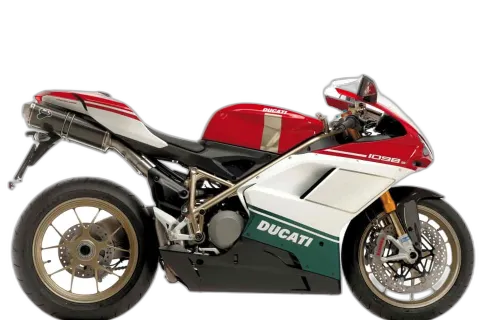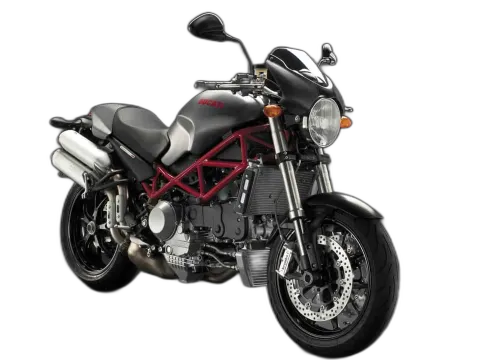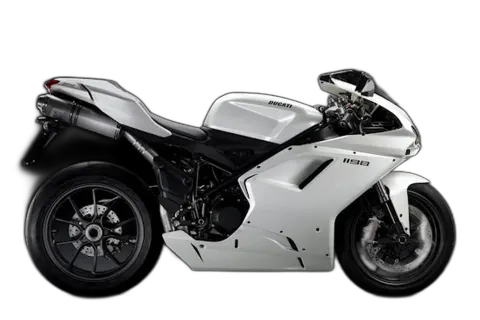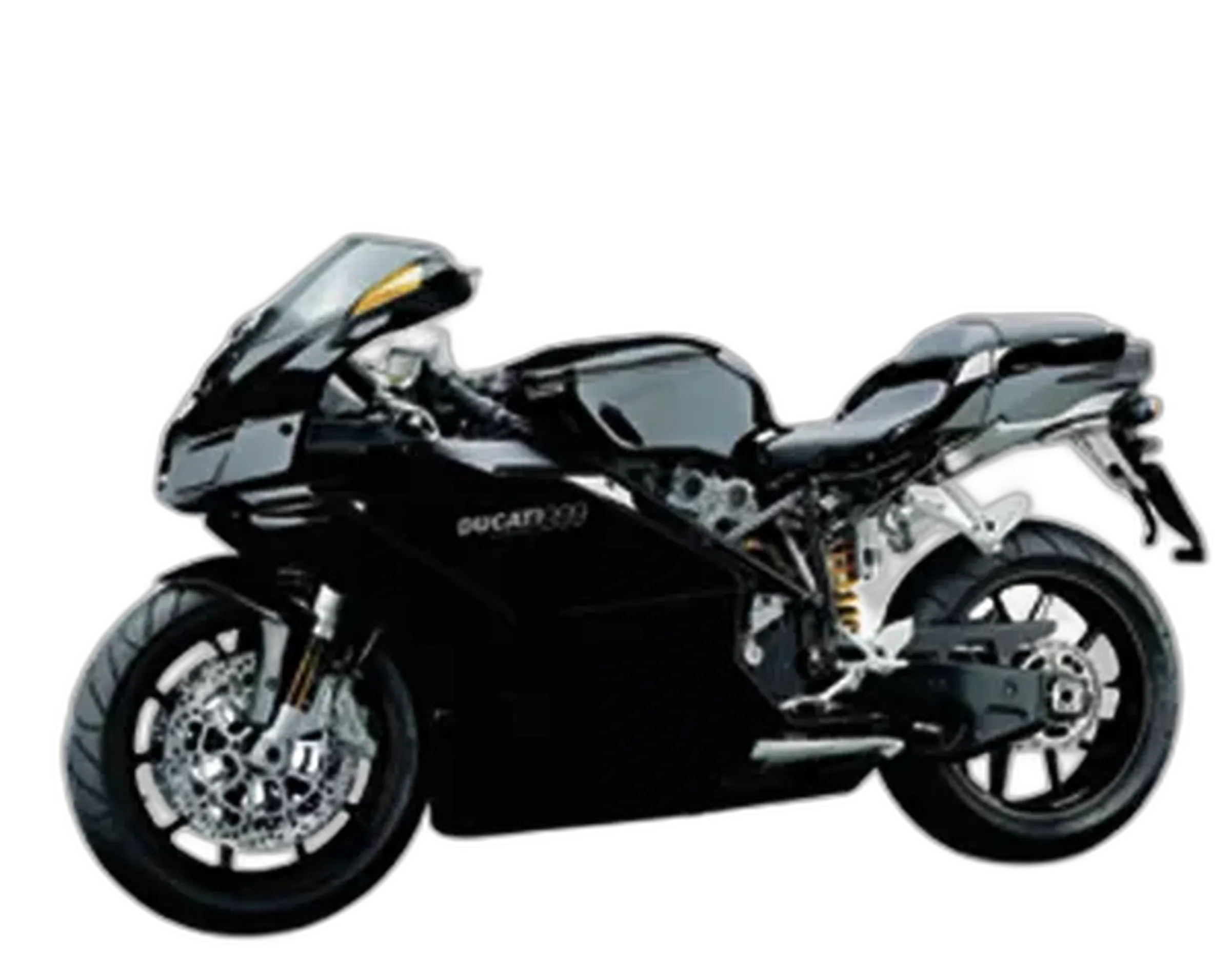
Ducati 999 (MY2005) — Supersport
Ducati Press

2005–2006 · Supersport · Buyer's Guide

999 (MY2005)

Italian Steel, Brembo Soul

The Machine's Character

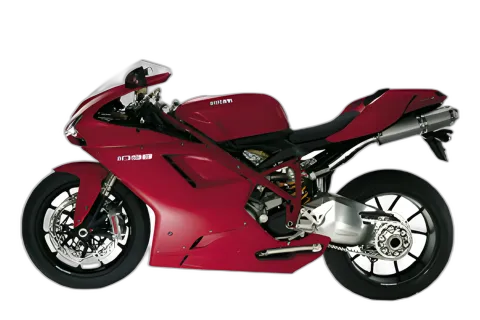
The 999 in its final form is a 998 cc L-twin superbike built around feel rather than numbers. 140 hp at 9,750 rpm and 80 lb-ft at 8,000 rpm sound modest on paper, but the way that torque arrives low and keeps pulling to the top end is what defines the bike. The chassis is the other half of the story: 439 lb wet, a 55.9 in wheelbase, fully adjustable suspension at both ends and a steering damper fitted from the factory. There is no traction control, no ABS, no ride modes. What you get instead is an unusually direct line between your inputs and the front tire.

It rewards a rider who already knows what they are doing. Turn-in is deliberate rather than nervous, lean clearance is enormous, and the feedback through the 320 mm front brakes and the chassis lets you place the bike exactly where you want it lap after lap. Aftermarket support is deep, which matters, because these bikes age unevenly. The honest caveat is electrical: harness corrosion near the battery box, a fuel pump relay that fails in the same wet corner of the bike, a front ignition coil that corrodes from road spray, and rust flakes from the steel tank clogging the fuel filter. Main bearing failure is rare but serious. Buy on service history, not on paint.

Hard Numbers

Spec sheets don't ride bikes, but they set the baseline.

Show full specs & equipment Hide specs & equipment
Key specifications
Power 140 hp (103 kW) @ 9,750 rpm
Torque 80 lb-ft (108 Nm) @ 8,000 rpm
Displacement 998 cc
Engine L-twin
Cooling Liquid-cooled
Gearbox 6-speed
Final drive Chain
Fork Upside-down (USD)
Front brake 320 mm
Front tire 120/70-17
Rear tire 190/50-17
Wheelbase 55.9 in (1420 mm)
Seat height 30.7 in (780 mm)
Wet weight 439 lb (199 kg)
Fuel capacity 4.1 gal (15.5 L)
Fuel economy 29 mpg (US)

Equipment check

Chassis

  • Front Suspension Adjustable Standard
  • Rear Suspension Adjustable Standard
  • Steering Damper Standard

The Voice of Experience

Portrait of NastyNils

The test ride

The first thing that hits you is the noise. That desmo L-twin has a hard, mechanical bark under it, all valve gear and airbox, and it fills the cockpit in a way modern bikes have engineered out. You feel it through the tank and the pegs at idle, then it smooths as the revs climb. The riding position is old-school committed. Long reach to the bars, 30.7 in seat, weight on your wrists at anything below a decent clip. On a real road at real pace, all of that stops mattering. The bike settles, the front end starts talking, and you get a running commentary through your palms about what the tire is doing. Nothing filters it for you. It is physical, it demands attention, and after an hour you are tired in the way a good ride should leave you.

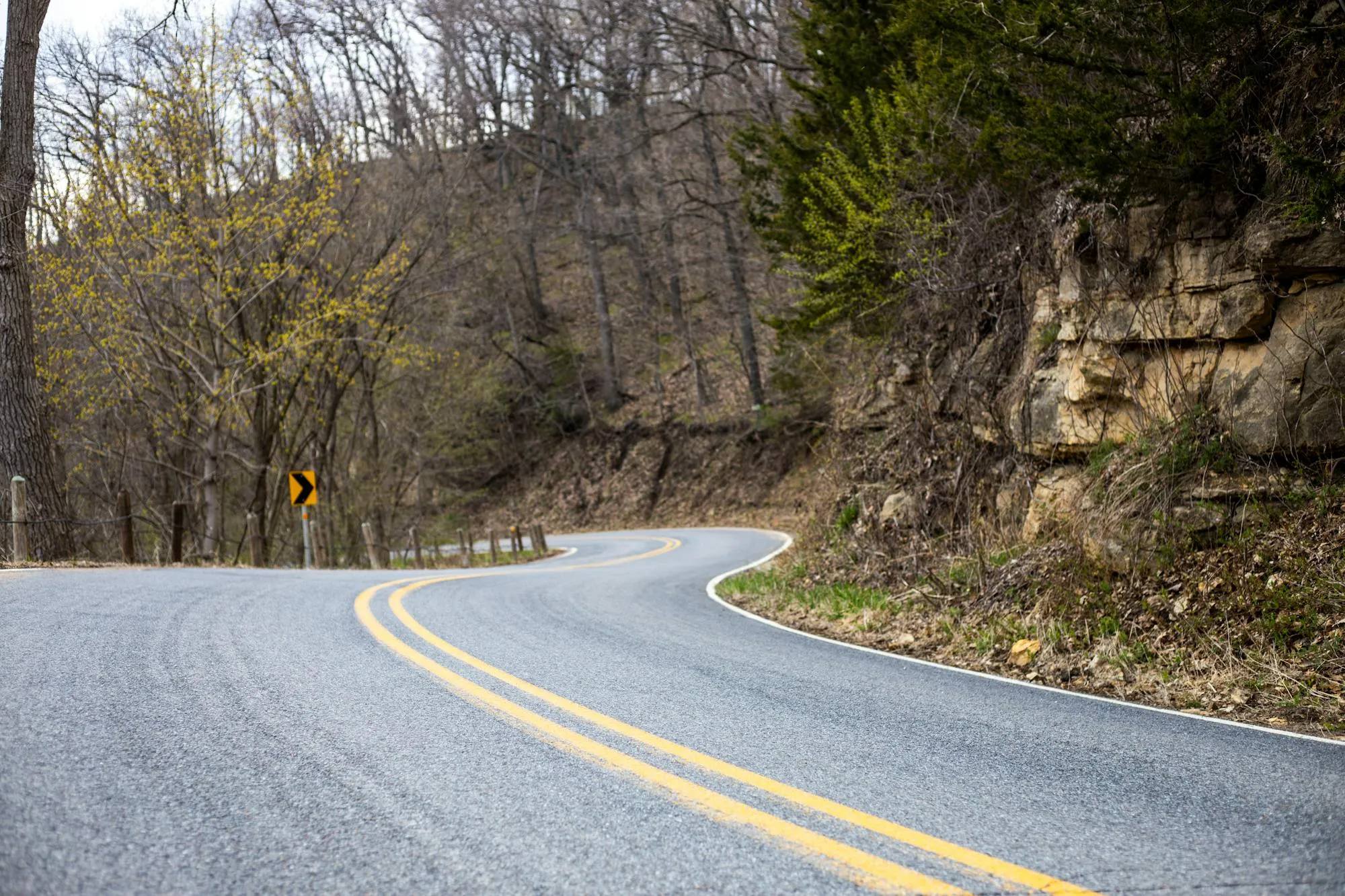
A winding two-lane asphalt road in the Appalachian mountains, photographed in dry daylight. Yellow double-center line markings guide through a series of tight left-hand curves. Dense deciduous and evergreen forest flanks both sides; a rock cut is visible on the right. The road surface and geometry suggest a technical, high-traffic riding corridor popular with motorcyclists.
Chris Flaten / Pexels

The Truth on the Street

This one comes out of twenty years of listening: paddock talk, owners catching me at bike nights, riders comparing notes in the parking lot, and the messages that land in my inbox from people who actually live with a 999. The pattern is stable. Riders rate the way it goes down a road very highly, and they are equally frank about what keeping one on the road asks of them.

The Chassis Comes Up First

Steering and feedback dominate the praise. Owners describe a bike that stays composed through a corner and keeps them informed about what the front is doing, with a directness they rate above almost anything else they have ridden. The V-twin earns nearly as much credit, for a delivery that punches hard through the middle and keeps building at the top. Ergonomics land in a friendlier place than most expect from a bike this shape, and the front brake gets steady mention for force that stays easy to modulate.

Where The Bills Show Up

Servicing leads the complaints. Owners point at the desmodromic valve gear and the short intervals it demands, and belt changes and valve checks are the two items they name by cost. Electrical trouble is the next steady theme: relays, connectors and wiring that misbehave, more so once damp gets involved. A smaller but consistent group finds the stiff setup harsh and unsettled on rough pavement, and says it costs them confidence.

Known issues

  • Main bearing failure

    engine rare

    A small number of engines have suffered main bearing failure, possibly linked to oil starvation or poor maintenance; considered a rare but serious risk.

  • Fuel pump relay failure

    electrics common

    The relay, located in the same vulnerable area as the harness, frequently fails, cutting fuel delivery and causing the engine to stall.

  • Front ignition coil corrosion

    electrics occasional

    Road spray and dampness corrode the front coil, leading to misfiring and poor running.

  • Fuel filter clogging from internal tank rust

    fuel system occasional

    Rust flakes form inside the steel fuel tank and lodge in the filter, causing a progressive loss of power and potential fuel starvation.

  • Wiring harness corrosion near battery box

    electrics common

    Heat and water ingress cause the wiring harness around the battery to corrode, leading to intermittent electrical faults and potential non‑starts.

  • Weak starter circuit

    electrics occasional

    Undersized factory starter cables result in slow cranking, particularly when the engine is hot; an aftermarket upgrade kit is a common fix.

  • Headlight relay and fuse block failure

    electrics occasional

    Moisture ingress into the headlight assembly can cause the relay or fuse block to fail, intermittently losing headlight function.

The Expert Benchmark

Where this Ducati 999 pulls ahead of — or falls behind — its rivals on the numbers, and the typical bike in its class on character.

What kind of bike this is — character vs. the class

This bike Class average

The shape of the Ducati 999 — numbers and character vs. the average Supersport

Head-to-head: Ducati 999 vs. its rivals

The Handshake Score

Forget spec-sheet bragging. Here's who the 999 is actually built for.

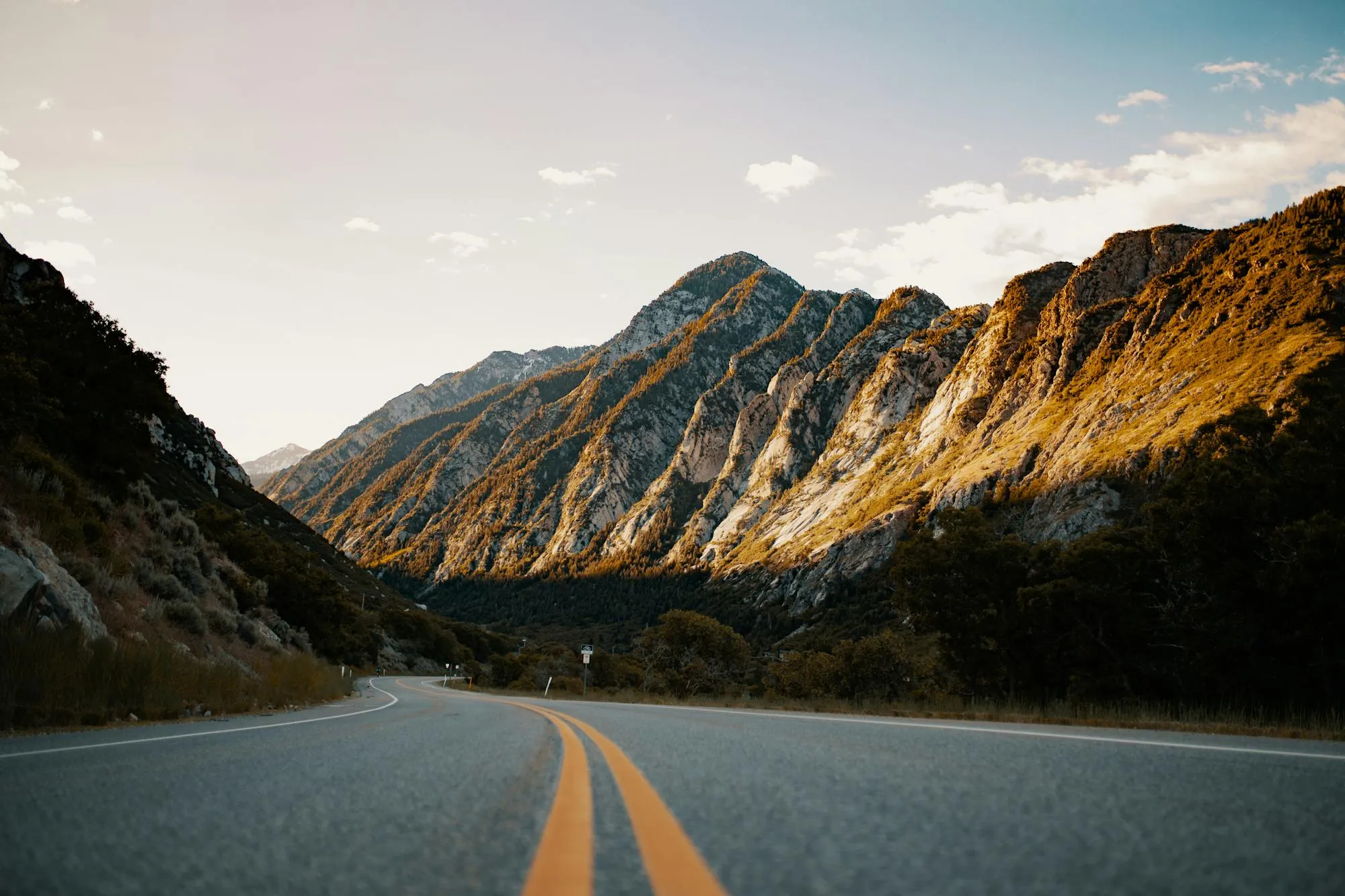
A scenic view of Angeles Crest Highway winding through rugged Southern California canyon terrain. Rocky mountainsides with golden earth tones frame the asphalt road with tight sweeping curves. Double yellow center line visible, sparse vegetation along the shoulders, clear blue sky with white clouds. Daylight, dry conditions. Iconic location for canyon-road enthusiasts.
Josh Sorenson / Pexels

Best motorcycle for Angeles Crest?

Angeles Crest is exactly where this bike makes sense. The feedback and lean clearance let you carry real pace, but the commuting miles to get there are punishing, so plan the route around the fun part.

Made for Angeles Crest Highway · Coronado Trail / US 191 · Highway 1 / Big Sur
Best motorcycle for Laguna Seca?

A rewarding trackday bike if you can ride without a safety net. No traction control and no ABS means every input is yours, which sharpens good riders and punishes sloppy ones.

Made for Barber Motorsports Park · WeatherTech Raceway Laguna Seca · Circuit of the Americas

Best motorcycle for Tail of the Dragon?

On the Dragon and the Cherohala, the 999 is precise and endlessly leanable. Low-speed technical work asks a lot of your wrists, so it suits day rides more than long weekends in the saddle.

Made for Back of the Dragon · Blue Ridge Parkway · Cherohala Skyway