
Honda VTR 1000 SP-2 (SC45) — Supersport
Honda press archive

2002–2006 · Supersport · Buyer's Guide

VTR 1000 SP-2 (SC45)

4.5 / 5 NastyNils Rating · against its class

Honda's Homologation V-Twin Weapon

The Machine's Character

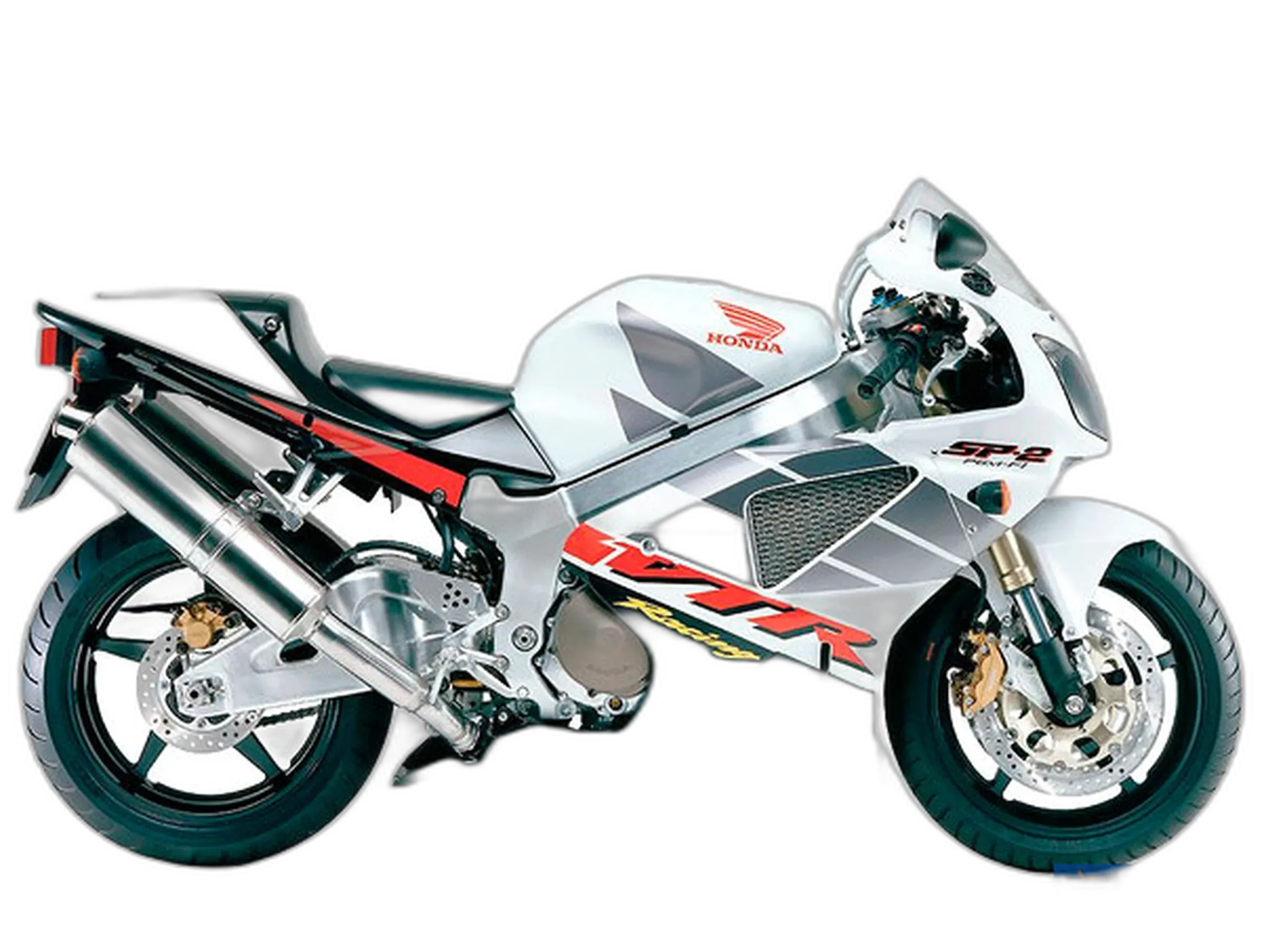
The SP-2 exists because Honda wanted a superbike title, and the street bike is simply what the rulebook demanded: 999 cc, a 90-degree V-twin, 135 hp at 9,500 rpm. Torque peaks at 77 lb-ft at 8,000 rpm, and the way that torque arrives is the whole personality of the thing. The chassis was picked for a racetrack and then homologated for your garage: adjustable suspension at both ends, fat 190-section rear rubber. There are no ride modes, no traction control, no ABS. What you get instead is hardware chosen for one purpose.

On the road it rewards a rider who commits. It carries 481 lb wet with a 32.3 in seat, so it is a real motorcycle to shuffle around at walking pace, and it asks you to be deliberate everywhere else. It ages the way a good Honda usually does, with build quality that holds together and mechanicals that stay honest, provided you keep an eye on oil consumption between services. This one is for a rider who already has skill and wants feedback instead of assistance. If you want a supersport that quietly covers your mistakes, look elsewhere.

Hard Numbers

Spec sheets don't ride bikes, but they set the baseline.

Show full specs & equipment Hide specs & equipment
Key specifications
Power 135 hp (99 kW) @ 9,500 rpm
Torque 77 lb-ft (105 Nm) @ 8,000 rpm
Displacement 999 cc
Engine 90° V-twin
Cooling Liquid-cooled
Gearbox 6-speed
Final drive Chain
Fork Upside-down (USD)
Front tire 120/70-17
Rear tire 190/50-17
Seat height 32.3 in (820 mm)
Wet weight 481 lb (218 kg)
Fuel capacity 4.8 gal (18 L)

Equipment check

Chassis

  • Front Suspension Adjustable Standard
  • Rear Suspension Adjustable Standard
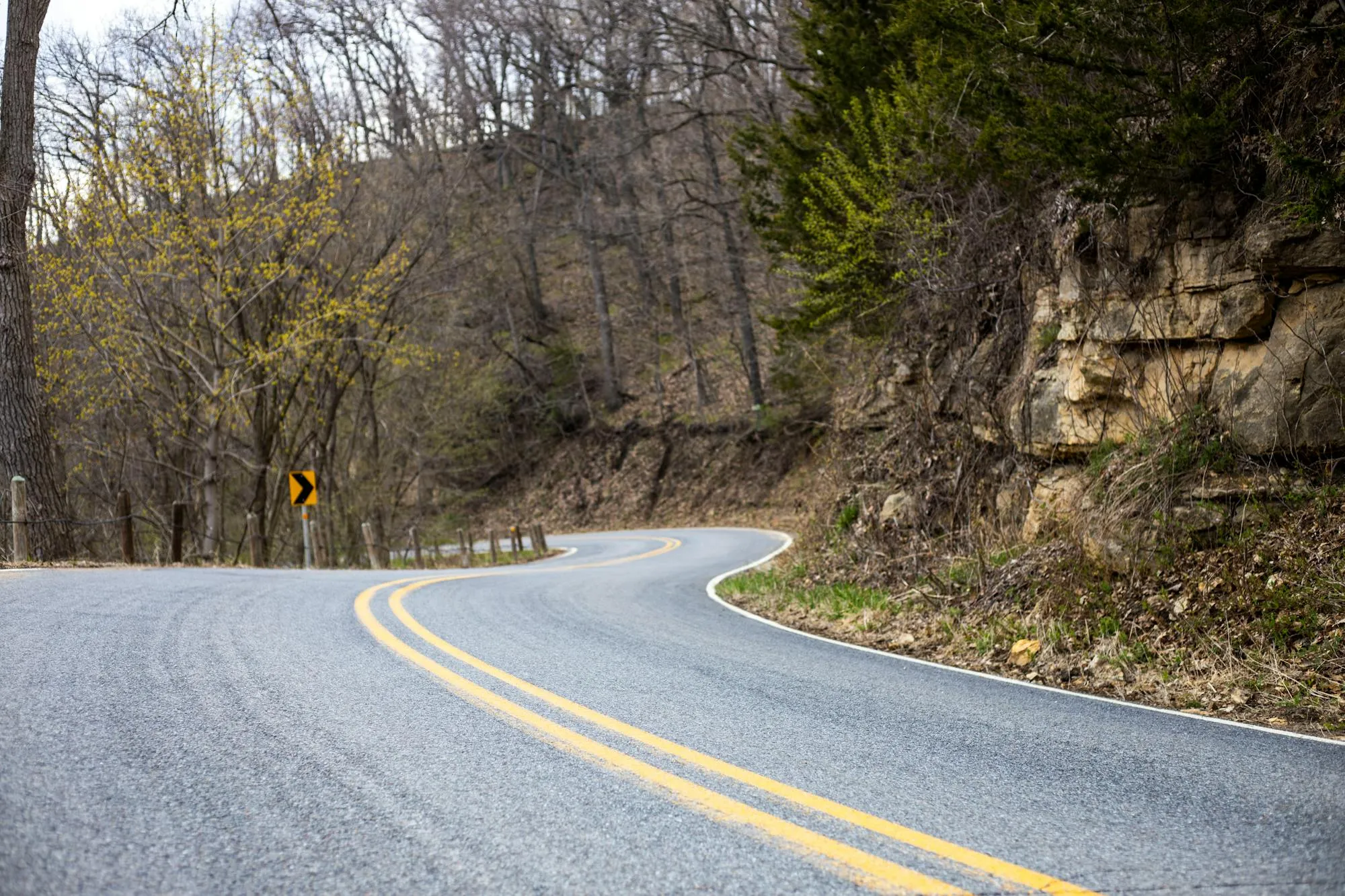
A winding two-lane asphalt road in the Appalachian mountains, photographed in dry daylight. Yellow double-center line markings guide through a series of tight left-hand curves. Dense deciduous and evergreen forest flanks both sides; a rock cut is visible on the right. The road surface and geometry suggest a technical, high-traffic riding corridor popular with motorcyclists.
Chris Flaten / Pexels

The Truth on the Street

None of this comes from a press kit. It is what I have picked up over years of paddock talk, club nights, and the messages owners send me directly. On the SP-2 the chatter is consistent: real respect for the engine and the engineering, and steady grumbling about what it asks of you the rest of the time.

What keeps owners loyal

The V-twin dominates every conversation. Owners talk about strong, linear pull from low revs and a top end that keeps going, with fueling cleaner and better sorted than the SP-1's. Build quality gets nearly as much credit; riders report finish and mechanical solidity that hold up in a way limited-run homologation bikes usually don't. On smooth pavement they call the chassis sharp and talkative, and plenty keep the bike for its racing bloodline.

What wears riders down

Everyday use is where the grumbling starts. Riders describe the race-set riding position, firm suspension and thin seat as punishing over distance, with almost nothing keeping the wind off. Range draws the same frustration: roughly 30 mpg leaves you hunting for fuel barely past 100 miles. Some owners also find it heavy and dated in quick direction changes, and a few miss the theater of the Italian competition.

Known issues

  • Intermittent stalling on deceleration

    engine occasional

    Some owners report that the engine can cut out unexpectedly when rolling off the throttle, such as when approaching junctions or traffic lights. This may be due to fueling issues or the injection mapping, even on the SP-2 despite improvements over the SP-1.

  • High oil consumption

    engine occasional

    Some motorcycles may consume oil at a higher than expected rate, requiring owners to monitor levels frequently between changes. This is more noticeable during high-rpm use.

The Expert Benchmark

Where this Honda VTR 1000 SP-2 pulls ahead of — or falls behind — its rivals on the numbers, and the typical bike in its class on character.

What kind of bike this is — character vs. the class

This bike Class average

The shape of the Honda VTR 1000 SP-2 — numbers and character vs. the average Supersport

Head-to-head: Honda VTR 1000 SP-2 vs. its rivals

The Handshake Score

Forget spec-sheet bragging. Here's who the VTR 1000 SP-2 is actually built for.

A scenic view of Angeles Crest Highway winding through rugged Southern California canyon terrain. Rocky mountainsides with golden earth tones frame the asphalt road with tight sweeping curves. Double yellow center line visible, sparse vegetation along the shoulders, clear blue sky with white clouds. Daylight, dry conditions. Iconic location for canyon-road enthusiasts.
Josh Sorenson / Pexels

Best motorcycle for Laguna Seca?

A closed circuit is where this makes the most sense. Lean clearance and stability let you work on braking markers and lines, but nothing on board will catch you, so bring skill you already have.

Made for WeatherTech Raceway Laguna Seca · Barber Motorsports Park · Circuit of the Americas
Best motorcycle for Angeles Crest?

For Angeles Crest weekends it fits, if you accept sore wrists and a fussy clutch in LA traffic. Once the road opens up, it holds a line and tells you exactly what the front is doing.

Made for Angeles Crest Highway · Coronado Trail / US 191 · Highway 1 / Big Sur

Best motorcycle for Tail of the Dragon?

Repeated technical corners are where the feedback pays off. It is heavier and more physical than the tightest Dragon runs want, so plan on shorter stints and a real workout between stops.

Made for Tail of the Dragon · Back of the Dragon · Blue Ridge Parkway

Alternatives to the Honda VTR 1000 SP-2

If this one isn't quite the fit, these are the bikes worth riding back-to-back against it.