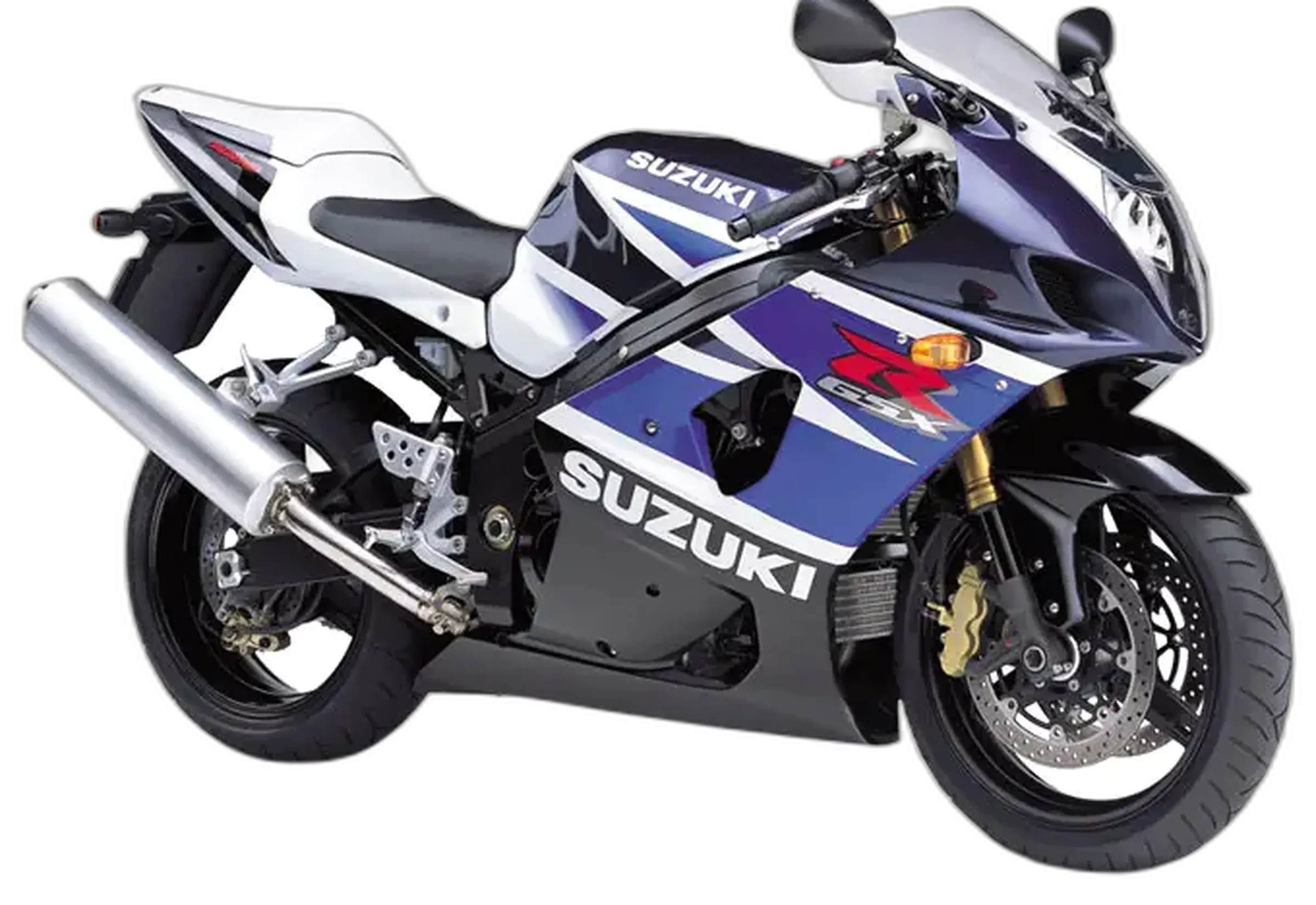
Suzuki GSX-R 1000 (K3) — Supersport
Suzuki Press

2003–2004 · Supersport · Buyer's Guide

GSX-R 1000 (K3)

The Screamer That Corners

The Machine's Character

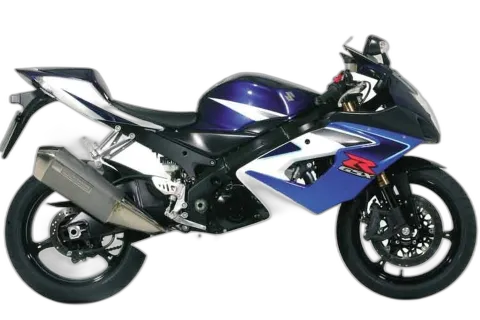
The K3 is a liter bike stripped back to what actually matters. Its 988 cc inline-four makes 163 hp at 10,800 rpm and 80 lb-ft at 8,500 rpm, and the black twin-spar frame carries just 441 lb wet, so the whole machine changes direction on light input. Electronic rider aids are simply absent here: no ABS, no traction control, no ride modes. What Suzuki fitted instead is a steering damper, a slipper clutch and suspension you can adjust at both ends. This is a purely mechanical superbike, and that is exactly why it still has a following.

Ridden hard it rewards precision and punishes sloppiness, because your right wrist is the traction control. The payoff is a bike that holds the line you pick, gives up lean angle willingly and runs to 175 mph without theater. Around town the low-end is soft enough to keep it civil, and at 32.7 in (830 mm) the seat suits most riders. Buy one for canyon Sundays and track days, not for wet winter commutes. Aging examples need honest scrutiny: fork seals, gearbox noise on abused bikes and those fairing bracket bolts are the first things to check.

Hard Numbers

Spec sheets don't ride bikes, but they set the baseline.

Show full specs & equipment Hide specs & equipment
Key specifications
Power 163 hp (120 kW) @ 10,800 rpm
Torque 80 lb-ft (109 Nm) @ 8,500 rpm
Displacement 988 cc
Engine Inline-four
Cooling Liquid-cooled
Gearbox 6-speed
Final drive Chain
Fork Upside-down (USD)
Front brake 300 mm
Front tire 120/70-17
Rear tire 190/50-17
Wheelbase 55.5 in (1410 mm)
Seat height 32.7 in (830 mm)
Wet weight 441 lb (200 kg)
Fuel capacity 4.8 gal (18 L)
Top speed 175 mph (282 km/h)

Equipment check

Chassis

  • Front Suspension Adjustable Standard
  • Rear Suspension Adjustable Standard
  • Steering Damper Standard

Drivetrain

  • Slipper Clutch Standard

The Voice of Experience

Portrait of NastyNils

The test ride

Thumb the starter and the first impression is mechanical honesty. There is a fine whir under the airbox at idle, and past half revs an intake howl fills the helmet and makes you take the long way home. Vibration is present but never numbing, arriving as texture through the bars and pegs rather than buzz. The riding position is more humane than the fairing suggests: the reach to the clip-ons stays civil for an hour, the seat puts you into the tank instead of perched on it, and the pegs sit high enough that you run out of nerve before hardware. At normal road pace it feels compact and eager under you, light on the wrists once you are moving, with the 4.8 gal (18 L) tank setting the rhythm of the day.

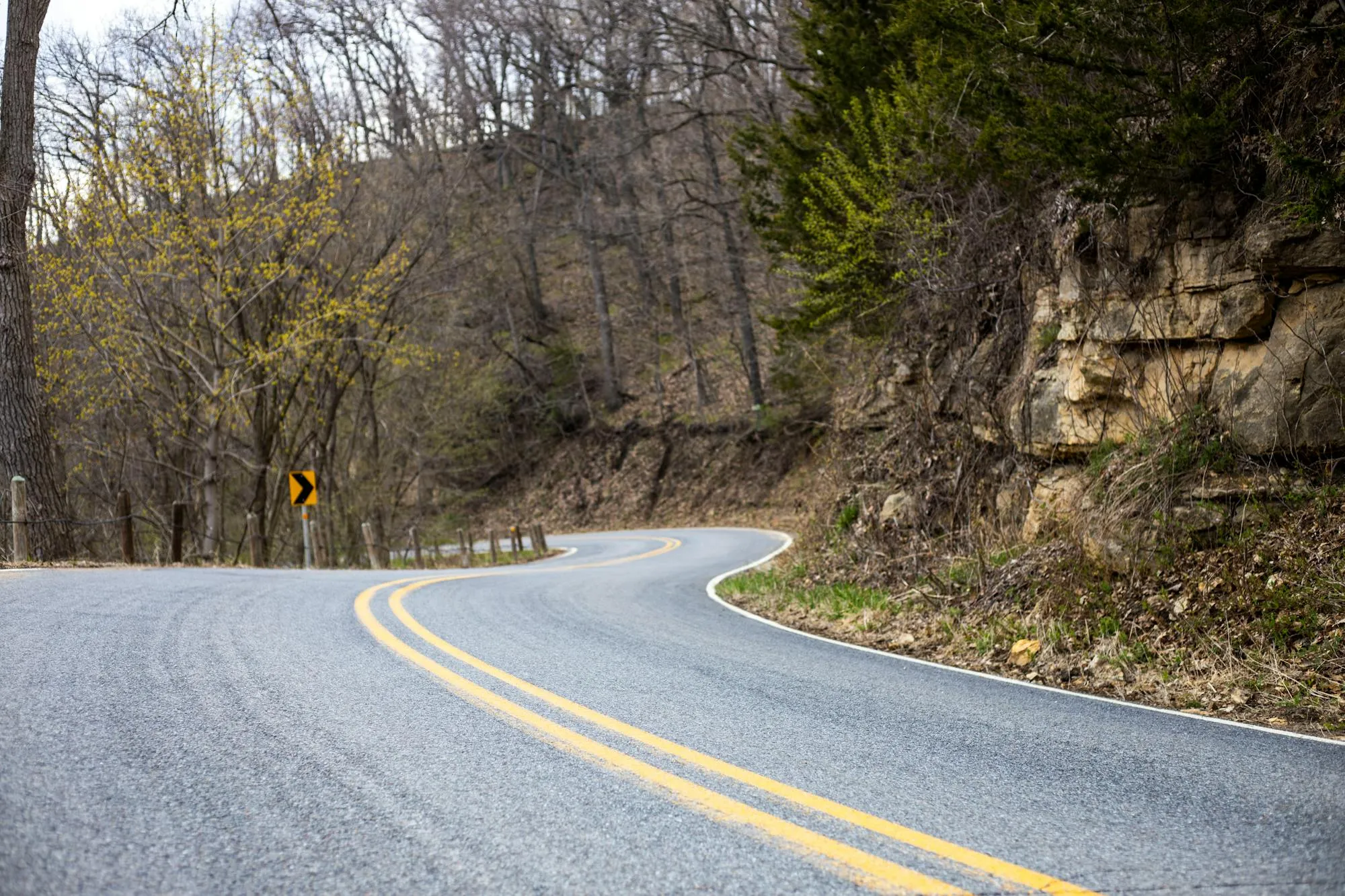
A winding two-lane asphalt road in the Appalachian mountains, photographed in dry daylight. Yellow double-center line markings guide through a series of tight left-hand curves. Dense deciduous and evergreen forest flanks both sides; a rock cut is visible on the right. The road surface and geometry suggest a technical, high-traffic riding corridor popular with motorcyclists.
Chris Flaten / Pexels

The Truth on the Street

Known issues

  • Fairing bracket bolts can loosen

    bodywork rare

    The two bolts securing the front fairing bracket may work themselves out and fall into the steering head, potentially causing a crash. Locktite or longer bolts with locknuts are recommended.

  • Gearbox durability under hard use

    drivetrain rare

    Although rare, there have been reports of noisy or failing gearboxes, often requiring expensive repairs. Common in bikes subjected to frequent track use or wheelies.

  • Fork seals prone to leaking

    suspension occasional

    Many owners report the front fork seals weeping or leaking oil, typically as mileage accumulates, requiring replacement.

  • SET valve and STVA motor failures

    exhaust occasional

    The Suzuki Exhaust Tuning (SET) valve servo or the Secondary Throttle Valve Actuator (STVA) can fail, triggering an FI warning light and causing poor running.

The Expert Benchmark

Where this Suzuki GSX-R 1000 pulls ahead of — or falls behind — its rivals on the numbers, and the typical bike in its class on character.

What kind of bike this is — character vs. the class

This bike Class average

The shape of the Suzuki GSX-R 1000 — numbers and character vs. the average Supersport

Head-to-head: Suzuki GSX-R 1000 vs. its rivals

The Handshake Score

Forget spec-sheet bragging. Here's who the GSX-R 1000 is actually built for.

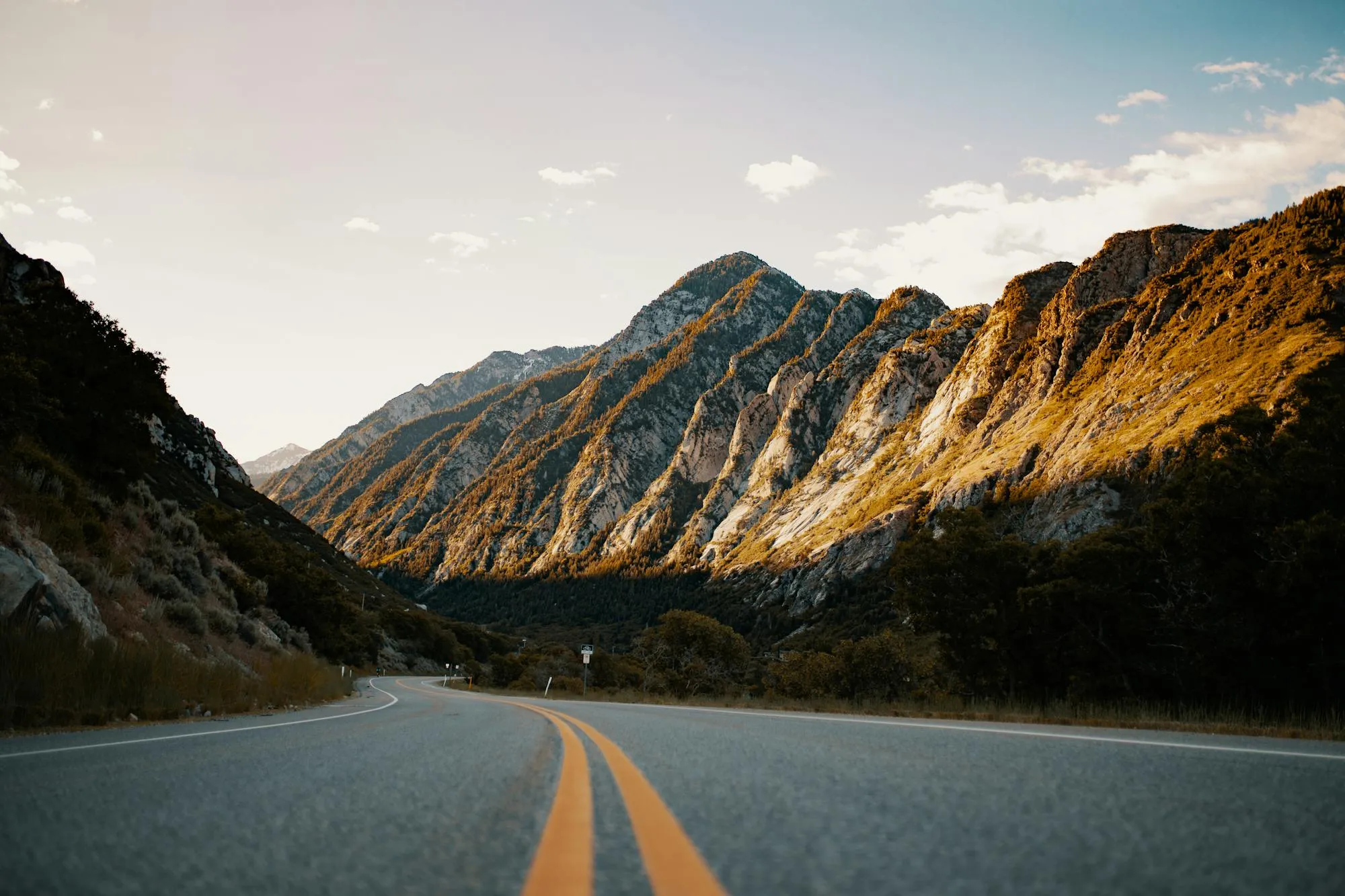
A scenic view of Angeles Crest Highway winding through rugged Southern California canyon terrain. Rocky mountainsides with golden earth tones frame the asphalt road with tight sweeping curves. Double yellow center line visible, sparse vegetation along the shoulders, clear blue sky with white clouds. Daylight, dry conditions. Iconic location for canyon-road enthusiasts.
Josh Sorenson / Pexels

Best motorcycle for Angeles Crest?

Angeles Crest is where this thing makes sense: light steering, lean angle to spare, and a front end that tells you everything. Just remember nothing electronic will catch you if the pavement turns dusty mid-corner.

Made for Angeles Crest Highway · Coronado Trail / US 191 · Highway 1 / Big Sur
Best motorcycle for Laguna Seca?

A full day of sessions suits it. Adjustable suspension both ends, a slipper clutch and huge lean clearance give you real room to work on brake points, provided you accept that traction management is entirely yours.

Made for Barber Motorsports Park · WeatherTech Raceway Laguna Seca · Circuit of the Americas

Best motorcycle for Tail of the Dragon?

On the Dragon and Cherohala it rewards clean technique over bravery. It turns fast and holds whatever line you pick, but bring your own discipline, because nothing here rescues a bad entry.

Made for Back of the Dragon · Blue Ridge Parkway · Cherohala Skyway

Alternatives to the Suzuki GSX-R 1000

If this one isn't quite the fit, these are the bikes worth riding back-to-back against it.