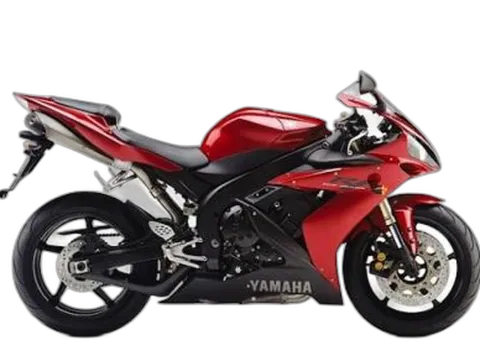
Yamaha YZF-R1 (RN09) — Supersport

2002–2003 · Supersport · Buyer's Guide

YZF-R1 (RN09)

4.5 / 5 NastyNils Rating · against its class

Fuel Injection Meets Raw Scream

The Machine's Character

The RN09 runs fuel injection on the screaming 20-valve inline four, and it makes 150 hp at 10,500 rpm out of 998 cc. The headline, though, is the Deltabox III aluminum chassis. It is stiff and unusually talkative, which is why this R1 reads as a precision instrument rather than a horsepower statement. Everything else is deliberately absent: no traction control, no ABS, no ride modes, no rider aids of any kind. What you get is 423 lb wet, adjustable suspension at both ends, and your own inputs. In its moment, that was the measuring stick for the liter class.

Ridden hard it makes sense immediately. Ridden slowly it feels like it is waiting for you to get on with it. This is a bike for a rider with skill and intent: canyon regulars, trackday riders, anyone who prefers feedback to insurance. It ages the way a focused sportbike of this era ages, which means the chassis stays honest while the consumables and the electrics start asking questions. The honest caveat is ownership rather than riding. The gearbox, the EXUP valve and the stator all have known habits, and a 4.8 gal tank at 32 mpg keeps your legs short. Buy on service records.

Hard Numbers

Spec sheets don't ride bikes, but they set the baseline.

Show full specs & equipment Hide specs & equipment
Key specifications
Power 150 hp (110 kW) @ 10,500 rpm
Torque 78 lb-ft (106 Nm) @ 8,500 rpm
Displacement 998 cc
Engine Inline-four
Cooling Liquid-cooled
Gearbox 6-speed
Final drive Chain
Fork Upside-down (USD)
Front brake 298 mm
Front tire 120/70-17
Rear tire 190/50-17
Seat height 32.1 in (815 mm)
Wet weight 423 lb (192 kg)
Fuel capacity 4.8 gal (18 L)
Top speed 170 mph (273 km/h)
Fuel economy 32 mpg (US)

Equipment check

Chassis

  • Front Suspension Adjustable Standard
  • Rear Suspension Adjustable Standard

The Voice of Experience

Portrait of NastyNils

The test ride

Sit on it and the numbers make sense in your body. The 32.1 in seat is a genuine stretch if you are short, but the bike is narrow between your knees and the 423 lb never feels stacked high. The riding position is old-school committed: low bars, high pegs, weight on your wrists any time you are not moving, and a tuck that genuinely works once the fairing starts earning its keep. Then there is the noise. The intake gets serious past 7,000 rpm and turns into a hard metallic wail up near the 10,500 rpm peak, with enough buzz coming through the grips and footpegs at highway cruise to keep reminding you what this thing was built for. No adjustable screen, no cruise control, nothing to distract you. Just the tach, the road and your own judgment.

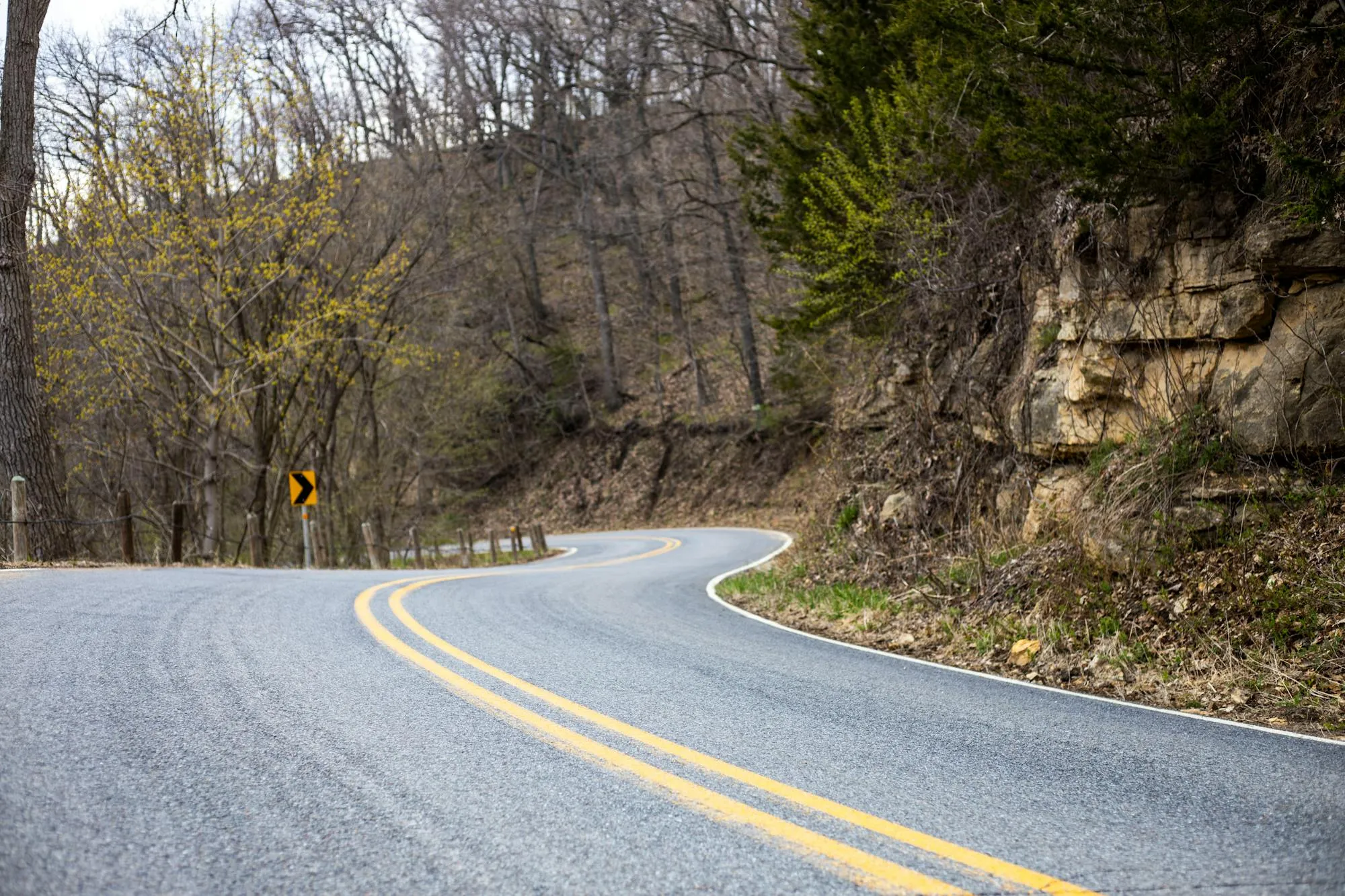
A winding two-lane asphalt road in the Appalachian mountains, photographed in dry daylight. Yellow double-center line markings guide through a series of tight left-hand curves. Dense deciduous and evergreen forest flanks both sides; a rock cut is visible on the right. The road surface and geometry suggest a technical, high-traffic riding corridor popular with motorcyclists.
Chris Flaten / Pexels

The Truth on the Street

Two decades of listening does most of the work here. Paddock talk at trackdays, conversations in parking lots and at club nights, and the messages riders keep sending me directly. On the RN09 the chatter runs unusually consistent: the praise concentrates on how it goes, and the complaints land on comfort and road surface rather than performance.

What owners keep coming back to

The engine dominates the conversation. Riders describe clean pull from low revs and a top end that keeps building, and they talk about a corner confidence that has them carrying more speed than they planned. A smaller group brings up the riding position, calling it livable next to other superbikes of the era, which makes longer days possible. The 28,000-mile valve check surfaces now and then, usually from owners tallying what a bike like this costs to keep.

Where the complaints show up

The gripes are quieter, and both are situational. A few owners call the seat too slippery, sliding them forward into the tank even under gentle braking. Others report the suspension losing composure on broken back roads, turning harsh over undulations and shaking its head under hard acceleration.

Known issues

  • Premature 1st–2nd gear wear

    drivetrain occasional

    The gearbox is prone to wear between first and second gear, especially with slow or abusive shifting; can result in crunching or failure.

  • EXUP valve seizure

    exhaust occasional

    The exhaust EXUP valve can seize, indicated by the tachometer needle swinging to 7,000 rpm on startup; requires cleaning or replacement.

  • Stator/charging system failure

    electrics occasional

    The stator may burn out every ~20,000 miles, leaving the bike stranded with a dead battery.

The Expert Benchmark

Where this Yamaha YZF-R1 pulls ahead of — or falls behind — its rivals on the numbers, and the typical bike in its class on character.

What kind of bike this is — character vs. the class

This bike Class average

The shape of the Yamaha YZF-R1 — numbers and character vs. the average Supersport

Head-to-head: Yamaha YZF-R1 vs. its rivals

The Handshake Score

Forget spec-sheet bragging. Here's who the YZF-R1 is actually built for.

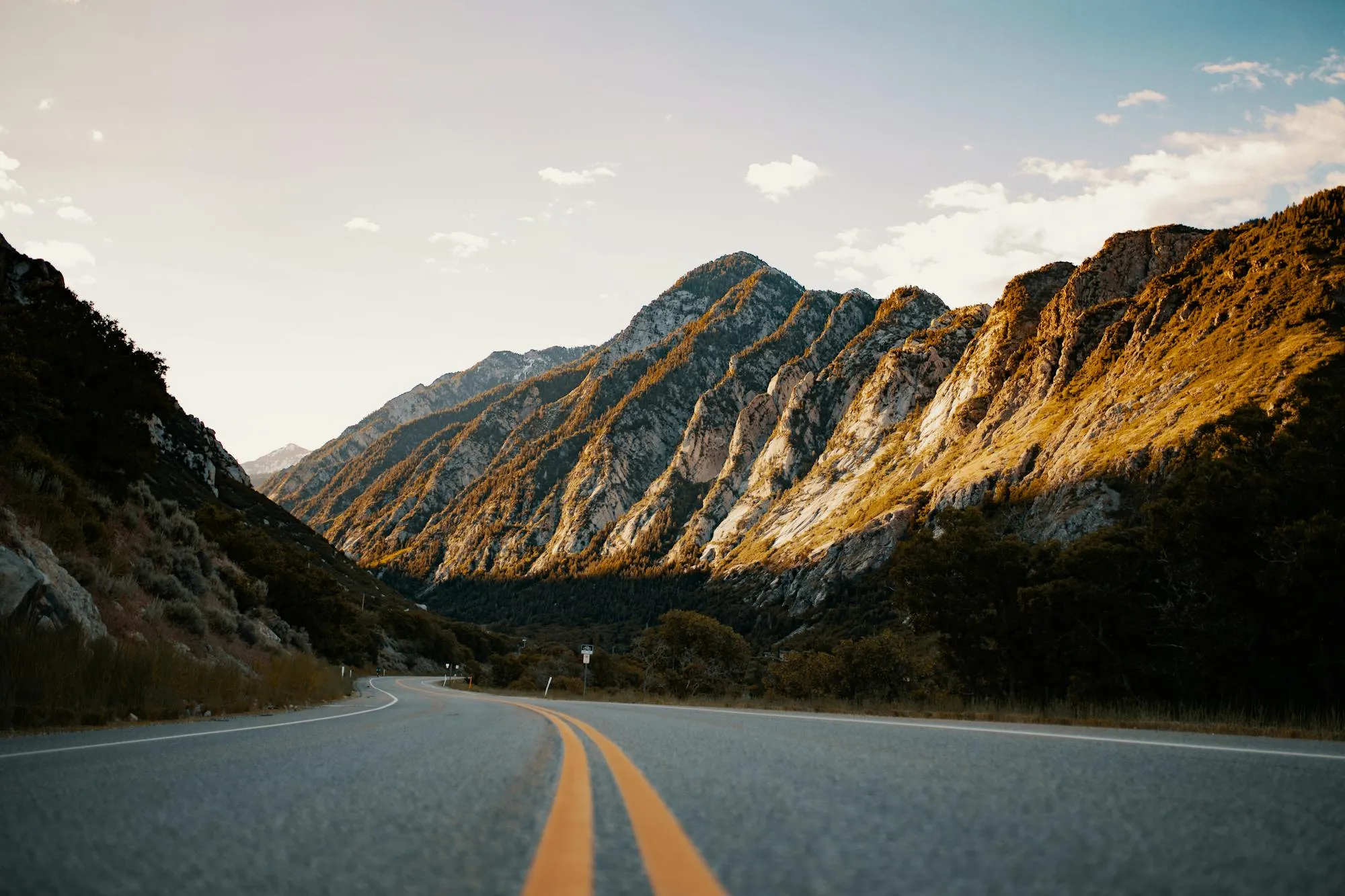
A scenic view of Angeles Crest Highway winding through rugged Southern California canyon terrain. Rocky mountainsides with golden earth tones frame the asphalt road with tight sweeping curves. Double yellow center line visible, sparse vegetation along the shoulders, clear blue sky with white clouds. Daylight, dry conditions. Iconic location for canyon-road enthusiasts.
Josh Sorenson / Pexels

Best motorcycle for Angeles Crest?

Angeles Crest suits this bike far better than the traffic getting there does. It rewards a rider who commits early and reads the road, but nothing on board will cover a bad call on a cold tire.

Made for Angeles Crest Highway · Coronado Trail / US 191 · Highway 1 / Big Sur
Best motorcycle for Laguna Seca?

A proper track tool if you put in the setup work. The lean clearance and chassis feedback are all there; the electronics that flatter modern lap times are not, so your right hand does that job.

Made for Barber Motorsports Park · WeatherTech Raceway Laguna Seca · Circuit of the Americas

Best motorcycle for Tail of the Dragon?

The Dragon and Cherohala are tight enough that you will use a fraction of the 150 hp, but the chassis precision is exactly what those roads reward. Budget for fuel stops at 32 mpg.

Made for Back of the Dragon · Blue Ridge Parkway · Cherohala Skyway