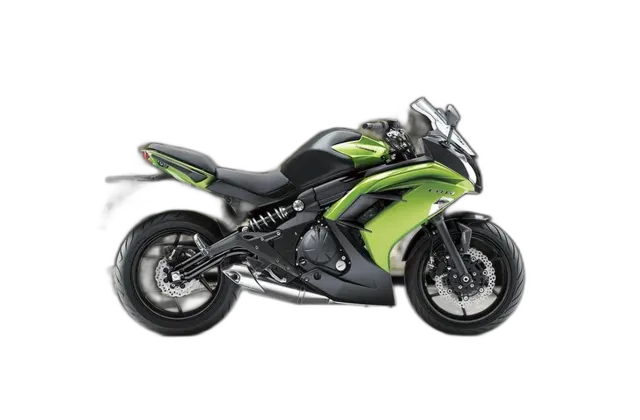
Kawasaki Ninja 650 (MY2017) — Supersport
Kawasaki Press

2017 · Supersport · Buyer's Guide

Ninja 650 (MY2017)

Lightweight Twin, Low Drama

The Machine's Character

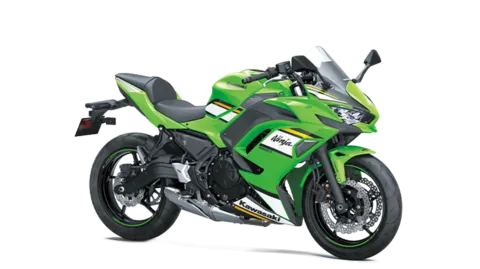
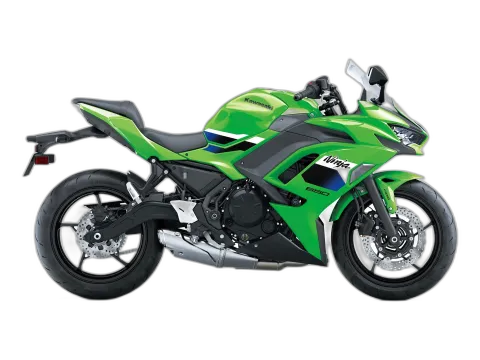
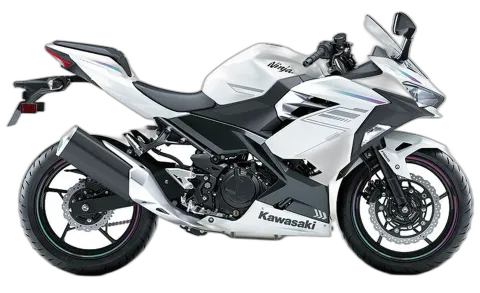
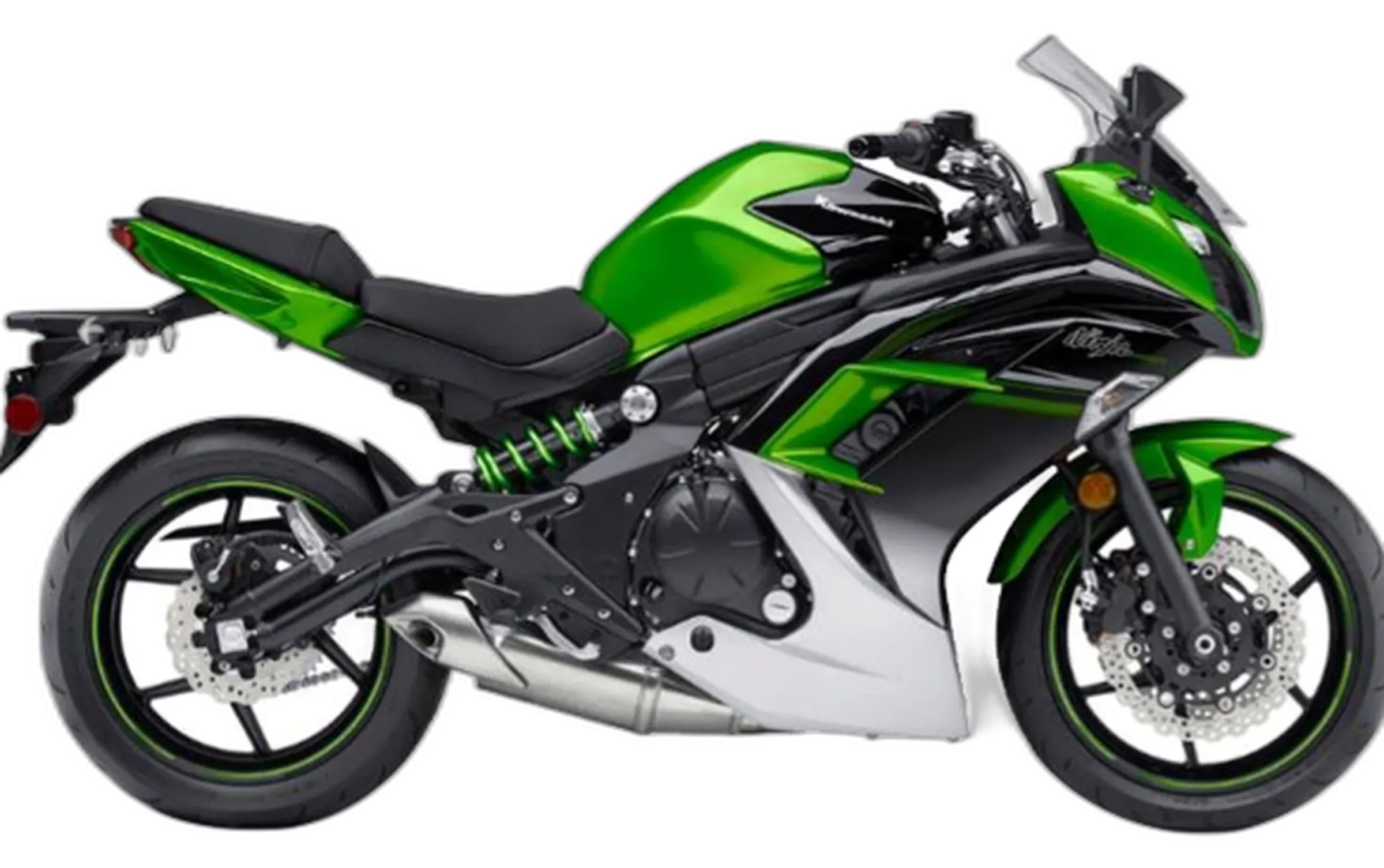
The Ninja 650 wraps a 649 cc parallel twin in a slim, light chassis and asks nothing complicated of the rider. It makes 68 hp and 49 lb-ft, with the useful part of the spread showing up around 4,000 rpm and running to the shift light at 8,500. At 425 lb wet and a 31.1 in seat, it sits at the accessible end of the sport class rather than the extreme end. ABS, a slipper clutch, an adjustable windscreen and an LED headlight are standard. The finish reads better than the price suggests, and the whole machine is built around usable performance instead of headline numbers.

On the road it rewards momentum rather than brute force, and it ages the way honest hardware should. Reliability is a strong point, running costs stay low, and aftermarket support is deep enough that you can shape the bike to your taste over the years. It suits riders who want sport character without the punishment, and commuters who spend their weekends hunting corners. The honest caveat: rider aids stop at ABS, the fork offers no adjustment at all, and with 68 hp you ride this bike hard to stay with faster company.

Hard Numbers

Spec sheets don't ride bikes, but they set the baseline.

Show full specs & equipment Hide specs & equipment
Key specifications
Power 68 hp (50 kW)
Torque 49 lb-ft (66 Nm)
Displacement 649 cc
Engine Parallel twin
Cooling Liquid-cooled
Gearbox 6-speed
Fork Telescopic
Front brake 300 mm
Front tire 120/70-17
Rear tire 160/60-17
Seat height 31.1 in (790 mm)
Wet weight 425 lb (193 kg)
Fuel capacity 4.0 gal (15 L)
Top speed 125 mph (201 km/h)
Fuel economy 46 mpg (US)

Equipment check

Chassis

  • Rear Suspension Adjustable Standard

Drivetrain

  • Slipper Clutch Standard

Lighting

  • LED Headlight Standard

Safety

  • ABS Standard

The Voice of Experience

Portrait of NastyNils

The test ride

The first thing you notice is how small it feels around you. The tank is narrow where your knees sit, the bars are close, and the reach forward is sporty without folding you over the front. At 31.1 in, most riders get both boots down at lights, and that does more for confidence than any spec line. The twin has a low, even beat with a harder edge as the revs climb, and it stays civil at road pace: a light buzz through the pegs on the highway, nothing that numbs your hands over a long day. The controls are light and predictable enough that you stop thinking about them within a mile. The adjustable screen keeps enough pressure off your chest at 70 mph that the 4.0 gal tank is worth using in full, and at 46 mpg you rarely plan around fuel.

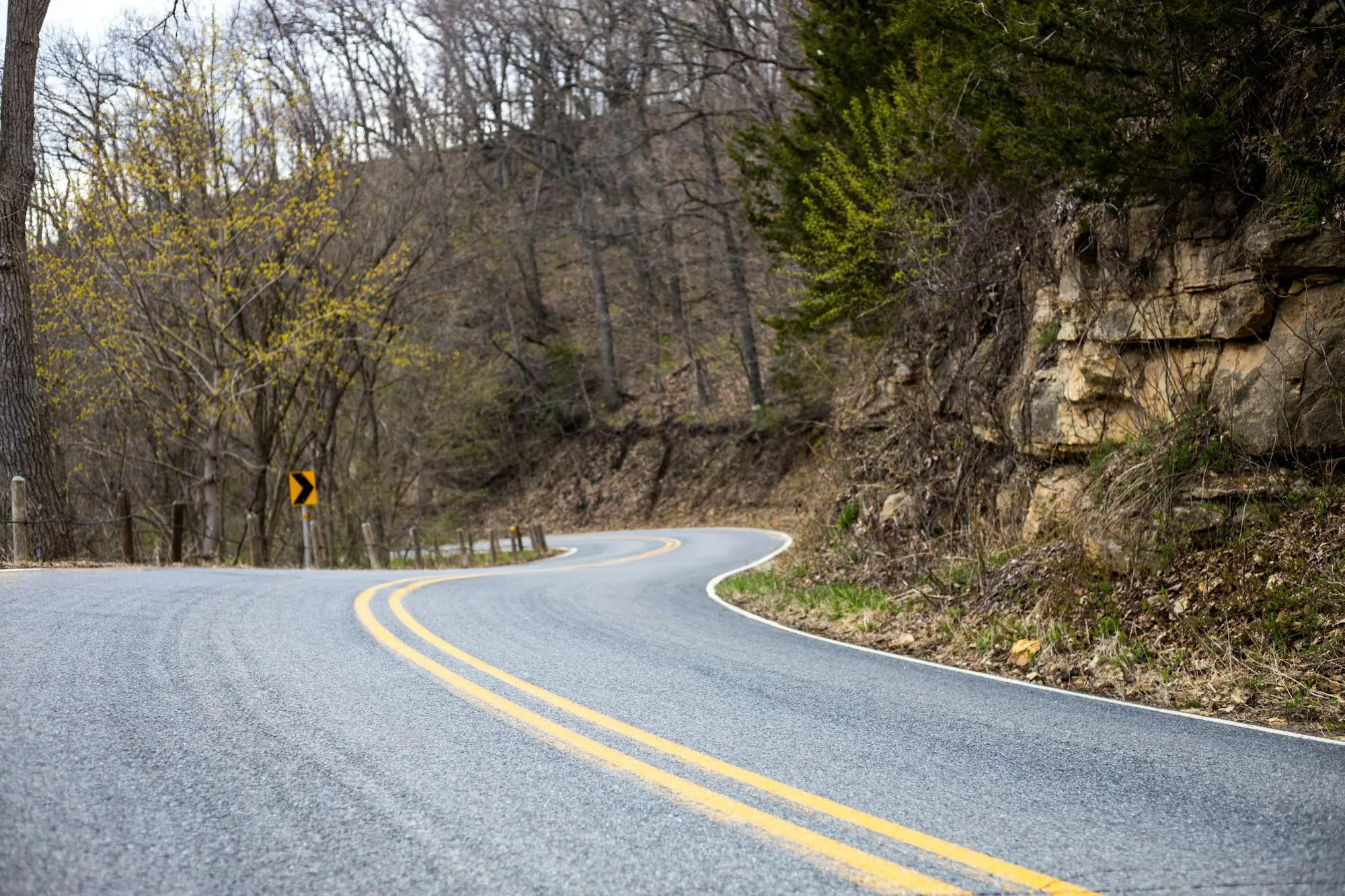
A winding two-lane asphalt road in the Appalachian mountains, photographed in dry daylight. Yellow double-center line markings guide through a series of tight left-hand curves. Dense deciduous and evergreen forest flanks both sides; a rock cut is visible on the right. The road surface and geometry suggest a technical, high-traffic riding corridor popular with motorcyclists.
Chris Flaten / Pexels

The Truth on the Street

What follows isn't a test verdict. It's what has come back to me over the years from riders themselves: conversations in paddocks and parking lots, club-night talk, and the messages and emails owners send me directly. On the 2017 Ninja 650 the chatter lands in one place pretty consistently. Owners talk about a bike that costs little to run and asks little of them, and they raise the same reservations about the hardware underneath it.

What owners keep coming back to

The money side comes up first in almost every conversation. Riders describe low running costs and modest service bills, and they rate the equipment they get for the price. The 649cc twin draws steady praise for the same reason: usable power from around 4,000 rpm and a fatter midrange than the older bike, so nobody is hunting gears at road speeds. Owners also mention how light it feels turning in, and that the riding position works for a commute and a long day both. Several note the finish reads better than they expected.

Where the reservations show up

The fork is the recurring gripe. There is no adjustment on it at all, and riders say it feels under-damped when they push, with the rear limited to preload. Rough pavement is where they notice it. A smaller group, mostly coming off bigger bikes, finds the engine short of thrill up top and describes it as running out of breath near the ceiling.

Known issues

  • Lean fueling causes airbox backfire

    engine occasional

    Some owners report occasional popping or backfiring from the airbox during deceleration, attributed to lean fuel mapping from the factory.

  • Intermittent starting and ECU code 62

    electrics occasional

    Multiple riders have experienced random no-start conditions where the dash goes blank and the ECU throws code 62, often temporarily resolved by a jump or push start.

  • Throttle hesitation on higher-mileage bikes

    fuel system occasional

    Owners of higher-mileage examples report a stumble or hesitation on initial throttle opening, potentially due to fouled throttle bodies, injector wear, or sensor drift.

The Expert Benchmark

Where this Kawasaki Ninja 650 pulls ahead of — or falls behind — its rivals on the numbers, and the typical bike in its class on character.

What kind of bike this is — character vs. the class

This bike Class average

The shape of the Kawasaki Ninja 650 — numbers and character vs. the average Supersport

The Handshake Score

Forget spec-sheet bragging. Here's who the Ninja 650 is actually built for.

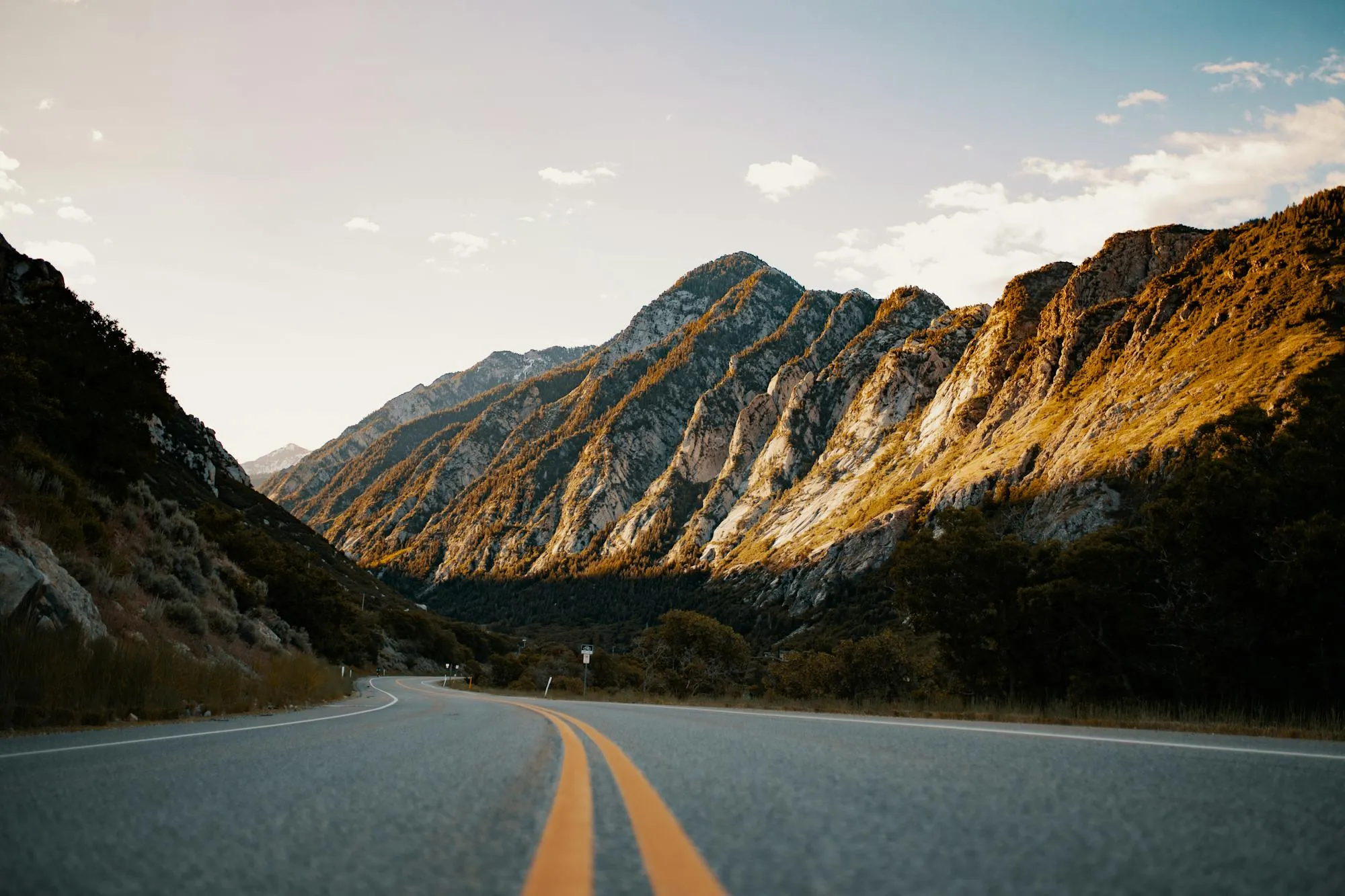
A scenic view of Angeles Crest Highway winding through rugged Southern California canyon terrain. Rocky mountainsides with golden earth tones frame the asphalt road with tight sweeping curves. Double yellow center line visible, sparse vegetation along the shoulders, clear blue sky with white clouds. Daylight, dry conditions. Iconic location for canyon-road enthusiasts.
Josh Sorenson / Pexels

Best motorcycle for Tail of the Dragon?

Good match. On the Dragon and Cherohala your pace comes from line and timing, not horsepower, and this bike is light and steady enough to let you work on both all day without wearing you out.

Made for Back of the Dragon · Blue Ridge Parkway · Cherohala Skyway
Best motorcycle for Angeles Crest?

It fits the canyons if precision is the goal. On Angeles Crest with a fast group you will be working, but you get a bike you can ride near its own limit instead of a fraction of someone else's.

Made for Angeles Crest Highway · Coronado Trail / US 191 · Highway 1 / Big Sur

Best motorcycle for Texas Hill Country?

Hill Country loops suit it well. Cheap to run, calm at highway speed, comfortable enough for a full Saturday, and the 4.0 gal tank keeps fuel stops from chopping up the day.

Made for Austin / Texas Hill Country · Twisted Sisters · Austin / Handbuilt Motorcycle Show

What's new versus the previous generation

If you're cross-shopping the older generation, here's what changed.

Kawasaki ER-6f (ER6f-MY2006)

Previous generation · 2006–2017

Kawasaki ER-6f (ER6f-MY2006)

Reliable Middleweight That Simply Works

Compare to the previous model →

Alternatives to the Kawasaki Ninja 650

If this one isn't quite the fit, these are the bikes worth riding back-to-back against it.

Any price note compares both bikes at the same age — the youngest age both have on the used market — against this Kawasaki Ninja 650. “cheaper/pricier” is what that bike costs second-hand, not how worn it is.