·

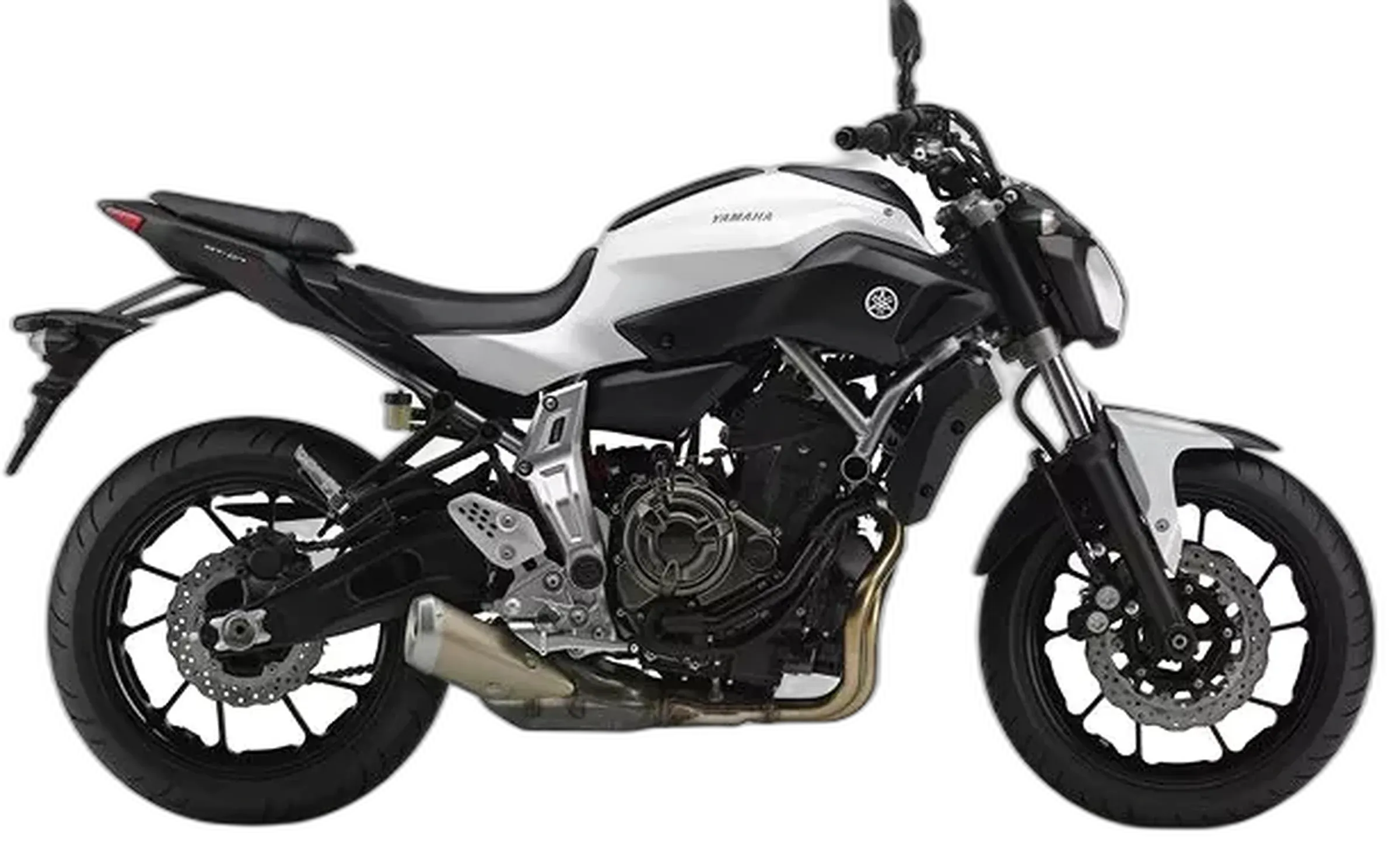
Yamaha MT-07 (RM04) — Naked Bike
NastyNils / Yamaha press archive

2014–2017 · Naked Bike · Buyer's Guide

MT-07 (RM04)

Raw Twin, Weightless Handling

The Machine's Character

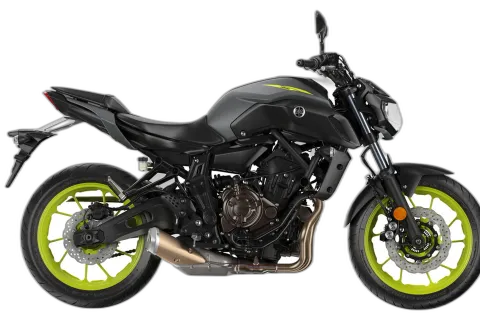
The MT-07's heart is the CP2: a 689 cc parallel twin with a 270-degree crank that fires with the offbeat pulse of a V-twin. It makes 75 hp, but the real story is the 50 lb-ft of torque landing at just 6,500 rpm, so the bike pulls hard and early without asking you to chase revs. Wrap that around a steel diamond frame at 401 lb wet and you have a featherweight naked with no traction control, no ride modes, no rider aids of any kind. It is a deliberately direct machine that sits at the accessible, affordable end of the class.

On the road it ages well in the ways that matter to your wallet. Reliability is genuinely strong, running costs stay low, and at 69 mpg it sips fuel. The aftermarket is vast, so the bike grows with you. It suits riders who want real character and quick handling without a premium price or a steep learning curve. The honest caveat is that this generation has its quirks. The ECU can stumble into an idle cutout, and the peripheral finishes corrode faster than they should, so budget for some fettling if you plan to keep it long.

Hard Numbers

Spec sheets don't ride bikes, but they set the baseline.

Show full specs & equipment Hide specs & equipment
Key specifications
Power 75 hp (55 kW) @ 9,000 rpm
Torque 50 lb-ft (68 Nm) @ 6,500 rpm
Displacement 689 cc
Engine Parallel twin
Bore × stroke 80 × 68.6 mm
Compression 11.5:1
Cooling Liquid-cooled
Fuel system EFI (throttle body)
Gearbox 6-speed
Final drive Chain
Frame Steel diamond
Fork Telescopic
Front brake 282 mm
Rear brake 245 mm
Front tire 120/70 ZR17 M/C (58W)
Rear tire 180/55 ZR17 M/C (73W)
Wheelbase 55.1 in (1400 mm)
Seat height 31.7 in (805 mm)
Wet weight 401 lb (182 kg)
Fuel capacity 3.7 gal (14 L)
Top speed 130 mph (210 km/h)
Fuel economy 69 mpg (US)

Equipment check

Chassis

  • Rear Suspension Adjustable Standard

Safety

  • ABS Optional

The Voice of Experience

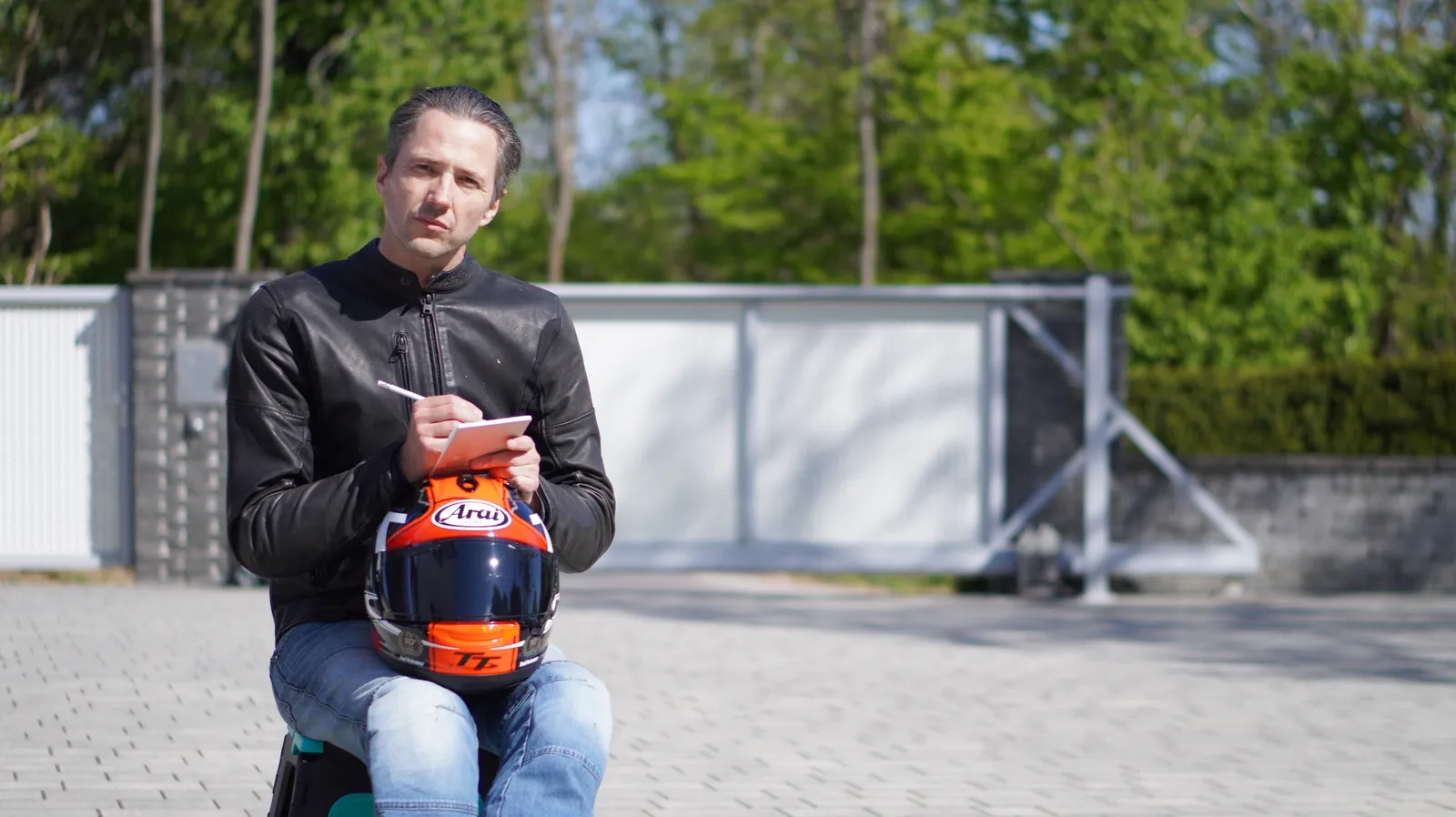
Portrait of NastyNils

The test ride

Thumb the starter and the 270-degree firing order gives you that lumpy, syncopated bark at idle that never sounds like a clinical twin. There is a real buzz through the pegs and bars as the revs climb, the kind of mechanical texture that reminds you something is actually working underneath you. The seat sits at 31.7 in and the bike is narrow between your knees, so getting both feet down is easy for most riders. What stays with you is how little it weighs. At 401 lb it tips into a turn with almost no effort at the bars, swaps direction in town traffic, and U-turns like a far smaller machine. The controls are light at the lever and feel friendly from the first mile, never intimidating, never heavy in your hands.

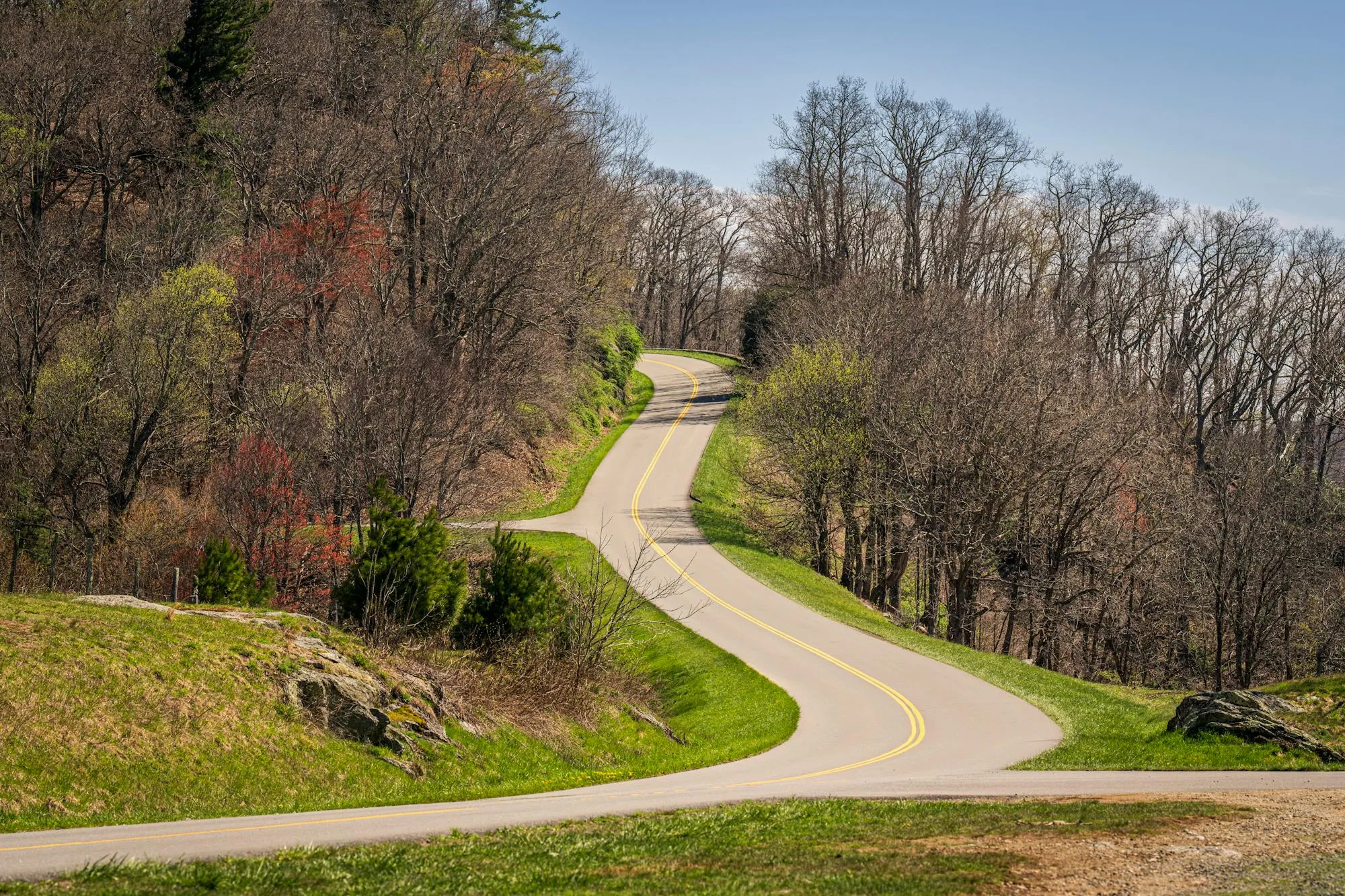
A winding asphalt road descending through the Appalachian Mountains, likely the famous Tail of the Dragon section in Tennessee and North Carolina. Multiple technical right-hand and left-hand curves are visible in this aerial perspective, surrounded by deciduous forest in spring foliage. Clear sunny conditions, well-maintained asphalt with yellow center lines marking the curves. No motorcycle or rider visible in the frame.
Mark Stebnicki / Pexels

The Truth on the Street

Over the years I've kept a running tally of what owners actually say about this bike: the comments left under my videos, the long forum threads where riders trade notes, the people I end up talking with at events, and the emails and messages that land in my inbox. Pull the MT-07's signal out of all that chatter and it splits cleanly. There's deep affection for how it goes and steers, paired with steady frustration at the parts Yamaha clearly trimmed to hit the price.

The core riders keep praising

Ask owners what they love and the answer comes back fast and consistent: the engine. The crossplane twin draws near-universal warmth for its torquey, characterful pulse, the kind of motor people call exciting without ever feeling like a handful. Just behind it sits the chassis. At its light curb weight the bike reads as genuinely nimble, almost supermoto-like, quick to tip in and easy to wheel around at walking pace. The goodwill carries into ownership, too. Riders rate the motor as exceptionally tough, with plenty reporting six-figure mileage and no serious work, and they keep returning to how cheap it is to run and how welcoming it feels from the first ride, whatever their experience level. For a lot of them the headline is simply how much real bike the money buys.

Where the long days bite

The grumbles start once the rides stretch out. The stock seat comes up again and again, owners finding it uncomfortable inside the first hour and saying its shape keeps nudging them forward; Yamaha's own comfort seat accessory gets read as a quiet admission. With nothing to break the wind, sustained highway pace wears people down quickly. A steady chorus points to the buzz that builds through the bars, pegs, and mirrors once the revs climb, enough to blur the glass and leave hands tingling on a long stint. The modest tank earns the same recurring note for holding back the range riders would like, and the fuel gauge has a reputation for reading optimistically before falling away in a hurry.

Built down to a price

The other cluster is hardware, and here the verdict is blunt. The soft, underdamped suspension is the single most-repeated complaint, with the non-adjustable front end called too soft for spirited riding and the rear losing its composure as the miles pile on. The brakes draw the next wave of criticism: a front short on initial bite and vague through the early lever travel, a rear many call spongy, and pads that fade fast. The halogen headlight surfaces constantly for thin low-beam output that turns night riding into a chore. Owners also flag cheap finishes that let corrosion creep onto the peripheral parts, plus the abrupt low-rpm throttle that grates in town traffic.

Known issues

  • Intermittent engine cutout at idle and during deceleration

    fuel systemcommon

    The engine cuts out intermittently, especially when idling at traffic lights or decelerating to a stop. The ECU appears to reduce fuel supply too aggressively at idle. Problem worsens in hot weather. Stalling during downshifting is particularly hazardous. Multiple NHTSA consumer complaints filed. Reportedly improved with ECU mapping adjustments in later production.

  • Battery loses charge during extended standstill

    electricsoccasional

    Battery depletes when the bike sits for extended periods. Components draw power even when ignition is off. On models with parking light position, the ignition switch can cause parasitic draw if moisture enters. Some owners report charging system issues linked to the regulator/rectifier.

  • Instrument cluster LCD flickers, goes blank, or shows partial information

    electricsoccasional

    LCD display develops flickering, blank sections, or complete failure. Causes include loose internal ribbon cable, water ingress, or corroded connector pins. Aftermarket replacement LCD modules available (same part 2014–2020 compatible).

  • 5th gear slips out under hard acceleration

    drivetrainoccasional

    Under hard use (track riding), the 5th gear engagement dogs can round off, causing the transmission to slip into a false neutral at full throttle. Factory drive dogs have a zero-degree back cut prone to disengagement under wear. Primarily a track/racing concern, not typical on the street.

  • Pronounced clutch rattle at idle; potential inner plate failure

    engineoccasional

    Pronounced rattling noise from the clutch at idle in neutral. Noise disappears when clutch lever is pulled in. In severe cases, inner clutch plates can break or shatter. Contributing factor may be worn clutch basket. More pronounced on cold starts.

  • Gear indicator fails to display correct gear (especially 5th/6th)

    electricscommon

    The gear indicator in the LCD display fails to show the correct gear, particularly in 5th and 6th gear. The number flashes, disappears, or displays incorrect values. Root cause: dirty contacts on the gear position sensor. Cleaning is a temporary fix; sensor replacement (~40 USD) is the permanent solution. Yamaha developed a revised sensor.

  • Poor surface finishes on fasteners and coolant pipes

    bodyworkoccasional

    Widespread corrosion across peripheral components: radiator coolant pipes (chrome with thin lacquer, deteriorates rapidly from road spray), allen key bolt heads, brake line fittings, disc bobbins, gear lever linkage, rear sprocket, suspension linkage fasteners, and seat lock (seizes). Screw heads across the frame show rust. Weld slag not properly cleaned on some frames.

  • Side stand safety switch causes unexpected engine cutout

    electricsoccasional

    The bike starts normally in neutral but dies immediately when shifted into gear. Caused by the kickstand safety switch failing, corroding, or the starter cutoff relay malfunctioning. The switch connector is vulnerable to moisture ingress.

  • Surface rust on steel swingarm

    chassisvery common

    The steel swingarm develops surface rust, particularly underneath the chain guard and near chain adjusters. Rust can appear within months of purchase, even without winter riding. The paint/coating is thin and easily damaged by chain debris. Weld seams and areas under the chain slider are most affected. Yamaha has replaced some swingarms under warranty.

The Expert Benchmark

Where this Yamaha MT-07 pulls ahead of — or falls behind — its rivals on the numbers, and the typical bike in its class on character.

What kind of bike this is — character vs. the class

This bike Class average

The shape of the Yamaha MT-07 — numbers and character vs. the average Naked Bike

Head-to-head: Yamaha MT-07 vs. its rivals

The 'Should I Buy It?' Score

Forget spec-sheet bragging. Here's who the MT-07 is actually built for.

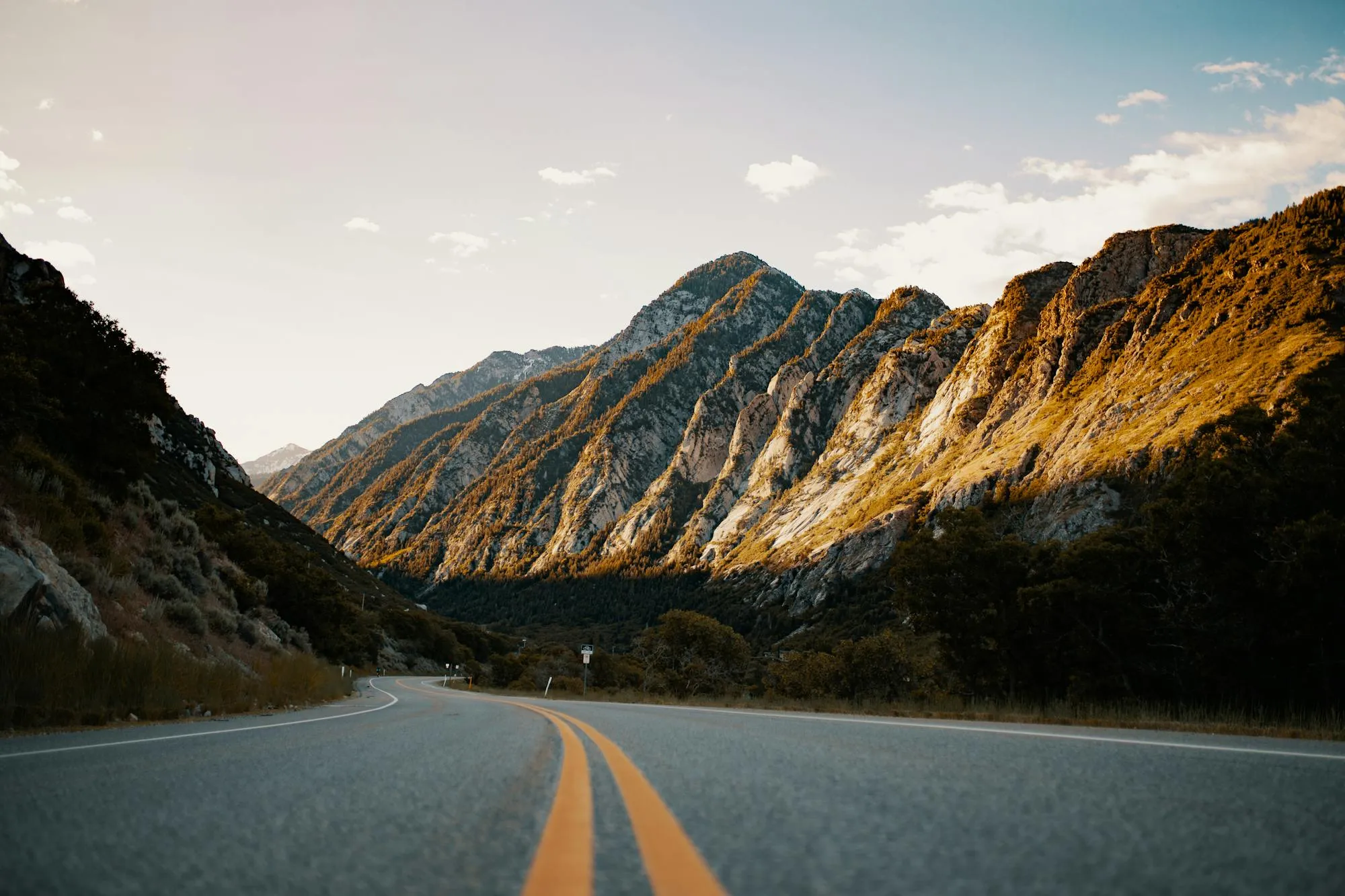
A scenic view of Angeles Crest Highway winding through rugged Southern California canyon terrain. Rocky mountainsides with golden earth tones frame the asphalt road with tight sweeping curves. Double yellow center line visible, sparse vegetation along the shoulders, clear blue sky with white clouds. Daylight, dry conditions. No motorcycle or rider visible. Iconic location for canyon-road enthusiasts.
Josh Sorenson / Pexels

Best motorcycle for Tail of the Dragon?

Weekends spent linking tight corners on the Dragon and the Blue Ridge suit this bike well. Its light weight and early torque reward clean technique over horsepower. Just remember there are no rider aids to fall back on.

Made for Back of the Dragon · Blue Ridge Parkway · Cherohala Skyway

Best motorcycle for Angeles Crest?

For canyon runs above LA it is quick, flickable and precise where it counts, and you will outpace the spec sheet on a tight road. Hard track-pace riders may eventually want more outright power and electronic backup.

Made for Angeles Crest Highway · Coronado Trail / US 191 · Highway 1 / Big Sur

Best motorcycle for Texas Hill Country?

Made for Austin / Texas Hill Country · Twisted Sisters · Austin / Handbuilt Motorcycle Show