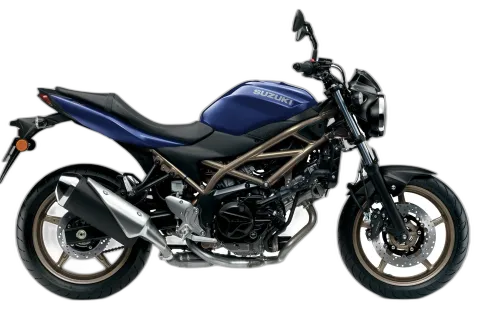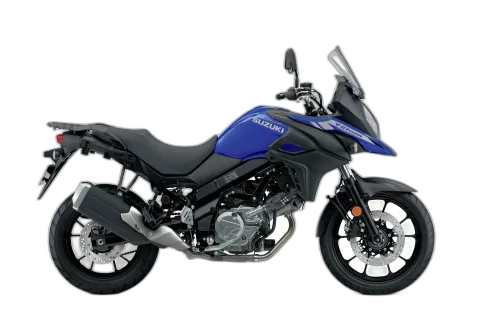
Suzuki SV650 (WCX0) — Naked Bike
Suzuki Press

2016–2020 · Naked Bike · Buyer's Guide

SV650 (WCX0)

Reliable V-Twin, Zero Drama

The Machine's Character

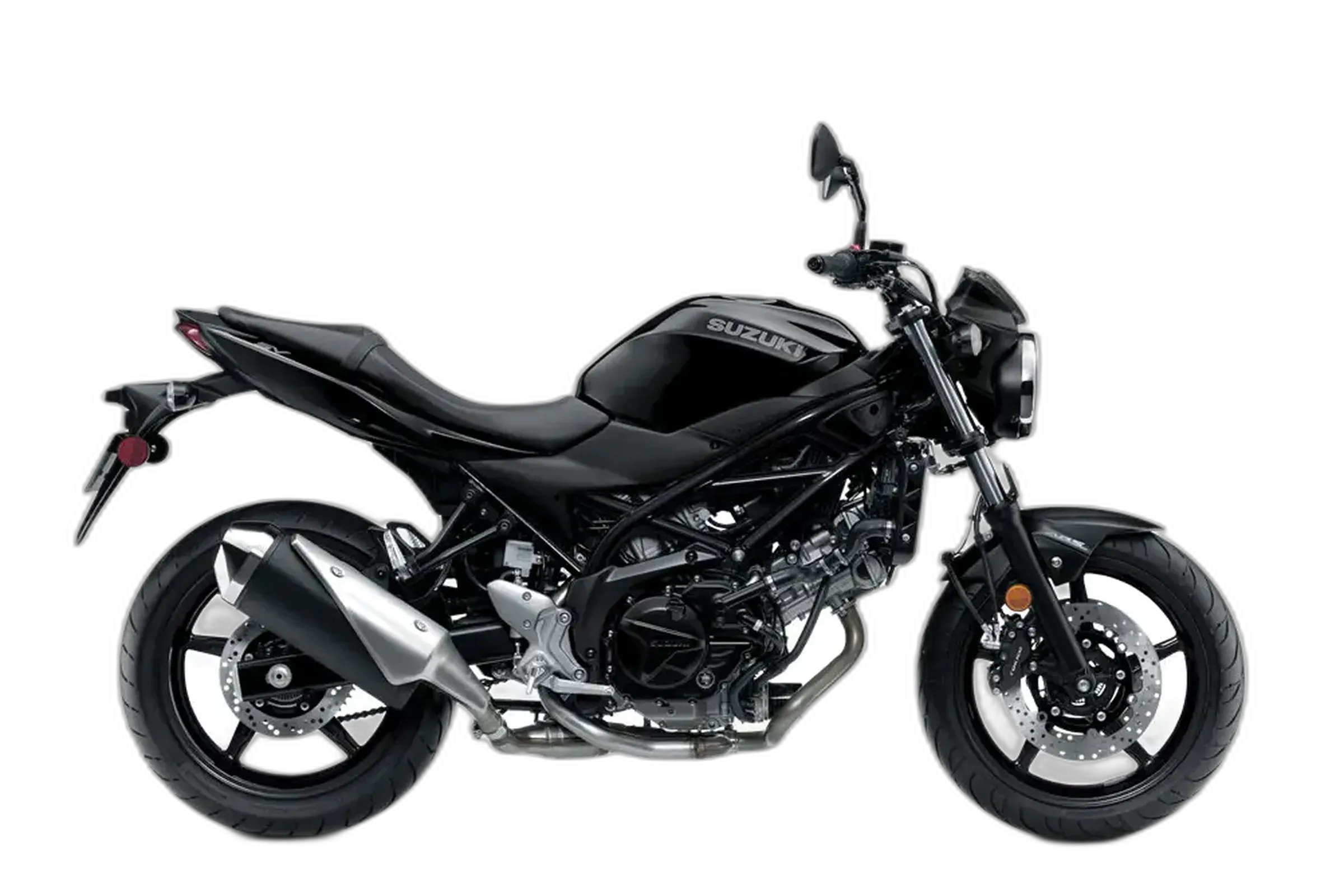
The SV650 is built around a 645 cc, 90-degree V-twin making 76 hp and 47 lb-ft, and both peaks sit high in the rev range, so the engine wants to be worked rather than short-shifted. Everything wrapped around it is deliberately plain: a steel frame, a telescopic fork with no adjustment at either setting, 290 mm brakes up front, a simple dash. What that buys you is 434 lb wet and a 30.9 in seat. In a class that keeps adding screens and modes, this one spends its money on the parts you actually ride.

Mechanically it ages the way a Suzuki twin should. Reliability is the quiet headline, running costs stay low, and the chassis keeps its manners as the miles pile on. It suits a rider who wants a bike that rewards skill instead of masking it, and who would rather spend on tires and fuel than on electronics. The honest caveats: the fork gives you nothing to dial in, rear preload is your only adjustment, ABS is an option rather than standard fitment, and the front cylinder area needs watching for corrosion in wet climates.

Hard Numbers

Spec sheets don't ride bikes, but they set the baseline.

Show full specs & equipment Hide specs & equipment
Key specifications
Power 76 hp (56 kW) @ 8,500 rpm
Torque 47 lb-ft (64 Nm) @ 8,100 rpm
Displacement 645 cc
Engine 90° V-twin
Cooling Liquid-cooled
Gearbox 6-speed
Final drive Chain
Fork Telescopic
Front brake 290 mm
Front tire 120/70-17
Rear tire 160/60-17
Wheelbase 56.9 in (1445 mm)
Seat height 30.9 in (785 mm)
Wet weight 434 lb (197 kg)
Fuel capacity 3.6 gal (13.8 L)
Fuel economy 57 mpg (US)

Equipment check

Chassis

  • Rear Suspension Adjustable Standard

Safety

  • ABS Optional

The Voice of Experience

Portrait of NastyNils

The test ride

The first thing you register pulling away is the sound. That 90-degree twin has a hard, uneven beat that arrives through the pegs and the seat rather than the bars, and it keeps changing tone instead of droning at you. The riding position is upright and narrow, bars close, and at 30.9 in most riders get both boots flat at a light. Nothing in the cockpit asks to be learned first. At 60 to 70 mph the wind loads your chest the way a naked bike should, which makes an ordinary back road feel quick without pushing you into stupid speeds. The 434 lb shows up at walking pace in a parking lot and disappears once you are rolling. Vibration stays a texture, never a nuisance, and 57 mpg keeps the gas stops from shaping your day.

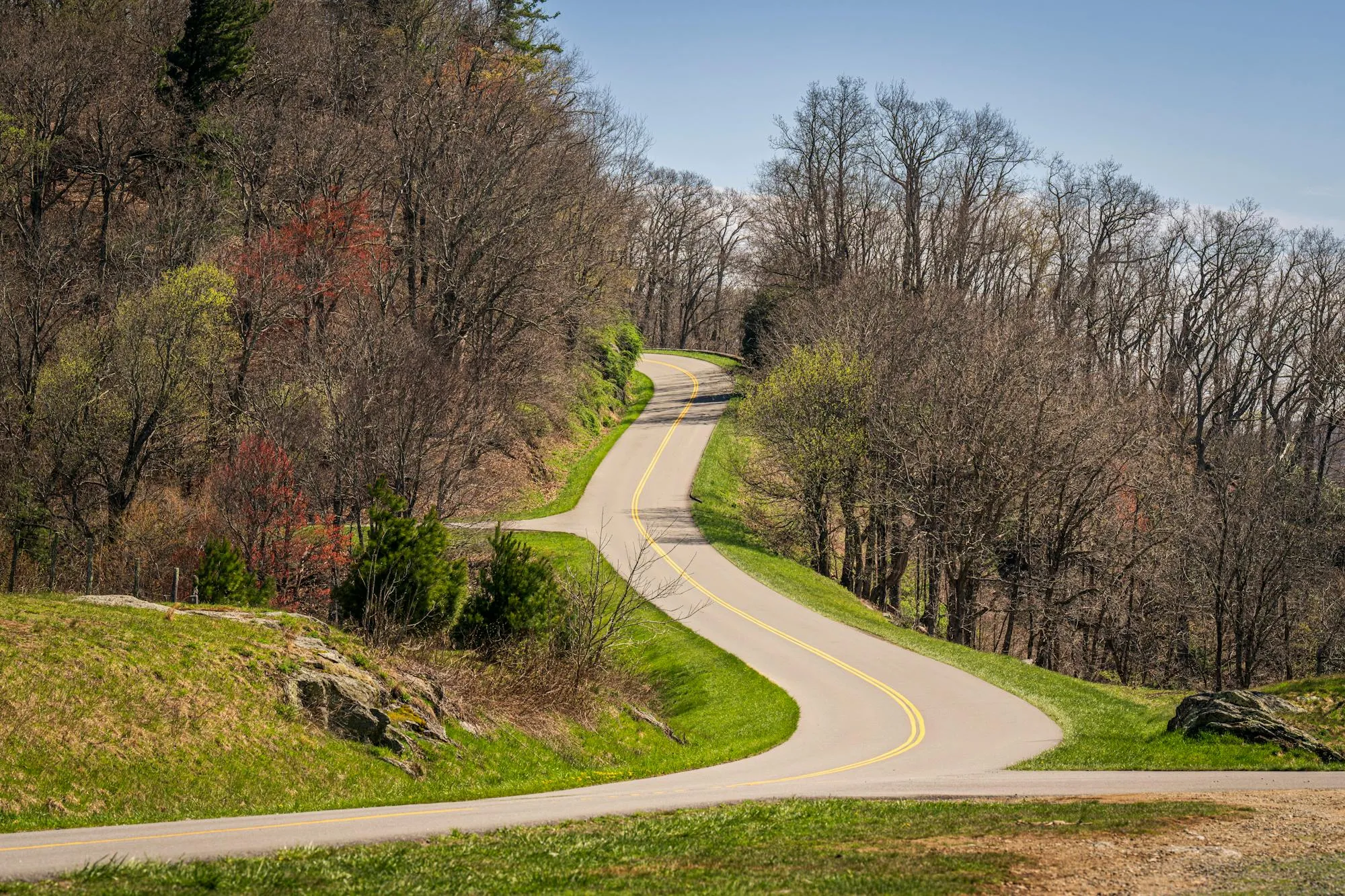
A winding asphalt road descending through the Appalachian Mountains, likely the famous Tail of the Dragon section in Tennessee and North Carolina. Multiple technical right-hand and left-hand curves are visible in this aerial perspective, surrounded by deciduous forest in spring foliage. Clear sunny conditions, well-maintained asphalt with yellow center lines marking the curves.
Mark Stebnicki / Pexels

The Truth on the Street

This part isn't from a spec sheet. It comes from years of listening: paddock talk, conversations at club nights, riders I keep bumping into at fuel stops, and the messages and emails that land in my inbox from people who own these bikes. On the SV650 the chatter is unusually consistent. Riders talk about the engine and the running costs first, and their gripes sit almost entirely with the suspension and the presentation.

The V-twin everyone brings up first

Almost every conversation starts with the motor. Riders describe it as smooth and torque-rich, pulling cleanly from low revs and building in a friendly, linear way, with an exhaust note they keep coming back to. Right behind that comes money. Owners consistently call it one of the cheapest middleweights to buy, insure, and keep running, helped by roughly 57 mpg US (4.1 L/100km). The handling gets similar treatment: light, flickable, easy to place on tight backroads and in traffic. Shorter riders and newer riders mention the low seat and manageable weight without being asked. Reliability rarely comes up as a worry, and the aftermarket keeps parts easy to find.

Where the complaints cluster

The suspension is the recurring gripe. Riders find the fork and shock harsh over bad pavement and out of their depth when the pace climbs, and plenty of owners end up changing them. The other steady complaint is presentation. Many call the styling anonymous and the dash sparse next to newer rivals.

Known issues

  • Regulator/rectifier failure (factory recall)

    electrics occasional Recall

    The original regulator/rectifier is prone to overheating and failure, potentially causing charging system issues. Suzuki issued a recall campaign for affected 2016 models; a second R/R recall also surfaced later.

  • Cam chain tensioner premature wear

    engine occasional

    The automatic cam chain tensioner can wear prematurely, leading to a rattling noise from the engine; replacement is straightforward but may be needed around mid-life mileage.

  • Front spark plug well corrosion

    engine occasional

    Water running off the front cylinder head can block the drain hole and corrode the front spark plug/coil, especially after riding in rain. Fitting a longer front mudguard helps.

  • Exhaust header stud corrosion

    exhaust occasional

    The exhaust studs on the front cylinder are prone to rust and seizure, which can complicate header removal; regular lubrication or replacement with stainless studs is a known fix.

  • Exhaust pipe cracking at the collector

    exhaust rare

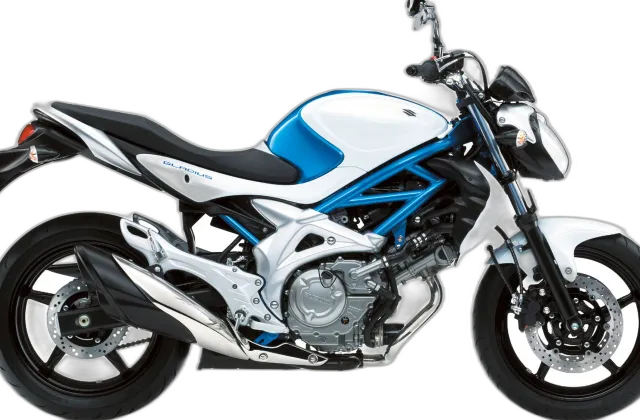
    The new-design 2-into-1 exhaust system (without the Gladius’ lower chamber) can develop cracks where the pipes meet; this may cause an exhaust leak and requires welding or replacement.

  • Fuel gauge erratic behavior

    engine occasional

    Some owners report the fuel gauge sweeps back and forth erratically, especially after refueling. The range prediction may also drop temporarily when cold fuel is added, returning to normal as the tank warms.

  • Gear position indicator misreads when stationary

    electrics occasional

    With the bike stopped in first gear, the gear position indicator occasionally shows second gear. Parking in first gear overnight has been reported to cure this, suggesting a switch actuator issue.

The Expert Benchmark

Where this Suzuki SV650 pulls ahead of — or falls behind — its rivals on the numbers, and the typical bike in its class on character.

What kind of bike this is — character vs. the class

This bike Class average

The shape of the Suzuki SV650 — numbers and character vs. the average Naked Bike

Head-to-head: Suzuki SV650 vs. its rivals

The 'Should I Buy It?' Score

Forget spec-sheet bragging. Here's who the SV650 is actually built for.

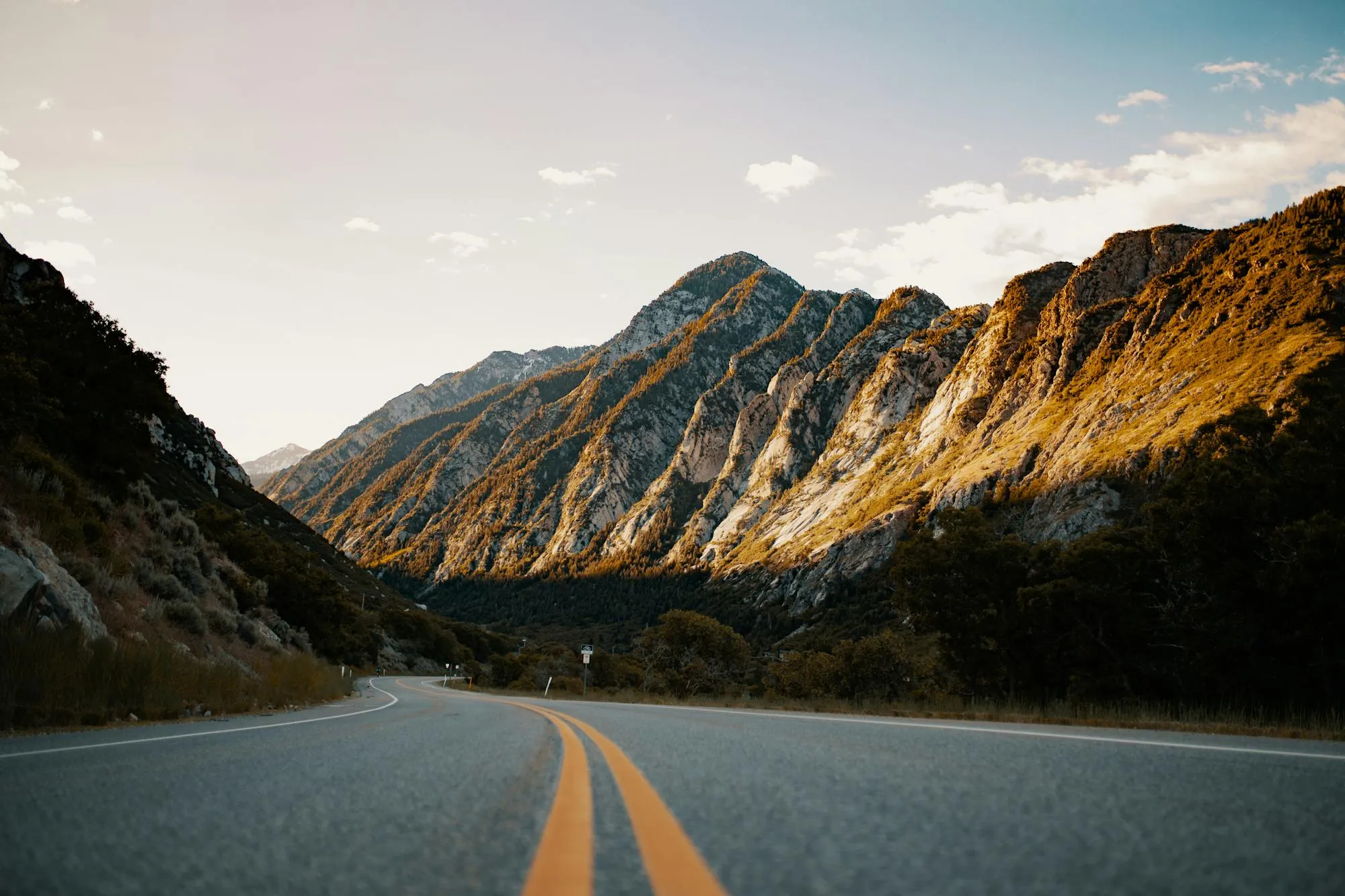
A scenic view of Angeles Crest Highway winding through rugged Southern California canyon terrain. Rocky mountainsides with golden earth tones frame the asphalt road with tight sweeping curves. Double yellow center line visible, sparse vegetation along the shoulders, clear blue sky with white clouds. Daylight, dry conditions. Iconic location for canyon-road enthusiasts.
Josh Sorenson / Pexels

Best motorcycle for Tail of the Dragon?

For repeat runs on the Dragon, Cherohala and the Blue Ridge, this fits your goal exactly: light, forgiving, cheap to keep. You will out-ride the fork long before you out-ride the engine.

Made for Back of the Dragon · Blue Ridge Parkway · Cherohala Skyway
Best motorcycle for Angeles Crest?

On Angeles Crest it pays you back for corner speed and momentum, not horsepower. Ride it for precision and it delivers. Ride with a group that fights on the straights and you will be working.

Made for Angeles Crest Highway · Coronado Trail / US 191 · Highway 1 / Big Sur

Best motorcycle for Bay Area?

Skyline on Sunday, city streets midweek. Easy to park, cheap to run, and honest about what it is. Just do not go looking for a TFT screen or phone connectivity, because there is none.

Made for Bay Area Ridge Roads · San Francisco / Bay Area · Skyline Boulevard / Alice's Restaurant