
Kawasaki ER-6f (ER6f-MY2006) — Sport Tourer
NastyNils / Kawasaki press archive

2006–2017 · Sport Tourer · Buyer's Guide

ER-6f (ER6f-MY2006)

Reliable Middleweight That Simply Works

The Machine's Character

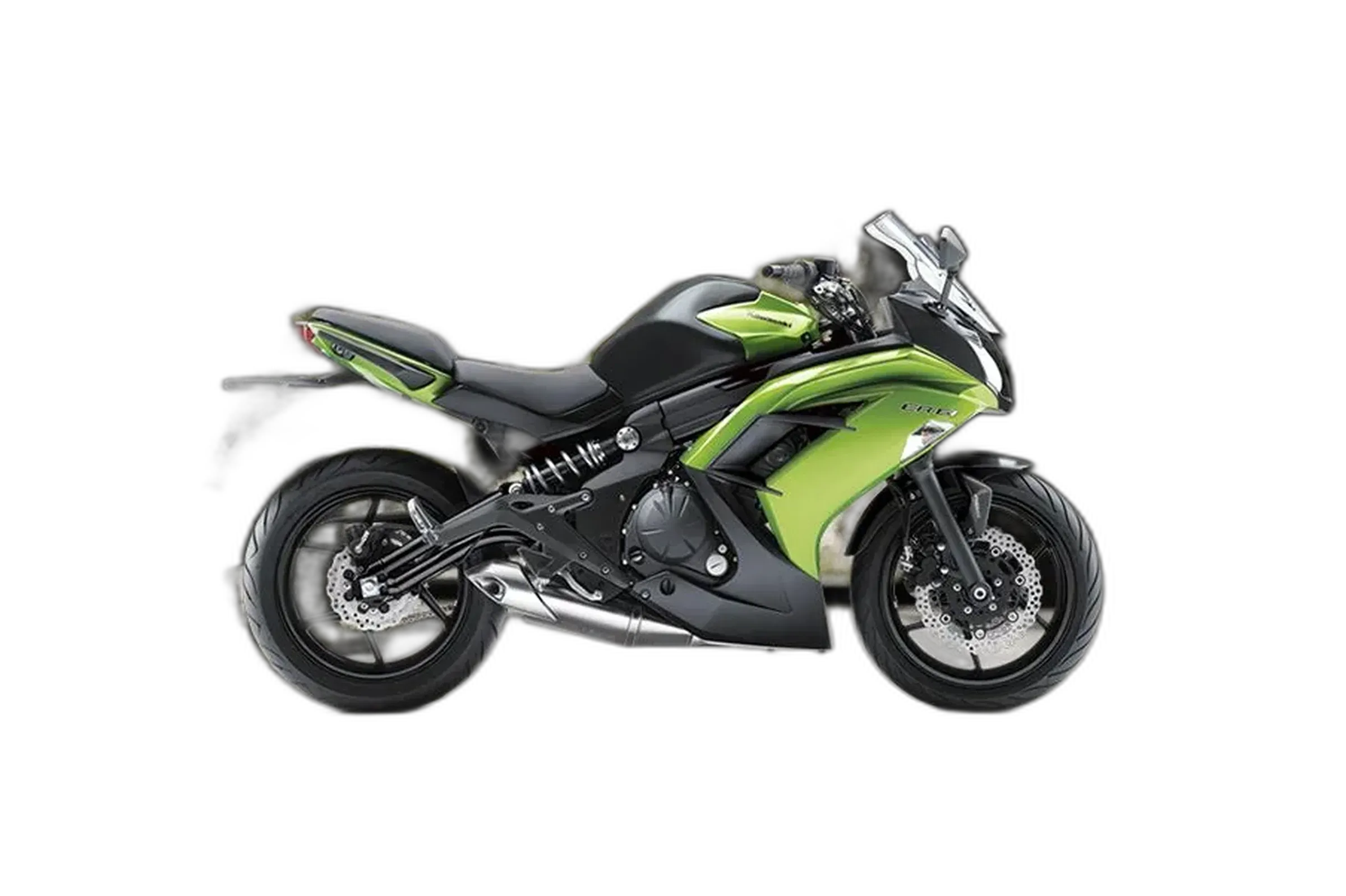
The ER-6f wraps a 649cc parallel twin in a steel trellis frame and a full fairing, and the result is one of the most sensible middleweights ever built. The 72 hp on tap won't dominate a spec sheet, but it lands right where you actually use it, with usable mid-range and a light, willing chassis underneath. This is the faired all-rounder built to be a genuine first big bike: approachable, honest, and easy to read from the first mile. It commutes Monday through Friday and still happily takes a Sunday loop through the hills.

On the road it rewards rider input over horsepower, turning in lightly and holding a line without drama. It ages well, too, because the running costs stay low and the engine takes high mileage in its stride. Who's it for? Riders who want a dependable, fair-priced companion more than bragging rights. The honest caveat: at 441 lb the twin's output is adequate rather than commanding, so if your idea of sport touring leans on big, effortless overtakes with luggage and a pillion, this one asks you to plan ahead. Within its limits, it rarely puts a foot wrong.

Hard Numbers

Spec sheets don't ride bikes, but they set the baseline.

Show full specs & equipment Hide specs & equipment
Key specifications
Power 72 hp (53 kW) @ 8,500 rpm
Torque 47 lb-ft (64 Nm) @ 7,000 rpm
Displacement 649 cc
Engine Parallel twin
Bore × stroke 83 × 60 mm
Cooling Liquid-cooled
Fuel system Fuel injection
Gearbox 6-speed
Final drive Chain
Frame Steel trellis
Fork Telescopic
Front brake 300 mm
Rear brake 220 mm
Front tire 120/70ZR17
Rear tire 160/60ZR17
Seat height 30.9 in (785 mm)
Wet weight 441 lb (200 kg)
Fuel capacity 4.1 gal (15.5 L)
Top speed 130 mph (209 km/h)
Fuel economy 37 mpg (US)

Equipment check

Chassis

  • Rear Suspension Adjustable Standard

Safety

  • ABS Optional

The Voice of Experience

Portrait of NastyNils

The test ride

Swing a leg over and the 30.9-inch seat puts most riders flat-footed, which sets the tone for everything that follows. Thumb the starter and the parallel twin settles into that off-beat thrum you feel through the pegs and tank more than you hear it. The riding position is upright and roomy, the bars fall naturally to hand, and the fairing pushes enough air over your chest to make an hour at highway speed painless. At 441 lb it feels lighter than the number suggests in slow traffic, flicking side to side with almost no wrist effort. The one thing that creeps in on a long highway slog is a buzz through the bars that can leave your hands tingling after a couple of hours. Around town and on flowing back roads, though, the controls are light and the whole bike simply gets out of your way.

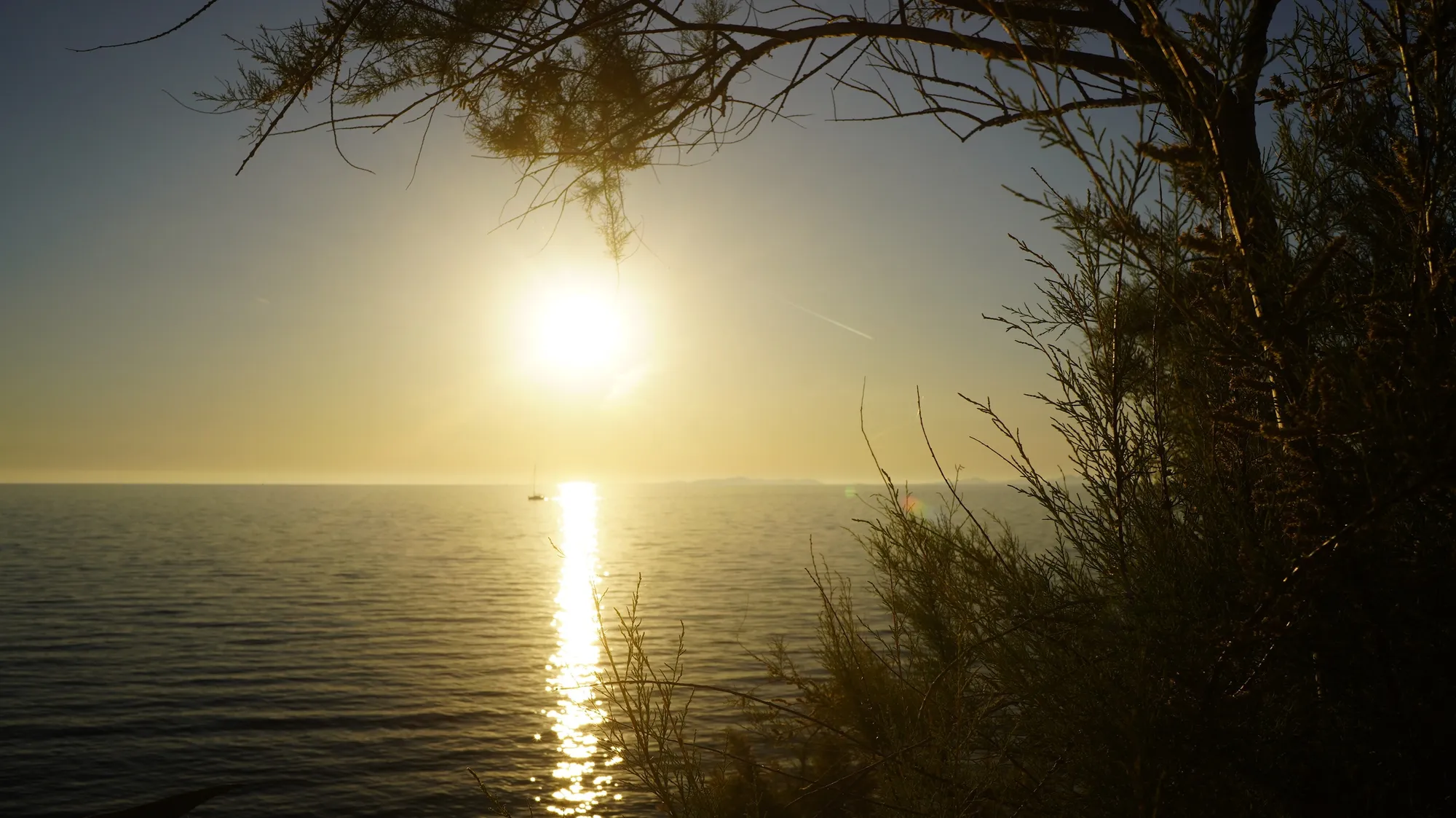
Sunset over the Adriatic Sea near Primosten, Croatia. Golden hour light bathes calm water in warm tones, with a small sailboat on the distant horizon. Rocky vegetation frames the right foreground. Clear skies and gentle conditions.

The Truth on the Street

I've spent years reading the YouTube comments, following the forum threads, talking with owners in the paddock, and answering the messages riders send me directly about this bike. Put all of that chatter in one pile and the pattern is steady rather than loud. People who own the ER-6f talk about it the way you talk about a tool you trust, and the few complaints land in a handful of predictable spots.

Where the praise settles

The engine draws the most consistent approval. Riders describe the 649cc parallel twin as flexible and smooth, with enough punch in the middle of the rev range to keep both first-timers and seasoned hands happy on the same bike. Close behind is the chassis: owners call it nimble yet settled, the kind of handling that builds confidence on a tight road and stays composed in town. Running costs come up again and again, with riders reporting it sips fuel and asks for little, and many bring up the price directly, calling it a lot of motorcycle for the money against its rivals. Underneath all of it sits a quiet reputation for durability, with most owners reporting nothing major ever goes wrong.

Where the gripes cluster

The suspension is the most common complaint. With non-adjustable forks and a preload-only shock, riders say the bike can feel harsh and lose its composure over rougher surfaces, especially as the pace climbs. The mirrors draw their own grumbles, since the short stalks tuck them into the rider's elbows, so getting a clean look behind takes an exaggerated shoulder check. And a few owners point to the build in places, noting untidy welds, messy-looking wiring, and metal finishing that reads as merely average.

Known issues

  • Frame cracking at engine mounts (early models)

    chassisrare

    On some 2006-2007 bikes, the high-tensile steel trellis frame could crack around the top engine mounting brackets in a hard spill, requiring inspection and possible welding.

  • Fuel pump failure

    fuel systemoccasional

    The fuel pump can fail after approximately 36,000 km, causing sudden power loss or a no-start condition.

  • Handlebar vibration and numb hands

    engineoccasional

    Prolonged highway use can cause uncomfortable vibration through the bars, leading to hand numbness; often attributed to the 180° crank firing intervals.

  • Stator/alternator coil failure

    electricsoccasional

    The stator and alternator coil are known to fail, often around 36,000 km, leading to charging system issues and a drained battery.

  • Oil leak from water pump assembly

    engineoccasional

    A slight oil leak can develop from the water pump assembly due to seal failure; resolved by replacing the pump, shaft and gaskets.

The Expert Benchmark

Where this Kawasaki ER-6f pulls ahead of — or falls behind — its rivals on the numbers, and the typical bike in its class on character.

What kind of bike this is — character vs. the class

This bike Class average

The shape of the Kawasaki ER-6f — numbers and character vs. the average Sport Tourer

Head-to-head: Kawasaki ER-6f vs. its rivals

The Long-Haul Verdict

Forget spec-sheet bragging. Here's who the ER-6f is actually built for.

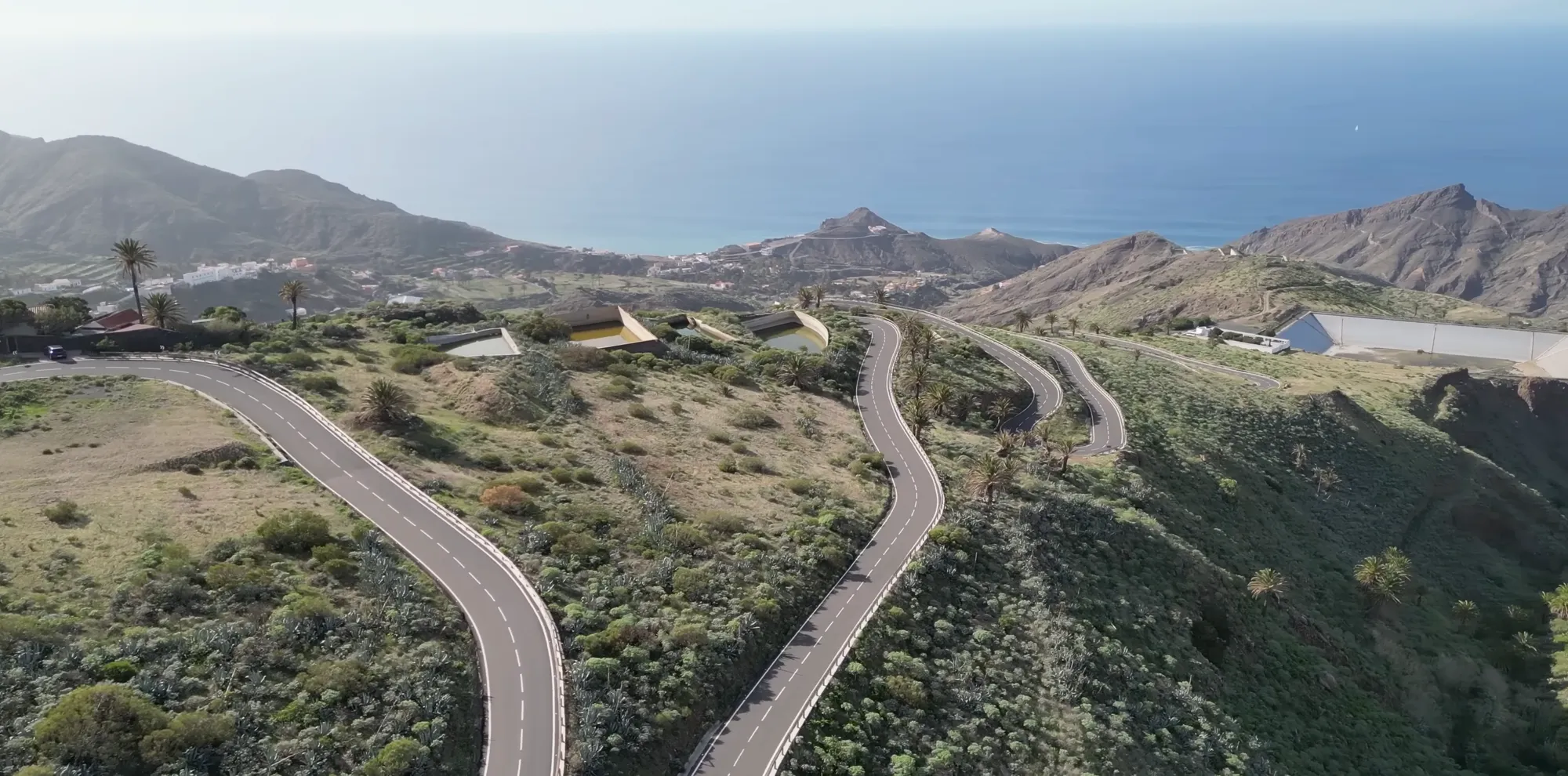
Aerial view of a winding asphalt road cutting through volcanic terrain on La Gomera, Canary Islands. The road curves through sparse green vegetation with rocky volcanic peaks visible in the background and a settled valley to the left. Clear lane markings, dry climate, partly cloudy sky.

Best motorcycle for Tail of the Dragon?

If you're chasing clean lines on the Dragon and Cherohala more than outright speed, the light steering and forgiving manners let you drill technique without the bike fighting back. Straight-line punch isn't its strength.

Made for Back of the Dragon · Blue Ridge Parkway · Cherohala Skyway
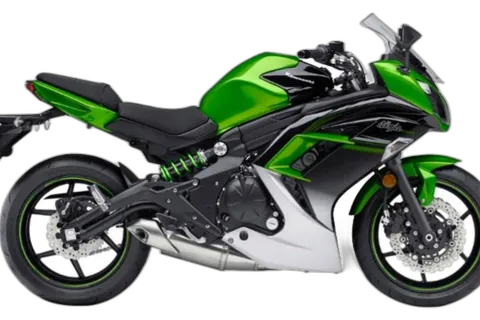
Best motorcycle for Highway 1?

For 200-400 mile days linking curves and scenery, the upright comfort and wind protection deliver. Travel light and solo and it's a fine companion; load it heavy two-up and the modest power asks for patience.

Made for Black Hills · Blue Ridge Parkway · Cherohala Skyway
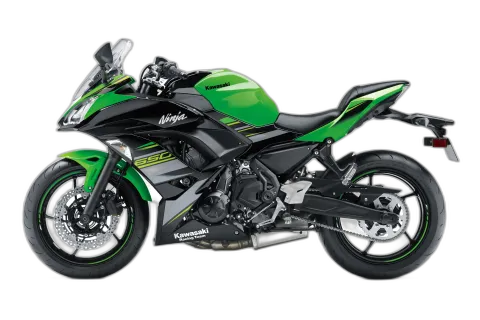
Best motorcycle for Angeles Crest?

Pushing hard on Angeles Crest, you'll find the limits of the non-adjustable fork and modest power fast. It's great for learning smooth lines, but committed canyon pace will leave you wanting more bike.

Made for Angeles Crest Highway · Coronado Trail / US 191 · Highway 1 / Big Sur

Alternatives to the Kawasaki ER-6f

If this one isn't quite the fit, these are the bikes worth riding back-to-back against it.

Any price note compares both bikes at the same age — the youngest age both have on the used market — against this Kawasaki ER-6f. “cheaper/pricier” is what that bike costs second-hand, not how worn it is.