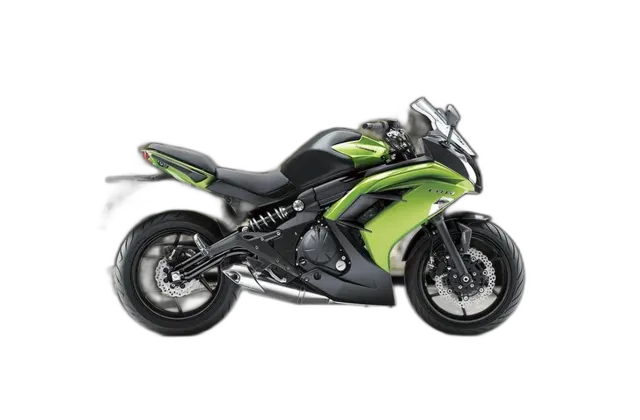
Kawasaki Ninja 650 KRT (MY2018) — Supersport
Kawasaki Press

2018–2019 · Supersport · Buyer's Guide

Ninja 650 KRT (MY2018)

Built to Last, Fun to Run

The Machine's Character

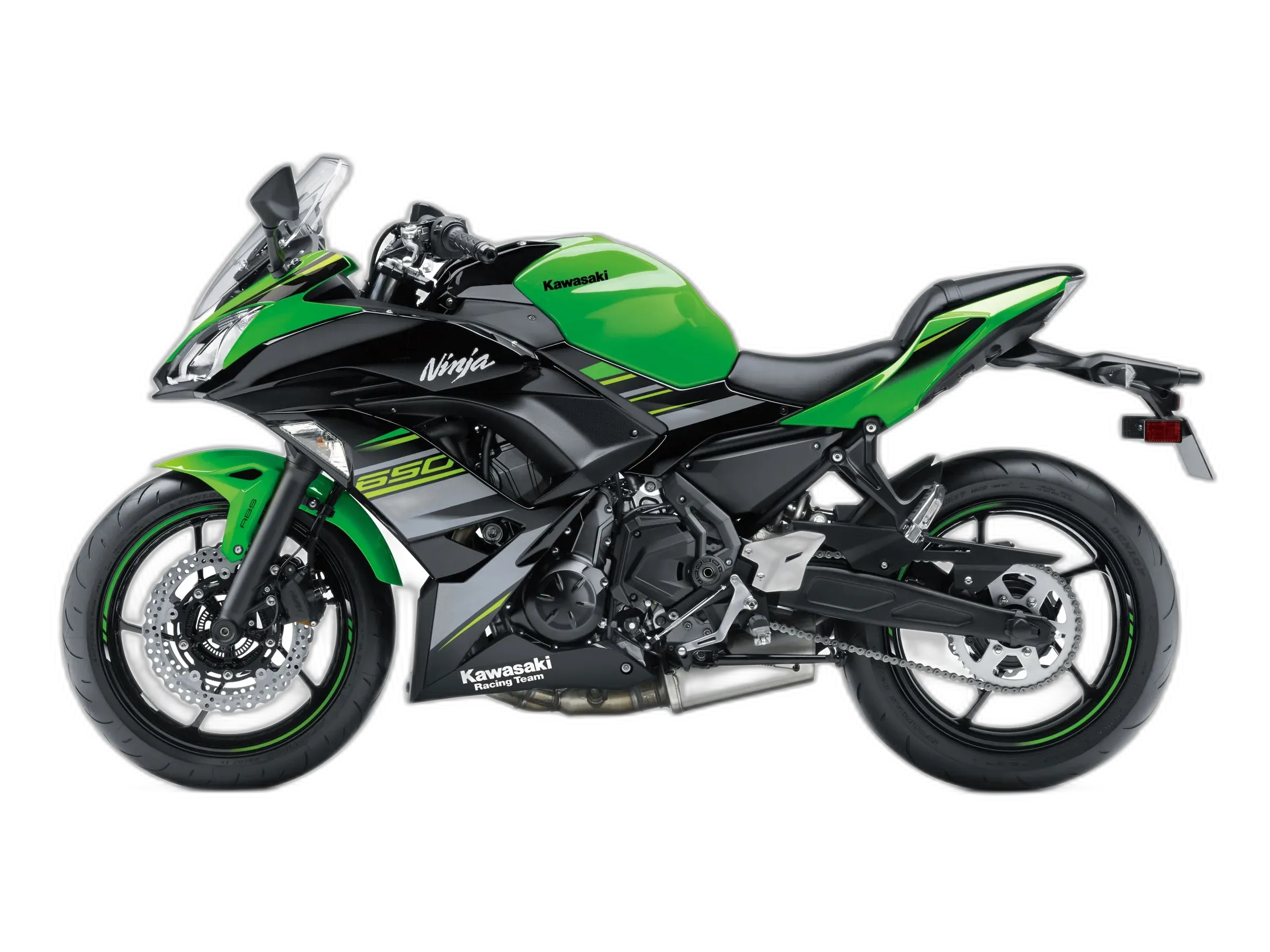
The 650 KRT is the Ninja built to be used. A 649 cc parallel twin makes 68 hp at 8,000 rpm and 49 lb-ft at 7,000, which is enough to hold a genuine pace on a good road without ever writing checks your license can't cover. The full fairing and KRT paint put it in the same visual room as Kawasaki's bigger sport machines, but the hardware underneath is picked for riders who actually ride: ABS, a slipper clutch, an adjustable windscreen, six speeds, chain drive. It sits at the accessible end of the sportbike shelf and is honest about that.

It rewards smoothness more than aggression. Lean clearance is generous, the chassis stays settled when you carry speed, and it ages the way a well-sorted twin should: 46 mpg, cheap consumables, and a parts market deep enough to shape the bike around you over a couple of seasons. The caveat is the electronics. ABS is the safety net, and that's the whole of it. No traction control, no ride modes, and the fork carries no adjustment at all, so wet-road control comes from your right wrist. For most riders on most roads that's fine. For anyone expecting a modern IMU-backed supersport package, this isn't that bike.

Hard Numbers

Spec sheets don't ride bikes, but they set the baseline.

Show full specs & equipment Hide specs & equipment
Key specifications
Power 68 hp (50 kW) @ 8,000 rpm
Torque 49 lb-ft (66 Nm) @ 7,000 rpm
Displacement 649 cc
Engine Parallel twin
Cooling Liquid-cooled
Gearbox 6-speed
Final drive Chain
Fork Telescopic
Front brake 300 mm
Front tire 120/70-17
Rear tire 160/60-17
Seat height 31.1 in (790 mm)
Wet weight 425 lb (193 kg)
Fuel capacity 4.0 gal (15 L)
Top speed 125 mph (201 km/h)
Fuel economy 46 mpg (US)

Equipment check

Chassis

  • Rear Suspension Adjustable Standard

Drivetrain

  • Slipper Clutch Standard

Safety

  • ABS Standard

The Voice of Experience

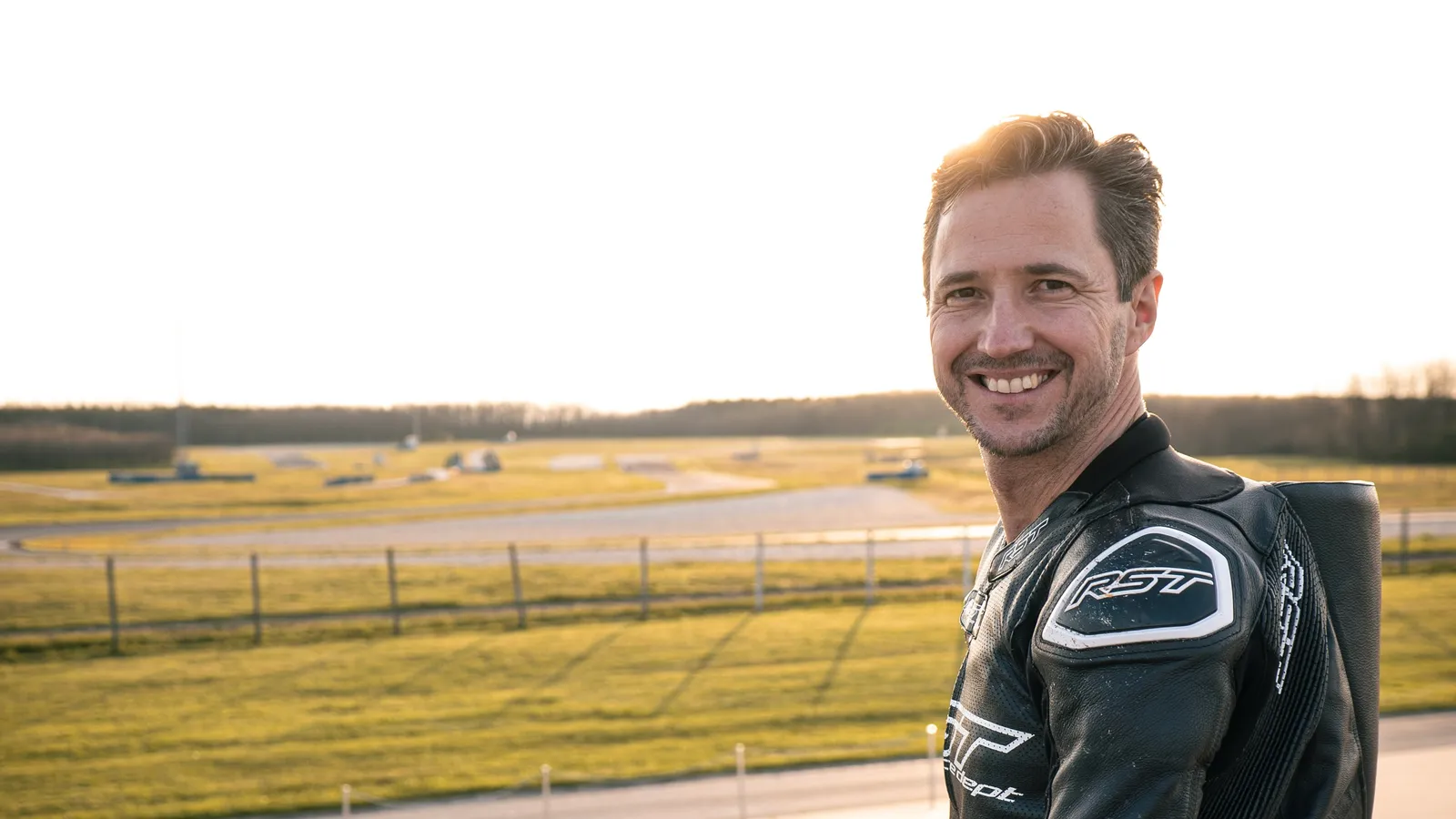
Portrait of NastyNils

The test ride

The riding position is the first thing that registers. The bars sit high enough that your wrists carry very little of you, the pegs stay under your hips instead of behind them, and at 31.1 inches the seat lets most riders flat-foot at a light. Nothing about the first ten minutes feels like an initiation. The twin sends a low, even thrum through the pegs at town speeds that smooths out as the revs climb, and what vibration does reach you stays in the background rather than numbing your hands. Raise the screen and the blast off your chest calms noticeably at highway pace. The 425 pounds sit low, so walking it around a parking lot or holding it at a stoplight costs you nothing. Two hours in you're still comfortable, and on a Sunday that's the part that counts.

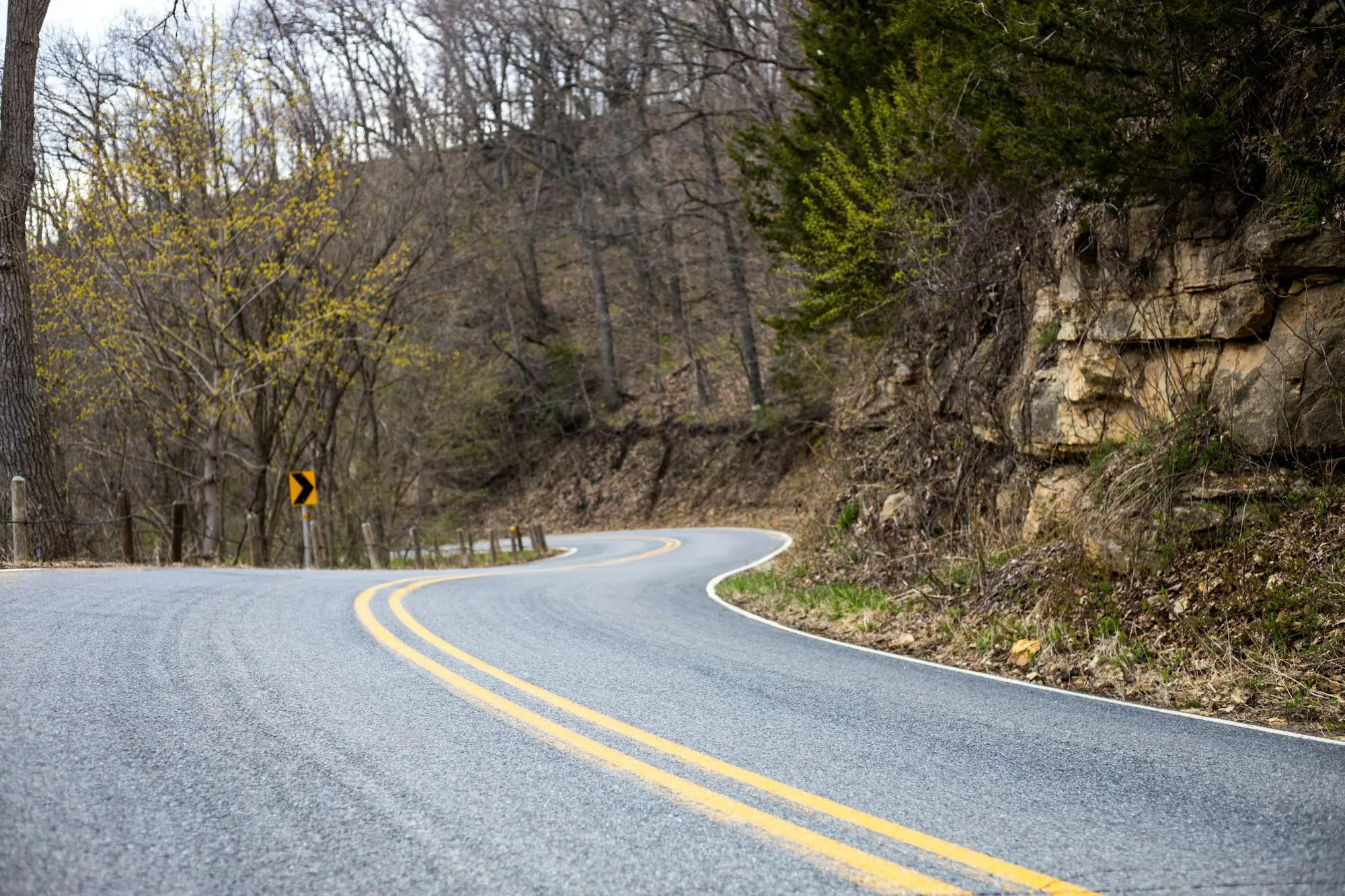
A winding two-lane asphalt road in the Appalachian mountains, photographed in dry daylight. Yellow double-center line markings guide through a series of tight left-hand curves. Dense deciduous and evergreen forest flanks both sides; a rock cut is visible on the right. The road surface and geometry suggest a technical, high-traffic riding corridor popular with motorcyclists.
Chris Flaten / Pexels

The Truth on the Street

Two decades of paddock talk, club-night conversations, and the messages riders send me directly add up to a settled picture here. Owners talk about the 650 KRT the way people talk about a bike they ride rather than one they admire. The praise clusters tightly, and so do the complaints.

What owners keep coming back to

Two things come up again and again. The first is how light and slim it feels once moving; riders describe flicking it through corners with little input, and twisty roads are where the enthusiasm runs highest. The second is the parallel twin. Owners talk about a fat, usable midrange that pulls cleanly from around 4,000 rpm and stays smooth without stumbles. Running costs land in the same conversation: fuel stops that sit far apart, and a price and parts bill riders consider fair for what they got.

The two gripes that recur

The suspension draws the sharper criticism. Some riders call it under-damped and point out that only rear preload can be adjusted, which caps what they can do at a hard pace. A smaller group mentions high-frequency buzz through the bars that leaves fingers numb, and says changing grips didn't fully solve it.

Known issues

  • Engine backfiring through airbox

    engine rare

    Some owners report backfiring through the airbox on low-mileage bikes; cause unknown.

The Expert Benchmark

Where this Kawasaki Ninja 650 KRT pulls ahead of — or falls behind — its rivals on the numbers, and the typical bike in its class on character.

What kind of bike this is — character vs. the class

This bike Class average

The shape of the Kawasaki Ninja 650 KRT — numbers and character vs. the average Supersport

Head-to-head: Kawasaki Ninja 650 KRT vs. its rivals

The Handshake Score

Forget spec-sheet bragging. Here's who the Ninja 650 KRT is actually built for.

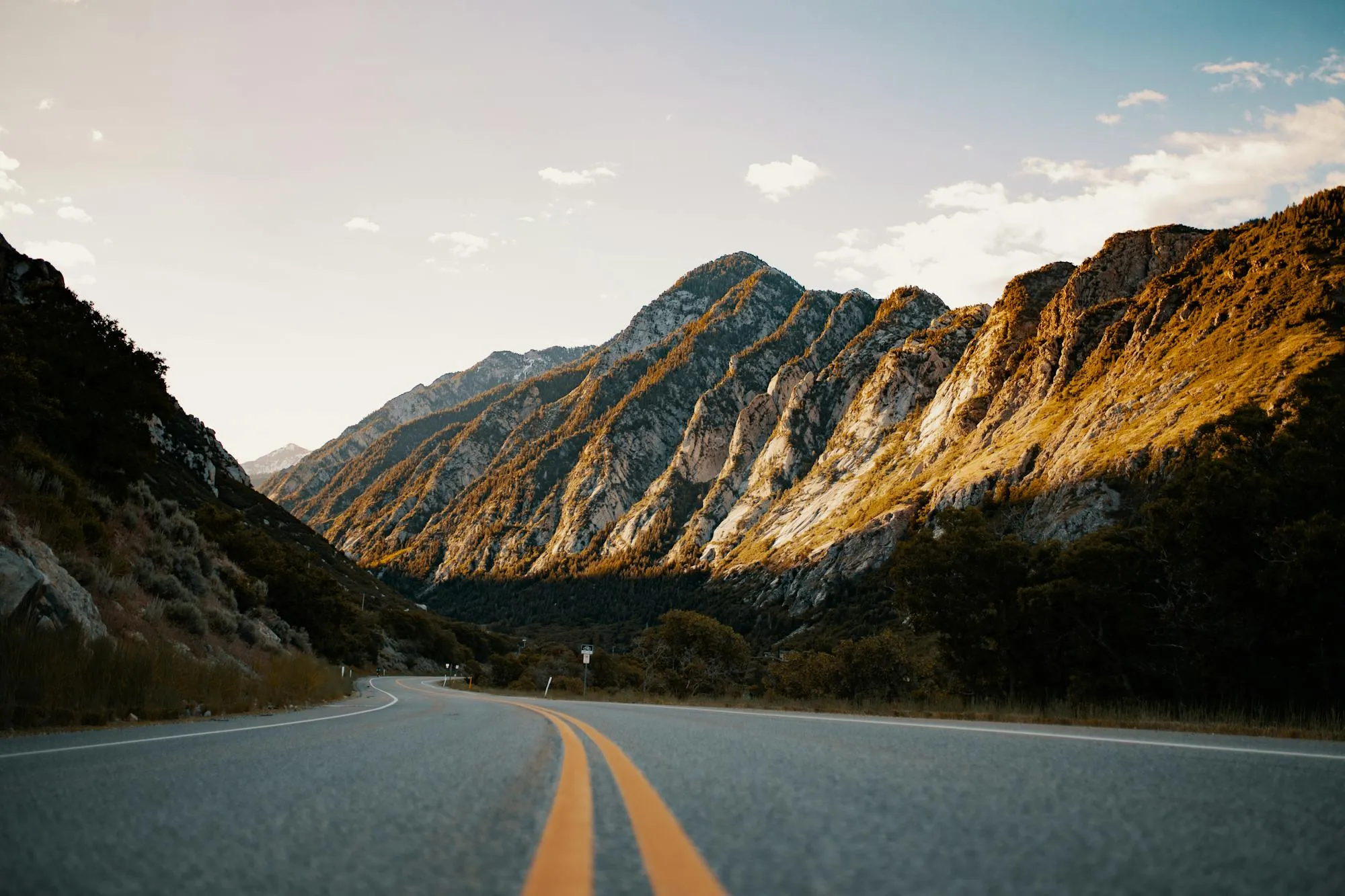
A scenic view of Angeles Crest Highway winding through rugged Southern California canyon terrain. Rocky mountainsides with golden earth tones frame the asphalt road with tight sweeping curves. Double yellow center line visible, sparse vegetation along the shoulders, clear blue sky with white clouds. Daylight, dry conditions. Iconic location for canyon-road enthusiasts.
Josh Sorenson / Pexels

Best motorcycle for Tail of the Dragon?

You're there for technique, not terminal speed, and this bike supports exactly that. Enough clearance and composure to keep the corner tidy, cheap enough to run those roads every single weekend.

Made for Back of the Dragon · Blue Ridge Parkway · Cherohala Skyway
Best motorcycle for Angeles Crest?

It will hold a respectable pace on Angeles Crest and cost you almost nothing to keep doing it. Know the limits, though: 68 hp and ABS-only electronics set a hard ceiling if your group rides liter bikes.

Made for Angeles Crest Highway · Coronado Trail / US 191 · Highway 1 / Big Sur

Best motorcycle for Texas Hill Country?

A good fit for long Hill Country Saturdays: 46 mpg, a screen you can raise, and a seat that doesn't punish you between stops. Pack light, and plan for no cruise control on the transit miles.

Made for Austin / Texas Hill Country · Twisted Sisters · Austin / Handbuilt Motorcycle Show

What's new versus the previous generation

If you're cross-shopping the older generation, here's what changed.

Kawasaki ER-6f (ER6f-MY2006)

Previous generation · 2006–2017

Kawasaki ER-6f (ER6f-MY2006)

Reliable Middleweight That Simply Works

Compare to the previous model →

Alternatives to the Kawasaki Ninja 650 KRT

If this one isn't quite the fit, these are the bikes worth riding back-to-back against it.

Any price note compares both bikes at the same age — the youngest age both have on the used market — against this Kawasaki Ninja 650 KRT. “cheaper/pricier” is what that bike costs second-hand, not how worn it is.