Kawasaki Z650 (MY2017) — Naked Bike
Kawasaki press archive

2017–2019 · Naked Bike · Buyer's Guide

Z650 (MY2017)

Light, Honest, and Sorted

The Machine's Character

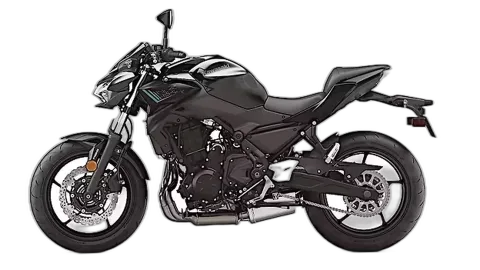
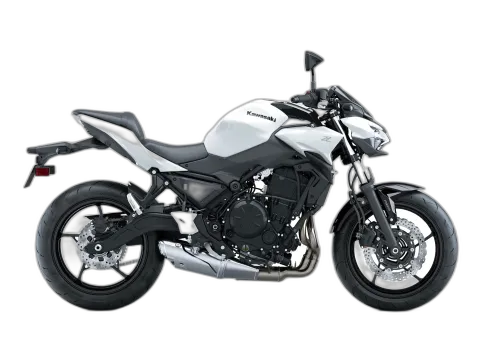
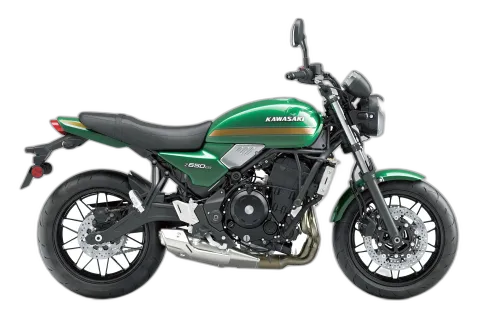
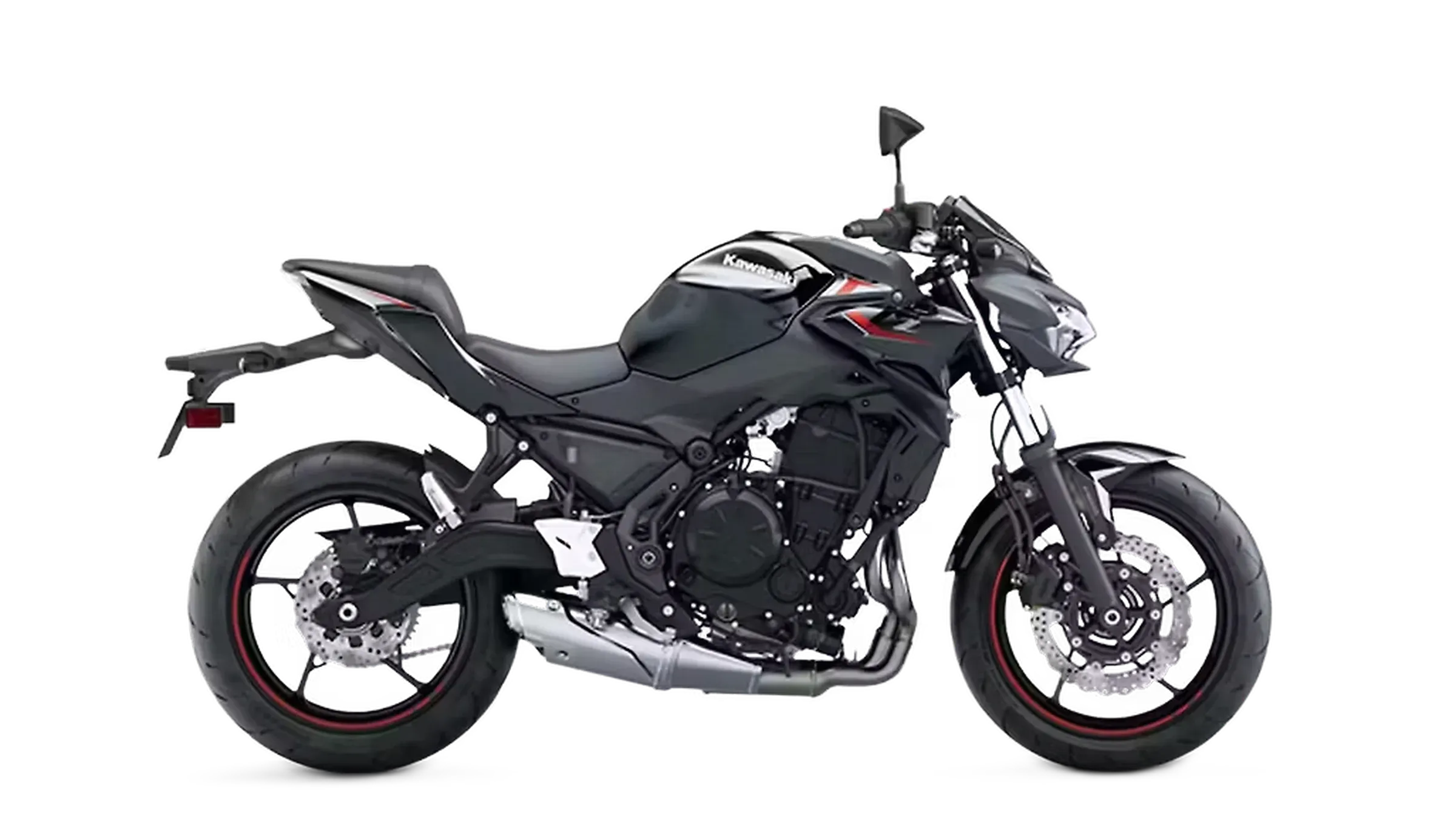
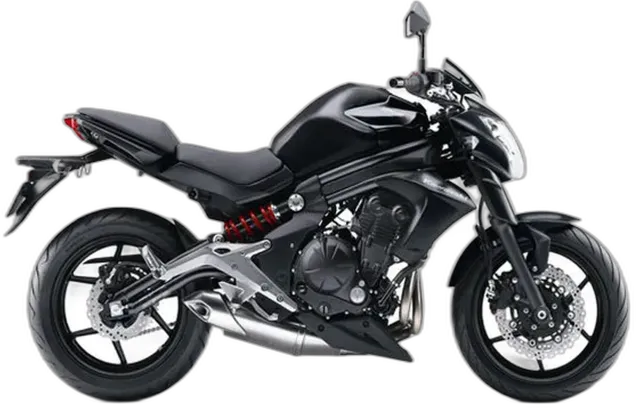
Kawasaki built the Z650 around one idea: keep it light, keep it honest. The 649 cc parallel twin makes 68 hp and 48 lb-ft at 6,500 rpm, and nearly all of that lives where you actually ride, in the low and mid range. At 412 lb wet with a 31.1 in seat, it feels small the moment you lift it off the stand. ABS and a slipper clutch are standard, and that is the entire electronics story. No traction control, no ride modes, no menus to learn. A steep steering head and short wheelbase give it turn-in that costs almost no effort at the bar.

On the road it is an easy machine to ride quickly. The twin pulls cleanly from low revs, runs to 121 mph, and 53 mpg from the 4.0 gal tank keeps the ownership bill small. The rough edge is the throttle at low rpm in first and second, where the on/off transition can snatch as you come off engine braking. Suspension is comfort-biased and soft: the fork has no adjustment at all and the shock takes preload only, so heavier riders and hard chargers find its limit sooner than the chassis deserves. This is a bike for commuters, returning riders, and back-road riders who value agility over muscle.

Hard Numbers

Spec sheets don't ride bikes, but they set the baseline.

Show full specs & equipment Hide specs & equipment
Key specifications
Power 68 hp (50 kW) @ 8,000 rpm
Torque 48 lb-ft (66 Nm) @ 6,500 rpm
Displacement 649 cc
Engine Parallel twin
Cooling Liquid-cooled
Gearbox 6-speed
Final drive Chain
Fork Telescopic
Front brake 300 mm
Front tire 120/70-17
Rear tire 160/60-17
Wheelbase 55.5 in (1410 mm)
Seat height 31.1 in (790 mm)
Wet weight 412 lb (187 kg)
Fuel capacity 4.0 gal (15 L)
Top speed 121 mph (194 km/h)
Fuel economy 53 mpg (US)

Equipment check

Chassis

  • Rear Suspension Adjustable Standard

Connectivity

  • USB Charging Port Optional

Drivetrain

  • Slipper Clutch Standard

Safety

  • ABS Standard

The Voice of Experience

Portrait of NastyNils

The test ride

Swing a leg over and the first thing you register is how narrow it is through the waist. Both boots reach the ground at 31.1 in without stretching, the bar comes back to your hands, and your back sits close to upright. The 180-degree twin has a flat, offbeat thrum, more mechanical than musical, and it sends a fine buzz through the pegs and grips that shows up in the mirrors: at certain rpm bands the view behind you goes soft. Clutch pull is light, the controls ask nothing of you, and the six-speed box snicks through its ratios without ceremony. Past 65 mph the wind starts pressing on your chest, which is the naked bike's own built-in governor, and the whole machine settles into the pace a good back road actually allows.

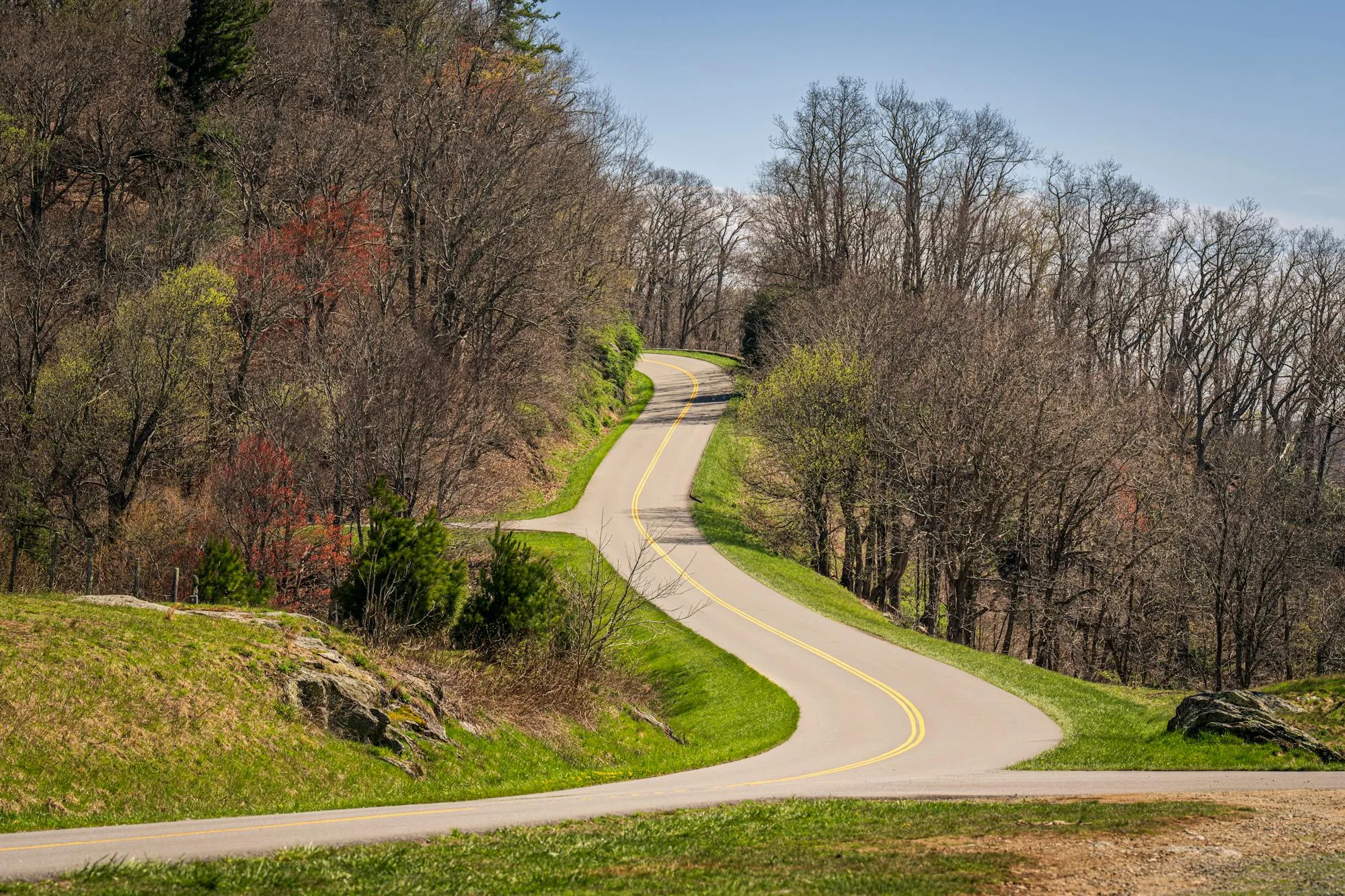
A winding asphalt road descending through the Appalachian Mountains, likely the famous Tail of the Dragon section in Tennessee and North Carolina. Multiple technical right-hand and left-hand curves are visible in this aerial perspective, surrounded by deciduous forest in spring foliage. Clear sunny conditions, well-maintained asphalt with yellow center lines marking the curves.
Mark Stebnicki / Pexels

The Truth on the Street

Two decades of parking-lot talk after group rides, conversations with owners at events, calls from riders in the middle of shopping, and the messages that land in my inbox once a bike has real miles on it: that is where this comes from. On the Z650 the chatter sorts itself fast. Owners rarely disagree about what the bike is. What they disagree about is how long it stays enough.

Light Is The Word That Repeats

Ask an owner what stands out and the answer arrives as some version of light. They use the word flickability, and they describe a machine that changes line without being wrestled into it. Riders coming off the model it replaced register the weight difference right away. Newer riders and people returning after years away come up constantly in these conversations, because the power builds in a way that forgives a clumsy hand, and because the low, slim seat means putting a boot down at a light is never a production. Midrange draws the other steady round of praise: owners say the part of the rev range they actually use on a back road is the part this twin fills. A fair number admit the sharp big-Z styling is what walked them into the showroom.

The Parts Owners End Up Buying

The most repeated complaint is the springing at both ends. Owners describe a front fork with no adjustment and a soft rear that loses composure once the pace lifts, and heavier riders reach that point sooner than anyone else. Braking draws a related note: no bite at the first touch of the lever, so riders learn to pull harder than they expect to. Anyone riding in cold weather flags the original tires, saying grip only shows up once there is heat in them, and a few describe the front going light in those conditions. The stock headlight is next on the list, called short on output for confident night riding. Wind is no surprise on a naked bike, but long highway stretches wear riders down, and screens and lighting take much of the early aftermarket money.

Where Riders Start Wanting More

The engine splits owners on personality rather than function. Riders who came from something with more voice say this twin goes about its work without much drama in how it sounds, and that stays a talking point long after everything else has faded into routine. The other version of that is output. Owners with real experience behind them say they reach the ceiling of what the bike gives them sooner than they expected, and some are already looking at what comes next. Size sets its own limit: riders around 6 ft 1 in and up describe the room between seat and pegs running out on longer days. Passengers fare worst, and anyone carrying one regularly says the rear seat and the height of its pegs turn short trips into a chore. Through all of it, serious mechanical trouble barely registers in what reaches me.

Known issues

  • Handlebar Control and Ignition Switch Failure

    electrics occasional

    Handlebar control (switch) no longer functions; ignition switch won't turn or operates intermittently.

  • ABS Sensor Error / Intermittent ABS Warning Light

    brakes rare

    ABS warning light illuminates intermittently. One owner reported the ABS failed on three separate occasions during active use. ABS sensor ring warpage can cause erratic warning light behavior.

  • Throttle Jerkiness at Low RPM

    fuel system common

    On/off jerking when opening the throttle, particularly noticeable in 1st and 2nd gear at low RPM. Harsh, abrupt feeling when cracking open the throttle coming out of engine braking. A known issue with Euro 4 tuning on the Kawasaki 650 platform.

  • Premature Rust on OEM Chain

    drivetrain occasional

    The OEM chain rusts quickly, especially after rain riding. Scattered reports of seized chain links. Some owners report needing chain replacement before 12,500 miles.

  • Vibration-Induced Loose Fasteners / Mirror Vibrations

    chassis occasional

    Various fasteners vibrate loose over time—a characteristic issue of 180° parallel-twin engines. Mirrors become unusable at certain rpm bands due to severe blurring.

  • Coolant Leak at the Water Pump (Weep Hole)

    cooling occasional

    Coolant drips from the water pump weep hole, indicating a faulty mechanical seal. Known issue across the entire Kawasaki 650 Parallel Twin platform (ER-6n, Ninja 650, Versys 650).

  • Corrosion and Cracking in the Exhaust System

    exhaust common

    Exhaust manifolds discolor quickly and develop surface rust. Exhaust slip-nut fasteners can corrode and seize, making removal risky due to potential breakage. Isolated reports of cracking in the exhaust system. The exhaust system is one-piece; a crack requires complete replacement.

  • Paint Peeling on Engine Housing / Water Pump Cover

    engine common

    Engine paint is peeling off, particularly on the water pump housing, following moisture exposure and winter operation. Bare aluminum or corrosion is visible underneath.

  • Timing Chain Tensioner Noises / Ticking at Idle

    engine occasional

    Ticking at idle, rattling between 4,000–5,000 RPM while riding. More pronounced when engine is warm. Some dealers consider it normal engine characteristic.

The Expert Benchmark

Where this Kawasaki Z650 pulls ahead of — or falls behind — its rivals on the numbers, and the typical bike in its class on character.

What kind of bike this is — character vs. the class

This bike Class average

The shape of the Kawasaki Z650 — numbers and character vs. the average Naked Bike

Head-to-head: Kawasaki Z650 vs. its rivals

The 'Should I Buy It?' Score

Forget spec-sheet bragging. Here's who the Z650 is actually built for.

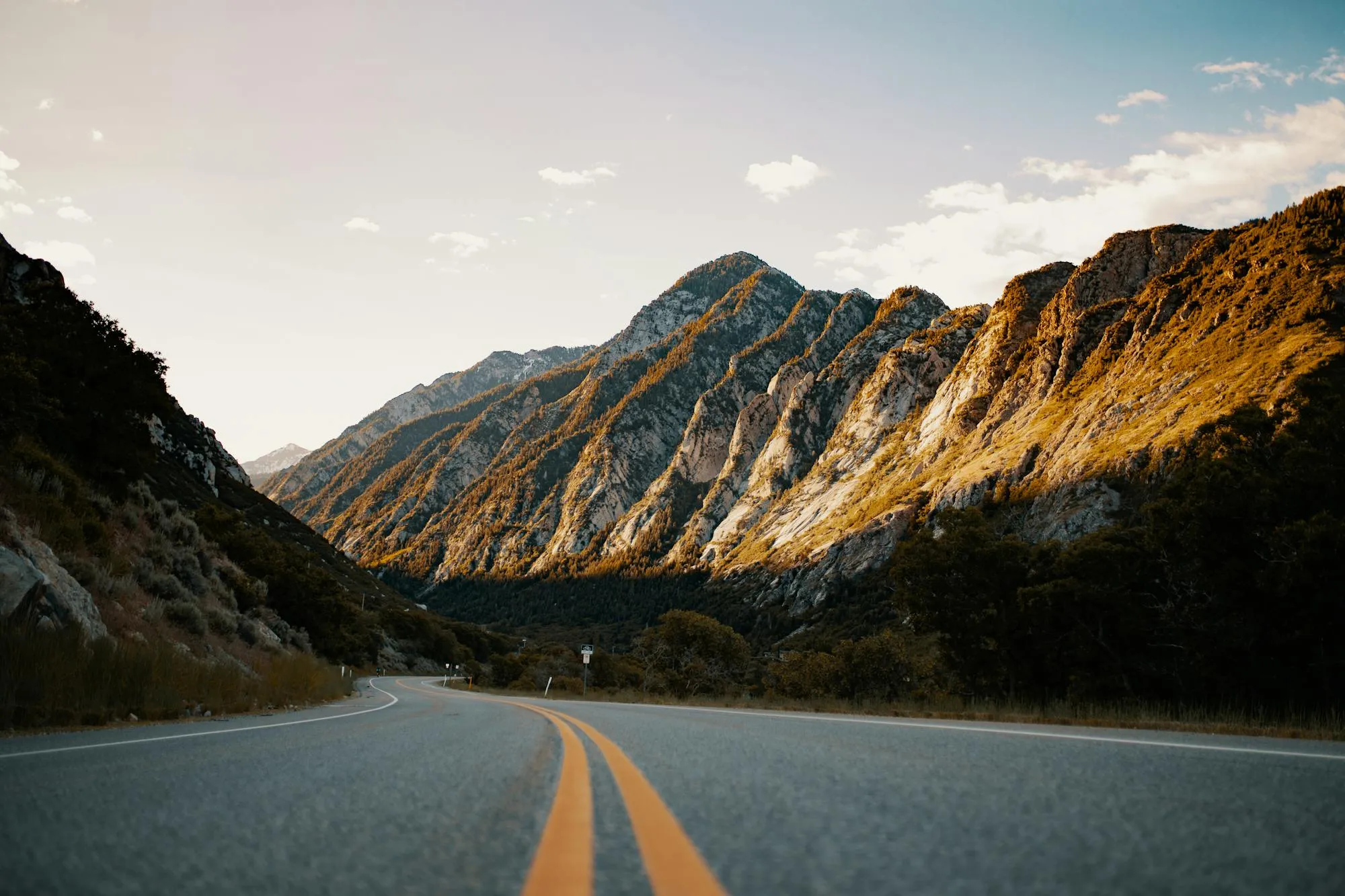
A scenic view of Angeles Crest Highway winding through rugged Southern California canyon terrain. Rocky mountainsides with golden earth tones frame the asphalt road with tight sweeping curves. Double yellow center line visible, sparse vegetation along the shoulders, clear blue sky with white clouds. Daylight, dry conditions. Iconic location for canyon-road enthusiasts.
Josh Sorenson / Pexels

Best motorcycle for Tail of the Dragon?

Dragon and Cherohala reward precision, not horsepower. The Z650 lets you work on lines and corner speed at a pace that keeps your license intact, and it stays light and honest all day.

Made for Back of the Dragon · Blue Ridge Parkway · Cherohala Skyway
Best motorcycle for Angeles Crest?

In the tight canyon stuff the Z650 is quick, confident, and easy to place. Push hard and the soft, non-adjustable fork is the first thing you will outgrow.

Made for Angeles Crest Highway · Coronado Trail / US 191 · Highway 1 / Big Sur

Best motorcycle for Bay Area?

It handles the city commute without wearing you out and still enjoys the ridge roads on Sunday. Low running costs, modest power, and a seat height most riders can flat-foot.

Made for Bay Area Ridge Roads · San Francisco / Bay Area · Skyline Boulevard / Alice's Restaurant

What's new versus the previous generation

If you're cross-shopping the older generation, here's what changed.

Kawasaki ER-6n (ER650 E)

Previous generation · 2012–2016

Kawasaki ER-6n (ER650 E)

Light Hands, Easy Miles

Compare to the previous model →

Alternatives to the Kawasaki Z650

If this one isn't quite the fit, these are the bikes worth riding back-to-back against it.

Any price note compares both bikes at the same age — the youngest age both have on the used market — against this Kawasaki Z650. “cheaper/pricier” is what that bike costs second-hand, not how worn it is.