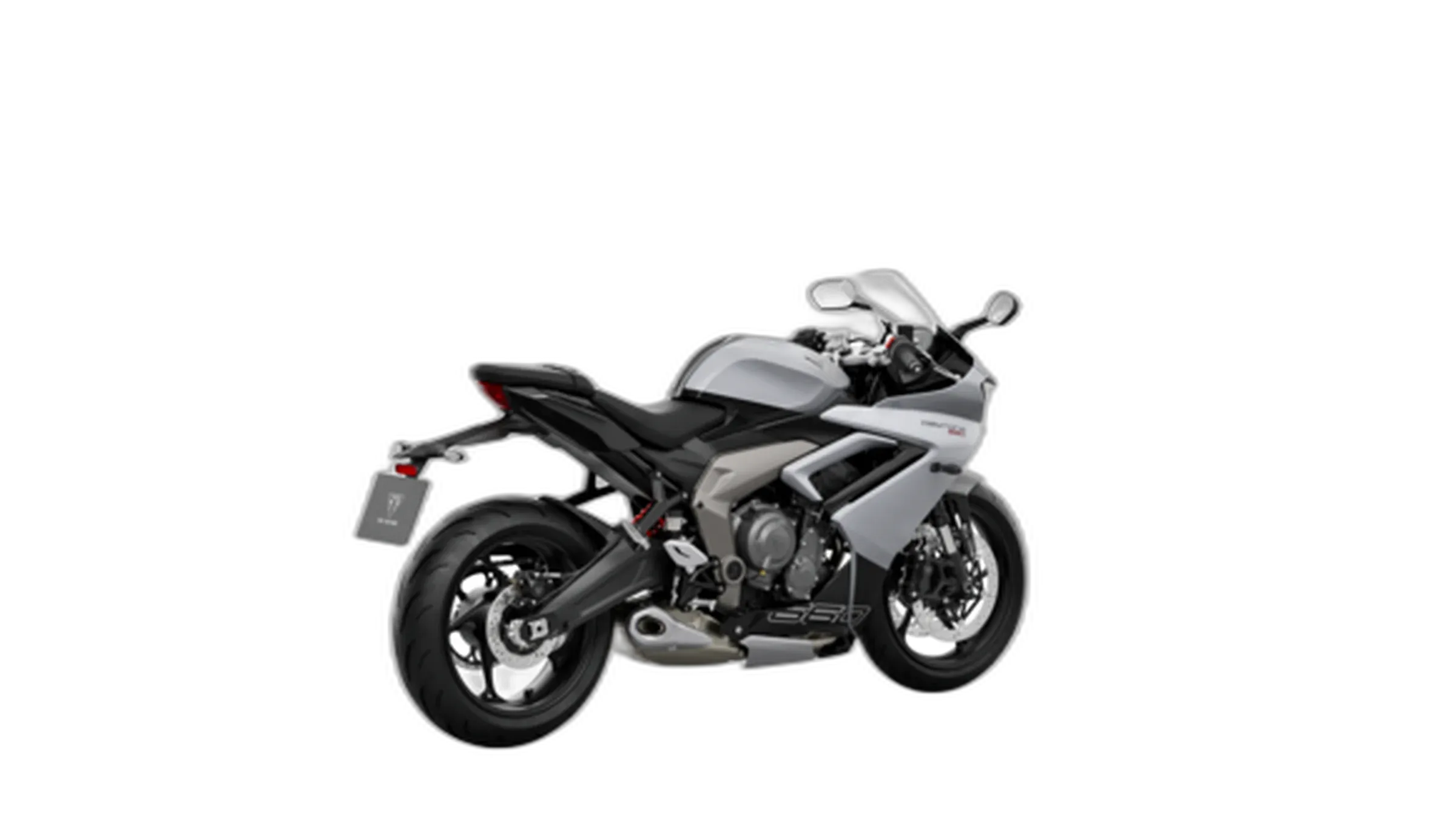

Triumph Daytona 660 (MY2024) — Supersport
Triumph Press

2024 · Supersport · Buyer's Guide

Daytona 660 (MY2024)

3.5 / 5 NastyNils Rating · against its class

Triple Feedback, Street Soul

The Machine's Character

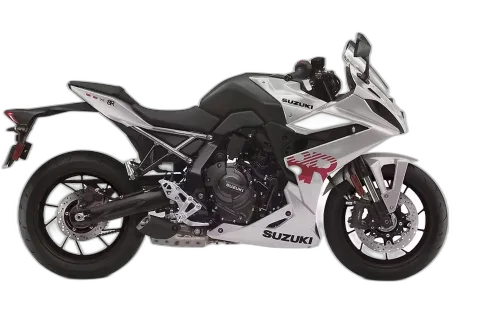
The Daytona 660 is a supersport built around an inline-three, and that engine sets the whole tone. Peak power is 94 hp at 11,250 rpm with 51 lb-ft at 8,250 rpm, but what matters on a real road is how much drive sits underneath both of those peaks. Triumph backs it with ride-by-wire throttle maps, ride modes, traction control and ABS as standard equipment, a 56.1 in wheelbase and 443 lb wet on the scales. This is a 660 cc sportbike aimed at the road first, quick enough to satisfy on a good morning without asking for a race license to enjoy.

It rides like a machine meant to be used rather than parked. 48 mpg from a 3.7 gal tank keeps the fuel stops sensible, the 31.9 in seat works for most riders, and there is nothing exotic in the chassis to get expensive as the miles pile on. It fits the rider who wants a genuine sportbike shape and a triple's character for canyon roads and back roads far more than for track sessions. Two honest caveats. The front fork offers no adjustment at all (preload lives on the rear shock only), and the up-and-down quickshifter is an option, not standard on this trim.

Hard Numbers

Spec sheets don't ride bikes, but they set the baseline.

Show full specs & equipment Hide specs & equipment
Key specifications
Power 94 hp (70 kW) @ 11,250 rpm
Torque 51 lb-ft (69 Nm) @ 8,250 rpm
Displacement 660 cc
Engine Inline-three
Cooling Liquid-cooled
Gearbox 6-speed
Front tire 120/70-17
Rear tire 180/55-17
Wheelbase 56.1 in (1425 mm)
Seat height 31.9 in (810 mm)
Wet weight 443 lb (201 kg)
Fuel capacity 3.7 gal (14 L)
Fuel economy 48 mpg (US)

Equipment check

Chassis

  • Rear Suspension Adjustable Standard

Connectivity

  • Smartphone Connectivity Optional

Drivetrain

  • Quickshifter Optional

Safety

  • ABS Standard
  • Traction Control Standard
  • Ride Modes Triumph Ride-by-Wire Throttle Maps Selectable ride modesRefined throttle response Standard

Signature Tech

The named systems that set this bike apart — and what each one does for you.

Connectivity

  • My Triumph Connectivity System Optional
    • Integrated navigation
    • Handsfree phone integration
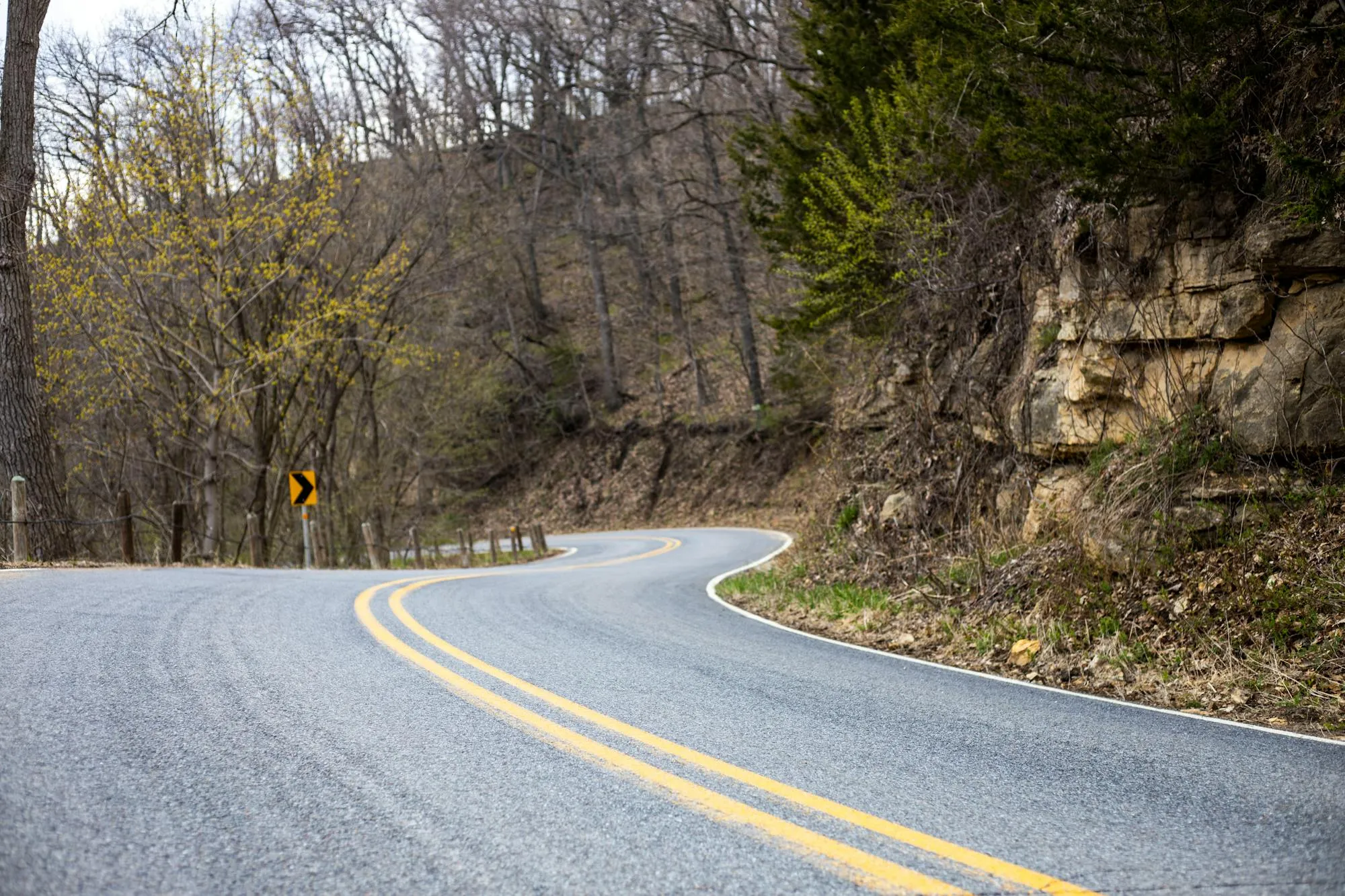
A winding two-lane asphalt road in the Appalachian mountains, photographed in dry daylight. Yellow double-center line markings guide through a series of tight left-hand curves. Dense deciduous and evergreen forest flanks both sides; a rock cut is visible on the right. The road surface and geometry suggest a technical, high-traffic riding corridor popular with motorcyclists.
Chris Flaten / Pexels

The Truth on the Street

I've had this conversation in paddocks, in parking lots after a ride, at club nights, and in the messages riders send straight to my inbox. On the Daytona 660 the chatter lands in a consistent place. Riders love the motor and how easily they can live with the bike, and they get frustrated the moment they start pushing hard.

What Riders Keep Coming Back To

The engine dominates every conversation. Owners describe strong pull from low in the rev range that keeps building all the way to the top, and that spread is the thing they name first. Right behind it comes the riding position. Riders consistently say they can stay out all day without the ache a pure supersport hands you. Price comes up often too. For the money, riders feel they are getting more engine than the twins they cross-shopped.

Where The Complaints Cluster

Almost all of it is chassis. The most common gripe is the suspension: too soft, short on support, diving and squatting once the pace picks up, and leaving the front feeling vague. Owners also report slower steering than the sharper bikes in the class, and several mention the extra weight showing up in quick side-to-side changes.

Known issues

  • Engine oil starvation risk (Recall SRAN640)

    engine common Recall

    Under aggressive deceleration, oil can slosh away from the pickup, causing a pressure drop and potential engine seizure. No warning light appears. Affected all 2024-2025 models; fix involves a larger oil fill and redesigned dipstick.

The Expert Benchmark

Where this Triumph Daytona 660 pulls ahead of — or falls behind — its rivals on the numbers, and the typical bike in its class on character.

What kind of bike this is — character vs. the class

This bike Class average

The shape of the Triumph Daytona 660 — numbers and character vs. the average Supersport

Head-to-head: Triumph Daytona 660 vs. its rivals

The Handshake Score

Forget spec-sheet bragging. Here's who the Daytona 660 is actually built for.

A scenic view of Angeles Crest Highway winding through rugged Southern California canyon terrain. Rocky mountainsides with golden earth tones frame the asphalt road with tight sweeping curves. Double yellow center line visible, sparse vegetation along the shoulders, clear blue sky with white clouds. Daylight, dry conditions. Iconic location for canyon-road enthusiasts.
Josh Sorenson / Pexels

Best motorcycle for Tail of the Dragon?

Repeat runs on the Dragon and Cherohala are exactly this bike's job. Low-rev drive gets you out of tight turns without gearbox drama, and the front end tells you enough to learn from every pass.

Made for Back of the Dragon · Blue Ridge Parkway · Cherohala Skyway
Best motorcycle for Angeles Crest?

Angeles Crest suits it. Stable when the pace climbs, precise on the line, with lean clearance to spare. Just know the fork has no adjustment, so trackday-grade setup is not on the table.

Made for Angeles Crest Highway · Coronado Trail / US 191 · Highway 1 / Big Sur

Best motorcycle for Texas Hill Country?

Good company for a Hill Country weekend. 48 mpg from a 3.7 gal tank keeps the fuel stops civil, and it stays sporty without wearing you down over a long day.

Made for Austin / Texas Hill Country · Twisted Sisters · Austin / Handbuilt Motorcycle Show