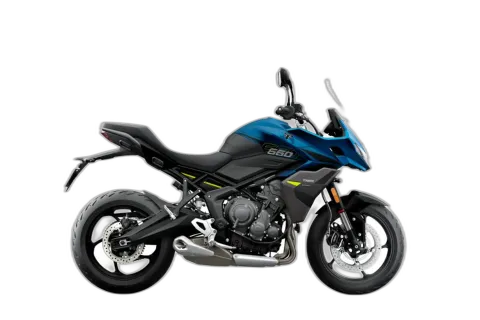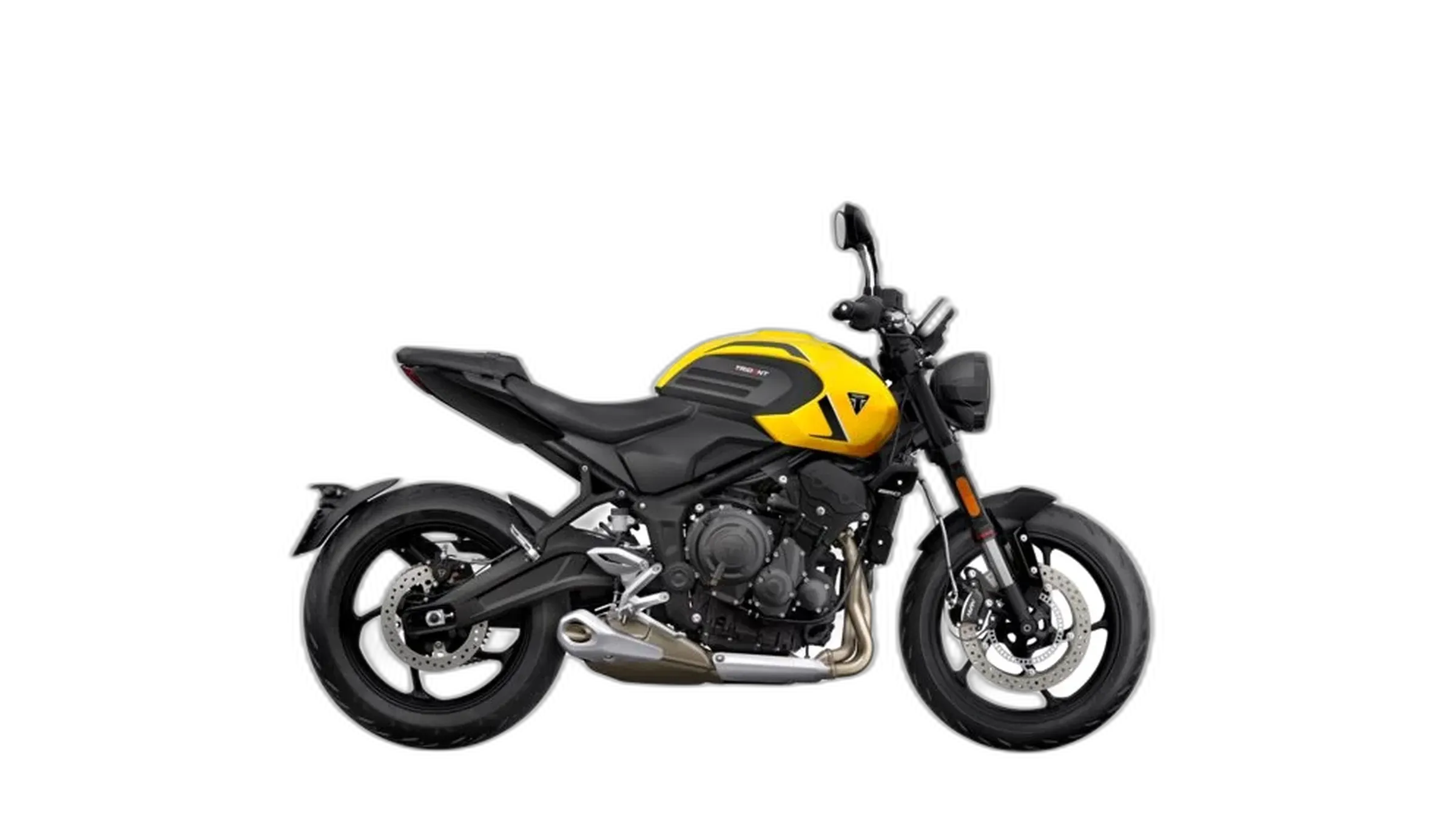

Triumph Trident 660 (MY2025) — Naked Bike
NastyNils / Triumph press archive

2025 · Naked Bike · Buyer's Guide

Trident 660 (MY2025)

Triple That Handles Everything

The Machine's Character

The Trident 660 is Triumph's most approachable roadster, and it leans on the thing the brand does best: character. The 660cc inline-three makes 80 hp at 10,250 rpm and 47 lb-ft at 6,250 rpm, delivered in a smooth, rising rush rather than one flat plateau. Ride-by-Wire Throttle Maps, ride modes, traction control, and cornering ABS sit underneath, while a Showa SFF-BP fork holds up the front. Light on its feet at 419 lb and low at the seat, it slots into the class as the friendly, detail-rich option that still feels genuinely modern on the road.

This is a bike you ride every day without thinking twice. The chassis is easy, the controls are light, and the assembly quality holds up over years of miles, which is a big part of why it ages well. A deep aftermarket means you can shape it to your taste without spending a fortune. Be honest with yourself about the engine, though: 80 hp is plenty for real roads but modest if you crave big top-end. Watch the oil level, and know the front fork comes set from the factory with no adjustment to dial in.

Hard Numbers

Spec sheets don't ride bikes, but they set the baseline.

Show full specs & equipment Hide specs & equipment
Key specifications
Power 80 hp (60 kW) @ 10,250 rpm
Torque 47 lb-ft (64 Nm) @ 6,250 rpm
Displacement 660 cc
Engine Inline-three
Cooling Liquid-cooled
Gearbox 6-speed
Final drive Chain
Fork Upside-down (USD)
Front brake 310 mm
Front tire 120/70 R17
Rear tire 180/55 R17
Wheelbase 55.2 in (1401 mm)
Seat height 31.7 in (805 mm)
Wet weight 419 lb (190 kg)
Fuel capacity 3.7 gal (14 L)

Equipment check

Chassis

  • Rear Suspension Adjustable Standard

Connectivity

  • TFT Display Standard
  • Smartphone Connectivity Standard

Drivetrain

  • Quickshifter Standard
  • Slipper Clutch Standard

Lighting

  • LED Headlight Standard

Safety

  • ABS Standard
  • Traction Control Standard
  • Ride Modes Triumph Ride-by-Wire Throttle Maps Selectable ride modesRefined throttle response Standard

Signature Tech

The named systems that set this bike apart — and what each one does for you.

Connectivity

  • My Triumph Connectivity SystemStandard
    • Integrated navigation
    • Handsfree phone integration

The Voice of Experience

Portrait of NastyNils

The test ride

Thumb the starter and the triple settles into that offbeat, three-cylinder idle that gives the Trident half its personality. Roll on and the induction note hardens into a clean howl toward the top, with very little buzz reaching the bars or pegs. The riding position is upright and roomy, the reach to the wide bars gives you real leverage, and the low seat means you plant both feet flat at every light without stretching. At walking pace the 419 lb never feels heavy, and the bike tips side to side with a fingertip. The color display and connectivity sit right in your sightline, easy to read at a glance. On a flowing back road it stays planted and communicative, telling you what the front tire is doing without ever getting nervous.

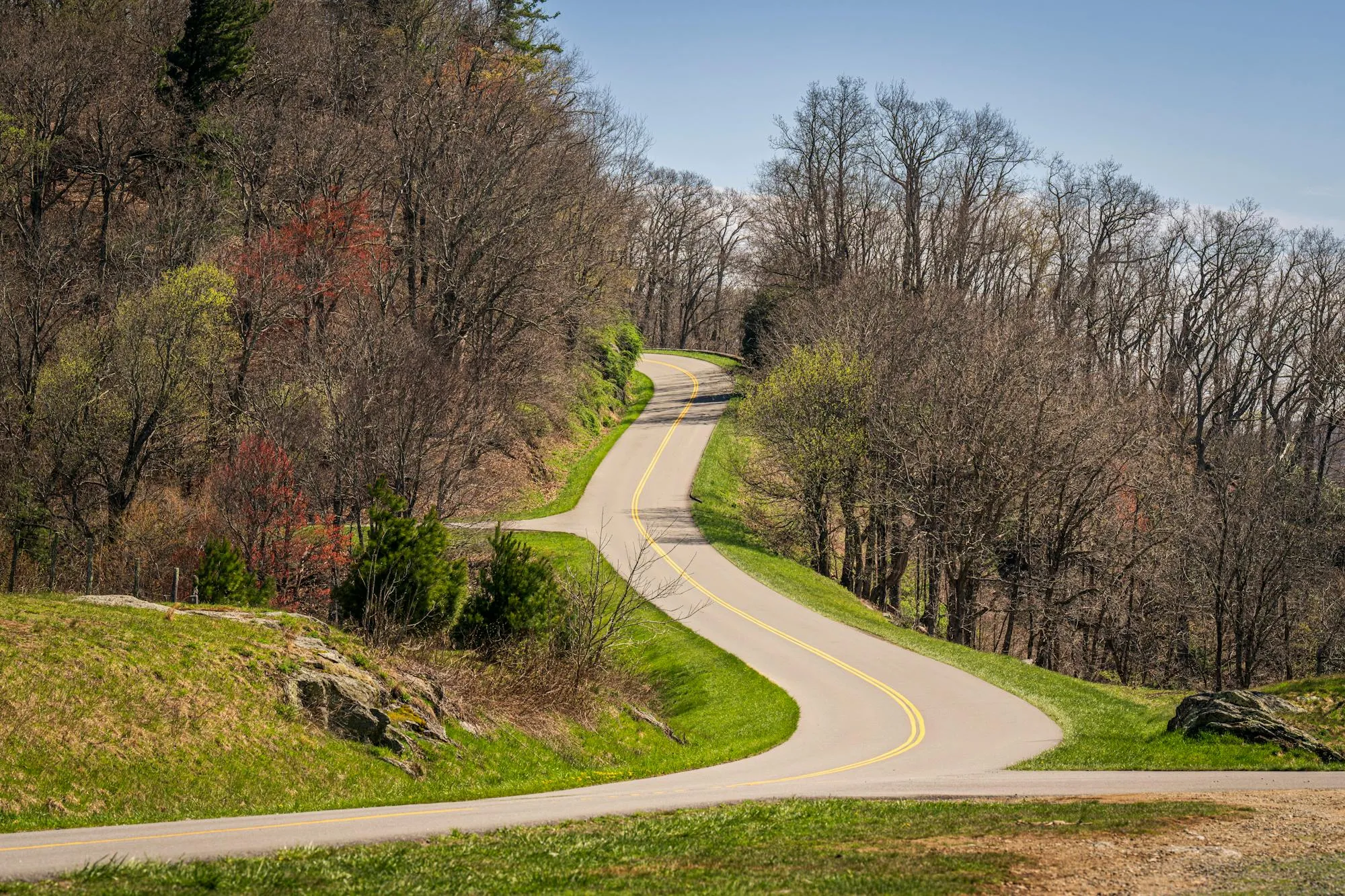
A winding asphalt road descending through the Appalachian Mountains, likely the famous Tail of the Dragon section in Tennessee and North Carolina. Multiple technical right-hand and left-hand curves are visible in this aerial perspective, surrounded by deciduous forest in spring foliage. Clear sunny conditions, well-maintained asphalt with yellow center lines marking the curves.
Mark Stebnicki / Pexels

The Truth on the Street

What follows isn't my own test lap but the signal I've pulled together over years of listening to riders: notes swapped in the pits, long email threads, and the messages owners send me when something on their bike is worth flagging. On the Trident 660 that chatter lands in a consistent shape, a middleweight most people warm to fast, with two rough spots that show up once the road or the pace gets serious.

What The Chatter Agrees On

The strongest thread is how light and willing it feels, quick to steer and easy to trust through town and bends. Close behind, riders praise the triple for power that comes on smooth and progressive and pays you back for revving it out. Newer and returning owners keep calling it approachable, and plenty single out the value for what you get. The gripes are narrower. The one raised most is a snatchy throttle at small openings that turns abrupt in stop-and-go crawling. A smaller group flags a stiff front that jars over sharp bumps and wears on comfort as the miles stack up.

Known issues

  • Excessive oil consumption

    engineoccasional

    A subset of owners report unusually high oil consumption, with some bikes requiring frequent top-ups. In severe cases, this has led to engine rebuilds under warranty due to leaking camshaft seals. Triumph has attributed consumption up to 1 liter per 1000 miles as 'industry standard,' though many owners consider this unacceptable.

  • Map hose recall

    enginerareRecall

    A recall was issued for a map hose issue (specifics not detailed in available evidence). The recall addresses a potential fueling problem that could affect engine performance.

  • Throttle hesitation / stumble

    fuel systemoccasional

    Higher-mileage examples may develop a hesitation or stumble upon initial throttle opening, often attributed to fouled throttle bodies or sensor issues. This can make low-speed riding less smooth.

  • Warped rear brake disc

    brakesrare

    Some early units experienced a warped rear brake disc, often within the first few hundred miles. The issue was typically resolved under warranty by replacing the disc.

The Expert Benchmark

Where this Triumph Trident 660 pulls ahead of — or falls behind — its rivals on the numbers, and the typical bike in its class on character.

What kind of bike this is — character vs. the class

This bike Class average

The shape of the Triumph Trident 660 — numbers and character vs. the average Naked Bike

Head-to-head: Triumph Trident 660 vs. its rivals

The 'Should I Buy It?' Score

Forget spec-sheet bragging. Here's who the Trident 660 is actually built for.

A scenic view of Angeles Crest Highway winding through rugged Southern California canyon terrain. Rocky mountainsides with golden earth tones frame the asphalt road with tight sweeping curves. Double yellow center line visible, sparse vegetation along the shoulders, clear blue sky with white clouds. Daylight, dry conditions. Iconic location for canyon-road enthusiasts.
Josh Sorenson / Pexels

Best motorcycle for Bay Area?

You commute all week, then run Skyline and Alice's on the weekend. The Trident's light steering, low seat, and connected cockpit fit that life, and the triple sounds special enough to earn the photos.

Made for Bay Area Ridge Roads · San Francisco / Bay Area · Skyline Boulevard / Alice's Restaurant
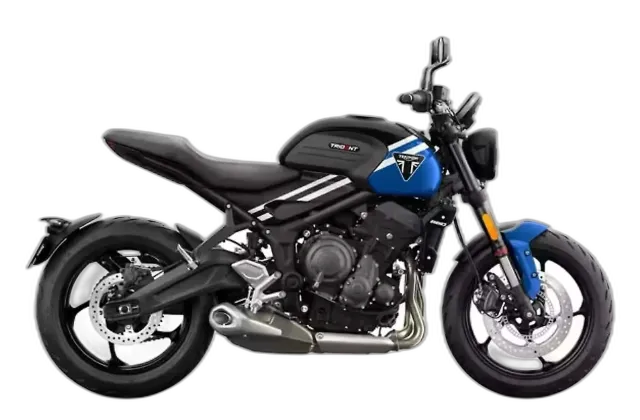
Best motorcycle for Tail of the Dragon?

You go to the Dragon and Cherohala to sharpen technique, not chase numbers. The Trident's easy handling and honest chassis feedback let you work on your lines corner after corner without the bike ever fighting you.

Made for Back of the Dragon · Blue Ridge Parkway · Cherohala Skyway

Best motorcycle for Angeles Crest?

You know Angeles Crest cold and ride at a real clip. The Trident's light chassis and lean clearance reward smooth canyon pace, though its 80 hp will feel modest if you're chasing outright drive.

Made for Angeles Crest Highway · Coronado Trail / US 191 · Highway 1 / Big Sur

Alternatives to the Triumph Trident 660

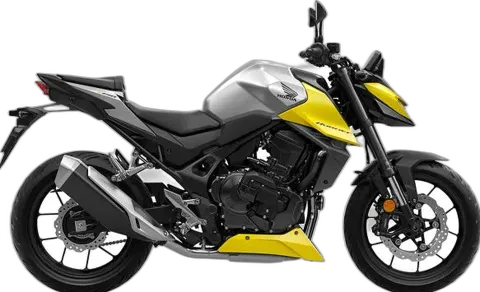
If this one isn't quite the fit, these are the bikes worth riding back-to-back against it.

Any price note compares both bikes at the same age — the youngest age both have on the used market — against this Triumph Trident 660. “cheaper/pricier” is what that bike costs second-hand, not how worn it is.