
Yamaha YZF-R7 (RM39) — Supersport
Yamaha press archive

2022–2025 · Supersport · Buyer's Guide

YZF-R7 (RM39)

3.5 / 5 NastyNils Rating · against its class

Sharp Chassis, Twin-Cylinder Soul

The Machine's Character

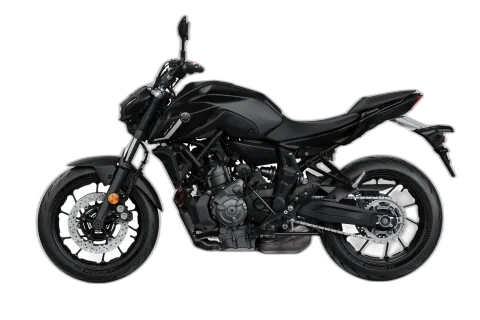
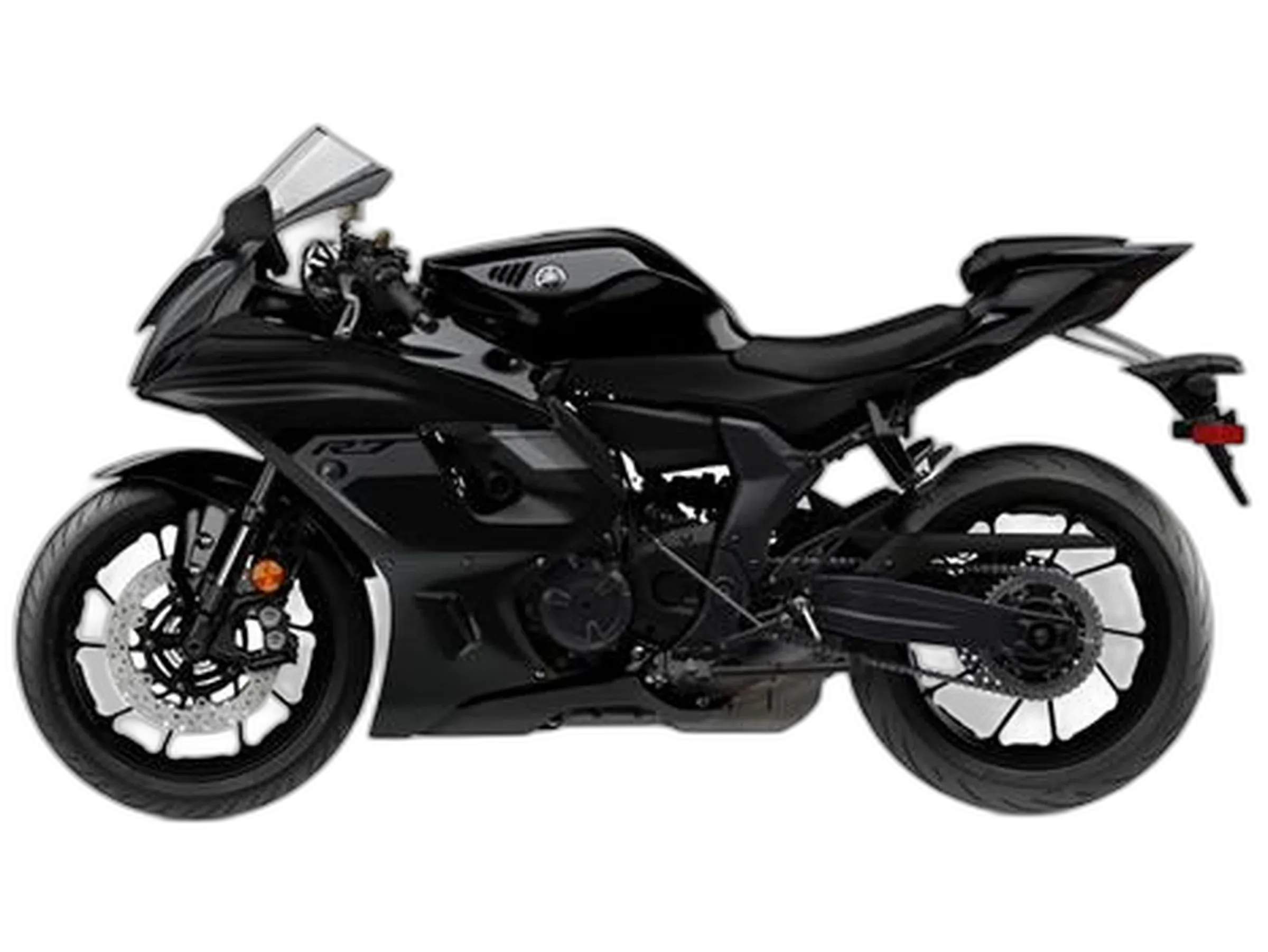
Yamaha built the R7 around the 689 cc CP2 parallel twin, and that choice sets the tone for everything else. You get 73 hp and 49 lb-ft with the torque peak at 6,500 rpm, so the drive sits where road riders actually use it. The frame is steel tube, the fork is an upside-down unit with adjustment at both ends, and the rider aid list is short: ABS. In the R family it slots in as the midlevel supersport between the R3 and the R1, and the hardware backs that up, with a 414 lb (188 kg) wet weight and a full 180-section rear tire.

On the road it steers light and settles into a corner without argument, and the torque peak low in the range means you are not chasing revs to make progress. It ages well because there is so little to go wrong. Fuel economy sits at 56 mpg, service needs are ordinary, and the parts catalog behind it is enormous. The rider it genuinely fits is the one who wants sportbike commitment on real roads more than a lap time. The caveat is simple: at committed track pace this chassis shows the ceiling of a budget supersport, and you will be buying suspension before you buy horsepower.

Hard Numbers

Spec sheets don't ride bikes, but they set the baseline.

Show full specs & equipment Hide specs & equipment
Key specifications
Power 73 hp (54 kW) @ 8,750 rpm
Torque 49 lb-ft (67 Nm) @ 6,500 rpm
Displacement 689 cc
Engine Parallel twin
Cooling Liquid-cooled
Gearbox 6-speed
Final drive Chain
Fork Upside-down (USD)
Front brake 298 mm
Front tire 120/70-17
Rear tire 180/55-17
Wheelbase 54.9 in (1395 mm)
Seat height 32.9 in (835 mm)
Wet weight 414 lb (188 kg)
Fuel capacity 3.4 gal (13 L)
Top speed 139 mph (224 km/h)
Fuel economy 56 mpg (US)

Equipment check

Chassis

  • Front Suspension Adjustable Standard
  • Rear Suspension Adjustable Standard

Drivetrain

  • Quickshifter Optional

Lighting

  • LED Headlight Standard

Safety

  • ABS Standard
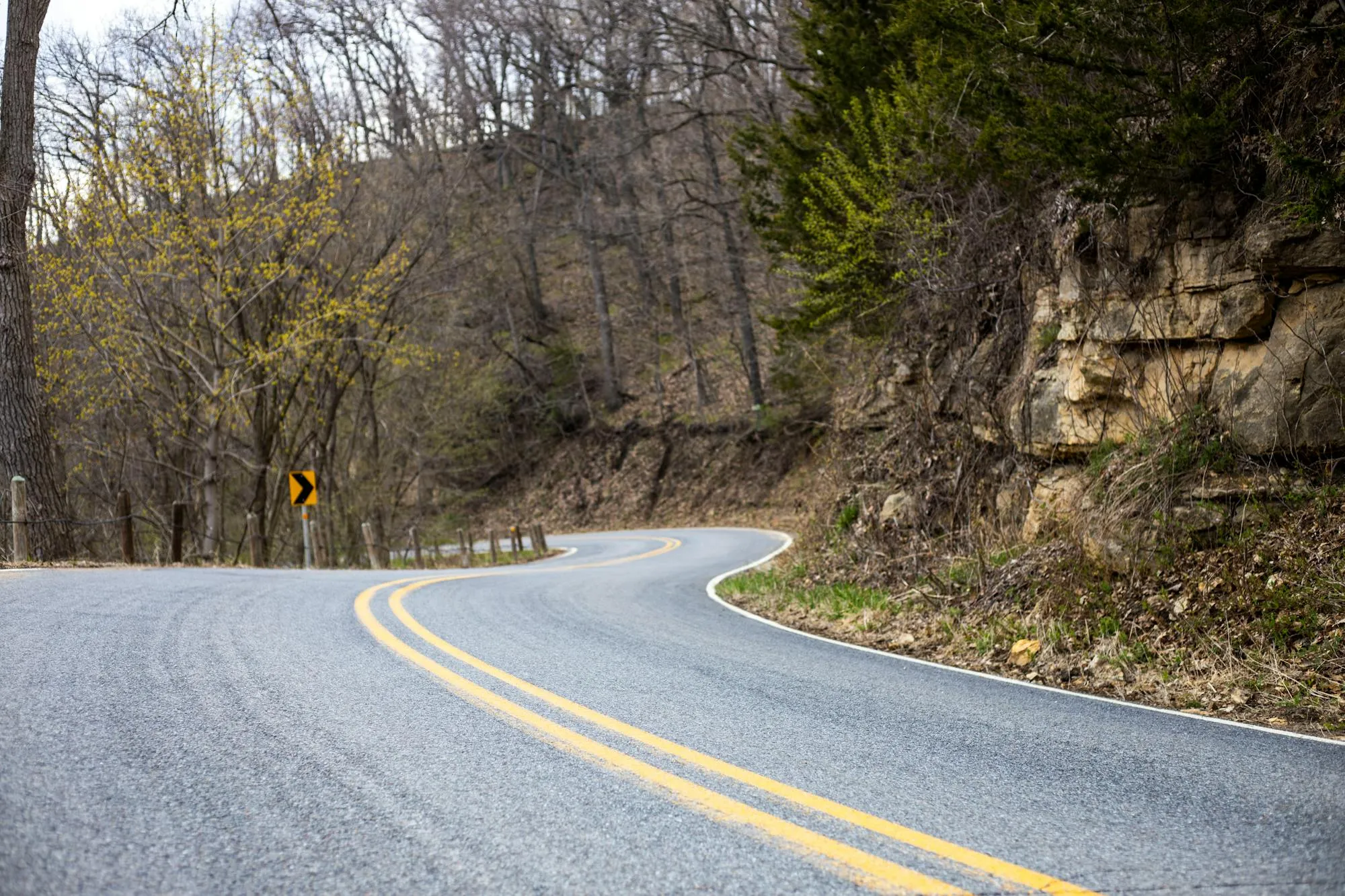
A winding two-lane asphalt road in the Appalachian mountains, photographed in dry daylight. Yellow double-center line markings guide through a series of tight left-hand curves. Dense deciduous and evergreen forest flanks both sides; a rock cut is visible on the right. The road surface and geometry suggest a technical, high-traffic riding corridor popular with motorcyclists.
Chris Flaten / Pexels

The Truth on the Street

Over the years I have collected what R7 owners tell me. Some of it comes from paddock talk between sessions or club nights, some from long chats with riders who have lived with the bike, and a lot from the messages owners send me directly. The pattern for this bike is consistent. People love how it pulls, how it looks and what it costs to get in, and most of the complaints appear once they take it to the track.

Why owners keep defending it

The most common praise is about the engine's manners. Riders describe useful pull from low and middle revs, a friendly throttle and power that arrives exactly as expected, and many say it suits real roads better than a peaky four-cylinder. The looks come up just as often. Owners feel the central intake, the single headlight and the full fairing give the bike more presence than its price suggests, and several call it the cheapest way into a genuine full-fairing modern supersport. The front brakes earn steady respect for their bite and control, with owners saying the stock pads hold up at intermediate track-day pace. Reliability is a quiet point of trust because this twin has a long record behind it. Some riders also mention how quickly the chassis turns in and how neutral it stays mid-corner, and others find the padded seat comfortable enough for proper days out.

Where owners want more

The loudest gripe is top-end power. Riders consistently say it goes flat high in the rev range and trails the rest of the middleweight supersport class once the road opens up. Track-day regulars add a familiar list: soft stock damping, a front end that gets busy in long, heavily loaded corners as the pace climbs, and ABS that cannot be switched off. Shorter riders, roughly 5'6" and under, say they struggle to get both feet flat at stops. Owners who add the optional quickshifter point out that it only handles upshifts and feels clunky at part throttle. The LCD dash also draws recurring complaints about how hard it is to read in bright sunlight.

Known issues

  • Frame flex / front-end chatter under sustained hard cornering at track pace

    chassis occasional

    At committed track pace, the high-tensile steel frame "twists up" when leaned over and on the gas through long, hard-loaded corners. The front end develops chatter mid-corner as pace climbs. Not noticeable at street pace; not a safety issue at typical road speeds. Implicitly confirmed by Yamaha's RM60 (2026) frame redesign, which targets increased chassis rigidity as the headline change.

  • ABS cannot be disabled by the rider; intrusive at track pace

    brakes occasional

    The 2-channel ABS is permanently armed on the stock motorcycle. At track pace, riders report it engaging earlier than desired under hard braking, which is a feel/perceptual issue rather than a street safety concern. ABS works correctly and protectively in normal road use. Aftermarket ABS-delete products (FT-ECU, Spears) are sold specifically to address this for track use.

  • KYB fork and shock damping under-tuned for committed track riding

    suspension occasional

    The KYB suspension is calibrated for street comfort. Heavier or faster riders report bottoming the fork under hard braking and running out of preload at the rear at track pace. The hardware is genuinely adjustable (front: full P/C/R; rear: P+R), but the stock baseline is soft. Tuning to acceptable track spec is straightforward but required for race pace.

  • Optional quickshifter is up-only and works poorly at part-throttle

    engine occasional

    The Yamaha Quick Shift System (QSS) is sold as a dealer-fit accessory (not standard equipment) and provides up-shifts only. Forum consensus across multiple owners is that it works cleanly only at high rpm with aggressive throttle inputs; at part-throttle the shift is described as clunky, intermittent, or failing to engage. The cable-throttle architecture is the underlying constraint; the RM60 (2026) introduces ride-by-wire and a 3rd-generation up-and-down QSS as standard.

  • Negative LCD instrument cluster dim and hard to read in direct sunlight

    electrics occasional

    The single LCD display (white characters on black background) lacks the brightness, contrast, and information density of contemporary TFT displays. Riders report dim appearance and glare in direct daylight, plus an awkward viewing angle from a tucked riding position. Replaced by a 5-inch TFT on the RM60 (2026).

The Expert Benchmark

Where this Yamaha YZF-R7 pulls ahead of — or falls behind — its rivals on the numbers, and the typical bike in its class on character.

What kind of bike this is — character vs. the class

This bike Class average

The shape of the Yamaha YZF-R7 — numbers and character vs. the average Supersport

Head-to-head: Yamaha YZF-R7 vs. its rivals

The Handshake Score

Forget spec-sheet bragging. Here's who the YZF-R7 is actually built for.

A scenic view of Angeles Crest Highway winding through rugged Southern California canyon terrain. Rocky mountainsides with golden earth tones frame the asphalt road with tight sweeping curves. Double yellow center line visible, sparse vegetation along the shoulders, clear blue sky with white clouds. Daylight, dry conditions. Iconic location for canyon-road enthusiasts.
Josh Sorenson / Pexels

Best motorcycle for Angeles Crest?

This is a Sunday bike done right. It has more lean angle than the canyons will ever ask for, it keeps you informed about the front tire, and it costs almost nothing to keep in the rotation.

Made for Angeles Crest Highway · Coronado Trail / US 191 · Highway 1 / Big Sur
Best motorcycle for Tail of the Dragon?

If you measure a good day in clean lines rather than speed, this fits. Light, talkative, and cheap enough to run that the drive in from Atlanta or Knoxville never feels like an expense.

Made for Tail of the Dragon · Back of the Dragon · Blue Ridge Parkway

Best motorcycle for Laguna Seca?

It will teach you corner speed and the parts support is deep. Plan on suspension work before you chase pace, and know the ABS stays armed whether you want it there or not.

Made for WeatherTech Raceway Laguna Seca · Barber Motorsports Park · Circuit of the Americas