·

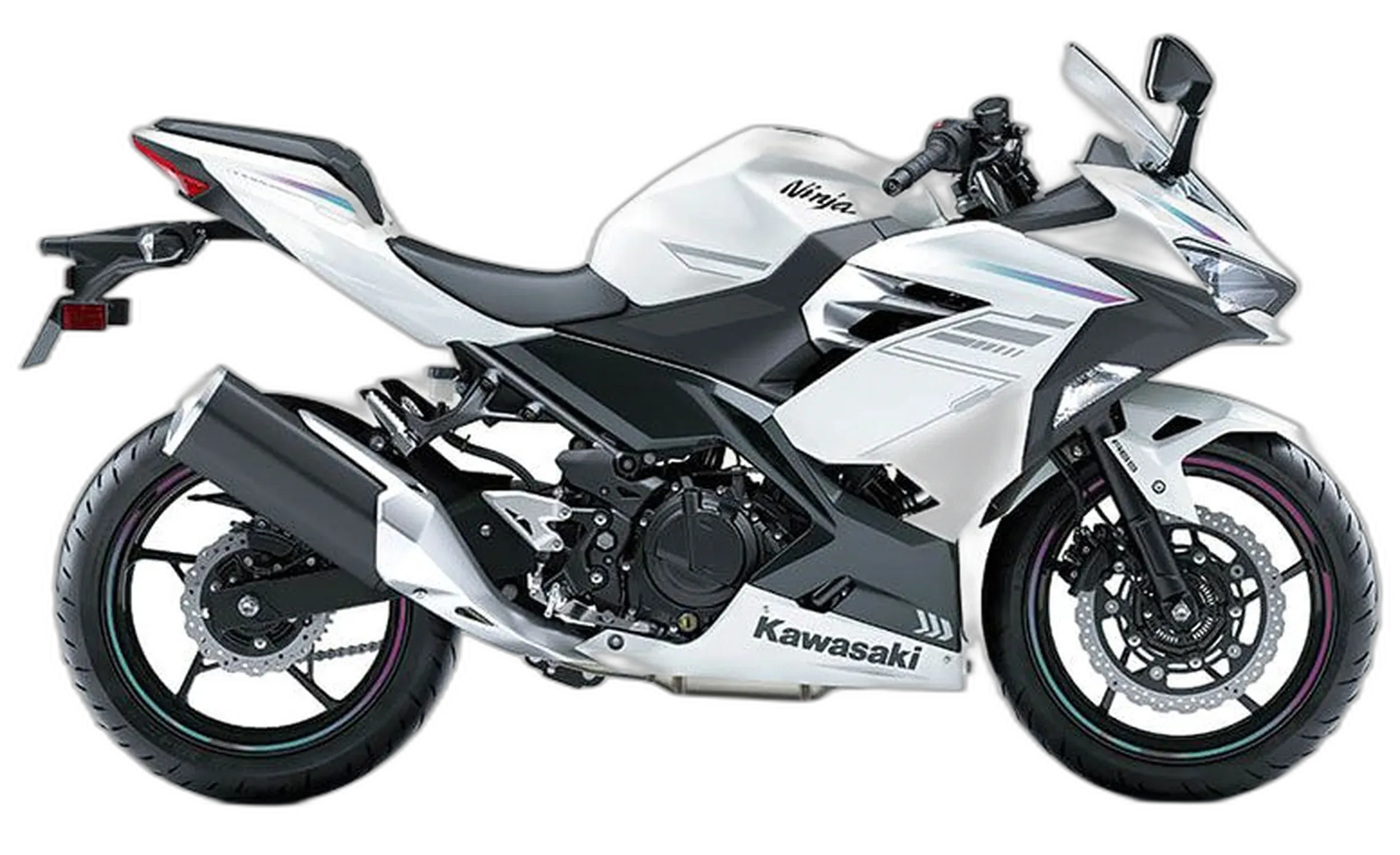
Kawasaki Ninja 400 (MY2018) — Supersport
NastyNils / Kawasaki press archive

2018–2024 · Supersport · Buyer's Guide

Ninja 400 (MY2018)

Light Weight, Sharp Lines

The Machine's Character

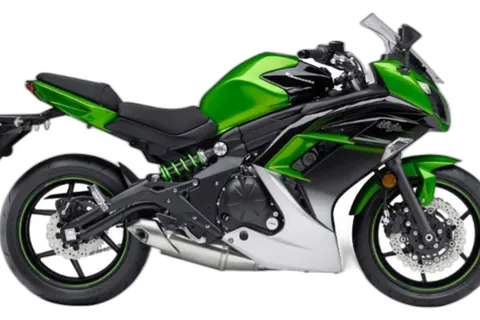
The Ninja 400 is Kawasaki's lightweight entry into the supersport class, built around a 399 cc parallel twin making 45 hp and 28 lb-ft. It rides on a steel trellis frame with an upside-down fork and tips the scales at just 362 lb wet, which places it between true beginner machinery and the mid-displacement sport bikes above it. The recipe is honest. There's enough power to pull you along with real intent, a chassis that asks for almost no input to change direction, and a straightforward character that never complicates the ride. This is Kawasaki doing what it does best: a proven, sensible concept executed cleanly.

It ages well because the fundamentals are right, and the low weight keeps it approachable as your skills climb. This is a bike for riders who want a real sportbike feel on twisty roads without fighting the machine, the kind chasing clean lines and precision rather than outright top speed. The honest caveat is the power ceiling. As long as your group runs similar equipment the fun holds, but the moment someone on a bigger bike pulls away, the modest output can start to feel like the whole story. The street-biased suspension and single front disc also draw a clear line once the pace turns serious.

Hard Numbers

Spec sheets don't ride bikes, but they set the baseline.

Show full specs & equipment Hide specs & equipment
Key specifications
Power 45 hp (33 kW)
Torque 28 lb-ft (38 Nm)
Displacement 399 cc
Engine Parallel twin
Bore × stroke 70 × 51.8 mm
Compression 11.5:1
Cooling Liquid-cooled
Fuel system EFI (throttle body)
Gearbox 6-speed
Final drive Chain
Frame Steel trellis
Fork Upside-down (USD)
Front brake 310 mm
Rear brake 220 mm
Front tire 110/70-17 M/C
Rear tire 150/60-17 M/C
Wheelbase 53.9 in (1370 mm)
Seat height 30.9 in (785 mm)
Wet weight 362 lb (164 kg)
Fuel capacity 3.7 gal (14 L)
Top speed 117 mph (188 km/h)
Fuel economy 44 mpg (US)

Equipment check

Chassis

  • Rear Suspension Adjustable Standard

Drivetrain

  • Slipper Clutch Standard

Lighting

  • LED Headlight Standard

Safety

  • ABS Standard

The Voice of Experience

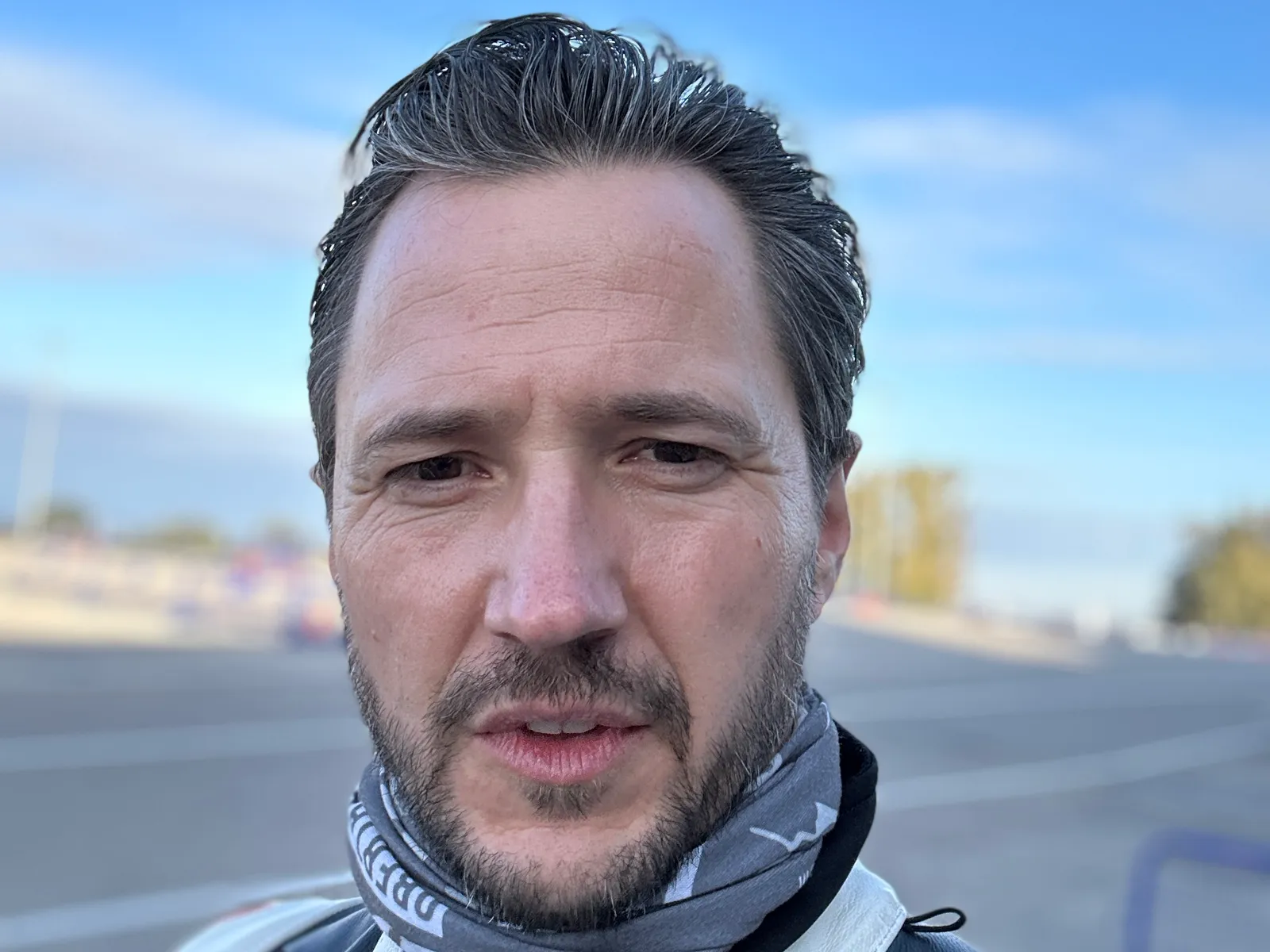
Portrait of NastyNils

The test ride

Swing a leg over and the first thing you notice is how little there is to be intimidated by. The 30.9 in seat is genuinely soft for this kind of bike, the bench forgiving enough that a couple of hours in you're not constantly shifting around hunting for relief. The riding position is a moderate lean, sporty without being punishing. Out on the road the low mass and reduced rotating weight make side-to-side flicks feel almost automatic. Point the bars and it goes, with no wrestling through quick transitions. What surprised me most was the composure. For something this eager to turn, it never gets twitchy or unsettled when you push the pace through fast direction changes. It stays planted underneath you, and that calm is what puts you in a good mood before you've even reached second gear.

Rated point by point — where it earns its keep

My own 0–100 score for this bike against the class, area by area — the marker on each bar is the class average.

Balanced and precise is where this little chassis quietly earns its reputation. I can commit hard to a line and it just honors what I asked, no fight, no wandering, consistently putting the bike where I aimed it lap after lap. There's nothing knife-edged or brutal about the thing; the appeal is how predictable it stays, the kind of trust that lets you lean on your own inputs and start finding real pace. Light overall and light in the rotating bits, it makes a quick chicane feel close to trivial, and that's the trait I've watched throw seasoned riders off guard. The ceiling lives in the springs. They're tuned around road comfort, soft and giving, which is fine until you fit the stickiest rubber and ask the chassis to cope with grip the soft setup was never built to handle. Lean on it past that and you've reached the honest edge of a street tune.

Capability here is really a story about how uncomplicated the bike is once you're moving. The power and the weight are matched well enough that nothing fights you; you point it, you ride, and on the right day the laps come clean and unhurried, the mood climbing each time around. The one condition is the equipment around you. Among friends on broadly equal machines the fun runs deep and never dries up. Drop into a group with real horsepower in it and the satisfaction can drain off the moment a faster straightaway leaves you behind, and that sting lands even when your own pace is the strongest out there. Keep the company evenly matched and this bike rewards you from the first session to the last; let the power gap open up and you'll feel exactly where its limit sits.

The lone front disc is undersized on paper and proves it the second the pace turns serious. Hold a hard rhythm and the authority bleeds away right as you need it most, with no second rotor there to share the load. At a moderate track-day clip it does its job without any nerves. Start hunting real lap times, though, and you'll want stickier pad material and the ABS module off the bike before you fully trust the lever. As delivered, it was simply never set up to haul down from that kind of speed.

Comfort on a sportbike usually means managing disappointment, so the seat genuinely caught me out. Set against the firm benches bolted to the bigger machines in this class, this one actually gives under you, and that cushioning earns its keep when you're stacking sessions together over a full day at the track. It's no armchair, but you can sit on it for a real stretch without the perch itself being the thing that finally pushes you off the bike.

What the motor makes was never going to be its selling point, and from the seat that turns out not to matter. The figure reads small, yet in practice there's ample here to keep you grinning and properly occupied; it tows you down the road with real conviction rather than leaving you counting the horses you don't have. Measured against the riding this bike actually invites, the grunt sits right where it should, and at no stage does it collapse into feeling like a glorified toy beneath you.

Day-one readiness is the practicality question for a machine like this, and the honest answer is that it shows up dressed for the street. Ride it hard and the stock parts tap out sooner than you'd want, so making it genuinely track-fit becomes a matter of fitting better hardware and accepting the spend, not a quick afternoon's tinkering. The capability is in there waiting to be unlocked. It just doesn't arrive that way, and you should plan around that before you decide what kind of riding you'll throw at it.

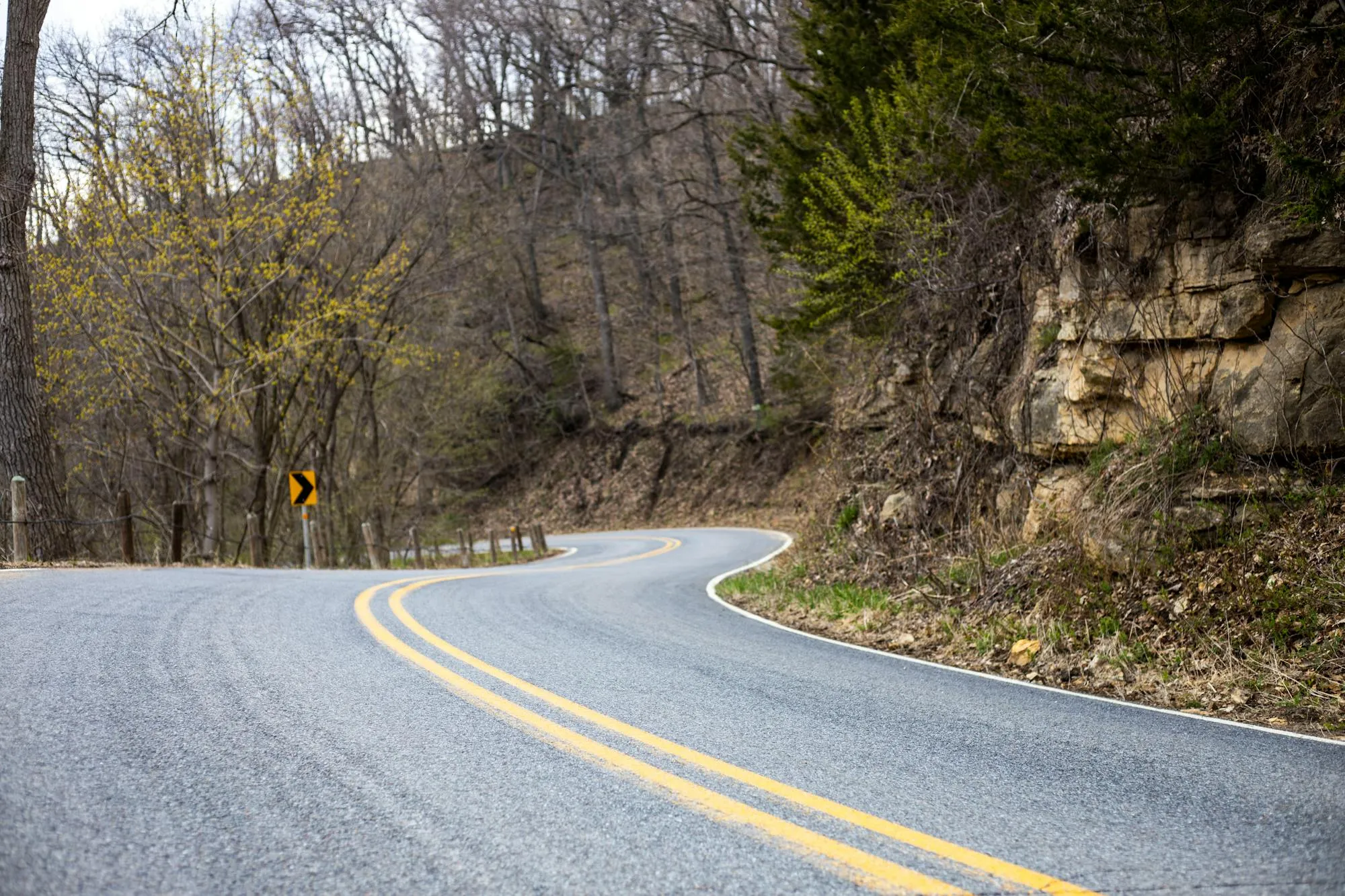
A winding two-lane asphalt road in the Appalachian mountains, photographed in dry daylight. Yellow double-center line markings guide through a series of tight left-hand curves. Dense deciduous and evergreen forest flanks both sides; a rock cut is visible on the right. The road surface and geometry suggest a technical, high-traffic riding corridor popular with motorcyclists. No motorcycle, no person visible.
Chris Flaten / Pexels

The Truth on the Street

None of what follows is my own test ride. It's what riders have told me over the years, gathered from the comments under my videos, forum threads I've read top to bottom, talk in the paddock between sessions, and the emails and direct messages that land in my inbox. For the Ninja 400 the sentiment points one way. Owners describe a cheap, fuss-free bike they can count on, with the grumbles bunched around long miles, hot traffic, and pushing the pace.

The Bike Owners Count On

Money comes up first and most often. Riders call it inexpensive to fuel, gentle on insurance and consumables, and reliable when it comes time to sell, the sort of bike that never costs much to own. The little twin earns the same trust, with owners reporting big mileage on nothing more than routine service and no major repairs along the way. New and returning riders keep coming back to how easy it is to place in a corner, quick to change direction and asking almost nothing of them, so confidence builds fast. The engine draws steady praise for a broad, usable spread of power and a sound owners enjoy. A fair number are surprised to find it genuinely competitive in lightweight club racing, backed by real support from aftermarket builders.

Long Miles And Warm Weather

The gripes share a backdrop. They surface once the ride runs long or the temperature climbs. The seat tops the list, comfortable enough for a short hop but wearing on most riders after an hour or two in place. Crawl through slow city traffic and engine heat works its way to the legs, more a nuisance in hot climates than any sign of trouble with the machine. Out on the highway the bars buzz harder as the revs rise, enough to blur the mirrors and leave some riders with numb hands after a long stretch. The compact screen does little once speeds pick up, so taller riders take wind across the upper body, and the bike's light weight lets a crosswind shove it around.

The Parts Owners Swap First

A second cluster points at hardware, and these are the items owners actually replace. The front brake takes the most heat, described as soft and short on real bite, the budget stock pads leaving little to lean on, with some track riders finding warped rotors. Fresh pads are the change most make soonest. The suspension draws a similar note on the road: the non-adjustable fork dives hard under braking, while the soft rear shock turns busy and harsh over rough pavement, never settling the way the fork does. Riders handed the OEM tires often fault them for weak grip, and many report a clear jump in cornering confidence after fitting quality rubber. Two more come up again and again: a choppy on-off throttle at low rpm around town, and a power ceiling that has experienced owners feeling boxed in after a year or two.

Known issues

  • Camshaft chain tensioner insufficient hardness due to improper heat treatment

    engineoccasional

    Improper heat treatment during production of the camshaft chain tensioner resulted in insufficient material hardness in a batch of MY2021 units produced between July 1 and October 27, 2020. Continued use could cause tensioner damage, leading to noisy engine operation and, in worst case, engine stalling while riding. Kawasaki issued a "DO NOT RIDE" advisory.

  • Countershaft sprocket nut working loose after sprocket change

    drivetrainoccasional

    The countershaft sprocket nut can work itself loose, particularly if improperly installed during sprocket changes. The OEM locking washer is thinner than comparable motorcycles, and the nut requires specific torque (125–127 Nm / 92–94 ft-lb) plus anti-seize on threads. The washer tabs must be bent against nut flats to prevent rotation.

  • Assist & Slipper Clutch premature wear — slipping, false neutrals, gear dropping

    drivetraincommon

    The most widely documented issue on the Ninja 400 platform. The clutch pack measures approximately 22.8 mm when new, but the basket/pressure plate assembly provides only approximately 21.2 mm of clearance before bottoming out. Combined with the slipper clutch ramp design, this causes premature wear manifesting as: clutch slipping under moderate-to-hard acceleration, false neutrals (especially between 4th and 5th gear), gears failing to engage, and the bike spontaneously dropping into a lower gear. More common with aggressive/track riding. Kawasaki partially addressed this in MY2020 with an updated pull rod (shortened by 1 mm) and smaller pressure plate bearing (8 mm → 7 mm).

  • OEM cylinder coolant seal deformation causing external coolant leak

    coolingoccasional

    The rubber coolant seal between the crankcase and cylinder head (front of engine) tends to deform, fold over, and allow coolant to leak externally. The OEM seal is a tall, narrow rubber piece sitting in an open cavity without mechanical retention. Once deformed, coolant weeps from the front of the engine. Repair is labor-intensive: requires camshaft removal, cylinder head removal, and cylinder removal (plus head gasket and base gasket replacement). Norton Motorsports developed an aftermarket machined aluminum seal with captive o-rings as a permanent fix.

  • Battery drain and insufficient charging at low RPM

    electricsoccasional

    Owners report batteries dying overnight or after short periods of inactivity. The alternator output at idle is marginal for maintaining battery charge. Adding accessories (USB chargers, heated grips) can overwhelm the charging system. Specific reports include: dead battery the morning after a ride, battery not reaching full charge during riding, and OEM batteries degrading faster than expected. Healthy system should show 12.8 V at rest and 14.0–14.8 V at 4,000+ rpm.

  • Rough idle, high idle RPM, or idle fluctuation when warm

    engineoccasional

    Some owners report rough idle, idle RPM above specification (manual specifies 1,300 rpm), or fluctuating idle when the engine is warm. Can be related to dirty throttle bodies, throttle position sensor issues, or the lean factory ECU tune for emissions compliance.

The Expert Benchmark

Where this Kawasaki Ninja 400 pulls ahead of — or falls behind — its rivals on the numbers, and the typical bike in its class on character.

What kind of bike this is — character vs. the class

This bike Class average

The shape of the Kawasaki Ninja 400 — numbers and character vs. the average Supersport

Head-to-head: Kawasaki Ninja 400 vs. its rivals

The Handshake Score

Forget spec-sheet bragging. Here's who the Ninja 400 is actually built for.

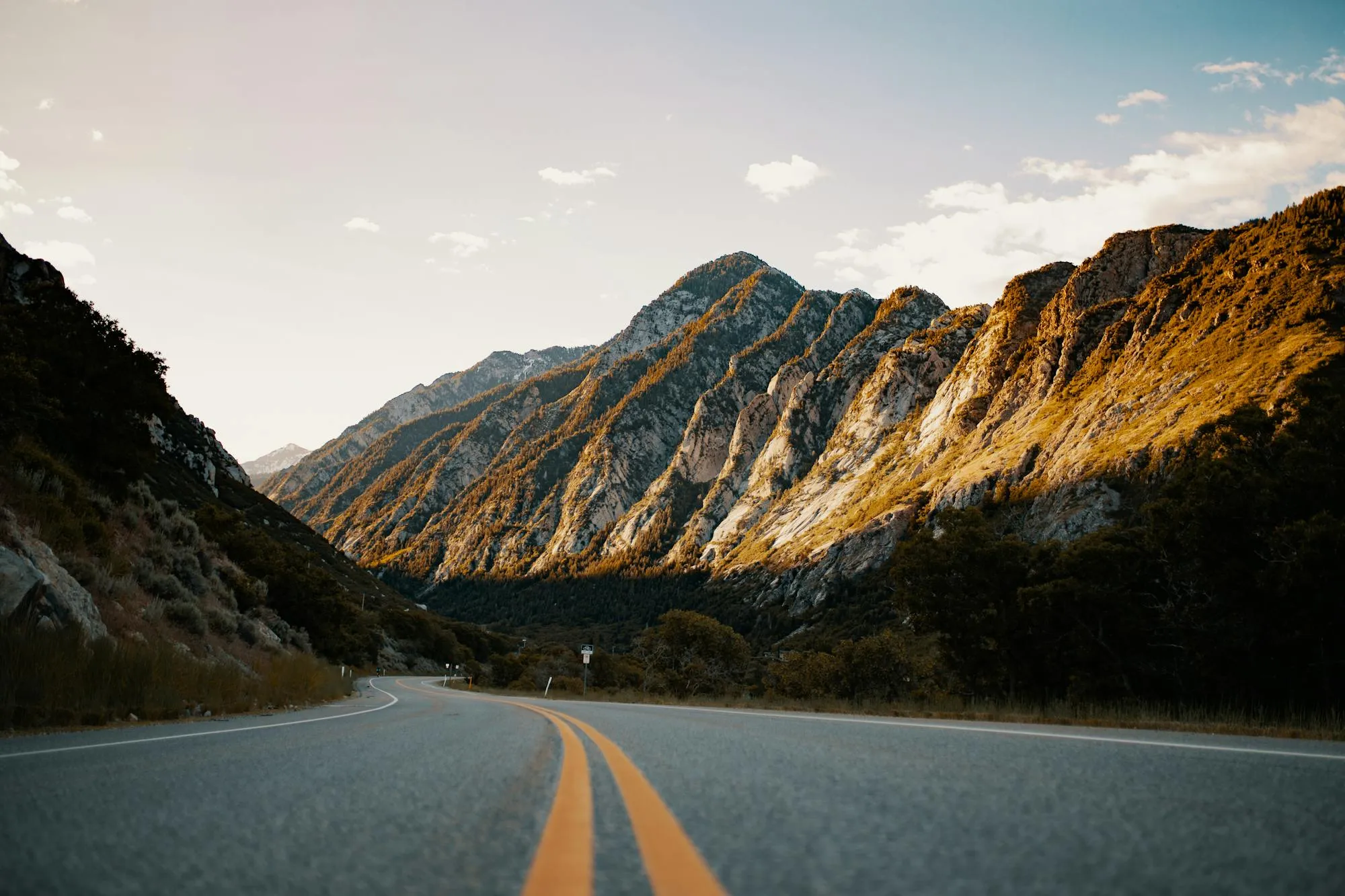
A scenic view of Angeles Crest Highway winding through rugged Southern California canyon terrain. Rocky mountainsides with golden earth tones frame the asphalt road with tight sweeping curves. Double yellow center line visible, sparse vegetation along the shoulders, clear blue sky with white clouds. Daylight, dry conditions. No motorcycle or rider visible. Iconic location for canyon-road enthusiasts.
Josh Sorenson / Pexels

Best motorcycle for Angeles Crest?

For chasing clean lines on Angeles Crest, this bike rewards you with easy agility and real precision. Just know the modest power shows on the straights if your crew runs bigger machinery.

Made for Angeles Crest Highway · Coronado Trail / US 191 · Highway 1 / Big Sur
Best motorcycle for Tail of the Dragon?

On the tight Dragon and Blue Ridge twisties, where skill beats speed, the light weight and forgiving chassis are exactly what you want. Precision over horsepower is the whole point, and that plays to its strengths.

Made for Back of the Dragon · Blue Ridge Parkway · Cherohala Skyway

Best motorcycle for Texas Hill Country?

For relaxed sporty weekends through the Hill Country, it's an easy, uncomplicated companion that never wears you out. Keep the pace social and the fun holds. This is about the ride and the company, not top speed.

Made for Austin / Texas Hill Country · Twisted Sisters · Austin / Handbuilt Motorcycle Show