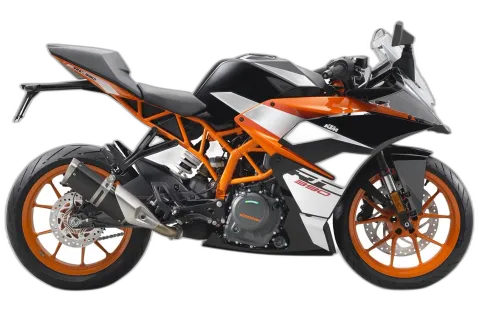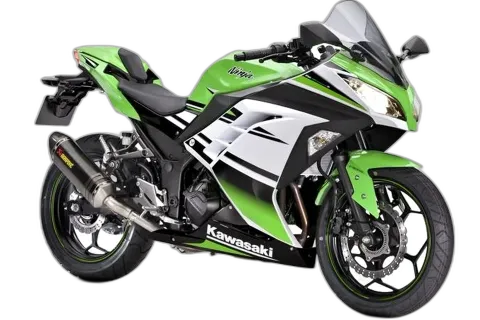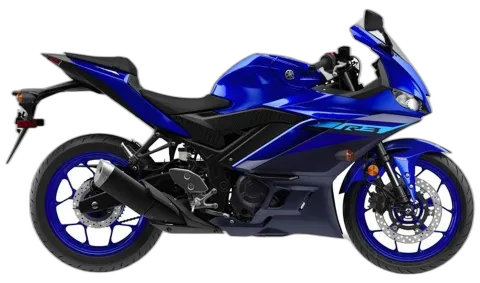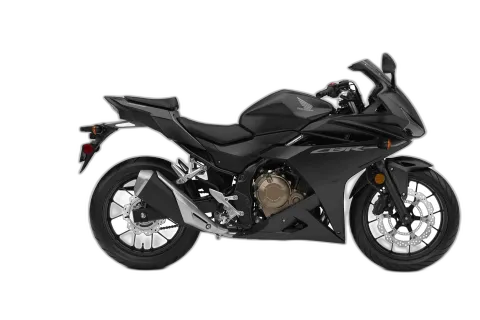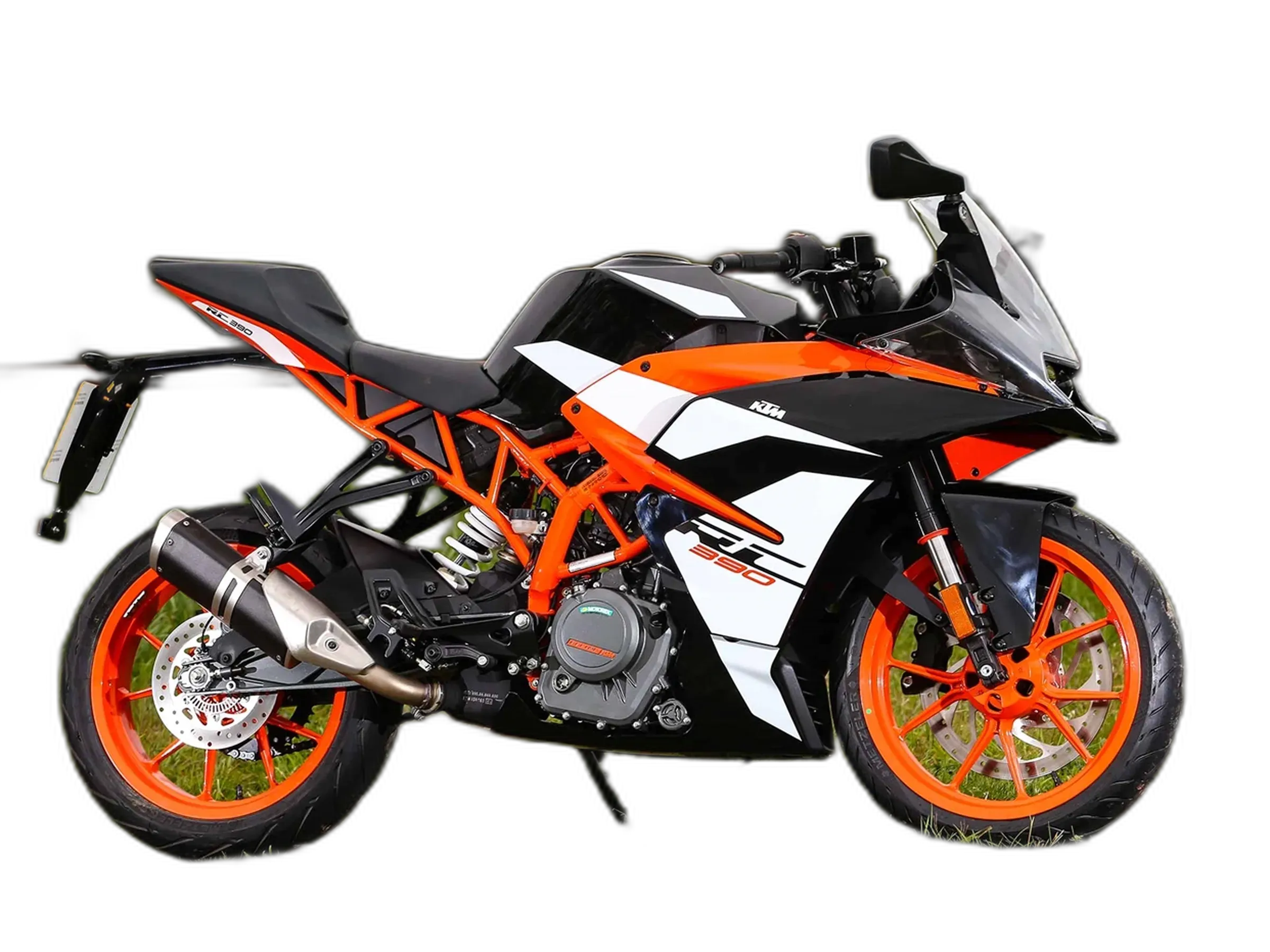
KTM RC 390 (MY2014) — Supersport
NastyNils / KTM press archive

2014 · Supersport · Buyer's Guide

RC 390 (MY2014)

Corner Entry On Repeat

The Machine's Character

This is KTM's first run at a lightweight supersport, and it shows up exactly how you'd expect from Orange: built around attack, not comfort. The 373 cc single makes 44 hp and 26 lb-ft, but the figure that matters is how that torque is sized to the chassis. It's proportional to the bike's weight, so you can lean on the whole package right to the edge and it never turns intimidating. A steel trellis frame and upside-down fork give it the bones of a genuine sport tool, and the throttle answers with nothing sitting between your wrist and the rear tire.

It rides like a machine for people who want motorcycling in concentrated form: precise, light, and honest about what it can and can't do. What it can't do is win the drag race out of a corner, so it rewards the rider who scores on entry and line rather than on the straight that follows. Ownership is mostly painless thanks to standard architecture and ordinary service intervals, but go in with eyes open. There are reports of head gasket failures around 6,200 mi (10,000 km), often after the cooling system struggles in stop-and-go heat, so a healthy fan is worth watching.

Hard Numbers

Spec sheets don't ride bikes, but they set the baseline.

Show full specs & equipment Hide specs & equipment
Key specifications
Power 44 hp (32 kW)
Torque 26 lb-ft (35 Nm)
Displacement 373 cc
Engine Single-cylinder
Cooling Liquid-cooled
Fuel system Fuel injection
Gearbox 6-speed
Final drive Chain
Frame Steel trellis
Fork Upside-down (USD)
Front brake 300 mm
Front tire 110/70-17
Rear tire 150/60-17
Wheelbase 52.8 in (1340 mm)
Seat height 32.3 in (820 mm)
Fuel capacity 2.6 gal (10 L)
Fuel economy 67 mpg (US)

Equipment check

Chassis

  • Rear Suspension Adjustable Standard

Safety

  • ABS Standard

The Voice of Experience

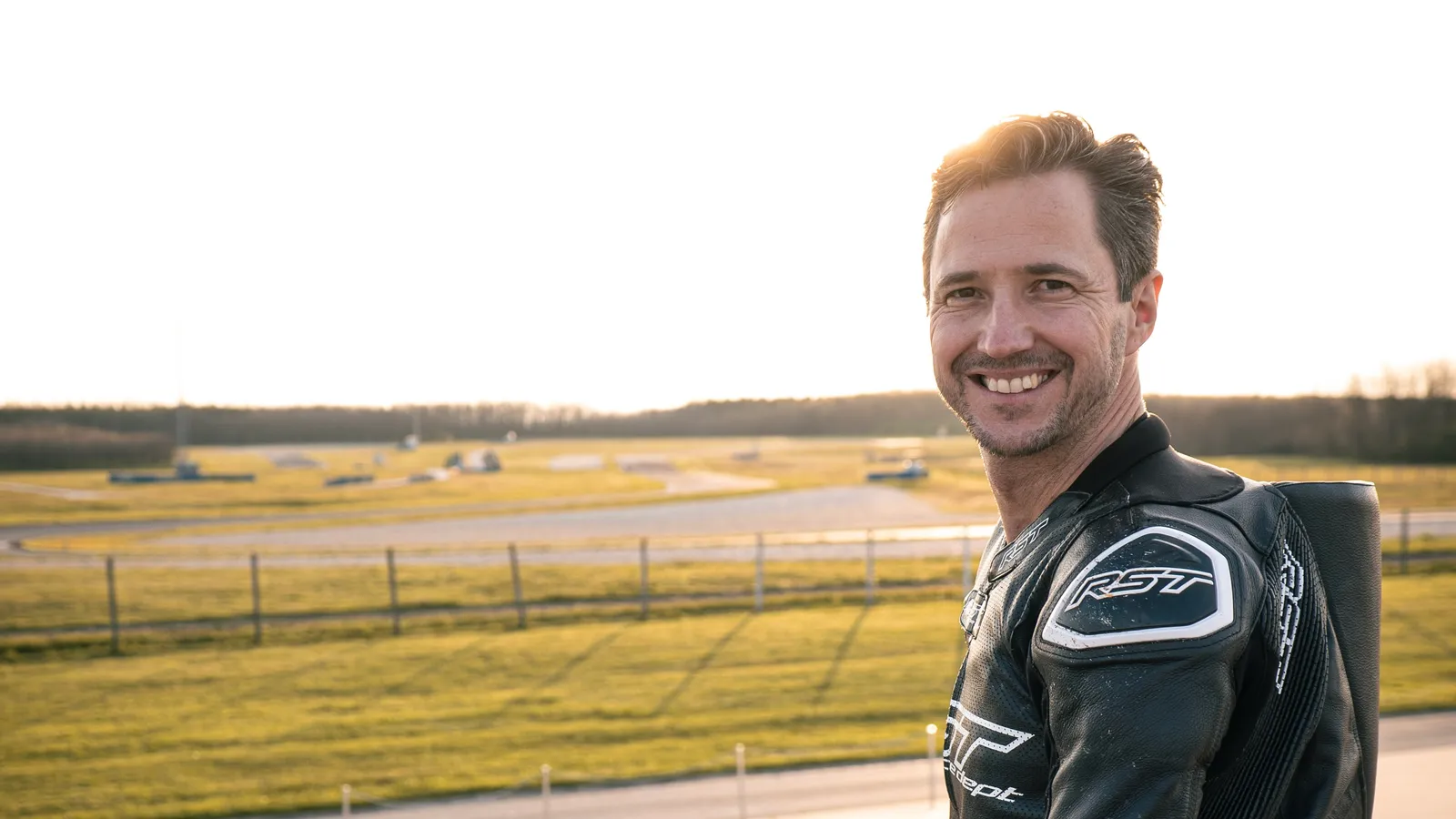
Portrait of NastyNils

The test ride

Settle in and the first thing you notice is that you don't really sit on this bike, you brace against it. Seat pressure almost disappears; your weight lives on the pegs, body crouched behind the fairing, locked into the machine rather than perched on top of it. The single thrums underneath you with a rhythm you feel as much as hear. What surprised me most was the feedback through the rear tire. You can read exactly how loaded it is at any moment, and when it starts to let go a gentle rumble telegraphs the slide well before it arrives, so it's easy to catch. The flip side of being this light: throw your body hard from one side to the other through a quick chicane and your own weight starts steering the bike. It reads everything you do, immediately.

Rated point by point — where it earns its keep

My own 0–100 score for this bike against the class, area by area — the marker on each bar is the class average.

What stays with me is how little the front asks of you to put the bike exactly where you want it. I could pick a tight line, commit to it, and the chassis held that arc without me chasing corrections. That accuracy usually arrives with a skittish, on-edge feel on something this small, and it doesn't here; the bike stays settled while still changing direction in a blink. The rear is where I trust it most. I always knew how hard the tire was working, so I rode to the real edge instead of a cautious guess, and the first sign of a step-out shows up early enough to gather back up. The one caveat is my own weight. I'm a big fraction of the total mass here, so throw your body hard across a chicane and the back end goes light enough to bite. On a heavier bike that input vanishes into the mass; here it lands hard and instant.

This bike pays out for nerve. Go into a corner deep and fully committed and it grabs the line and holds it clean to the apex. Back off at the marker, hesitate even a little, and the corner is gone before you've sorted yourself out. Get one entry exactly right and the only thing you want is to come back around and do it again. It asks for total conviction and hands the reward straight back to you.

There's nothing exotic hiding under the fairing to catch you out. The fuel injection, the layout, the service schedule are all familiar territory, the kind of thing any competent shop has seen many times over. I found nothing that demands special handling or punishes you simply for owning it. On the maintenance side it asks for the ordinary, and that counts for a lot on a bike you actually plan to ride hard.

Comfort here means something particular. You don't ride this one settled on the saddle; nearly all of your support travels up through the footpegs while you tuck in low under the screen. The riding position folds you down into the machine rather than seating you up high over it. That suits aggressive riding and says plainly this was never meant for lounging. If you came looking for a relaxed perch, it isn't here, and the bike never pretended otherwise.

The connection is what I keep coming back to. Twist the throttle and the answer is instant and totally honest, with no soft buffer dulling the input on its way through. I always knew precisely what the motor was up to. Where it runs out of argument is on the way out of a corner. Build a gap under braking and the bigger machines drive straight past the moment everyone gets back on the gas. This is a weapon for the entry, not for the charge off the apex.

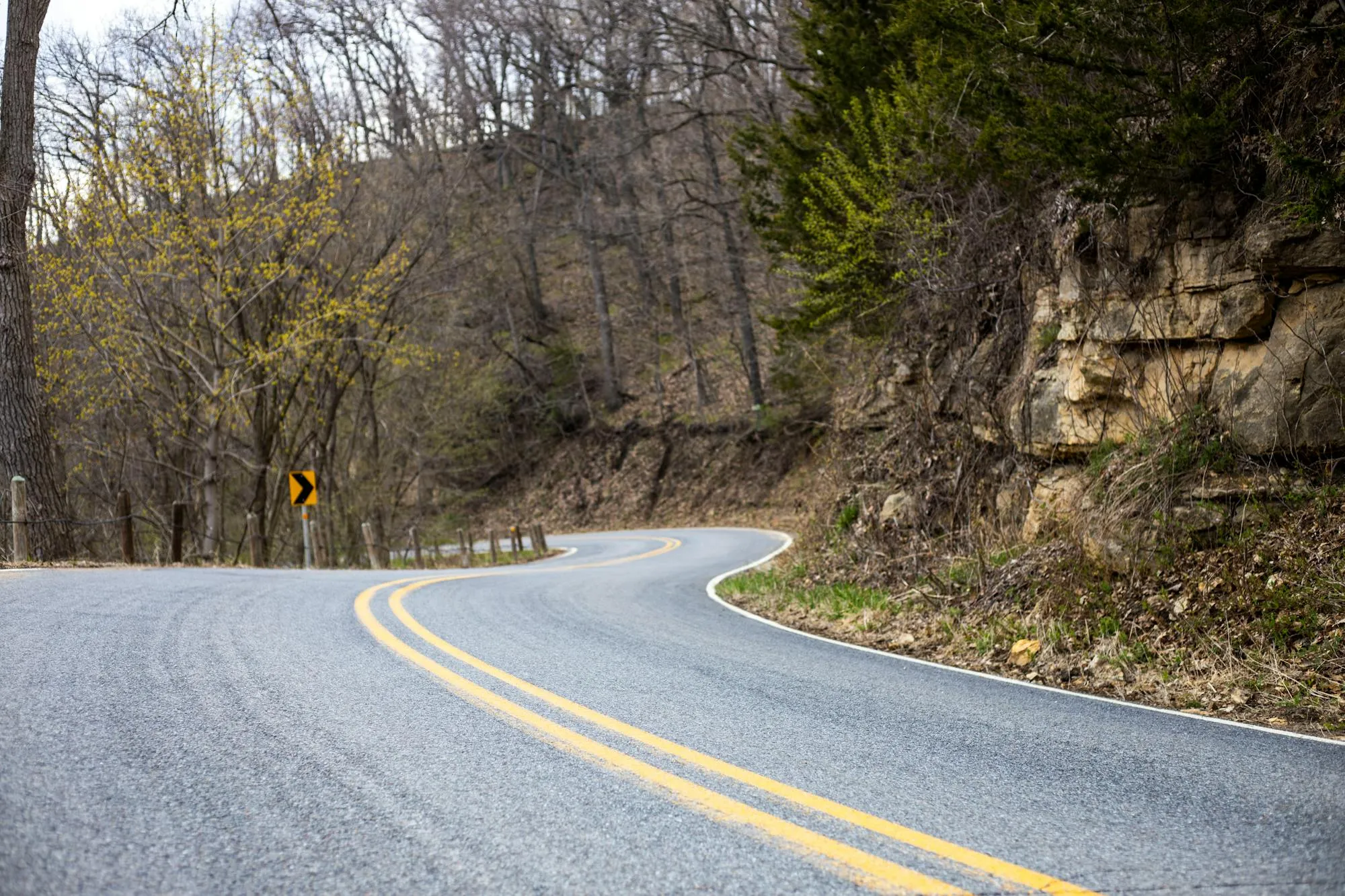
A winding two-lane asphalt road in the Appalachian mountains, photographed in dry daylight. Yellow double-center line markings guide through a series of tight left-hand curves. Dense deciduous and evergreen forest flanks both sides; a rock cut is visible on the right. The road surface and geometry suggest a technical, high-traffic riding corridor popular with motorcyclists. No motorcycle, no person visible.
Chris Flaten / Pexels

The Truth on the Street

I've spent years reading the YouTube comments, following the forum threads, talking with owners in the paddock, and working through the emails and messages riders send me directly. On the RC 390 the chatter splits pretty cleanly: a lot of warmth for how it handles, and a short list of gripes about where the budget shows.

What riders keep praising

Handling is what comes up most. Riders consistently point to the light frame and sporty geometry, which let them flick it through corners with confidence and carry real speed. The 373cc single draws steady praise right alongside it, strong and accessible power that encourages them to ride it hard. And a good number bring up the price, calling it a lot of sport bike for the money in the entry-level class.

Where the budget shows

The complaints cluster in a few spots. The front brake is the one that comes up as a sore point, a single disc that some feel lacks bite when they lean on it. Owners also mention vibration coming through the bars and pegs as the revs climb, and a thinly padded seat that turns punishing on longer rides. A few flag the build quality too, with finishes and fit they rate a step behind the Japanese competition.

Known issues

  • Head gasket failure

    engineoccasional

    Reports of head gasket leaks and failures, often preceded by overheating; can lead to catastrophic engine damage if not addressed. Typically occurs after moderate mileage (around 6,200 mi / 10,000 km).

  • Overheating and radiator fan issues

    coolingoccasional

    The cooling system can struggle in stop-and-go traffic, with radiator fan failures leading to elevated temperatures and potential engine damage.

The Expert Benchmark

Where this KTM RC 390 pulls ahead of — or falls behind — its rivals on the numbers, and the typical bike in its class on character.

What kind of bike this is — character vs. the class

This bike Class average

The shape of the KTM RC 390 — numbers and character vs. the average Supersport

Head-to-head: KTM RC 390 vs. its rivals

The Handshake Score

Forget spec-sheet bragging. Here's who the RC 390 is actually built for.

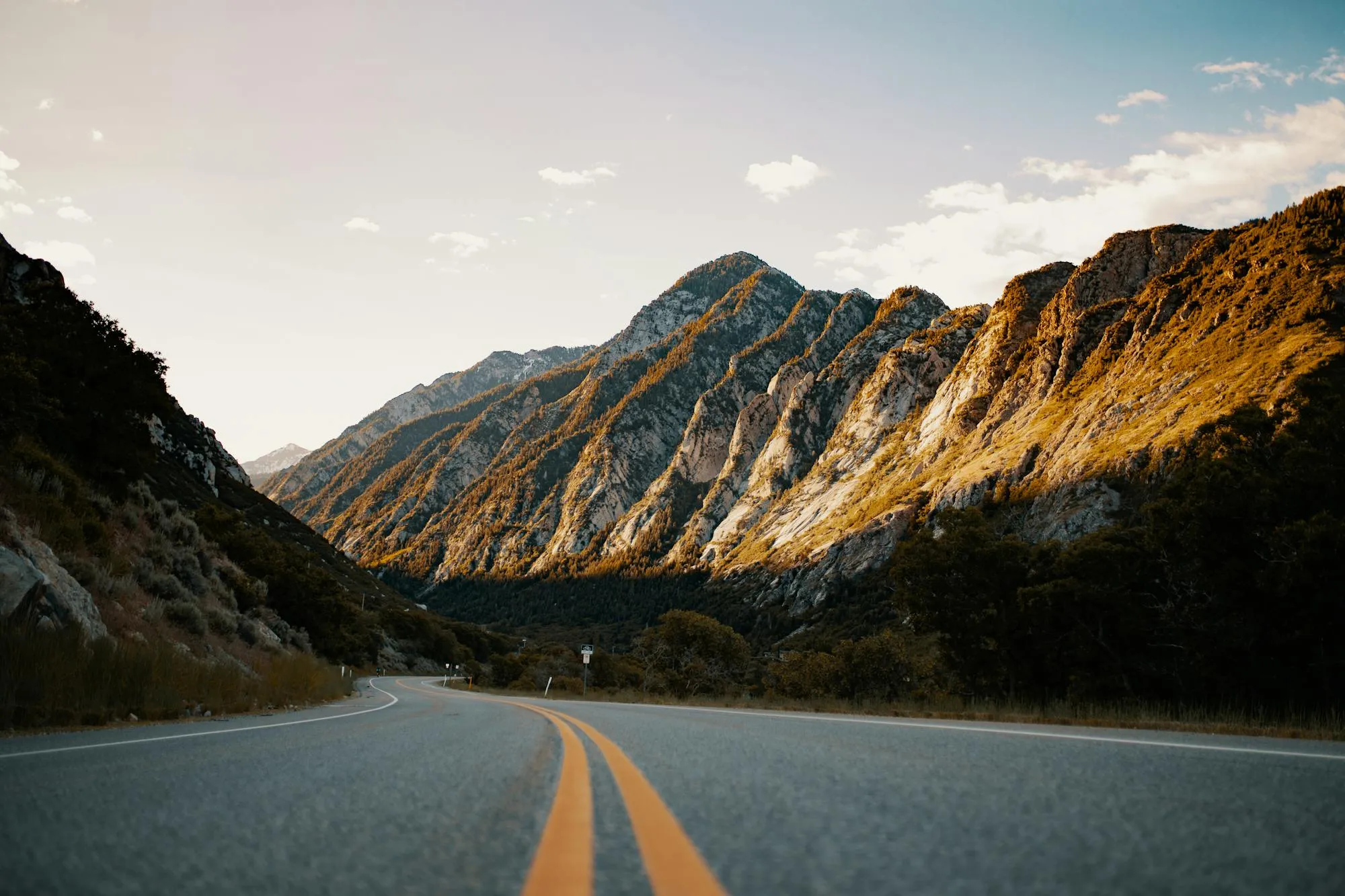
A scenic view of Angeles Crest Highway winding through rugged Southern California canyon terrain. Rocky mountainsides with golden earth tones frame the asphalt road with tight sweeping curves. Double yellow center line visible, sparse vegetation along the shoulders, clear blue sky with white clouds. Daylight, dry conditions. No motorcycle or rider visible. Iconic location for canyon-road enthusiasts.
Josh Sorenson / Pexels

Best motorcycle for Angeles Crest?

If your weekends mean Angeles Crest and tight canyon runs, this one speaks your language: surgical lines, featherweight flicks, and rear feel that lets you push hard. Just don't expect to win the straights in between.

Made for Angeles Crest Highway · Coronado Trail / US 191 · Highway 1 / Big Sur
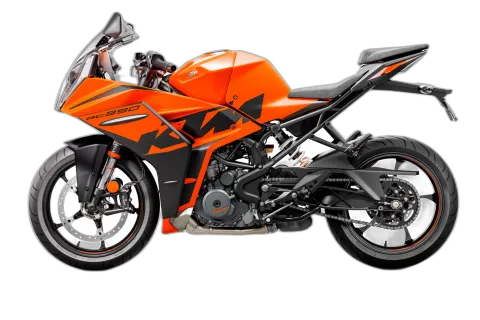
Best motorcycle for Tail of the Dragon?

Built for skill over speed, it's right at home in Dragon-tight technical corners. The light, precise front rewards clean technique, and you'll learn more here than on anything heavier.

Made for Back of the Dragon · Blue Ridge Parkway · Cherohala Skyway

Best motorcycle for Texas Hill Country?

Great fun on the twisty Hill Country loops where its agility shines, but the small single and 2.6-gal tank make it more a spirited day-ride tool than a long-haul roadtrip companion.

Made for Austin / Texas Hill Country · Twisted Sisters · Austin / Handbuilt Motorcycle Show

Alternatives to the KTM RC 390

If this one isn't quite the fit, these are the bikes worth riding back-to-back against it.

Any price note compares both bikes at the same age — the youngest age both have on the used market — against this KTM RC 390. “cheaper/pricier” is what that bike costs second-hand, not how worn it is.