Kawasaki Z900 (MY2025) — Naked Bike
NastyNils / Kawasaki press archive

2025 · Naked Bike · Buyer's Guide

Z900 (MY2025)

Smooth Pull, Real Confidence

The Machine's Character

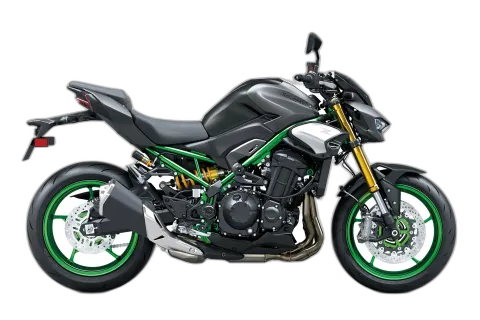
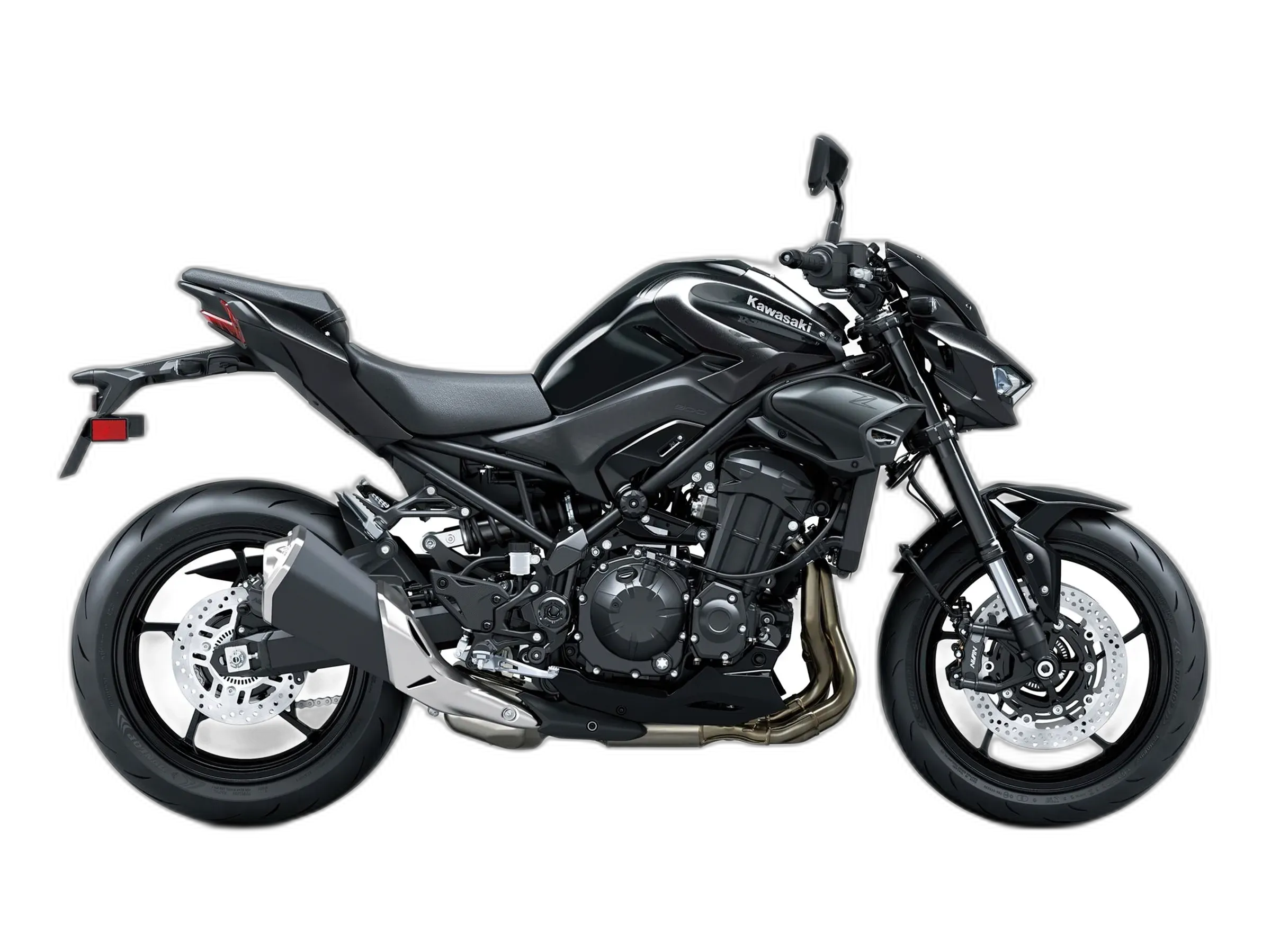
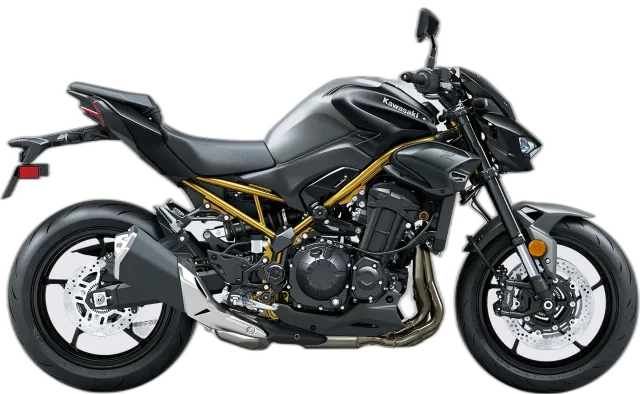
The Z900 builds its case around the 948cc inline-four, and that engine is the whole story. It makes 124 hp and 73 lb-ft, but the number that matters is how cleanly it delivers them. Ride-by-wire throttle, a standard bidirectional quickshifter, traction control, ride modes, and an IMU running cornering ABS bring the electronics in line with bikes that ask a lot more money. Add the agile chassis and light steering, and you get a super-naked that reads as approachable rather than intimidating. In its class it lands as the honest, sensible pick.

On the road it rewards a rider who wants real pace without a fight. The handling stays light, the four-cylinder pulls hard everywhere, and the package feels durable enough to shrug off the miles. It's built for the canyon and twisty-road rider who also has to live with the bike day to day. The honest caveat: the seat sits tall and the bike carries genuine weight, so slow-speed work takes commitment, and real-world fuel consumption ran well above Kawasaki's claim, so plan your range with margin to spare.

Hard Numbers

Spec sheets don't ride bikes, but they set the baseline.

Show full specs & equipment Hide specs & equipment
Key specifications
Power 124 hp (91 kW) @ 9,500 rpm
Torque 73 lb-ft (99 Nm) @ 7,700 rpm
Displacement 948 cc
Engine Inline-four
Cooling Liquid-cooled
Gearbox 6-speed
Final drive Chain
Fork Upside-down (USD)
Front brake 300 mm
Front tire 120/70-ZR17
Rear tire 180/55-ZR17
Seat height 31.9 in (810 mm)
Wet weight 470 lb (213 kg)
Fuel capacity 4.5 gal (17 L)

Equipment check

Chassis

  • Front Suspension Adjustable Standard
  • Rear Suspension Adjustable Standard

Connectivity

  • TFT Display Standard
  • Smartphone Connectivity Standard

Drivetrain

  • Quickshifter Standard
  • Slipper Clutch Standard

Lighting

  • LED Headlight Standard

Safety

  • ABS Standard
  • Traction Control Standard
  • Ride Modes Standard

The Voice of Experience

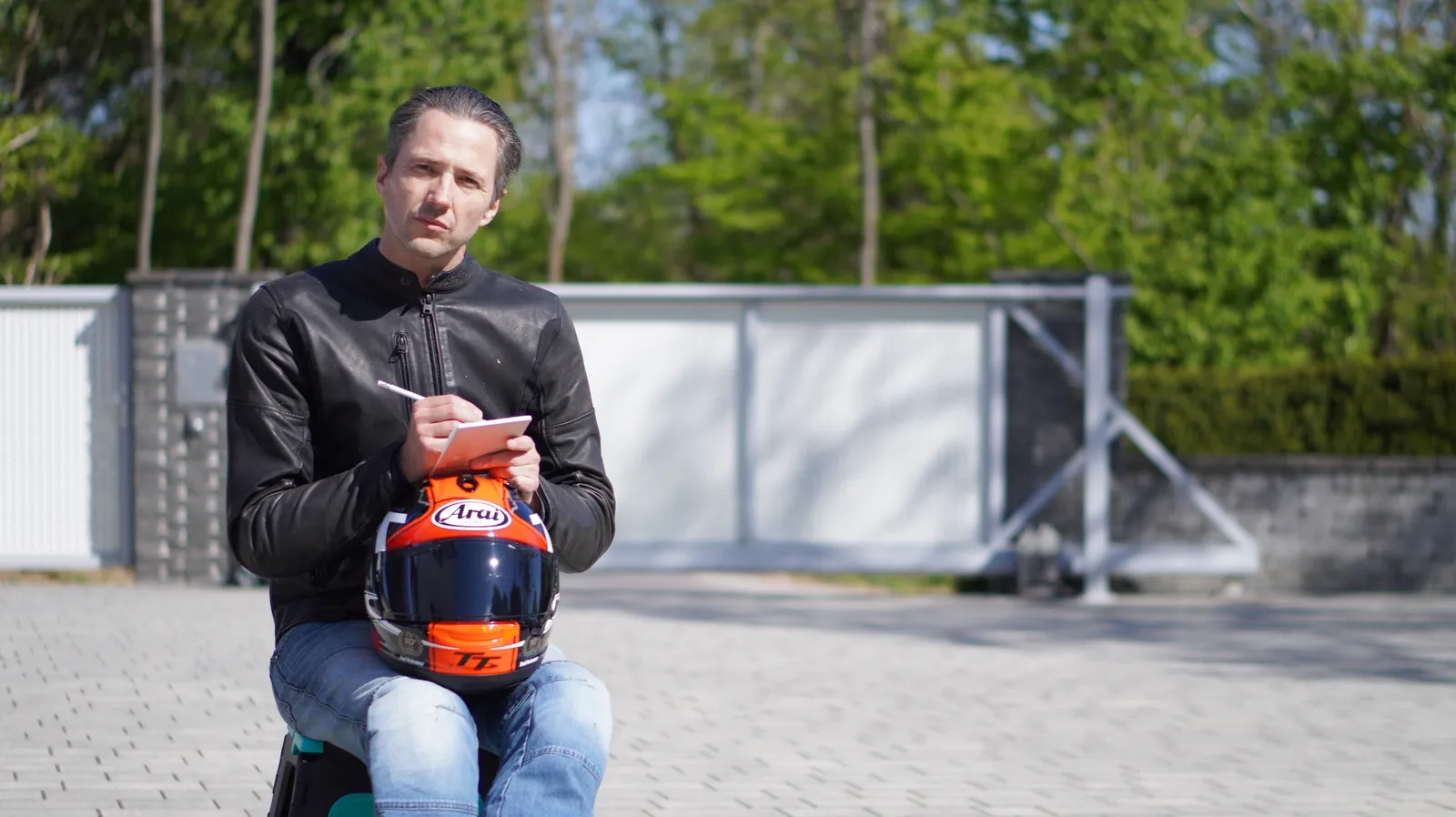
Portrait of NastyNils

The test ride

Swing a leg over and the first surprise is how tightly the bike sits around you. The dimensions suggest something bigger, but the knee grip on the tank and the wide aluminum bars pull everything in close, and it feels narrower and lighter than the scale says. The riding position leans sporty and front-loaded without punishing you; weight rides on your wrists, not your spine, and nothing about it makes you want to quit early. Pick it up at a stop, though, and the height and mass remind you they're there, so parking-lot crawls and tight U-turns ask for deliberate input. Out in the cold, damp Spanish hills the electronics stayed quietly in the background, holding composure on unpredictable surfaces without a single nervous lurch. It feels calm underneath you even when the road turns bad.

Rated point by point — where it earns its keep

My own 0–100 score for this bike against the class, area by area — the marker on each bar is the class average.

What stands out when I tip this bike into a corner is how little the electronics intrude. The cornering ABS is calibrated with a delicacy I wouldn't expect at this money, and on cold, greasy asphalt in the Spanish hills, with grip coming and going underneath me, it never grabbed or stumbled. Flick it into Sport and the leash lengthens enough to let the front lift for a brief, managed moment before the system reins it back in. It shows up the instant the road demands it and stays out of your way the rest of the time.

The front brake is the control I had the most faith in. Pull the lever and the feedback comes through with real precision, telling me exactly how much grip is left at the front tire, so I could keep loading it as a corner came up rather than groping for the limit. Brake later and harder and the nose stays settled, no grab and no nasty surprises to scare me into backing off. That kind of clarity is what let me lean on the brakes with confidence instead of handling them gingerly.

The inline-four's defining quality is how predictable it stays at the grip. Roll on anywhere in the rev range and the power arrives in a clean, even sweep, with no flat spot to work around and no abrupt step to catch you out. Mid-corner it has a ready answer too; ask for drive and it lands without hesitation, with enough conviction behind it that I trusted it deep toward the exit. The bidirectional quickshifter, standard kit rather than a line on the options sheet, swaps gears with almost no break in drive, as composed piling on ratios under hard acceleration as it is grabbing a lower one on the way into a bend, and having it included from the start changes how the bike feels at pace. The one shortfall is the auto-blip. It only wakes with the throttle fully shut, so the moment I feed in a little gas while braking toward an apex, I'm back to matching revs with my foot.

My doubts here sit with finish and fuel use, not the hardware. Out testing, real consumption ran well clear of Kawasaki's published claim, so anyone budgeting their range off that number should pack in a generous cushion before the warning light. The other thing is the welding. Get close to the frame and the joints look rough and unrefined, a notch below the cleaner work the brand pulls off on its more expensive models. It changes nothing about how the machine runs, yet on a bike that otherwise presents so well, your eye keeps landing on it.

For a bike pitched this firmly toward sport, the seating treats you better than I expected. You sit forward over the front with your load carried through your hands rather than your lower back, and even after a long stint I never hit the point of wanting off. It also disguises its size well; the bars hand you plenty of leverage, your legs settle naturally into the tank, and the whole thing wraps tighter around you than the figures imply, so it feels trimmer than it is. Two things keep it honest. The damping is tuned for stability, which is lovely on clean tarmac and harsh once the surface breaks up, where the impacts come through undiluted and the ride turns jittery; if your roads are patched, the SE's adjustable rear earns its keep. And the saddle has climbed in height while the bike stays heavy, so shuffling it around at a stop, slow U-turns, dabbing a foot at the lights, all of it takes deliberate effort rather than coming for free.

The practical sore point is the companion app, which simply wasn't up and running during the launch test, so I couldn't give it a fair assessment. I've seen enough factory app ecosystems overpromise and underdeliver to keep my hopes in check, and the commercial setup doesn't help its case. The first year comes free, after which it shifts to a paid subscription. Asking riders to keep paying for software that hasn't yet proved its worth is a tall order.

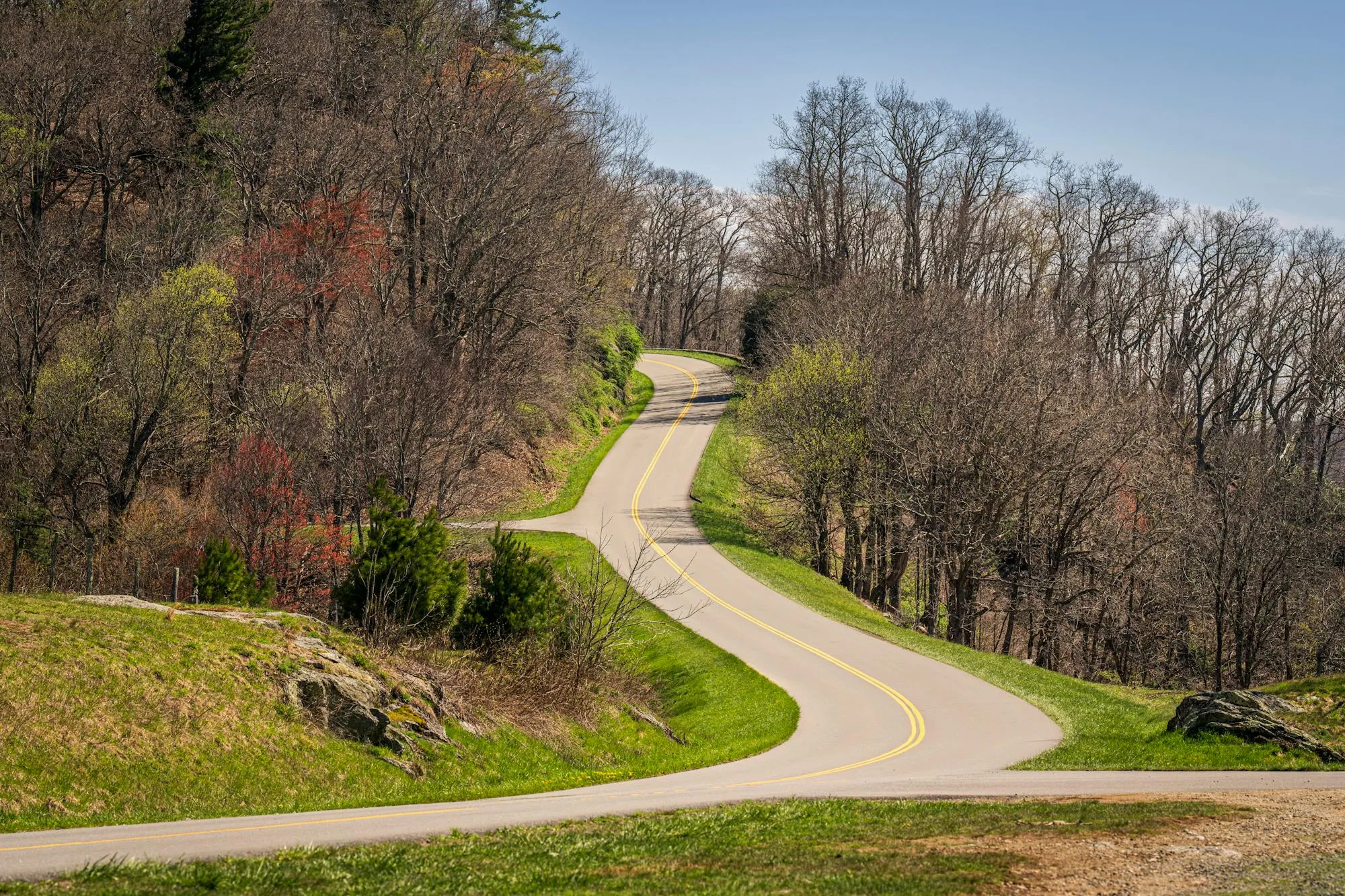
A winding asphalt road descending through the Appalachian Mountains, likely the famous Tail of the Dragon section in Tennessee and North Carolina. Multiple technical right-hand and left-hand curves are visible in this aerial perspective, surrounded by deciduous forest in spring foliage. Clear sunny conditions, well-maintained asphalt with yellow center lines marking the curves.
Mark Stebnicki / Pexels

The Truth on the Street

This section isn't my own test ride. It's the picture that forms after years of paying attention to riders: forum threads, paddock talk, owner conversations, and the messages that land in my inbox. For the Z900, the chatter runs steady.

Where the praise lands

Riders consistently single out the handling, calling the bike lighter than the spec sheet suggests, with quick, neutral steering that stays planted through a corner. The 948cc inline-four draws the same praise, pulling cleanly from low down on strong mid-range without asking for high revs. And value runs through every account: owners point to how much kit the package includes, from the quickshifter and cornering ABS to cruise control and a TFT dash, for less money than most rivals.

The complaints that keep returning

Three gripes surface again and again. Newcomers find the TFT interface unintuitive, with rocker switches and menu logic that take time to learn and everyday functions buried behind long presses. Taller riders mention cramped upper legroom; the seat sits low, but the peg-to-seat span leaves them folded up on longer rides. And the stock exhaust draws repeated criticism for sounding too muted for a bike styled this aggressively, which is why a slip-on tops many owners' first-mod lists.

Known issues

  • Rust on fuel tank bracket welds

    bodyworkoccasional

    Some owners report surface rust forming on the unpainted welds of the fuel tank mounting brackets under the seat, likely due to moisture trapped by the rubber cushion.

The Expert Benchmark

Where this Kawasaki Z900 pulls ahead of — or falls behind — its rivals on the numbers, and the typical bike in its class on character.

What kind of bike this is — character vs. the class

This bike Class average

The shape of the Kawasaki Z900 — numbers and character vs. the average Naked Bike

Head-to-head: Kawasaki Z900 vs. its rivals

The 'Should I Buy It?' Score

Forget spec-sheet bragging. Here's who the Z900 is actually built for.

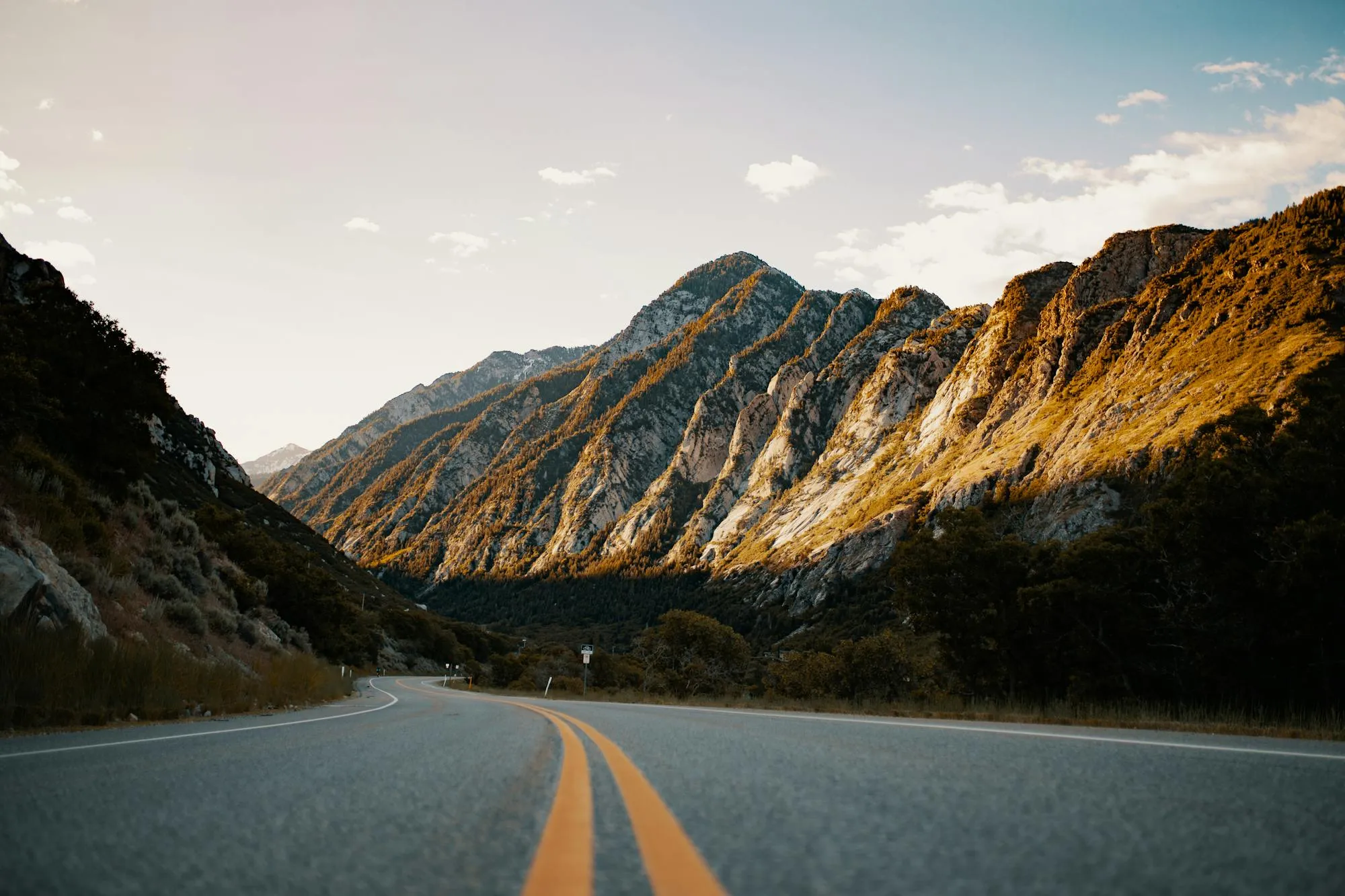
A scenic view of Angeles Crest Highway winding through rugged Southern California canyon terrain. Rocky mountainsides with golden earth tones frame the asphalt road with tight sweeping curves. Double yellow center line visible, sparse vegetation along the shoulders, clear blue sky with white clouds. Daylight, dry conditions. Iconic location for canyon-road enthusiasts.
Josh Sorenson / Pexels

Best motorcycle for Angeles Crest?

If your weekends run from LA traffic to the Angeles Crest, this fits. The light steering and clean midrange suit precise canyon work, just know the firm suspension wants smooth pavement.

Made for Angeles Crest Highway · Coronado Trail / US 191 · Highway 1 / Big Sur
Best motorcycle for Tail of the Dragon?

For the Dragon and the Blue Ridge, where skill beats speed, the agile chassis and standard quickshifter reward clean lines. The tall seat asks for confidence at slow paces.

Made for Back of the Dragon · Blue Ridge Parkway · Cherohala Skyway

Best motorcycle for Bay Area?

Commute the city and meet up on Skyline, and the Z900 covers both. Approachable handling and easy throttle work in traffic, though plan fuel stops around real-world range, not the brochure.

Made for Bay Area Ridge Roads · San Francisco / Bay Area · Skyline Boulevard / Alice's Restaurant

What's new versus the previous generation

If you're cross-shopping the older generation, here's what changed.

Kawasaki Z900 (MY2020)

Previous generation · 2020–2024

Kawasaki Z900 (MY2020)

Two Faces, One Engine

Compare to the previous model →

Alternatives to the Kawasaki Z900

If this one isn't quite the fit, these are the bikes worth riding back-to-back against it.

Any price note compares both bikes at the same age — the youngest age both have on the used market — against this Kawasaki Z900. “cheaper/pricier” is what that bike costs second-hand, not how worn it is.